
Orient Express Value Calculator
Journey Details
Estimated Cost & Verdict
Enter your details and click calculate to see the breakdown.
Picture this: you’re sipping champagne in a velvet-draped carriage while snow falls outside the window, crossing the Swiss Alps at night. The clatter of wheels is rhythmic, almost hypnotic. It’s the dream sold to us for over a century. But then you see the price tag. We are talking about tens of thousands of dollars for a few days. That number stops most people cold. So, the real question isn’t just about romance or history. It’s about value. Is the Orient Express actually worth the money, or is it just an expensive ticket to sit in a museum on wheels?
I’ve spent years analyzing luxury travel trends from my base in Wellington, looking at where the money goes and what you actually get back. When we talk about the Orient Express today, we aren’t talking about the original steam trains of Agatha Christie fame. Those are gone. Today, we are talking about the Venice Simplon-Orient-Express, operated by Belmond. This is a modern luxury product wrapped in vintage aesthetics. To decide if it’s worth your hard-earned cash, we need to strip away the marketing haze and look at the concrete details: the service, the food, the rooms, and the alternatives.
The Price Tag: What Are You Actually Paying For?
Let’s get the elephant in the room out of the way first. The cost is high. A standard three-night journey on the Venice Simplon-Orient-Express can range from $8,000 to over $15,000 per person, depending on the season and the cabin class. If you want the grand suites with private bathrooms and more space, you’re looking at significantly more. This isn’t budget travel. This isn’t even mid-range luxury. This is top-tier experiential spending.
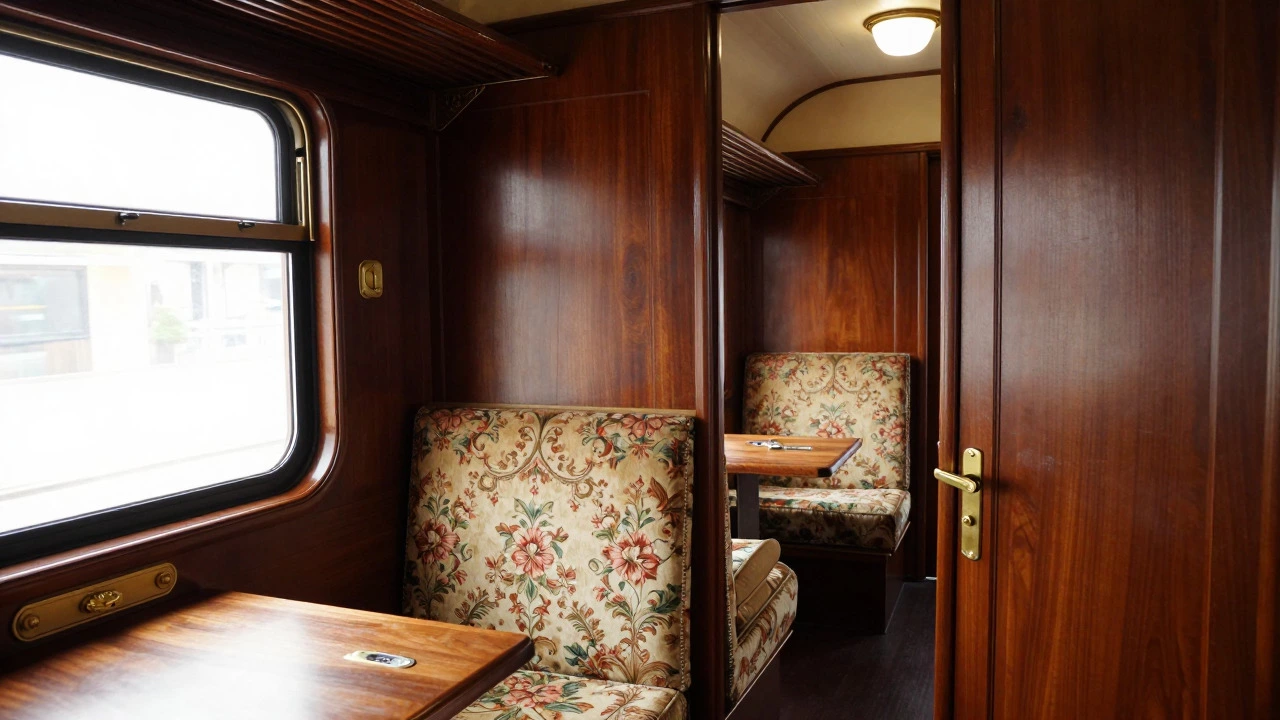
So, what does that money buy you? Primarily, you are paying for exclusivity and nostalgia. You are paying for the restoration of carriages that date back to the 1920s and 1930s. Every wood panel, every brass fitting, and every piece of furniture has been meticulously restored. You are also paying for the route itself. The train travels through some of Europe’s most scenic landscapes, including the Alps and the Italian countryside, but you don’t have to drive or navigate airports. The logistics are handled entirely for you.
However, unlike all-inclusive resorts where the price covers everything, there are hidden costs here. Gratuities are expected and often substantial given the level of service. Alcohol is not always included in the base fare, though many packages offer wine and beer with meals. Premium spirits and certain wines will hit your bill. And let’s not forget the flights to Paris or Venice to start and end the journey. When you add those international flights to the total, the price jumps another notch.
The Experience: Glamour Meets Reality
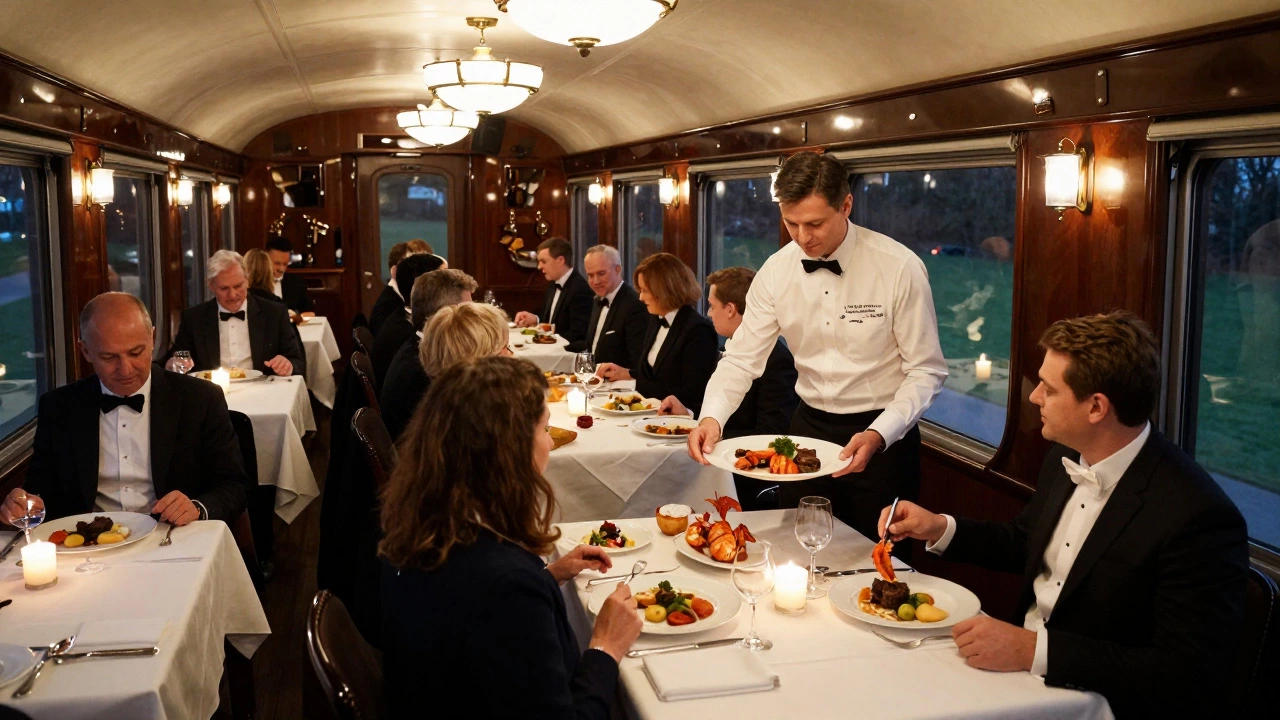
Once you board, the experience shifts dramatically. The staff-to-guest ratio is incredibly high. You have dedicated cabin stewards who check on you regularly, serve tea and coffee, and ensure your cabin is pristine. The dining cars are the heart of the ship, offering multi-course meals that rival five-star hotels. Think foie gras, lobster, and aged steaks, paired with fine wines. The atmosphere is formal; men are often required to wear jackets for dinner, and women dress up in evening wear. It’s a throwback to the golden age of travel.
But here is the catch: the cabins are small. Very small. While they are beautifully decorated with period-appropriate furnishings, they lack the space of a modern hotel suite. Most cabins do not have en-suite bathrooms. Instead, you share a communal bathroom facility located at the end of each carriage. These facilities are clean and well-stocked with high-end toiletries, but sharing a bathroom with strangers can be a shock after paying such a premium. If privacy is non-negotiable for you, you must book a Suite or a Grand Suite, which come with private bathrooms. These sell out months in advance.
The social aspect is another major component. You meet fellow passengers in the lounge car, the dining car, and during excursions. Many travelers choose this trip for special occasions-anniversaries, honeymoons, or milestone birthdays. The crowd tends to be older, affluent, and interested in history and culture. If you’re looking for a party scene, this isn’t it. It’s sophisticated, quiet, and refined.
Alternatives: Other Luxury Trains in Europe
If the price of the Venice Simplon-Orient-Express gives you pause, you’re not alone. The market for luxury train travel has expanded, and several competitors offer similar experiences, sometimes with better value or different focuses. Let’s compare the big players.
| Train Name | Operator | Avg. Cost (Per Person) | Key Feature | Bathroom Type |
|---|---|---|---|---|
| Venice Simplon-Orient-Express | Belmond | $8,000 - $15,000+ | Historical authenticity, iconic route | Shared (Standard), Private (Suites) |
| Belmond Grand Hibernian | Belmond | $6,000 - $12,000 | Modern luxury, Irish landscape | Private En-Suite |
| Royal Scotsman | Belmond | $7,000 - $14,000 | Scottish Highlands, golf focus | Private En-Suite |
| Golden Eagle Trans-Siberian | Golden Eagle | $5,000 - $10,000 | Adventure, long-distance journey | Private En-Suite |
| Regent Japan Rail Pass | Regent Seven Seas Cruises | $10,000 - $20,000 | All-inclusive, Japanese culture | Private En-Suite |
Notice something interesting? The newer Belmond trains like the Grand Hibernian and the Royal Scotsman offer private en-suite bathrooms as standard. This is a significant advantage over the Orient Express unless you splurge on their suites. The Grand Hibernian, for example, offers a more contemporary luxury feel with larger spaces and modern amenities, while still maintaining high service standards. If your main concern is comfort and privacy, these might be better values.
The Golden Eagle Trans-Siberian takes a completely different approach. It’s less about glamour and more about adventure and cultural immersion. The journey is longer, the landscapes are vast, and the experience is more rugged. It’s cheaper than the Orient Express but requires a different mindset. You’re trading champagne flutes for epic scenery and historical depth.
Who Should Book the Orient Express?
So, is it worth it? The answer depends entirely on who you are and what you value. Here is a breakdown of who gets the most value from this experience.
- Literary and History Buffs: If you love Agatha Christie, Arthur Conan Doyle, or the history of early 20th-century Europe, this is the ultimate pilgrimage. The train brings those stories to life in a way no other medium can.
- Celebrating Milestones: For anniversaries, honeymoons, or retirement celebrations, the exclusivity and romance justify the cost. It’s a once-in-a-lifetime memory that stands out from typical beach vacations.
- Those Who Hate Logistics: If you dread airport security, packing light, and navigating foreign transit systems, the Orient Express handles everything. You sleep, wake up in a new city, eat well, and relax. The convenience factor is huge.
- Socializers: If you enjoy meeting new people in a curated environment, the onboard community is engaging and diverse. You’ll make connections that last beyond the journey.
On the flip side, who should skip it? Budget-conscious travelers, obviously. Also, anyone who prioritizes space and privacy above all else might find the standard cabins cramped and the shared bathrooms inconvenient. If you prefer casual attire and relaxed atmospheres, the formal dress code and structured schedule might feel restrictive.
Tips to Maximize Your Value
If you decide to go ahead and book, here are some practical tips to ensure you get the most out of your investment.
- Book Early: Prices rise as dates fill up, and the best cabins (especially those with private bathrooms) sell out quickly. Booking 12-18 months in advance can save you thousands.
- Consider Shoulder Seasons: Spring and autumn offer milder weather and lower prices compared to peak summer or holiday seasons. The scenery is still beautiful, and the crowds are thinner.
- Pack Light: Luggage space is limited. Stick to one suitcase and one carry-on. Choose versatile clothing that works for both daytime excursions and evening formal wear.
- Pre-Pay Gratuities: Some packages allow you to pre-pay gratuities. This simplifies the experience and ensures you know exactly what you’re spending upfront.
- Explore Off-Train Activities: The itinerary includes guided tours, but don’t be afraid to explore on your own during free time. Local markets, cafes, and museums offer authentic glimpses into the regions you pass through.
The Verdict
Is the Orient Express worth the money? For the right person, absolutely. It’s not just a train ride; it’s a theatrical production, a historical reenactment, and a luxury service all rolled into one. You’re paying for the feeling of stepping back in time, the elegance of the surroundings, and the seamless nature of the journey. If you view it as a vacation activity rather than just transportation, the value becomes clearer.
However, if you’re looking for pure comfort, space, and modern amenities, you might find better value in newer luxury trains like the Grand Hibernian or even high-end river cruises. The Orient Express is unique, but it’s not without its compromises. Do your research, set realistic expectations, and decide if the romance of the rails is worth the premium price tag for you.
How much does a night on the Orient Express cost?
A single night on the Venice Simplon-Orient-Express typically costs between $2,500 and $5,000 per person, depending on the cabin class and season. Multi-night journeys average out to slightly less per night but require a larger upfront investment. Suites with private bathrooms are at the higher end of this range.
Do you have to dress formally on the Orient Express?
Yes, there is a strict dress code. Men are required to wear jackets and ties for dinner, and women are expected to dress elegantly. During the day, smart casual attire is appropriate. This formality is part of the vintage experience and helps maintain the atmosphere of the golden age of travel.
Are there private bathrooms on the Orient Express?
Most standard cabins do not have private bathrooms. Guests share communal bathroom facilities located at the end of each carriage. However, if you book a Suite or Grand Suite, you will have a private en-suite bathroom. These cabins are limited and sell out quickly, so booking early is essential if privacy is a priority.
What is the best time of year to take the Orient Express?
The best times to travel are spring (April to June) and autumn (September to October). The weather is mild, making outdoor excursions enjoyable, and the prices are generally lower than in peak summer or holiday seasons. Winter journeys offer a magical snowy landscape but can be colder and more expensive due to holiday demand.
Can children travel on the Orient Express?
Children are allowed, but the train is primarily designed for adults. There are no specific kids' clubs or activities, and the formal atmosphere may not appeal to younger travelers. Families with older children who appreciate history and culture may enjoy it, but it’s not ideal for young kids. Alternative family-friendly luxury trains exist, such as the Golden Eagle.
Is alcohol included in the price?
It depends on the package. Many standard fares include wine and beer with meals, but premium spirits and additional bottles are extra. Some promotional packages may offer all-inclusive alcohol. Always check the specific inclusions of your fare before booking to avoid unexpected costs at the bar.