India Beach Cleanliness Finder
Select your travel preferences below to discover which of India's top beaches best fits your definition of "clean" and pristine.
Your Preferences
Other Matches Based on Criteria:
Please select your preferences and click Find My Beach.
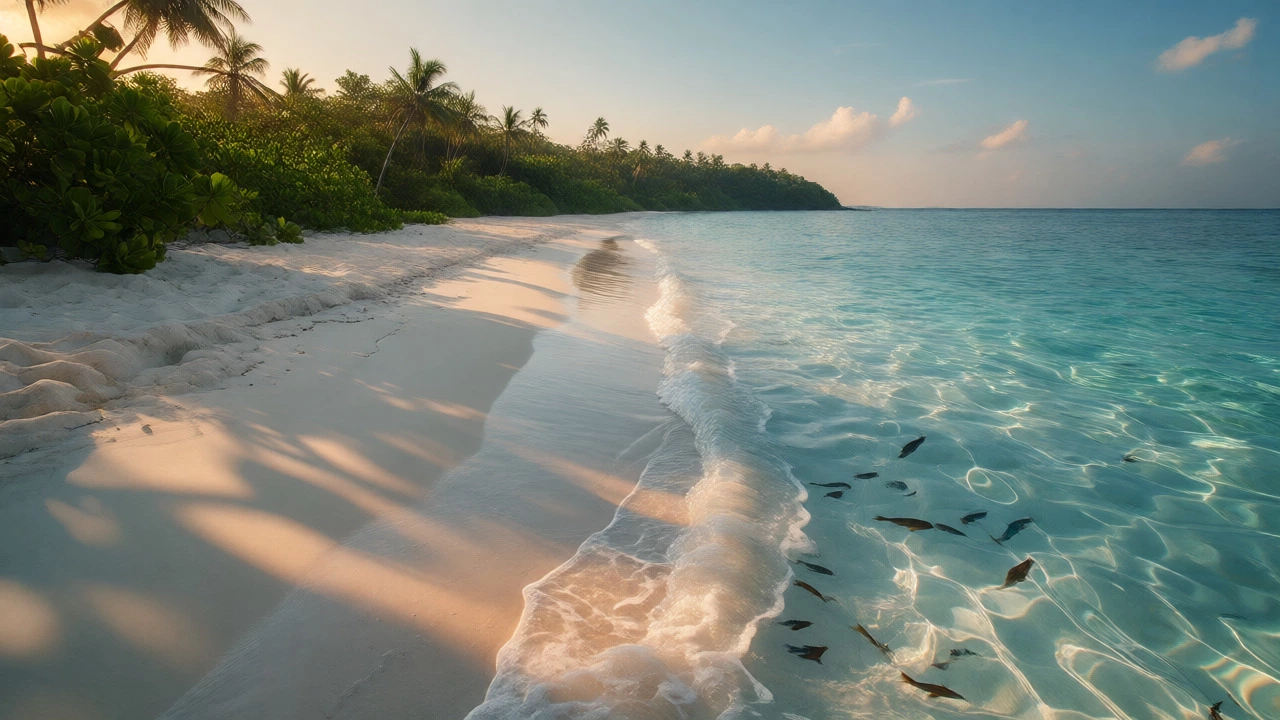
You are standing on white sand that feels like powdered sugar between your toes. The water is so clear you can count the fish darting around your ankles. No plastic bottles bobbing in the tide. No oil slicks shimmering under the sun. Just pure, unadulterated coastal beauty. Finding the cleanest beach in India isn't just about picking a pretty postcard; it's about finding places where environmental stewardship meets natural wonder.
India has a coastline stretching over 7,500 kilometers. That’s a lot of shoreline. But let’s be honest: many popular spots struggle with waste management. Tourists leave trash, local industries dump runoff, and monsoon rains wash debris onto the shore. So, when you ask which beach is truly clean, you’re asking for a sanctuary. You want a place where you can swim without worrying about what’s floating beside you, and where the breeze smells like salt, not sewage.
Defining "Clean" Beyond the Surface
Before we point to a map, we need to agree on what makes a beach "clean." It’s not just about picking up litter after the weekend crowd leaves. True cleanliness involves three critical layers: water quality, solid waste management, and ecological health.
Water quality is measured by fecal coliform counts. If those numbers are high, swimming becomes a gamble with your stomach. Solid waste management looks at whether the local municipality or community actively cleans the beach daily. Ecological health checks if coral reefs are alive and if mangroves are intact. A beach might look tidy because it’s fenced off, but if the ecosystem is dead, it’s not truly clean.
Why does Radhanagar top most lists? Because isolation helps. The Andaman islands have stricter regulations on construction and waste disposal than many mainland states. The sand here is fine and pale, and the water clarity is exceptional. But don’t assume every remote beach is clean. Some lack the infrastructure to handle even small crowds, leading to hidden pollution.
The Mainland Contenders: Where Does the Sand Stay White?
If flying to an island feels too far, mainland India still offers gems. These spots prove that with community effort and better policy, cleanliness is possible closer to home.
Varkala Beach, Kerala
Varkala isn’t just a beach; it’s a cliff-top phenomenon. The red cliffs protect the bay from strong winds, creating a calmer environment. What sets Varkala apart is its transformation. Ten years ago, it was a dumping ground. Today, thanks to local NGO pressure and municipal initiatives, it’s remarkably tidy.
The key here is active enforcement. Plastic bans are actually enforced. Street vendors use biodegradable packaging. While it’s never empty, the turnover of cleaning crews ensures the sand stays free of major debris. The water quality has improved significantly since wastewater treatment plants were upgraded in the early 2020s.
Gokarna Beaches, Karnataka
Gokarna offers multiple bays, each with its own character. Om Beach is famous for its shape, resembling the sacred symbol. Half Moon Beach requires a trek or boat ride, which acts as a natural filter for crowds. Fewer people mean less trash. This is a classic example of accessibility correlating with cleanliness. If you have to hike down a steep path, you’re likely carrying out whatever you carried in.
Karnataka’s coastal belt has seen mixed results, but Gokarna stands out because tourism there leans toward backpackers and spiritual seekers rather than mass package tours. These travelers tend to respect the environment more, and the local economy depends on keeping the vibe serene.
Palolem Beach, Goa
Goa gets a bad rap for garbage, and rightfully so. Panjim and Baga often suffer from poor waste management. However, Palolem, in South Goa, is different. It’s crescent-shaped, secluded, and managed with a higher degree of care. The shacks are set back from the high-tide line, reducing direct impact on the sand.
South Goa generally maintains cleaner beaches than North Goa simply because it’s less commercialized. Palolem’s calm waters make it ideal for kayaking, and operators here often run cleanup drives. It’s not perfect-plastic bags still appear after storms-but compared to Anjuna or Calangute, it’s a breath of fresh air.

Island Sanctuaries: The Gold Standard
When money and time allow, islands win. Why? Limited land area forces better resource management. There’s nowhere to hide the trash.
| Beach Name | Location | Water Clarity | Crowd Level | Best For |
|---|---|---|---|---|
| Radhanagar Beach | Havelock Island, Andamans | Excellent | Moderate | Swimming & Sunset |
| Elephanta Beach | Lakshadweep | Crystal Clear | Very Low | Diving & Isolation |
| Varkala Beach | Kerala | Good | High | Cliff Views & Yoga |
| Om Beach | Gokarna, Karnataka | Fair to Good | Moderate | Backpacking |
| Palolem Beach | South Goa | Good | Moderate | Calm Waters |
Lakshadweep’s Hidden Gems
Lakshadweep is India’s least visited archipelago. Why? Strict entry permits and limited flights. This restriction is a blessing for cleanliness. On Agatti and Bangaram islands, the coral reefs are protected zones. Fishing is regulated, and motorboats are limited. The result? Water so clear it looks unreal. If you want untouched nature, this is it. But remember, "clean" also means "remote." You won’t find luxury resorts everywhere, and supplies can be scarce.
What Makes a Beach Fail the Test?
It’s easy to list winners, but understanding losers helps you avoid disappointment. Mumbai’s Juhu Beach, despite its cultural fame, fails the cleanliness test regularly. High population density, industrial runoff from the Mithi River, and massive footfall create a toxic mix. Similarly, Chennai’s Marina Beach struggles with plastic waste during festivals.
A common misconception is that expensive resorts guarantee clean beaches. Not always. Some luxury properties have private access points that ignore public sanitation issues nearby. Always check recent traveler reviews from the last month. Weather events like cyclones can temporarily ruin even the cleanest beaches, washing up ocean debris. Timing matters.
Your Checklist for Choosing a Clean Beach
How do you verify cleanliness before booking? Don’t rely solely on old photos. Use these practical steps:
- Check Local News: Search for "beach cleanup [location] 2026" or "pollution report [state]." Recent articles reveal current conditions.
- Look for Blue Flag Certification: Globally, the Blue Flag award indicates high environmental standards. In India, some beaches are applying for this status. Look for signs indicating compliance with ISO standards.
- Read Recent Reviews: Filter travel forums for comments mentioning "trash," "smell," or "water quality." Ignore general praise; focus on specifics.
- Assess Accessibility: Hard-to-reach beaches are usually cleaner. If it’s a 2-hour drive from the nearest city, expect fewer tourists and less litter.
- Observe Local Practices: Are there dustbins? Are they full or overflowing? Do locals use cloth bags? These micro-signals tell you more than any brochure.
Sustainable Travel Tips for Cleaner Shores
You are part of the equation. Your behavior impacts the beach’s cleanliness. Here’s how to be a better guest:
- Carry Out Everything: Even biodegradable items like orange peels take months to decompose in marine environments. Pack them out.
- Choose Reef-Safe Sunscreen: Chemical sunscreens bleach coral. Opt for mineral-based options with zinc oxide.
- Support Eco-Certified Stalls: Buy food from vendors who use paper plates or reusable containers. Vote with your wallet.
- Avoid Single-Use Plastics: Carry a reusable water bottle. Many Indian beaches now offer refill stations.
- Respect Wildlife: Don’t touch turtles or nest eggs. Disturbance stresses animals and disrupts breeding cycles.
Choosing the cleanest beach in India is about balancing expectations with reality. Radhanagar remains the gold standard for international visitors willing to travel. For mainland ease, Varkala and Gokarna offer the best compromise between accessibility and hygiene. Lakshadweep provides the ultimate escape for divers and solitude seekers. Whichever you pick, go with a mindset of preservation. Leave only footprints, take only memories, and help keep these shores pristine for the next visitor.
Is Radhanagar Beach open year-round?
Yes, Radhanagar Beach is accessible throughout the year. However, the best time to visit is between October and May. During the monsoon season (June to September), heavy rains and rough seas can make swimming unsafe and reduce visibility, though the beach itself remains physically accessible.
Why are some Goan beaches dirtier than others?
North Goa beaches like Baga and Calangute suffer from high tourist density, inadequate waste management infrastructure, and proximity to urban centers with poor drainage. South Goa beaches like Palolem are less commercialized, have lower footfall, and benefit from stricter local enforcement of plastic bans, resulting in cleaner sands.
Do I need special permits for Lakshadweep beaches?
Yes, foreign nationals require a permit to enter Lakshadweep, while Indian citizens need a registration certificate. These permits are issued by the Administration of Lakshadweep and are intended to control tourist numbers and preserve the fragile ecosystem. Apply well in advance as slots are limited.
Is swimming safe at Varkala Beach?
Swimming is generally safe in designated areas marked by lifeguards. The sea can be rough due to its location on the Arabian Sea. Avoid swimming near the cliff edges where currents are stronger. Always heed local warnings and flags indicating water conditions.
What is the best way to reach Gokarna?
The nearest airport is Mangalore International Airport, about 140 km away. From there, you can hire a taxi or take a bus. Alternatively, Kudla Railway Station is the closest railhead, approximately 10 km from Gokarna. Regular buses connect major cities like Bangalore and Hyderabad to Gokarna.