Sabarimala Pilgrimage Readiness Checker
The Sabarimala pilgrimage is not just a walk; it's a 41-day vow followed by a strenuous mountain trek. Use this tool to gauge if you are prepared for the challenge.
Your Readiness Level
Calculating...Imagine walking barefoot for 41 days. Not on a smooth gym floor, but over rough gravel, through muddy trails, and up steep mountain paths while carrying heavy bundles of offerings. Now add strict dietary restrictions, no alcohol, no smoking, and waking up before dawn every single day to chant prayers. This isn't a punishment; it's a preparation. When people ask which is the hardest festival in India, most seasoned travelers and pilgrims point to one specific event: the Sabarimala pilgrimage in Kerala.
You might think Diwali is tough because of the crowds, or that Kumbh Mela is hard because of the sheer scale. But those are spectacles you watch or briefly participate in. The Sabarimala trek is a personal endurance test. It demands physical stamina, mental discipline, and spiritual focus from millions of devotees every year. If you're planning a trip to India's temples and want to understand the grit behind the glory, you need to look closely at this journey to Lord Ayyappa.
Why Sabarimala Takes the Crown
Sabarimala isn't just a destination; it's a process. Located in the Periyar Tiger Reserve in the Western Ghats of Kerala, the shrine sits atop a hill called Thirumala. To get there, you don't just buy a ticket and hop off a bus. You have to earn your way there through a rigorous vow known as Vratham.
The central entity here is Sabarimala Temple, dedicated to Lord Ayyappa, the deity who symbolizes the union of Shiva and Vishnu. Unlike many other Hindu shrines where access is relatively open, Sabarimala has unique entry rules that make the experience physically demanding. The temple opens only during specific periods, primarily between November and January, creating intense pressure on logistics and human endurance.
What makes it harder than, say, visiting Varanasi during Dev Deepawali? In Varanasi, you can stay in a hotel, eat rich food, and take a boat ride. At Sabarimala, the last few kilometers are often covered on foot, sometimes in rain or heat, with thousands of others doing the same. There are no luxury hotels right at the summit. You sleep in makeshift camps, share facilities with strangers, and rely on basic amenities provided by volunteer groups.
The 41-Day Vow: More Than Just a Walk
The difficulty starts long before you step onto the mountain. The core of the challenge is the 41-day Vratham. During this period, devotees must adhere to strict celibacy, abstain from alcohol, tobacco, and non-vegetarian food. They wear simple black or blue clothes, grow their hair uncut, and avoid shaving. This isn't just about religion; it's a psychological reset. For someone used to modern comforts, giving up these habits for six weeks is a massive lifestyle shock.
- Dietary Restrictions: No onions, garlic, or meat. Many devotees switch to a bland, satvic diet that feels restrictive if you love flavor.
- Social Isolation: Avoiding intimate relationships and keeping company with other devotees creates a bubble of solitude and reflection.
- Routine Discipline: Waking up at 4 AM for prayer, bathing in cold water, and maintaining cleanliness becomes a daily grind.
This preparation filters out casual tourists. You won't see many backpackers doing the full 41-day vow unless they are deeply committed. It turns the festival into an exclusive club of endurance. If you break the vow, you have to start over next year. That stakes high emotional investment into the physical act of traveling.
The Physical Trek: Mountains and Mud
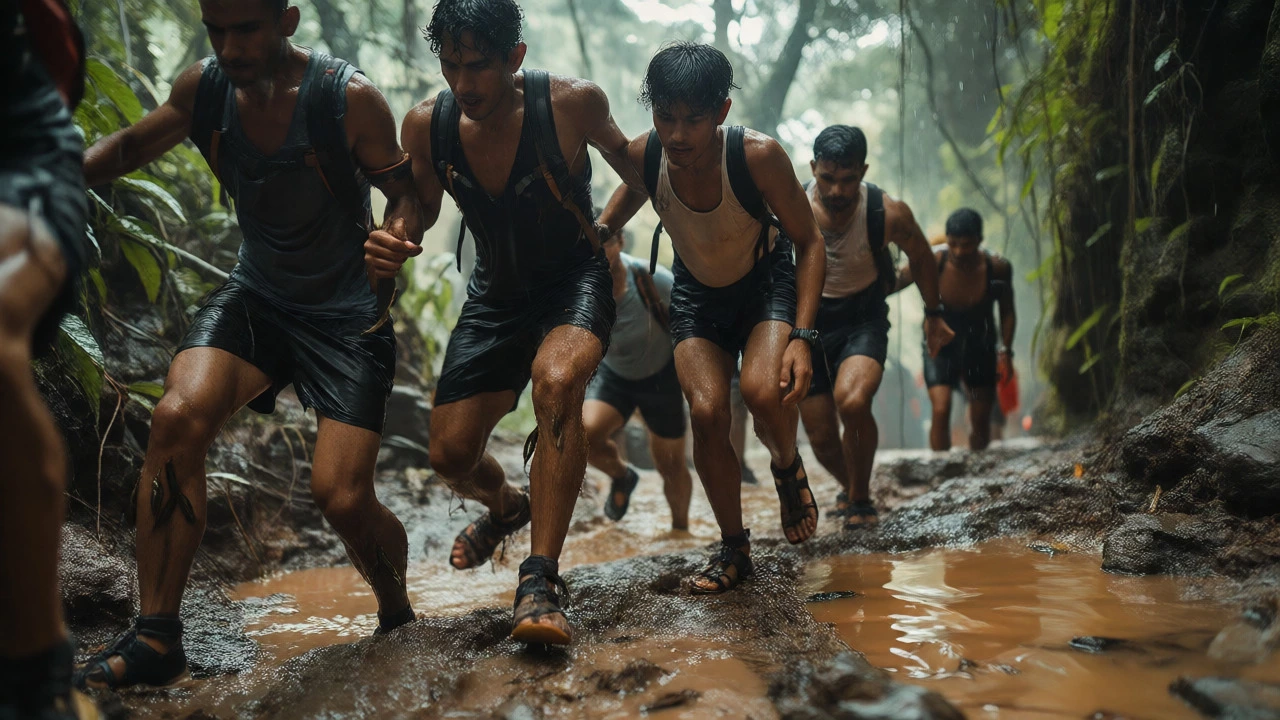
Once the 41 days are done, the real work begins. Most pilgrims travel to Erumeli, the starting point of the traditional trek. From there, the path winds through dense forests, crossing rivers and climbing steep inclines. The distance varies depending on the route chosen, but it’s rarely under 50 kilometers of significant elevation gain.
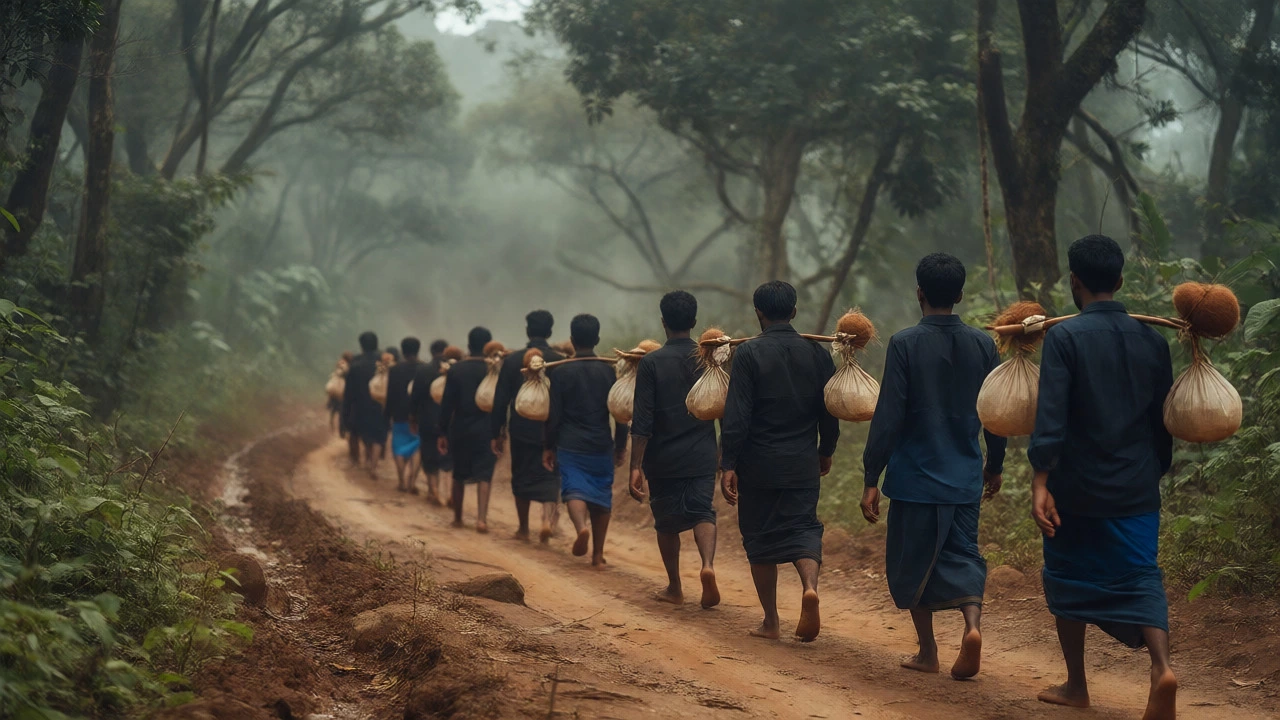
Consider the weather. The peak season coincides with the post-monsoon period. Trails can be slippery with mud. Leeches are common in the wetter sections. You carry an Irumudikkettu, a two-pouch bundle containing your offerings (coconut, jaggery, incense) and personal items. This bag weighs around 5 to 10 kilograms and must never touch the ground. Carrying that weight uphill for hours, barefoot or in simple sandals, tests your lower back and knees relentlessly.
| Feature | Sabarimala Pilgrimage | Kumbh Mela | Rath Yatra |
|---|---|---|---|
| Duration of Hardship | 41+ days (including prep) | Days to weeks (crowd management) | 9 days (pulling chariot) |
| Physical Terrain | Mountainous, forest trails | Flat riverbanks, dusty plains | Urban streets, flat terrain |
| Lodging Quality | Camps, ashrams, minimal comfort | Tents, temporary setups | Hotels available nearby |
| Dietary Control | Strict vegetarian/satvic | Flexible | Flexible |
| Primary Challenge | Endurance & Discipline | Crowd Safety | Heat & Exertion |
The table above highlights why Sabarimala stands apart. While Kumbh Mela has larger crowds, the individual hardship is lower. You can walk away from the crowd. At Sabarimala, you are committed to the trail. Once you start the climb, turning back means abandoning your vow.
Logistical Nightmares and Crowd Management
India handles large events well, but Sabarimala presents unique logistical puzzles. The temple is in a remote forest area. Roads are narrow. Traffic jams near Pampa, the base camp, can last for hours. Devotees often wait overnight just to board a shuttle bus up the hill.
Hygiene is another hurdle. Public toilets are available, but they are heavily used. Showers are communal. Sleeping arrangements range from concrete floors in mandaps (halls) to open-air tents. For a traveler accustomed to air conditioning and private bathrooms, this sensory overload-smells of sweat, incense, and damp earth mixed with noise-is overwhelming.
Security is tight due to past incidents and political tensions surrounding women's entry. Police presence is heavy. You’ll go through multiple checks. Patience is tested when lines stretch for kilometers. If you’re not mentally prepared for delays and discomfort, the joy of the darshan (viewing the deity) can feel overshadowed by frustration.
The Spiritual Payoff: Why People Do It
If it’s so hard, why do millions do it? The answer lies in the transformation. Completing the trek creates a profound sense of achievement. The shared suffering builds instant camaraderie among strangers. You bond with fellow pilgrims over shared meals and struggles. This community aspect softens the harshness of the conditions.
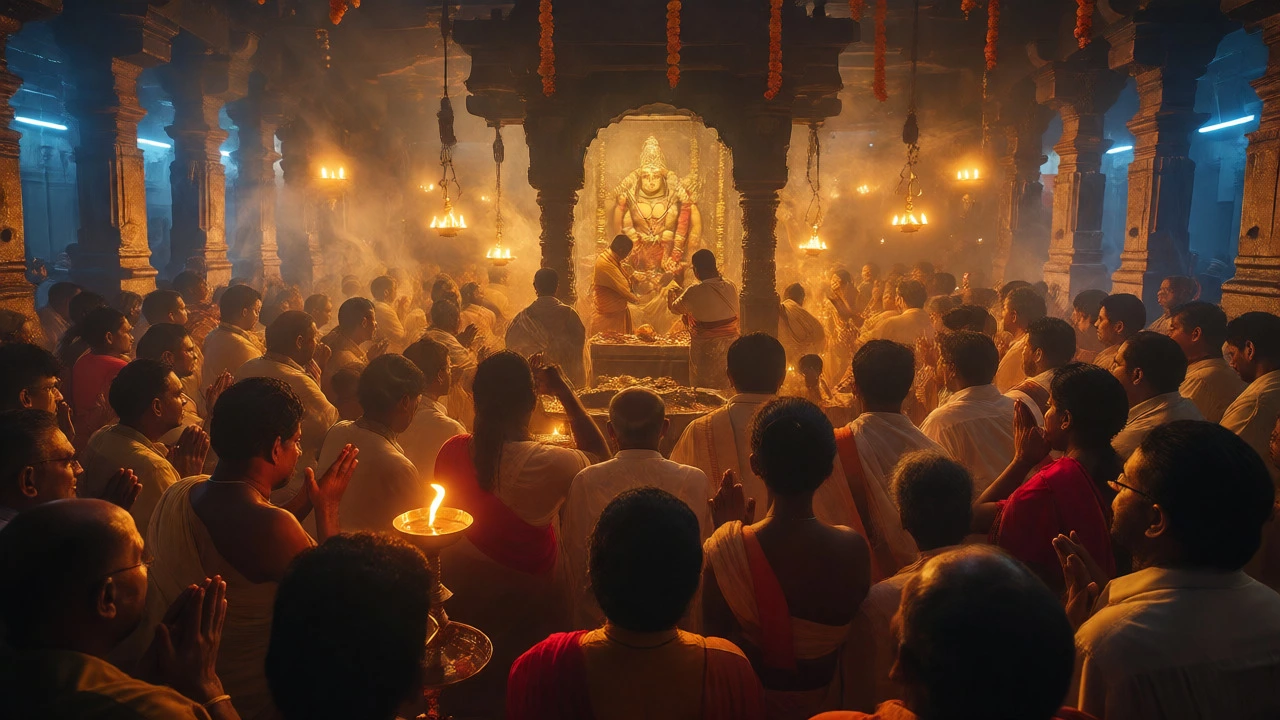
Reaching the sanctum sanctorum after weeks of discipline brings a clarity that’s hard to find elsewhere. The atmosphere inside the temple is electric yet serene. Chants of "Swamiye Saranam Ayyappa" echo off the walls. For many, the pain of the journey purifies the mind. It’s a form of moving meditation. The difficulty is the feature, not the bug. Without the struggle, the arrival wouldn’t feel earned.
Practical Tips for First-Time Visitors
If you plan to witness or participate in this festival, don’t underestimate the planning required. Here’s how to survive without losing your mind:
- Book Early: Accommodation in Erumeli and Pampa fills up months in advance. Look for trusted ashrams or government-run lodges.
- Pack Light: Your Irumudikkettu should be compact. Extra weight hurts on the climb.
- Foot Care: Break in your footwear before the trip. Blisters can end your trek prematurely. Carry antiseptic cream and bandages.
- Hydrate: Dehydration hits fast in the humid hills. Drink water frequently, even if you aren't thirsty.
- Respect the Rules: Understand the dress code and behavioral expectations. Wearing inappropriate clothes can lead to denial of entry.
Also, consider hiring a local guide if you’re new to trekking. They know the safe paths and shortcut spots. Don’t try to rush the schedule. The timeline is set by religious calendars, not tourist convenience.
Beyond Sabarimala: Honorable Mentions
While Sabarimala takes the top spot for overall difficulty, other festivals deserve mention for specific challenges. The Ganga Saptami involves holy dips in freezing water, testing thermal tolerance. The Thaipusam in Tamil Nadu features devotees piercing their bodies with hooks and lances, pushing pain thresholds to extreme levels. However, these are shorter bursts of intensity. Sabarimala is a marathon of sustained effort.
Another contender is the Kedarnath Dham Yatra in Uttarakhand. It involves a steep 16-kilometer trek at high altitude. The thin air adds respiratory stress. But unlike Sabarimala, there is no mandatory 41-day pre-vow. You can arrive fresh and start climbing. The lack of prolonged lifestyle disruption makes it less psychologically taxing, though physically similar in terms of leg strain.
Can tourists visit Sabarimala without taking the vow?
Yes, tourists can visit the temple premises without undergoing the full 41-day Vratham. However, they must still follow basic dress codes and respect the sanctity of the place. Note that women aged 10-50 face restrictions based on current legal interpretations and temple traditions, so check the latest guidelines before traveling.
Is the trek to Sabarimala dangerous?
It is physically demanding rather than inherently dangerous. Risks include slips on muddy trails, dehydration, and exhaustion. With proper footwear, pacing, and hydration, most healthy adults complete it safely. Medical camps are stationed along the route.
When is the best time to visit?
The main season runs from mid-November to mid-January. The busiest days are Makaravilakku (usually January 14th) and Vijayadashami. For fewer crowds, aim for weekdays in late November or early December, though weather may be rainier.
What should I pack for the pilgrimage?
Pack light clothing (black/blue), sturdy sandals, a small torch, ID proof, and basic medicines. Avoid valuables. Keep your documents in a waterproof pouch. Since laundry facilities are scarce, bring enough changes of clothes for the duration of your stay.
Are there age restrictions for the trek?
There is no official upper age limit, but elderly devotees often use palanquins or vehicles for parts of the route. Children under 10 usually accompany parents. Those with heart conditions or severe joint issues should consult a doctor before attempting the full trek.