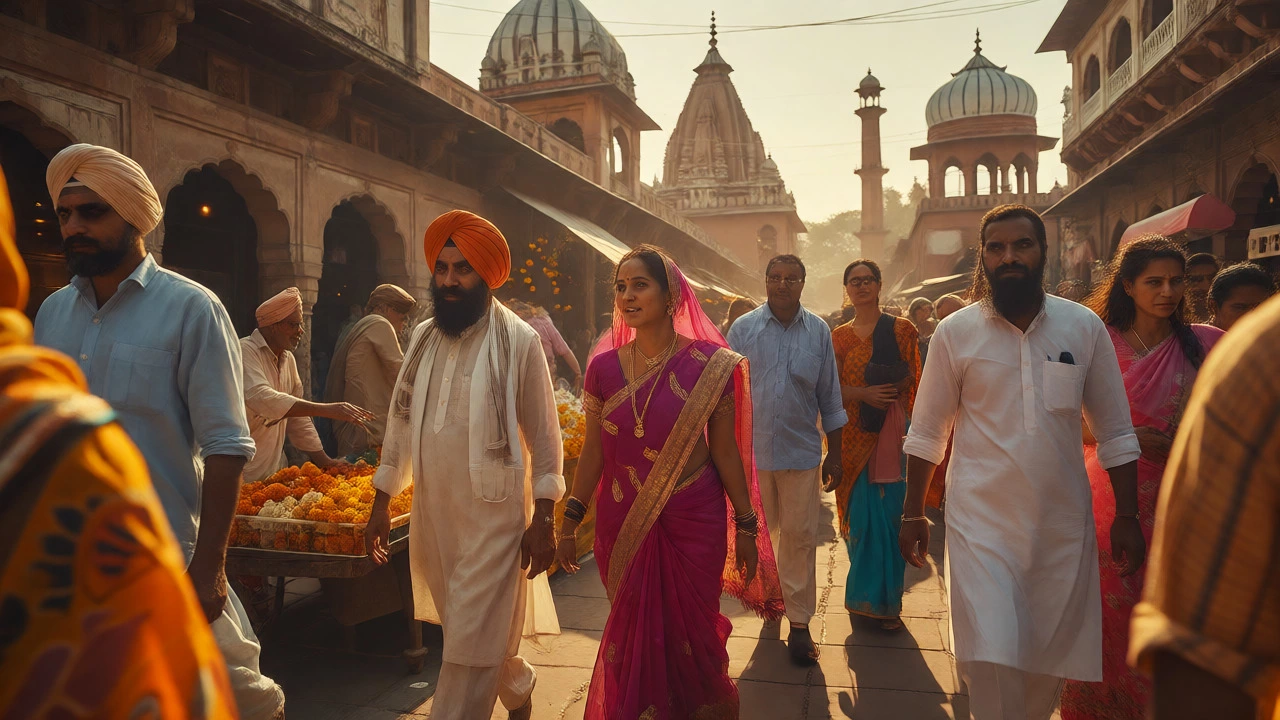
Indian Cultural Identity Explorer
Select a region below to discover how local ethnicity (culture, language, food) differs from the unified nationality (legal citizenship). Remember: One Flag, Many Peoples.
You’re sitting in a cafe in Delhi, and the person next to you speaks Tamil, eats biryani, and prays at a Hindu temple. Are they "Indian" in the way you think of being "American" or "French"? This is where things get messy. For most of the world, nationality equals ethnicity. You are French because you have French blood and culture. But India is different. It’s not a nation-state built on one ethnic group. It’s a civilizational state holding together thousands of distinct identities under one flag.
If you’re planning a trip here, getting this distinction right changes how you see everything. Why does food change every 100 kilometers? Why do languages shift mid-conversation? The answer lies in the gap between what it means to be an Indian citizen and what it means to belong to an Indian ethnic group. Let’s clear up the confusion so your next visit feels less like sightseeing and more like understanding.
The Core Difference: One Flag, Many Peoples
Start with the basics. Nationality is a legal status. If you hold an Indian passport, you are Indian. Period. It doesn’t matter if your ancestors came from Kashmir, Kerala, or Kolkata. The Constitution grants you rights, duties, and a single civic identity. This is the glue that holds the country together.
Ethnicity, however, is about heritage. It’s the language you dream in, the festivals you celebrate, the clothes you wear, and the food your grandmother cooked. In India, there isn’t one "Indian ethnicity." There are hundreds. The Tamil people in the south share almost no genetic or cultural overlap with the Punjabi people in the north, yet both are fiercely proud of their Indian nationality.
Think of it like a large family reunion. Everyone shares the same last name (nationality), but everyone has different hobbies, diets, and personalities (ethnicity). When tourists ask, "What is the Indian culture?", they’re asking for a singular thing that doesn’t exist. They’re looking for a monolith where there’s actually a mosaic.
Why This Matters for Cultural Tourism
Understanding this split saves you from major travel blunders. Imagine walking into a Sikh Gurdwara in Amritsar wearing shorts. You might feel fine, but local customs-rooted in Punjabi ethnic norms-expect modesty. Or consider dining in a Jain household in Gujarat. Their strict vegetarianism isn’t just a diet; it’s tied to specific religious-ethnic practices distinct from mainstream Hindu traditions elsewhere.
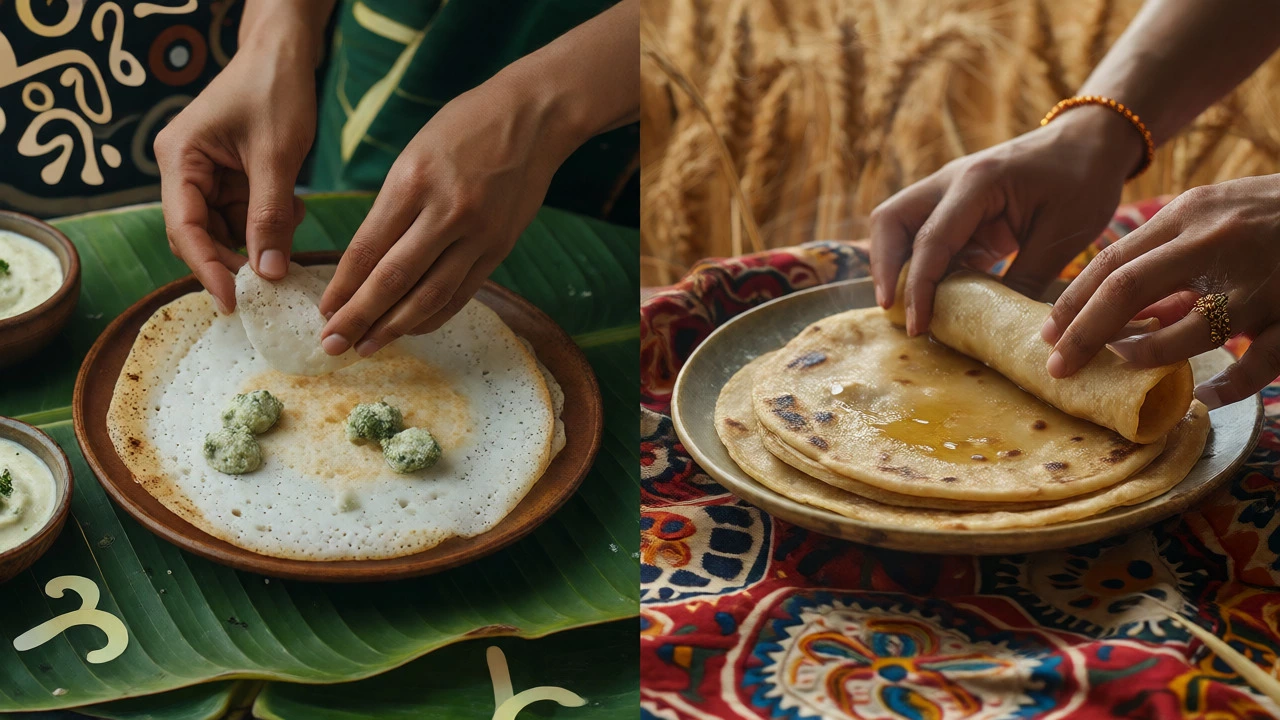
When you view India through the lens of ethnicity rather than just nationality, you start to respect regional nuances. You realize that "North Indian food" isn’t just "Indian food." It’s specifically Punjabi, Rajasthani, or Kashmiri cuisine. The heavy use of ghee and wheat belongs to the cold northern plains, while the rice-heavy, coconut-based dishes belong to the humid southern coast. Treating them as interchangeable insults the host culture.
| Feature | Indian Nationality | Indian Ethnicity |
|---|---|---|
| Definition | Legal citizenship by birth or naturalization | Cultural, linguistic, and ancestral heritage |
| Scope | Single unified identity across the country | Thousands of distinct groups (e.g., Bengali, Marathi, Telugu) |
| Language | Hindi and English are official central languages | 22 scheduled languages + hundreds of dialects spoken locally |
| Festivals | National holidays like Independence Day | Regional events like Pongal (South) or Bihu (Northeast) |
| Food | No single national dish | Highly localized cuisines based on geography and caste/community |
The Linguistic Reality Check
Language is the biggest tell. If India were ethnically homogeneous, everyone would speak Hindi. They don’t. Hindi is widely understood in the north, but in Tamil Nadu, many people prefer English over Hindi for business. In the Northeast, tribes speak Tibeto-Burman languages completely unrelated to Sanskrit-based tongues.
This isn’t resistance; it’s preservation. Each linguistic group protects its literary history. A Tamil scholar sees their language as older than Latin, with a continuous tradition of poetry spanning two millennia. A Bengali writer takes pride in Rabindranath Tagore’s Nobel Prize-winning works. These aren’t just dialects; they are entire civilizations within the nation.
For travelers, this means learning three words in the local language goes further than speaking broken Hindi everywhere. Saying "Nandri" (Thank you) in Tamil earns you a smile in Chennai that "Shukriya" might not. It shows you recognize their specific ethnic identity, not just their generic nationality.
Religion and Ethnicity: The Overlap
In many countries, religion defines ethnicity. In India, it’s complicated. Most Indians are Hindu, but Hinduism itself varies wildly by region. A Hindu in Varanasi worships differently than a Hindu in Bali (yes, Indonesian Hindus trace roots back to Indian migration) or a Hindu in Nepal.
Then you have communities where religion and ethnicity are fused. Muslims in India are ethnically diverse-some are descendants of Arab traders, others of Central Asian invaders, and many are converts from local castes. Yet, they share a common religious identity that cuts across ethnic lines. Similarly, Christians in Kerala claim descent from St. Thomas the Apostle, giving them a unique ethnic-religious identity distinct from Christians in Goa, who have Portuguese colonial roots.
Don’t assume all Hindus eat the same food or dress the same way. Don’t assume all Muslims look alike. The diversity within religions mirrors the diversity of the nation. Recognizing this prevents stereotyping and opens doors to deeper conversations with locals.
How to Navigate Identity as a Tourist
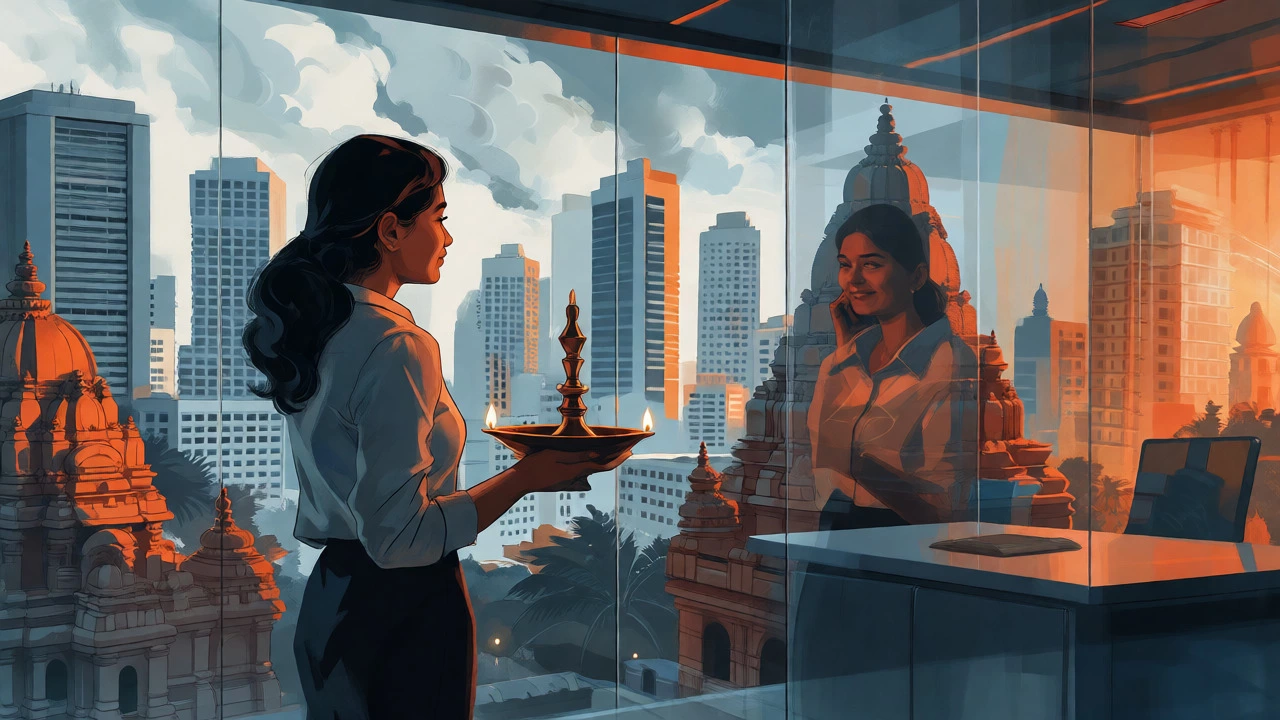
So, how do you apply this? First, drop the idea of "typical Indian." There is no typical Indian. Instead, focus on the region you’re visiting. If you’re in Rajasthan, engage with Rajput traditions. If you’re in West Bengal, appreciate the intellectual and artistic culture of the Bengalis.
- Ask, don’t assume: Instead of saying "You must love curry," try "I’d love to know what dish your family cooks for special occasions."
- Respect local dress codes: What’s acceptable in Mumbai beaches might be offensive in rural temples. Observe what locals wear before dressing up.
- Learn the greeting: Use the local word for hello. "Namaste" is universal, but "Vanakkam" (Tamil) or "Sat Sri Akal" (Punjabi) builds instant rapport.
- Understand hospitality norms: In some ethnic groups, refusing food is rude. In others, accepting too much can be awkward. Read the room.
Remember, Indians are incredibly proud of their diversity. They don’t see it as fragmentation; they see it as strength. When you acknowledge their specific heritage, you’re validating their contribution to the larger national story.
The Diaspora Perspective
It gets trickier when you meet Indians abroad. An Indian-American might identify strongly with their Gujarati roots, celebrating Navratri with traditional Garba dances, while simultaneously feeling fully American. This dual identity is common among the diaspora. They maintain ethnic ties through food and festivals but operate within a Western national framework.
This reflects back on India too. The concept of "Indianness" is evolving. Young urbanites in Bangalore might blend global pop culture with Kannada traditions. They are creating new hybrid ethnicities. So, when you visit, expect fluidity. Culture isn’t frozen in time. It’s alive, adapting, and constantly negotiating between the old ethnic roots and the modern national identity.
Can someone be Indian without being ethnically Indian?
Yes. Nationality is legal. A person born in India to foreign parents can acquire citizenship. Conversely, people of Indian ancestry living abroad (like in Fiji or Mauritius) may retain cultural ties but hold different passports. Ethnicity is about heritage, which can persist even without citizenship.
Why do Indians speak so many different languages?
Because India was never a single unified empire for long periods. Different regions developed distinct cultures, languages, and scripts over thousands of years. The British unified administration, but didn't erase these deep-rooted ethnic linguistic differences. Today, states are often organized along linguistic lines to preserve these identities.
Is Hindi the national language of India?
Technically, no. India has no designated "national language." Hindi and English are the official languages of the central government. However, each state can choose its own official language(s). This ensures that non-Hindi speakers aren't marginalized, respecting the multi-ethnic nature of the nation.
Do all Indians practice Hinduism?
No. While Hinduism is the majority religion, India is home to significant populations of Muslims, Christians, Sikhs, Buddhists, Jains, and Zoroastrians. Religious affiliation often correlates with specific ethnic communities, such as Sikhs in Punjab or Parsis in Mumbai, adding another layer to the ethnic-nationality distinction.
How should tourists address locals respectfully?
Use formal titles like "Sir" or "Madam" initially. "Bhai" (brother) or "Didi" (sister) are friendly but informal, best used after establishing rapport. Always observe body language. In conservative areas, avoid physical contact unless initiated by the local. Showing interest in their specific regional culture is always appreciated.