India Banana Safety Checker
Select where you are buying your banana and your current hygiene status to see your risk level for "Delhi Belly" or other stomach issues.
Please select your source and hygiene habits above to get specific advice.
Specific Advice for Your Scenario:
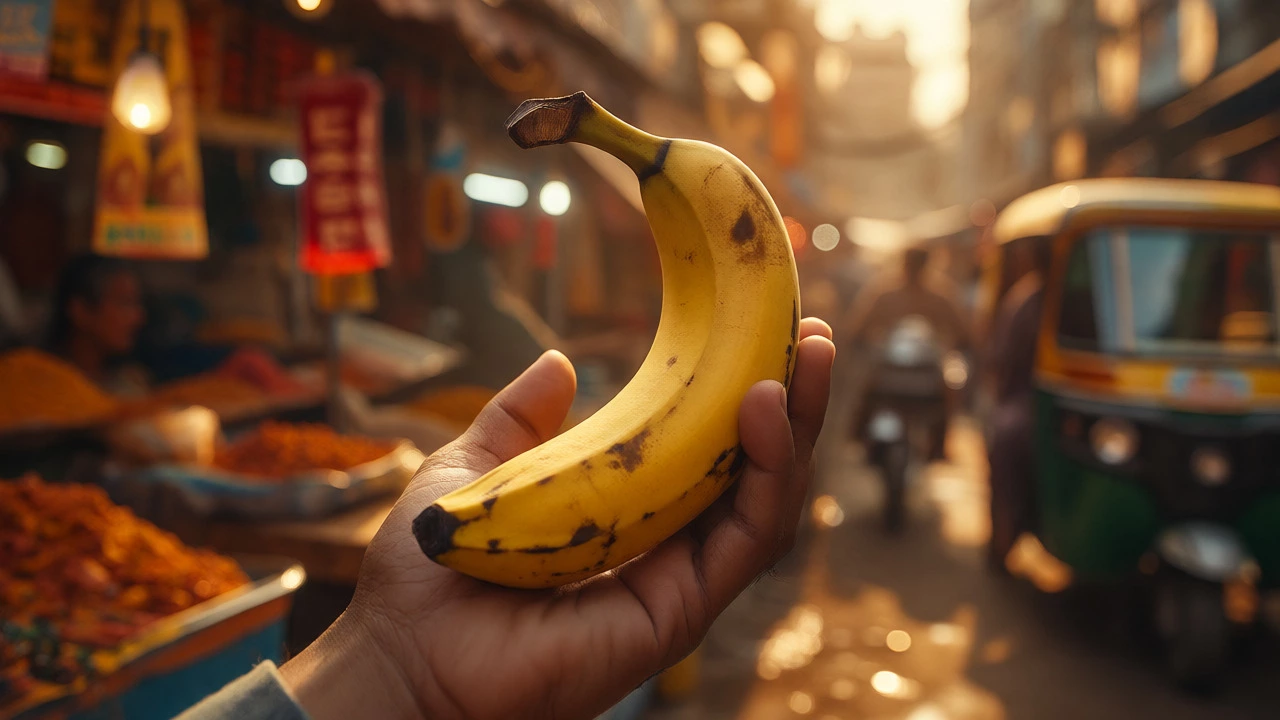
You’re standing on a busy street corner in Delhi or Mumbai. The air smells of spices and exhaust. A vendor offers you a ripe banana for five rupees. It looks perfect-yellow, sweet, and ready to peel. But your stomach tightens with that familiar traveler’s anxiety: Is this actually safe?
The short answer is yes, bananas are generally one of the safest fruits you can eat in India. Unlike berries or grapes that require washing, the banana’s thick skin acts as a natural barrier against bacteria and parasites. However, "safe" doesn't mean "risk-free." There are specific nuances regarding how they are sold, where they come from, and what else might be lurking on that peel. If you’re planning a trip to India and want to enjoy local produce without spending your vacation in a bathroom stall, here is exactly what you need to know.
The Natural Shield: Why Bananas Are Low-Risk
Bananas are a tropical fruit known for their high potassium content and protective peel. In the context of travel health, this peel is your best friend. Most waterborne illnesses in India, such as Giardia or Cryptosporidium, are transmitted through contaminated water used to wash produce. Since you don’t wash a banana before peeling it (and shouldn’t), the risk of ingesting pathogens directly from the fruit flesh is incredibly low compared to apples, strawberries, or guavas.
India is the world’s largest producer of bananas, growing over 30 million tons annually. This abundance means bananas are fresh, cheap, and available everywhere. From the lush hills of Kerala to the plains of Uttar Pradesh, you’ll find varieties like the Robusta, Nendran, and Red Banana. Each has its own culinary use, but all share that same protective outer layer. When you buy a banana from a reputable source, you are essentially buying a sterile package that nature designed to keep the inside clean.
The Hidden Danger: What’s On the Peel?
While the inside of the banana is safe, the outside is another story. Street vendors handle money, touch cart wheels, and wipe sweat off their foreheads with the same hands that pick up your fruit. Studies on street food hygiene in major Indian cities have found traces of E. coli and Staphylococcus aureus on the surfaces of unwashed fruits. This isn’t because the fruit is rotten; it’s because the environment is dirty.
If you peel the banana with bare hands after touching the contaminated peel, you transfer those bacteria to your fingers, which then go into your mouth. This cross-contamination is the primary way travelers get sick from seemingly safe foods. Additionally, some vendors may spray pesticides to keep the fruit looking yellow and fresh longer. While residue levels are usually within legal limits, sensitive stomachs might react to these chemicals if not washed off properly.
| Sourcing Location | Risk Level | Primary Concern | Recommended Action |
|---|---|---|---|
| Supermarkets (Big Bazaar, Reliance) | Low | Pesticide residue on peel | Wash peel with bottled water before peeling |
| Hotel Buffets | Very Low | Minimal | Safe to eat directly |
| Street Carts (Busy Areas) | Moderate | Bacterial contamination on peel | Use hand sanitizer before peeling; avoid cut fruit |
| Local Markets (Mandi) | Moderate-High | Dust, handling, potential flies | Peel carefully; discard first slice if concerned |
Cut Fruit vs. Whole Bananas: Know the Difference
Never confuse a whole banana with cut fruit served at a juice stall. You might see bowls of sliced bananas sitting under glass cases, sometimes mixed with milk, sugar, or other fruits. This is where things get risky. Once the protective seal of the peel is broken, the flesh is exposed to air, flies, and unsterilized knives.
In many parts of India, Cut Fruit is fresh fruit sliced and served immediately, often without refrigeration. If a vendor uses tap water to rinse the knife or the bowl, you are drinking that water indirectly. Tap water in many Indian cities is not potable for tourists due to varying mineral contents and potential microbial loads. Stick to whole bananas that you peel yourself. If you crave a banana shake, ensure it is made with boiled or packaged milk and prepared in front of you with clean utensils.
Hygiene Hacks for the Anxious Traveler
You don’t need to carry a portable sink to stay healthy. Simple habits can mitigate almost all risks associated with eating street-side bananas. Here is a practical checklist to keep your gut happy:
- The Sanitizer Rule: Always apply alcohol-based hand sanitizer to your hands before touching the banana peel. Let it dry completely. Then peel the banana. Do not touch the inner flesh with your sanitized fingers until you’ve peeled it away.
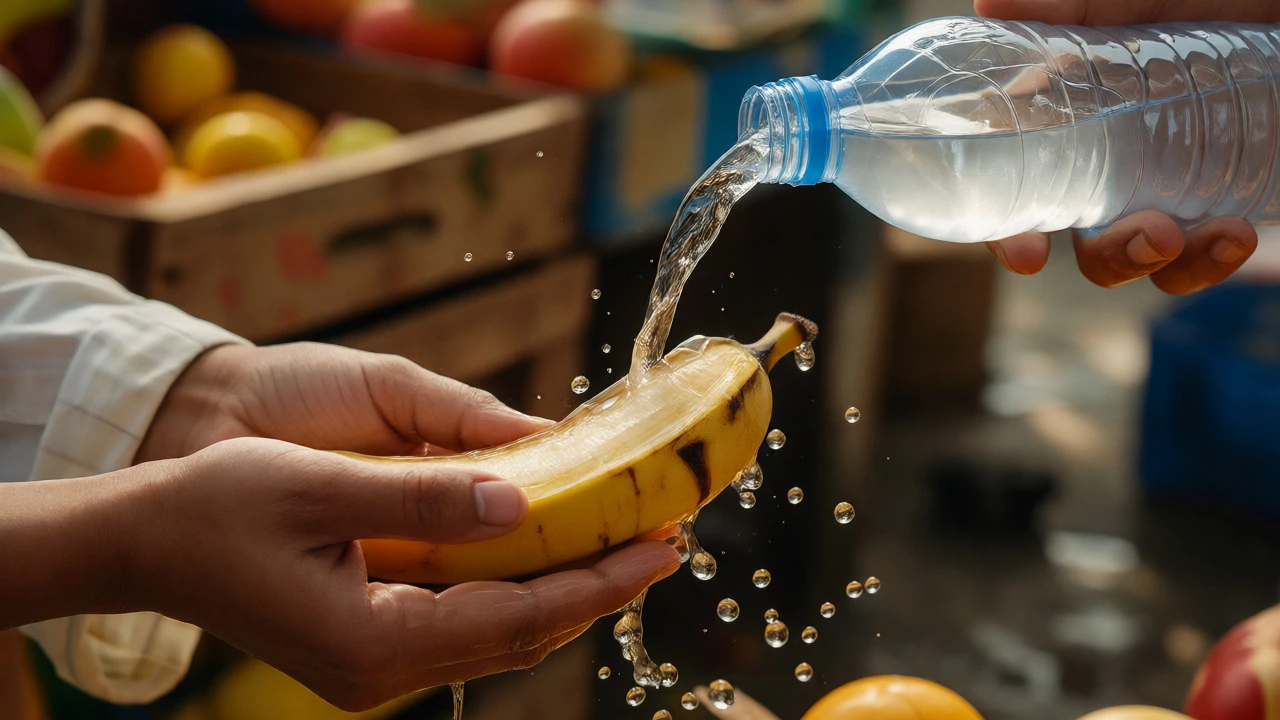
- The Bottled Water Rinse: If you are buying from a market rather than a sealed supermarket, take a sip of bottled water and pour it over the peel while holding the banana over a bin or the ground. This rinses off dust and surface bacteria. Dry it with a tissue before peeling.
- Avoid Pre-Peeled Fruits: Some vendors sell bananas that have already been peeled and wrapped in plastic or left open. Avoid these unless you trust the vendor explicitly. The exposure time is unknown.
- Check for Bruising: Heavily bruised or blackened spots can indicate internal rotting or fermentation, which might upset a sensitive stomach even if bacteria aren’t present. Choose firm, bright yellow bananas.
Regional Varieties and Cultural Context
Eating bananas in India is also a cultural experience. In South India, particularly in Tamil Nadu and Kerala, bananas are a staple meal component. You’ll encounter the Nendran Banana, a starchy variety typically cooked rather than eaten raw. Eating a raw Nendran might give you digestive trouble simply because it’s hard to digest when unripe. Ensure you are getting a sweet, dessert-type banana (like the Cavendish or Robusta) if you intend to eat it raw.
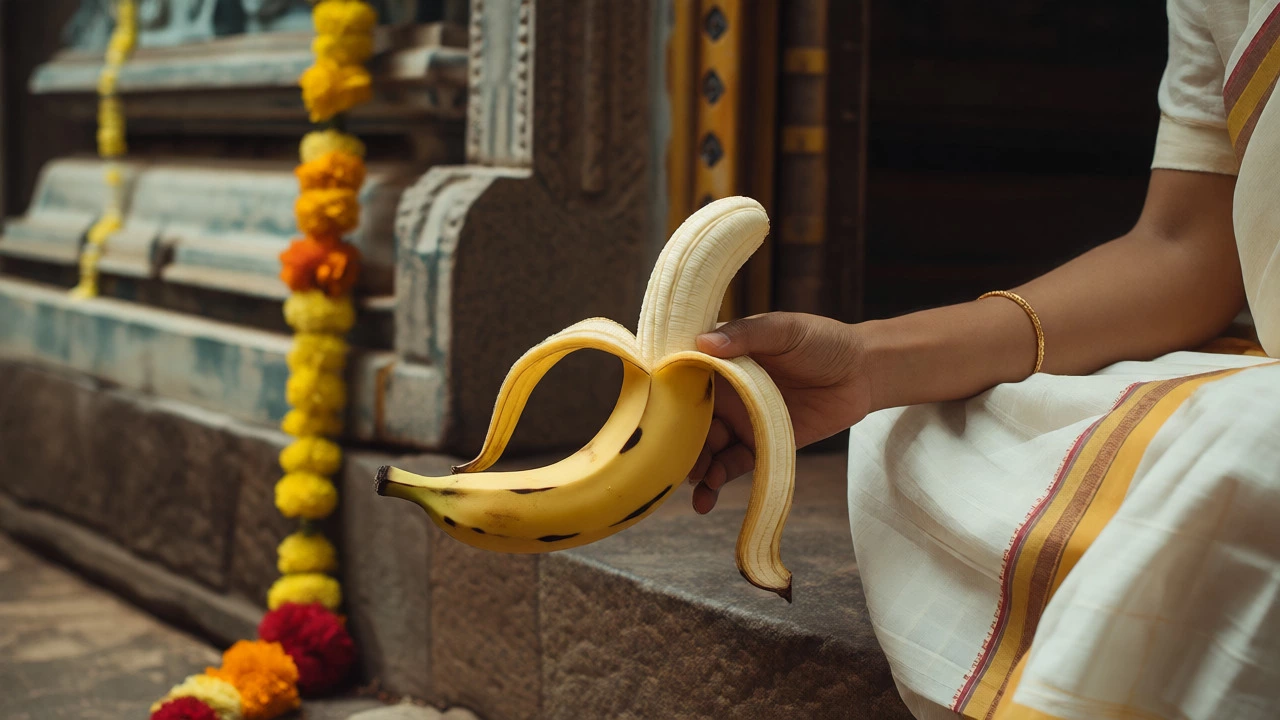
In North India, bananas are commonly offered as Prasad (religious offering) in temples. These are usually fresh and handled with ritual cleanliness, making them quite safe. However, if the offering has been sitting out in the heat for hours, texture changes might occur. Trust your senses-if it smells fermented or feels mushy, skip it.
When to Say No: Signs of Unsafe Food
Even with precautions, sometimes you should walk away. Watch out for bananas that look artificially glossy. Vendors sometimes rub oil or wax on the skin to make old fruit look shiny. While not necessarily toxic, it’s a sign the fruit isn’t fresh. Also, be wary during peak summer months (April-June). High temperatures accelerate bacterial growth. A banana sitting in direct sunlight on a cart for six hours is less appealing than one stored in a cool shade.
If you have a history of Irritable Bowel Syndrome (IBS) or a very sensitive stomach, consider sticking to supermarkets where cold chains are maintained. Chains like BigBasket or Amazon Fresh deliver fruits that are inspected and packed hygienically. For most travelers, however, the street-corner banana is a delicious, safe, and authentic part of the Indian culinary landscape.
Do I need to wash the banana peel before peeling it in India?
Ideally, yes. While the flesh is protected, the peel can carry dirt, bacteria, and pesticide residues from handling. Using bottled water to rinse the peel or wiping it with a disinfectant wipe reduces the risk of transferring contaminants to your hands and subsequently to your mouth.
Is it safe to eat banana shakes from street vendors?
It depends on the ingredients. Milk must be pasteurized or boiled, and ice should be made from filtered or bottled water. Many roadside stalls use tap water for ice, which can cause illness. If you see the vendor using sealed packets of Amul or Mother Dairy milk and no visible ice cubes, it is likely safer.
Why do some bananas taste different in India?
India grows hundreds of banana varieties. The common Western Cavendish is available, but you will also encounter smaller, sweeter varieties like the 'Poovan' or starchier ones like 'Nendran'. Differences in soil composition, ripeness at harvest, and transport methods also affect flavor and texture.
Can I get 'Delhi Belly' from eating a banana?
It is rare to get 'Delhi Belly' (traveler's diarrhea) solely from the banana flesh itself. Illness usually comes from cross-contamination via dirty hands, contaminated cutting boards (for cut fruit), or consuming pre-peeled fruit that was exposed to flies and dust. Peeling it yourself significantly lowers this risk.
Are organic bananas necessary in India?
Not strictly necessary for safety, but beneficial if you are concerned about pesticide residues. Conventional bananas in India are heavily sprayed. If you plan to eat the peel (rare) or have a chemical sensitivity, look for 'Organic' labeled packs in premium supermarkets like Nature's Basket or specialized online grocers.