North India Trip Planner
Answer three simple questions to find your ideal travel window in North India.
Recommended Travel Window
Weather Expectation
Logistics Warning
Planning a trip to North India is less about picking a single "perfect" month and more about matching your tolerance for heat or cold with what you actually want to see. If you are chasing the golden dunes of Rajasthan, July will melt your plans faster than ice cream in an oven. But if you are dreaming of snow-capped peaks in Ladakh, that same July is prime season. The region is massive, stretching from the arid Thar Desert to the high-altitude Himalayas, so the answer depends entirely on your itinerary.
Most travelers land on the standard advice: October to March is the sweet spot. And yes, it works for 80% of tourists. But this blanket statement ignores the reality that December in Delhi can drop to 2°C, making early morning temple visits miserable if you aren't prepared. Meanwhile, April sees temperatures soaring past 40°C in Jaipur, turning sightseeing into a sweaty endurance test. So, how do you navigate this? Let's break down the seasons by what they offer and who they suit best.
The Golden Window: October to March
This period is universally recommended for good reason. After the monsoon rains wash away the dust, the air clears up, and the landscape turns vibrant green before settling into dry, crisp conditions. For first-time visitors wanting to cover the Golden Triangle (Delhi, Agra, and Jaipur), this is the safest bet.
October and November are arguably the most comfortable months. Daytime temperatures hover between 25°C and 30°C, which is perfect for walking around forts and palaces without needing a hydration break every ten minutes. The humidity drops significantly after September, making outdoor dining and night markets in cities like Chandigarh or Amritsar genuinely enjoyable. Plus, you catch the tail end of major festivals like Diwali (dates vary, usually Oct-Nov), adding a cultural layer to your trip that feels authentic rather than staged.
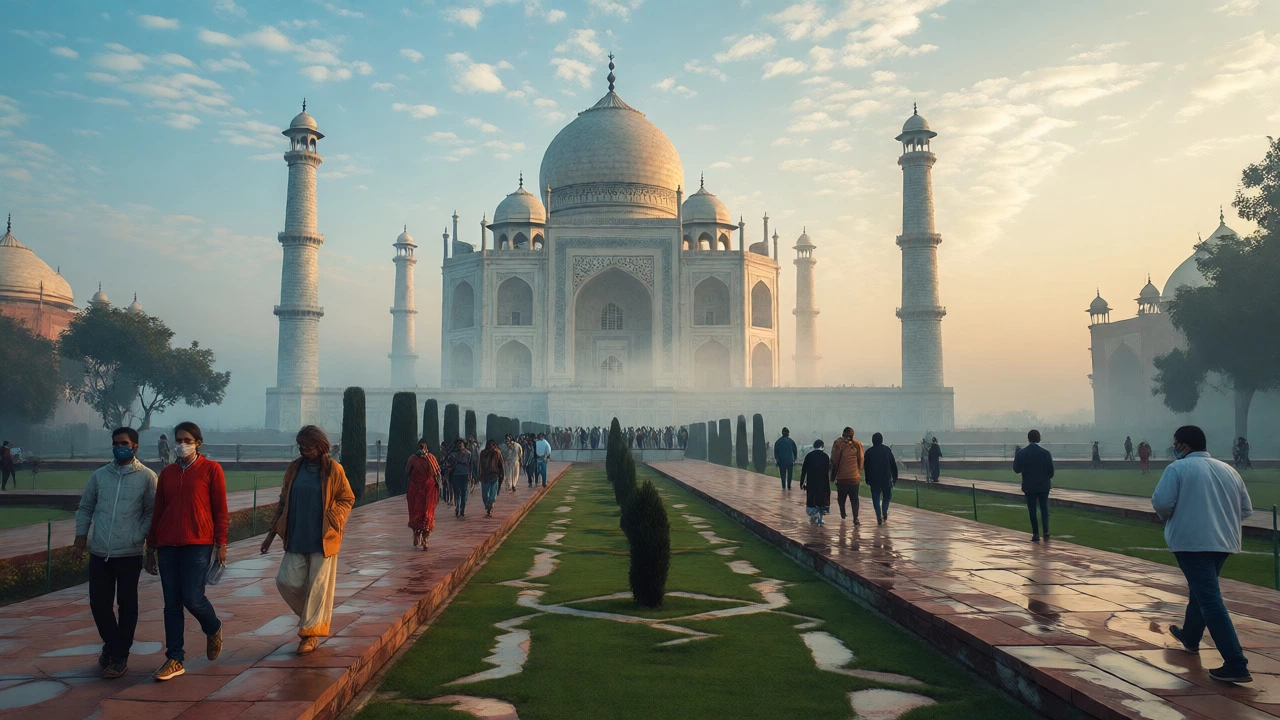
However, winter brings its own challenges. From December to February, the northern plains get foggy. In Delhi and Agra, dense smog combined with natural fog can reduce visibility to under 100 meters in the mornings. This isn't just an inconvenience; it delays trains and flights regularly. If you are visiting the Taj Mahal at sunrise, bring a mask and dress in layers. The cold is damp and bites through light jackets. But once the sun rises and burns off the haze, the light is soft and ideal for photography.
Summer Heat: April to June
Let's be honest: summer in the plains of North India is brutal. By May, Jaipur and Jodhpur often hit 45°C. Walking through Amber Fort at noon is not romantic; it's a heatstroke risk. Most local residents retreat indoors between 11 AM and 4 PM. If you must travel during these months, you need a strategy.
First, adjust your schedule. Sightseeing happens at dawn and dusk. Use midday for museum visits, indoor shopping, or long lunch breaks. Second, consider heading north. While the plains bake, the hill stations like Shimla, Manali, and Mussoorie remain pleasant, with temperatures rarely exceeding 25°C. These towns become escape routes for locals and tourists alike, so expect crowds and higher hotel prices in May and June.
There is a silver lining for wildlife enthusiasts. Summer forces animals to congregate around water sources, making sightings easier in parks like Ranthambore or Sariska. The lack of foliage also improves visibility. Just pack lightweight cottons, a wide-brimmed hat, and SPF 50 sunscreen. Hydration isn't optional here; it's survival.
The Monsoon Factor: July to September
Many travelers fear the monsoon, but it transforms North India into something magical-if you know where to go. The rain arrives in waves, typically peaking in July and August. In the plains, it brings relief from the heat but also flooding and logistical chaos. Roads in Rajasthan might get muddy, and some rural areas become inaccessible.
But head to the foothills of the Himalayas, and the story changes. Places like McLeod Ganj, Dharamshala, and parts of Uttarakhand come alive with lush greenery. The air smells of wet earth and pine. Trekking trails in Himachal Pradesh are open and spectacular, provided you check daily weather updates for landslide risks. Landslides are the primary danger here, occasionally blocking highways for days. Always build buffer days into your itinerary if traveling by road during this season.
For photographers, the monsoon offers dramatic skies and reflections. The Taj Mahal reflected in puddles after a sudden downpour is a shot many pros chase. Just be prepared for intermittent heavy showers. Umbrellas are useless against horizontal rain; invest in a good quality raincoat and waterproof footwear.
High Altitude Special: Ladakh and Spiti Valley
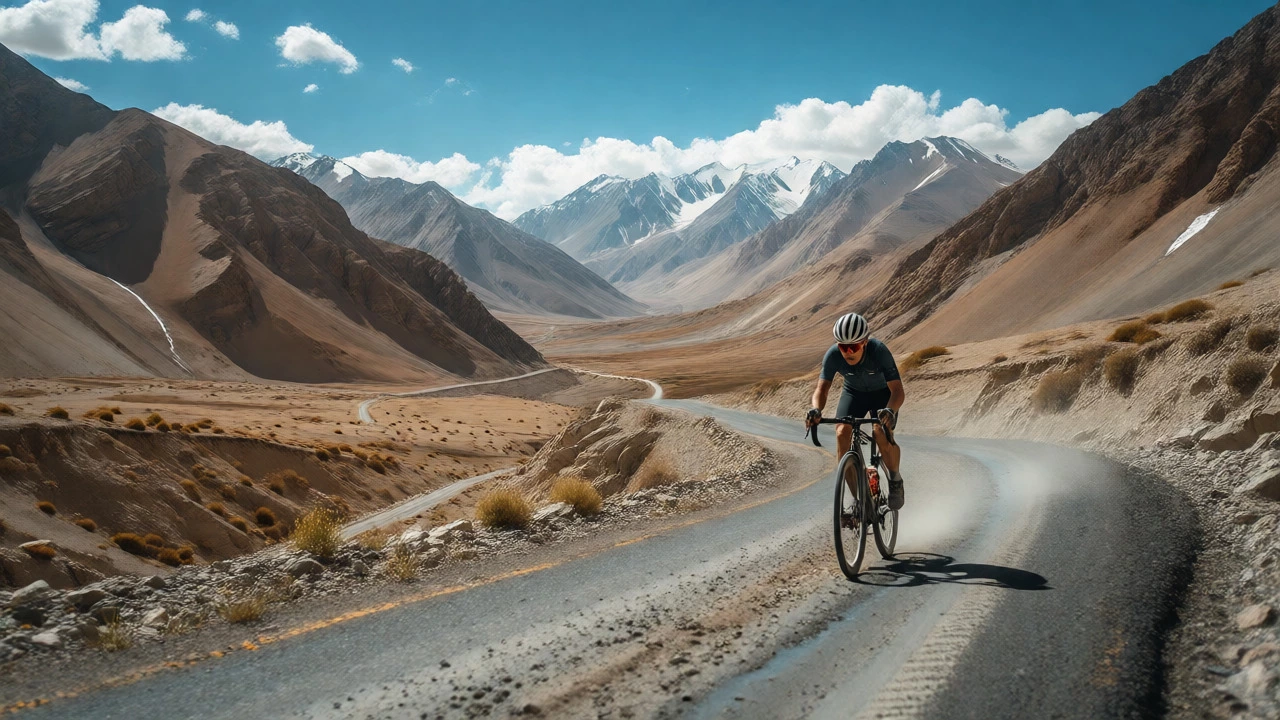
If your goal is the high desert landscapes of Ladakh or the remote villages of Spiti Valley, ignore the general "winter is best" rule. These regions are cut off by snow from November to April. The roads close completely. You cannot drive there, and access is limited to flights, which are expensive and weather-dependent.
The window for visiting Ladakh and Spiti is strictly June to September. During these months, temperatures are mild (15°C to 25°C), and the passes like Rohtang and Kunzum are open. This is when you can cycle across Chang La pass or trek to Hemis National Park. Outside this window, you are stuck in Srinagar or Leh town, waiting for spring. Plan your trip carefully because even within this short season, unexpected snowfall can close passes for a few days.
Festival Calendar: Timing Your Cultural Experience
North India is a festival hub, and timing your visit around these events can elevate your experience from "tourist" to "participant." Here’s a quick look at what happens when:
| Month | Festival | Location | Why Attend? |
|---|---|---|---|
| Oct/Nov | Diwali | Nationwide (esp. Varanasi) | City of Lights celebration, fireworks, spiritual atmosphere. |
| Nov | Pushkar Camel Fair | Pushkar, Rajasthan | Cultural spectacle, camel trading, folk music. |
| Jan/Feb | Lohri/Makar Sankranti | Punjab/Haryana | Bonfires, traditional food, harvest celebration. |
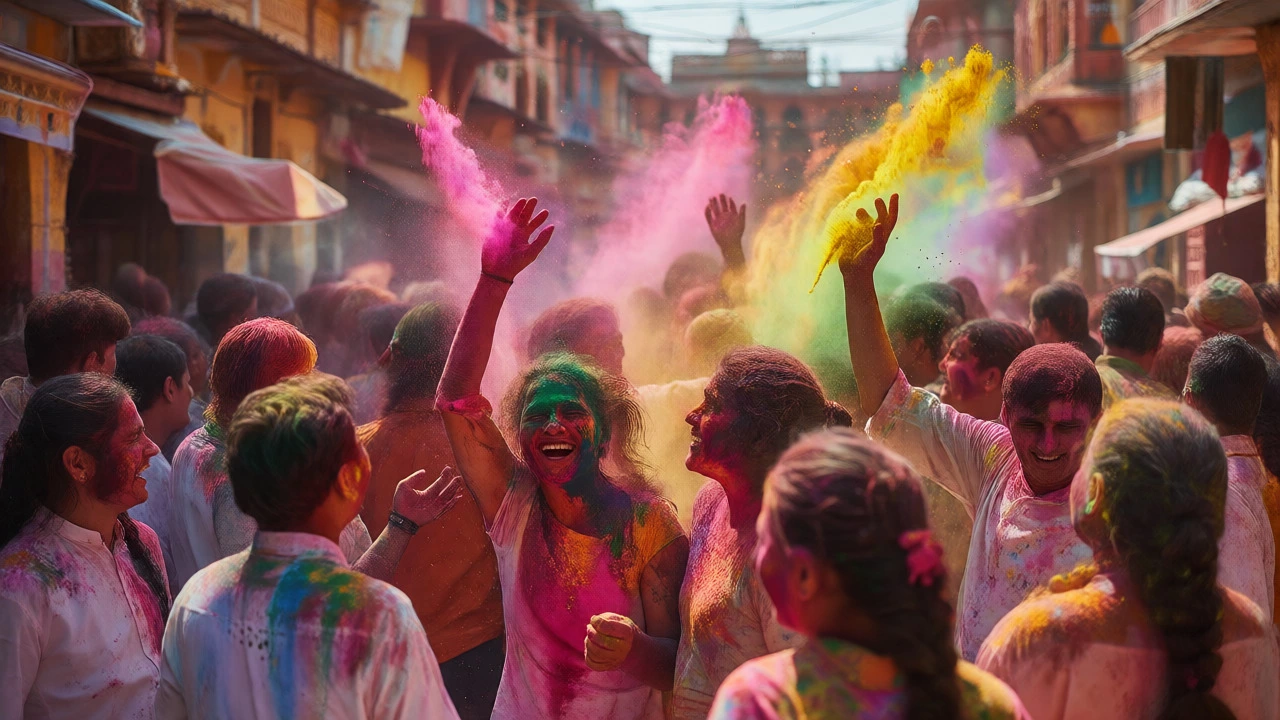
| Mar | Holi | Vrindavan/Mathura | Color festival, energetic, chaotic, unforgettable. |
| Jun/Jul | Hemis Festival | Ladakh | Masked dances, Buddhist culture, rare opportunity. |
Keep in mind that popular festivals cause accommodation prices to spike. Book hotels six months in advance for Holi in Mathura or the Pushkar Fair. Also, expect crowds. Vrindavan during Holi is packed with pilgrims and tourists, creating a sea of colors and noise. It’s intense but incredibly rewarding.
Practical Tips for Any Season
No matter when you visit, some rules apply year-round. First, respect the dress code. When entering temples or mosques, shoulders and knees should be covered. Carry a scarf; it doubles as protection from sun, dust, or cold. Second, water safety. Stick to bottled or filtered water. Tap water varies wildly in quality, and stomach issues can ruin a trip quickly.
Transportation logistics change with seasons too. Winter fog delays flights and trains in the plains. Summer heat affects vehicle performance and passenger comfort. Monsoon landslides impact road travel in hills. Always have a backup plan. If a flight gets cancelled due to fog in Delhi, know your train options. Indian Railways is extensive and often more reliable in winter than air travel.
Finally, consider your physical stamina. Sightseeing in North India involves a lot of walking, often on uneven terrain. Comfortable shoes are non-negotiable. If you are traveling with elderly family members, avoid peak summer and stick to the cooler months. The heat exhaustion risk is real and underestimated by many foreign visitors.
Is North India safe for solo female travelers?
Yes, generally, especially in tourist-heavy areas like Jaipur, Udaipur, and Shimla. However, standard precautions apply: avoid isolated areas at night, use reputable transport apps, and dress modestly to blend in. Solo travel is common, but staying aware of surroundings is key.
How many days do I need for the Golden Triangle?
A minimum of 7 days is recommended to comfortably cover Delhi, Agra, and Jaipur without rushing. This allows two days for each city plus travel time. Adding Varanasi or Rishikesh requires extending the trip to 10-12 days.
Can I visit Ladakh in winter?
You can fly into Leh, but overland travel is impossible due to closed passes. Temperatures drop below -20°C, and many shops/hotels close. It’s only for extreme adventure seekers or those specifically interested in winter sports and solitude.
What is the cheapest time to visit North India?
May and June are often cheaper for plains destinations because of the heat deterring tourists. However, hill station prices skyrocket then. July-September (monsoon) can offer discounts in Rajasthan and plains areas, provided you don’t mind rain disruptions.
Do I need a visa for North India?
Most foreign nationals require a visa. The e-Visa is available for citizens of over 160 countries and covers tourism. Apply online at least four days before arrival. Ensure your passport has at least six months validity remaining.