South India Food Safety Quiz
Loading question...
Picture this: You are standing on the banks of the Meenakshi Temple in Madurai, ready to dive into a plate of steaming idli and sambar. But then you hesitate. You’ve heard the stories. You’ve read the warnings. "Delhi Belly" isn't just a myth; it’s a real threat that can turn your dream vacation into a week spent huddled in a bathroom. But here is the good news: getting sick in South India is not inevitable. In fact, with a few smart habits, you can eat like a local without paying the price.
The difference between a great trip and a ruined one often comes down to gut health. The bacteria in Indian water and street food are different from what your body is used to. This doesn’t mean the food is dirty; it means your immune system needs time to adjust. By understanding where the risks lie and how to navigate them, you keep your stomach happy and your itinerary intact.
Water Wisdom: The Golden Rule
If you remember only one thing from this guide, let it be this: never drink tap water. Not even for brushing your teeth if you have a sensitive stomach. In India, tap water is generally not treated to Western standards and contains microorganisms that can cause illness. This applies everywhere, from Mumbai to Kerala.
Stick to sealed bottled water. Check the cap seal before you buy it. If you are at a hotel, ask them to fill your bottle at their filtration station or provide sealed bottles. When you are out and about, carry a reusable bottle with a built-in filter or use purification tablets as a backup. Ice cubes are another hidden danger. Unless you are at a high-end hotel or restaurant that uses filtered ice, skip the ice. It is often made from tap water. Stick to room-temperature drinks or hot beverages like chai and coffee, which are boiled during preparation.
Navigating Street Food Safely
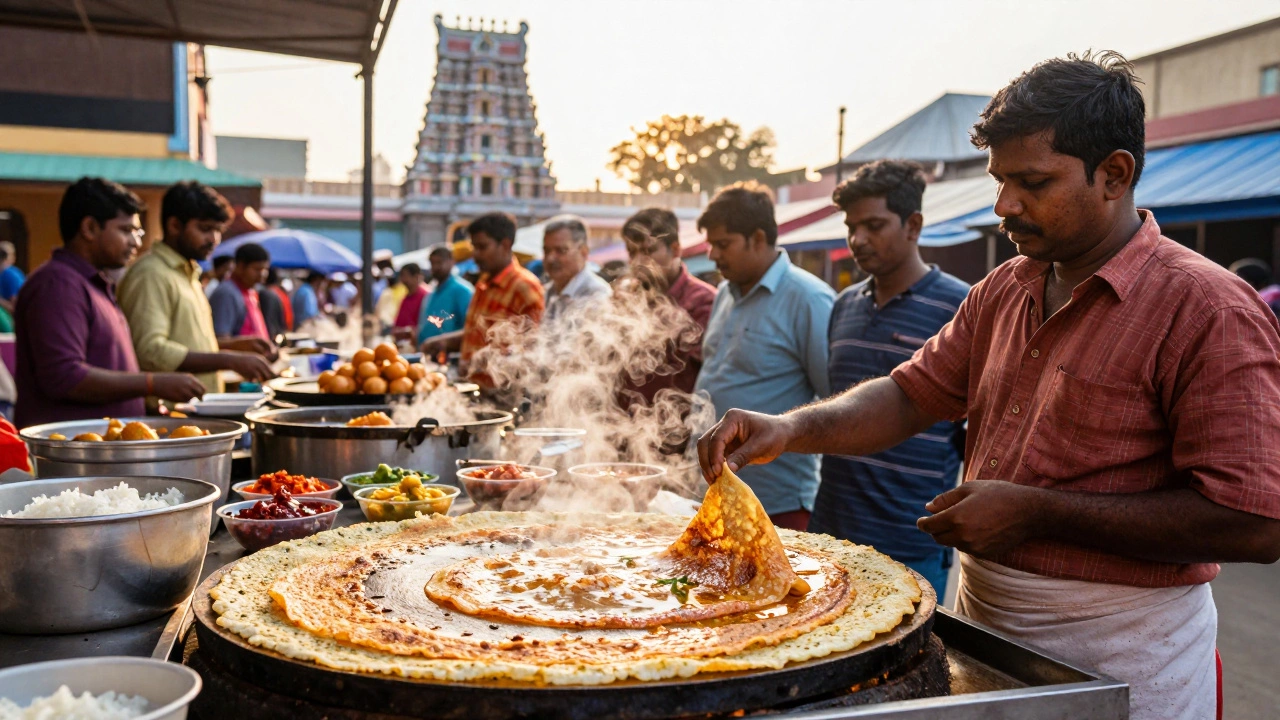
Street food is the soul of South Indian cuisine. From the crispy dosa in Chennai to the spicy pani puri in Bangalore, skipping these treats means missing out on the best parts of the culture. But you need to be selective. Look for stalls with high turnover. If there is a line of locals, it is usually a good sign. High turnover means the food is fresh and hasn't been sitting out for hours.
Watch how the food is prepared. Avoid raw ingredients like unpeeled fruits, salads, or chutneys that sit out uncovered. Stick to foods that are cooked to order and served piping hot. Heat kills most harmful bacteria. So, a freshly fried vada or a hot bowl of rasam is safer than a cold sandwich. Also, avoid cut fruit sold by street vendors unless you peel it yourself. Mangoes are delicious, but if you don't peel it, pass on it.
Restaurant Etiquette and Hygiene
When dining in restaurants, look for cleanliness cues. Are the tables wiped down? Is the kitchen visible? In South India, many traditional restaurants serve food on banana leaves. While beautiful, ensure the leaf is clean and dry. Moisture can harbor bacteria. Also, be cautious with buffet-style meals. Food left out at room temperature for long periods is a breeding ground for germs. Opt for à la carte dishes instead.
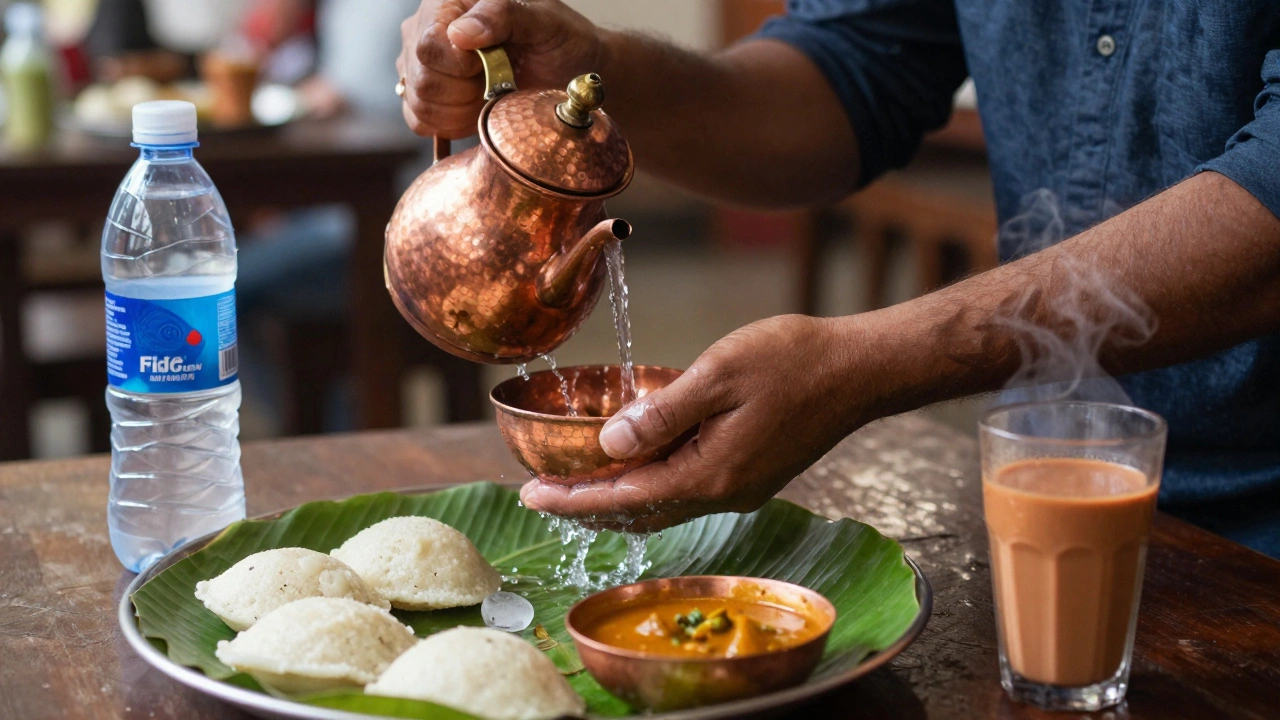
One pro tip: wash your hands thoroughly before eating. Many places provide a bucket of water for rinsing hands. Use it. Or carry hand sanitizer. Clean hands prevent transferring bacteria from surfaces to your mouth. And don't forget to wipe down menus or table surfaces if they look greasy or sticky.
Building Your Immune Defense
Your body is your first line of defense. Before you travel, consider taking a probiotic supplement. Probiotics introduce good bacteria to your gut, helping it resist bad invaders. Start taking them a week before your trip and continue throughout your stay. Some travelers also swear by bismuth subsalicylate (like Pepto-Bismol) as a preventive measure, but consult your doctor first.
Another natural remedy is ginger. Ginger tea or chewing on a piece of fresh ginger can soothe the stomach and aid digestion. You will find ginger available in almost every market. Incorporate it into your daily routine. Also, stay hydrated. Dehydration weakens your immune system. Drink plenty of safe water throughout the day.
| Category | Safe Choices | Risky Choices |
|---|---|---|
| Beverages | Sealed bottled water, hot chai, boiled coffee | Tap water, ice cubes, sugarcane juice from open machines |
| Fruits | Peeled bananas, oranges, apples (peeled by you) | Cut melon, pre-cut mango, berries |
| Street Food | Hot dosas, fried vadas, roasted corn | Cold sandwiches, raw salads, chutneys left out |
| Dairy | Pasteurized milk products, ghee | Raw milk, unpasteurized yogurt from unknown sources |
What to Do If You Get Sick
Despite your best efforts, things happen. If you start feeling nauseous or experience diarrhea, don't panic. Mild cases often resolve on their own within 24-48 hours. The key is hydration. Sip oral rehydration solutions (ORS) rather than plain water. ORS replaces lost electrolytes and sugars. You can buy packets at any pharmacy. Mix them with safe bottled water.
Avoid solid foods until your stomach settles. Then, start with bland, easy-to-digest options like white rice, toast, or bananas. Avoid dairy, spicy foods, and heavy meats until you feel better. If symptoms persist for more than two days, include blood in your stool, or you develop a high fever, seek medical attention immediately. India has excellent private hospitals, especially in cities like Hyderabad and Chennai. Don't wait it out if things get serious.
Essential Packing List for Gut Health
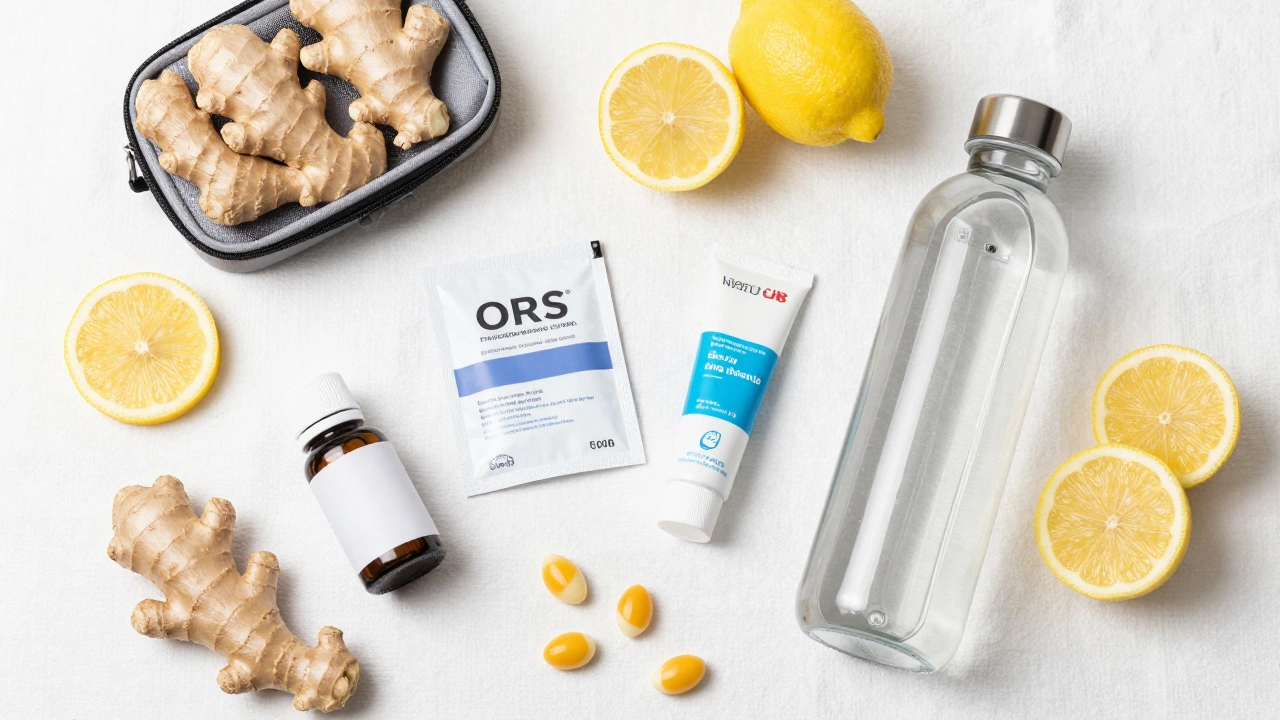
Preparation is half the battle. Pack a small health kit before you leave. Include:
- Oral rehydration salts (ORS)
- Probiotic supplements
- Hand sanitizer
- Antidiarrheal medication (like Loperamide) - use only for symptom relief, not to stop infection
- Antibiotics (prescribed by your doctor for emergency use)
- Ginger candies or tea bags
This kit gives you peace of mind and ensures you can handle minor issues without disrupting your travel plans.
Understanding Local Cuisine Habits
South Indian food is generally lighter and easier to digest than North Indian cuisine. Dishes like idli, dosa, and pongal are fermented or cooked thoroughly, making them safer bets. Fermentation introduces beneficial bacteria that support gut health. Embrace these staples. They are not only tasty but also gentle on the stomach.
Spice levels vary. While South Indian food can be spicy, it is often balanced with coconut and tamarind. Ask for mild spice if you are unsure. Chilies are antibacterial, so they aren't the enemy, but excessive heat can irritate an already sensitive stomach. Listen to your body. If a dish feels too heavy, stop eating. Overeating is a common mistake that leads to discomfort.
Is tap water safe in South India?
No, tap water is not safe for drinking or brushing teeth. Always use sealed bottled water or purified water to avoid stomach upset.
Can I eat street food in India safely?
Yes, if you choose wisely. Stick to hot, freshly cooked foods from busy stalls. Avoid raw salads, cut fruits, and cold items left out in the sun.
What should I do if I get traveler's diarrhea?
Stay hydrated with oral rehydration solutions (ORS). Eat bland foods like rice and toast. Seek medical help if symptoms last more than two days or include fever and blood.
Are probiotics helpful for preventing stomach issues?
Yes, taking probiotics before and during your trip can help balance your gut bacteria and reduce the risk of digestive problems.
Is ice safe in restaurants in South India?
Ice is risky unless you are sure it is made from filtered or bottled water. At high-end hotels, it is likely safe, but at smaller eateries, it is best to skip it.