Pakistan Sports Knowledge Quiz
Pakistan Sports Challenge
From the Streets of Lahore to the Peaks of K2How well do you know the sporting heritage of Pakistan? Test your knowledge on cricket, hockey, squash, and more!
Question goes here?
Quiz Completed!
You scored 0 out of 5
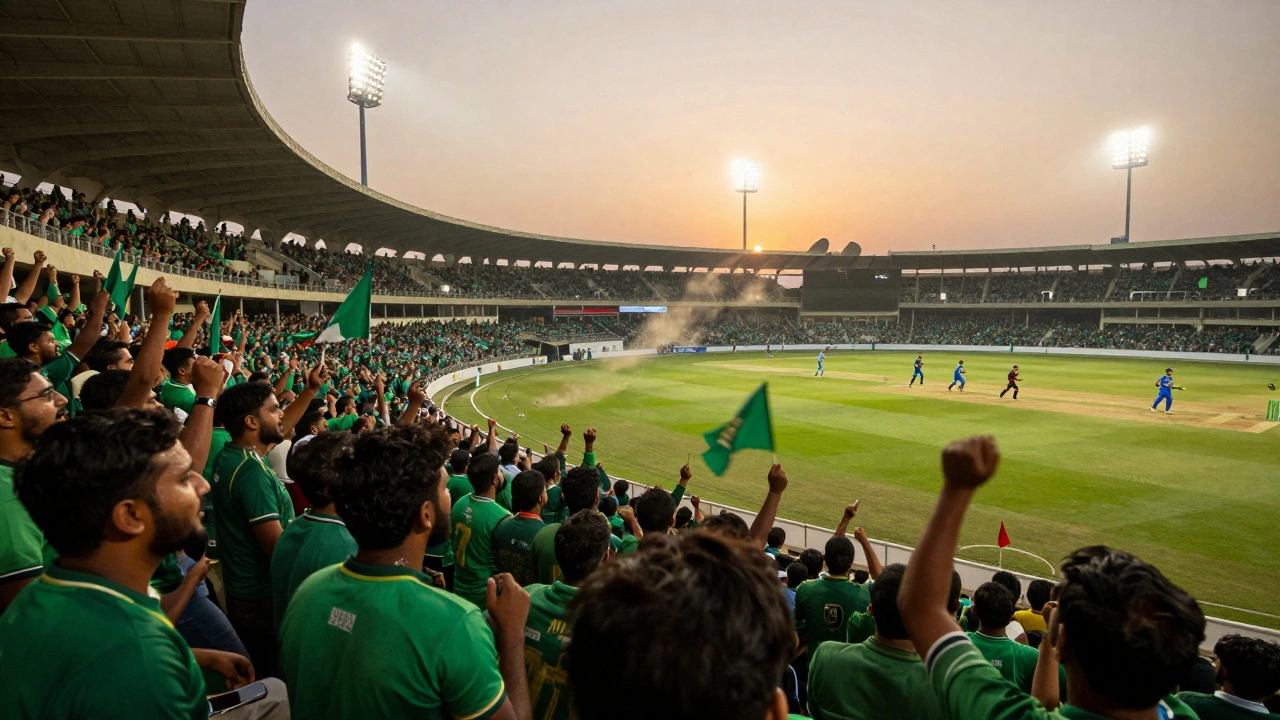
Imagine standing in a stadium where the air vibrates with the collective heartbeat of twenty million people. In Pakistan, this isn't just a metaphor; it's a Tuesday afternoon. When you ask which sport is famous in Pakistan, the answer hits you before you even finish the sentence: cricket. It is not merely a pastime here. It is a religion, a political force, and the primary language through which the nation expresses its identity.
However, to say that only one sport matters would be like describing India by only mentioning Mumbai. While cricket dominates the headlines and the television screens, Pakistan has a rich sporting tapestry woven with threads of field hockey, squash, and increasingly, adventure sports. Understanding these sports gives you a deeper look into the resilience, skill, and passion of the Pakistani people.
The King: Cricket as National Obsession
Cricket is the most popular sport in Pakistan, serving as a unifying force across diverse regions and demographics. To understand Pakistan, you must understand cricket. It was introduced during British colonial rule, but Pakistan adopted it so fiercely that it became the country's first Olympic gold medal sport in 1960. That victory defined a generation.
Today, the Pakistan Cricket Board (PCB) manages a frenzy that borders on chaos. When the national team plays, traffic stops. Shops close. Strangers hug each other on the streets after a wicket falls or a century is scored. The emotional investment is staggering. Fans don't just watch the game; they live it. A loss can feel like a national tragedy, while a win feels like independence day.
The infrastructure reflects this obsession. From the massive Gaddafi Stadium in Lahore to dusty grounds in rural villages, cricket is played everywhere. You will see children playing with a tennis ball taped together as a bat and a plastic bottle cut in half as a bat. This grassroots engagement ensures a constant stream of talent. Players like Imran Khan, Wasim Akram, and Babar Azam are not just athletes; they are cultural icons whose influence extends far beyond the boundary rope.
- Format Preference: While Test cricket holds traditional prestige, One Day Internationals (ODIs) and T20s drive current commercial success and fan engagement.
- Key Venues: Gaddafi Stadium (Lahore), National Stadium (Karachi), and Pindi Cricket Stadium (Rawalpindi).
- Cultural Impact: Cricketers often transition into politics, media, and business, reflecting their high social status.
The Silent Giant: Field Hockey Heritage
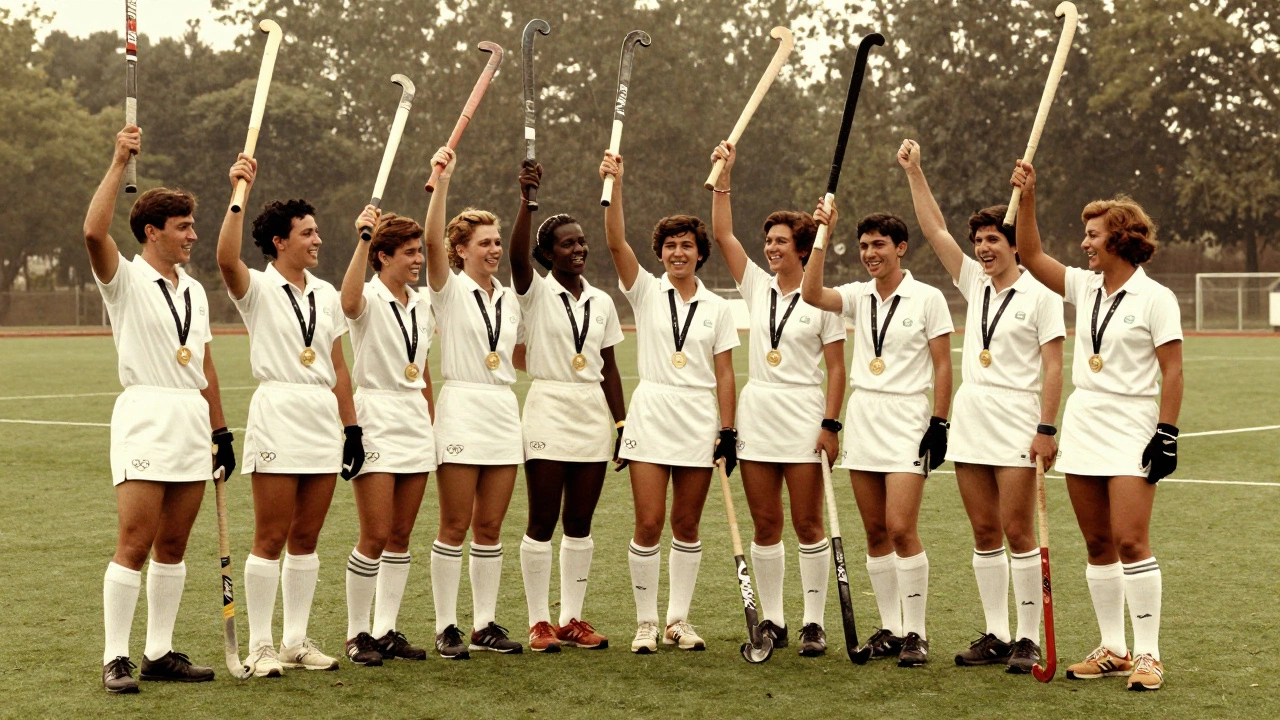
If cricket is the loud, passionate lover, field hockey is the dignified, historic partner who built the foundation. For decades, Field Hockey was Pakistan's premier Olympic sport, delivering multiple gold medals and global dominance from the 1950s to the 1980s. Before cricket took over the airwaves, hockey players were the true superstars.
Pakistan won four Olympic gold medals in field hockey (1960, 1964, 1968, 1984). The 1984 victory in Los Angeles remains etched in memory. However, the decline of hockey in Pakistan is a story of missed opportunities. Lack of funding, poor turf maintenance, and the rise of cricket's commercial appeal pushed hockey to the sidelines. Yet, the legacy remains strong in schools and colleges, particularly in Punjab and Sindh provinces.
Recent years have seen efforts to revive the sport. The Pakistan Hockey Federation has invested in artificial turf pitches and youth academies. While Pakistan may not be the undisputed giant it once was-India and European nations now lead the charts-the passion for the stick-and-ball game persists. Watching a local hockey match, you can still see the agility and tactical brilliance that once stunned the world.
| Attribute | Cricket | Field Hockey |
|---|---|---|
| Popularity Level | Extremely High (National Obsession) | Moderate (Historical Significance) |
| Olympic Medals | 0 (Not an Olympic Sport) | 4 Gold, 3 Silver, 1 Bronze |
| Commercial Revenue | Very High (Broadcasting Rights, Sponsorships) | Low (Limited Private Investment) |
| Youth Participation | Universal (Schools to Streets) | Declining but Present in Academies |
Squash: The Hidden Champion
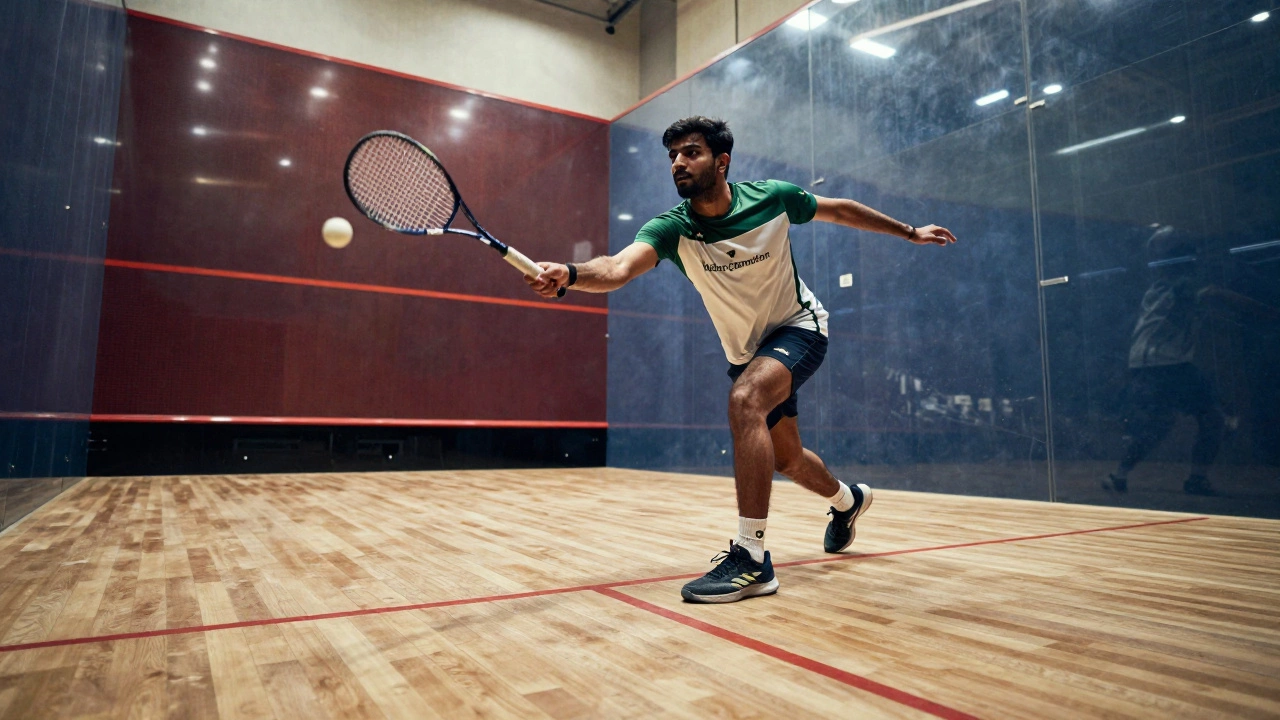
Here is a fact that surprises many visitors: Pakistan is arguably the second-best squash nation in the world, right behind Egypt. Squash is a racket sport where Pakistan has produced world champions and consistently ranks among top nations globally. Unlike cricket or hockey, squash doesn't have mass street participation. It is an indoor sport, requiring specific courts and equipment. Yet, its impact per capita is enormous.
Jahangir Khan, known as "The Sultan," dominated the sport in the 1980s, winning 555 consecutive matches. His record seems unbreakable. More recently, players like Fawad Alam and Mahrukh Shujauddin have kept the flag flying. The Pakistan Squash Federation focuses heavily on training facilities in Lahore and Karachi. If you visit these cities, you will find numerous squash clubs, some dating back to the colonial era.
The intensity of Pakistani squash players is legendary. They play with a physicality and speed that often overwhelms opponents. For tourists interested in niche sports, watching a professional squash match in Pakistan offers a front-row seat to elite athleticism without the crowds of a cricket stadium.
Rugby and Football: Growing Niches
While they lack the historical glory of hockey or the popularity of cricket, rugby and football are gaining traction. Rugby union, in particular, has seen steady growth. The Pakistan national rugby union team competes in Asian tournaments. The sport appeals to the expatriate community and urban youth looking for a team sport with less pressure than cricket.
Football (soccer) is also rising, driven by global trends and younger generations exposed to European leagues via streaming services. The Pakistan Football Federation faces challenges with infrastructure and governance, but grassroots initiatives in cities like Islamabad and Lahore are fostering interest. Local leagues are becoming more organized, offering a platform for aspiring talents.
Adventure Sports: Emerging Horizons
Given Pakistan's stunning geography-from the Karakoram range to the Himalayas-it makes sense that adventure sports are emerging. While not yet "famous" in the mainstream media sense, activities like trekking, mountaineering, and river rafting are growing rapidly among locals and tourists alike.
K2, the second-highest mountain in the world, sits in Pakistan. Every year, international expeditions attempt its summit, drawing global attention. Locally, trekking in Hunza, Skardu, and Swat valleys is becoming a weekend activity for city dwellers seeking escape. Paragliding in places like Neelum Valley and river rafting on the Indus River offer adrenaline rushes that rival any extreme sport destination worldwide.
This sector is crucial for economic diversification. Adventure tourism brings foreign exchange and creates jobs in remote areas. As safety standards improve and marketing increases, expect to see more Pakistanis engaging in these outdoor pursuits, shifting the narrative from solely traditional sports to active lifestyle choices.
Why Does This Matter for Travelers?
Understanding Pakistan's sports landscape enhances your travel experience. It provides context for conversations with locals. Knowing about the 1992 World Cup win or Jahangir Khan's streak allows you to connect with people on a personal level. Sports transcend language barriers. A shared interest in a recent match can open doors to friendships and insights that guidebooks cannot provide.
Moreover, attending a sporting event is a cultural immersion. Whether it's a chaotic cricket match in Lahore or a quiet squash tournament in Karachi, you witness the raw emotion and communal spirit of Pakistan. These experiences reveal the heart of the nation-passionate, resilient, and deeply proud.
What is the most popular sport in Pakistan?
Cricket is undoubtedly the most popular sport in Pakistan. It enjoys massive viewership, widespread participation at all levels, and significant cultural influence. Matches involving the national team draw millions of viewers and dominate public discourse.
Did Pakistan ever win an Olympic gold medal?
Yes, Pakistan has won four Olympic gold medals in field hockey (1960, 1964, 1968, 1984). Additionally, the country won its first-ever Olympic gold in cricket at the 1992 Cricket World Cup, though this was not an Olympic event. Field hockey remains the source of all Olympic golds.
Is squash popular in Pakistan?
Squash is highly respected and successful in Pakistan, despite lower mass participation compared to cricket. Pakistan has produced world champions like Jahangir Khan and consistently ranks among the top nations globally. It is considered a prestigious sport with strong institutional support.
Where can I watch a cricket match in Pakistan?
Major cricket matches are held in stadiums such as Gaddafi Stadium in Lahore, National Stadium in Karachi, and Pindi Cricket Stadium in Rawalpindi. Tickets are usually available online through the Pakistan Cricket Board website or authorized vendors closer to match dates.
Are there adventure sports opportunities in Pakistan?
Yes, Pakistan offers excellent adventure sports due to its diverse terrain. Trekking in the Karakoram and Himalayas, river rafting on the Indus, and paragliding in valleys like Neelum are popular. K2 base camp treks attract international climbers annually.