Dark Tourism Destination Planner
Your Personalized Dark Tourism Itinerary
Travel Tips for Your Journey
Imagine standing in a room where the air feels heavy not because of humidity, but because of history. You are looking at a bullet hole in a wall that has been there for over a century. This isn't a movie set; it is Jallianwala Bagh in Amritsar. For many travelers, visiting places associated with death, disaster, or tragedy seems morbid. But for a growing number of people, this form of travel offers a profound connection to the past that sunny beaches and luxury resorts simply cannot provide. This is known as dark tourism.
In India, a country with a complex and often painful colonial and post-colonial history, dark tourism is more than just a niche trend. It is a way to confront the realities of struggle, sacrifice, and survival. From the partition of nations to natural disasters that reshaped cities, these sites tell stories that textbooks often skip. If you are curious about what dark tourism really means in the Indian context, and where you can go to experience this sobering yet essential side of travel, here is everything you need to know.
The Meaning of Dark Tourism
So, what exactly is dark tourism? The term was popularized by British academics Malcolm Foley and Jallon Lennon in 1996. They defined it as travel to sites associated with death, suffering, or the macabre. However, the definition has evolved. Today, it encompasses any destination where visitors engage with the darker aspects of human history. This includes battlefields, prisons, memorials, and sites of natural disasters.
It is important to distinguish between respectful remembrance and voyeurism. True dark tourism is educational and reflective. It asks questions like: How did this event shape our current society? Who suffered, and how do we remember them? In India, this type of travel aligns closely with heritage conservation efforts. The government and local communities work hard to preserve these sites not to glorify violence, but to ensure that the lessons of the past are not forgotten.
Why Visit Dark Sites in India?
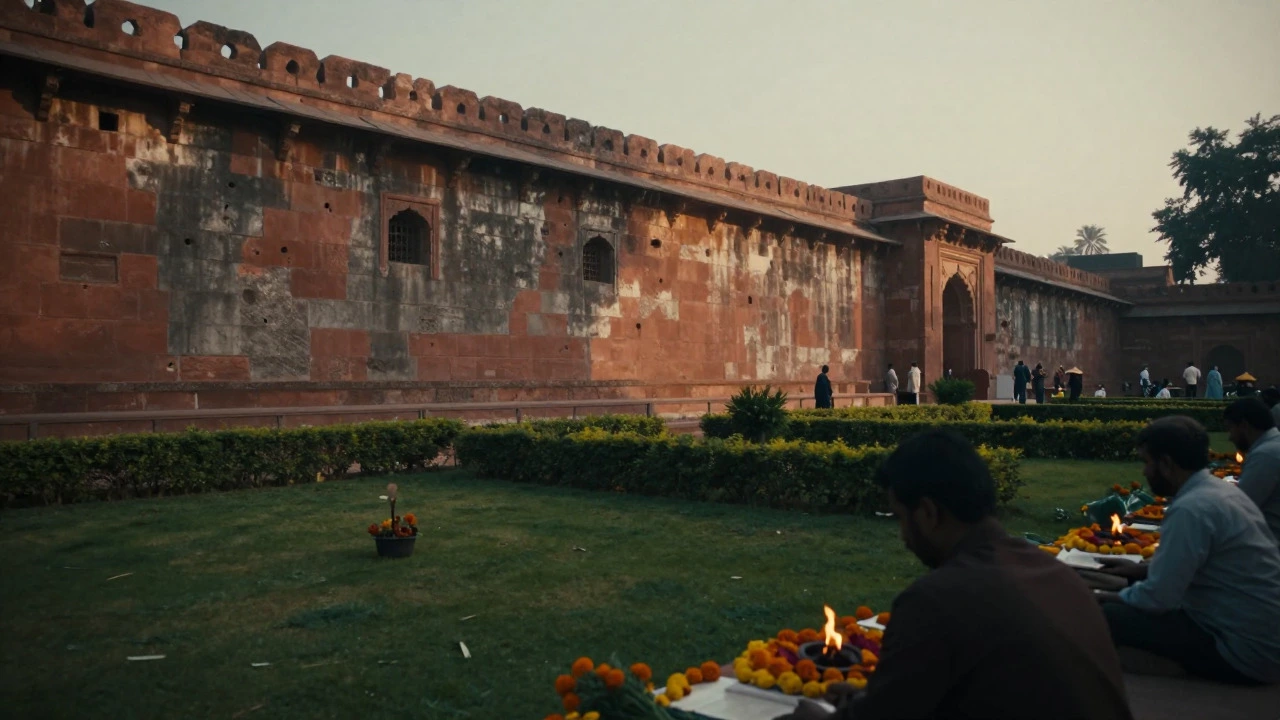
You might wonder why anyone would choose to visit places of sorrow. The answer lies in empathy and perspective. When you walk through the corridors of Red Fort in Delhi, you are not just seeing Mughal architecture. You are walking on ground where the last Mughal emperor, Bahadur Shah Zafar, was exiled after the failed rebellion of 1857. The site serves as a stark reminder of the end of an era and the beginning of direct British rule.
These visits create a tangible link to history. Reading about the Bengal Famine of 1943 is one thing; visiting the memorial in Kolkata and understanding the scale of loss is another. Travelers report feeling a deeper sense of gratitude for their own lives and a greater appreciation for the resilience of the Indian people. It transforms history from abstract dates into human experiences.
Top Dark Tourism Destinations in India
India offers a diverse range of dark tourism sites. Here are some of the most significant locations that attract visitors seeking historical depth.
Jallianwala Bagh, Amritsar
This public garden in Amritsar, Punjab, is perhaps the most famous example of dark tourism in India. On April 13, 1919, British troops under General Reginald Dyer fired on a peaceful gathering of Indians, killing hundreds. The site today features a museum and the original bullet-scarred walls. Visitors often leave flowers and pay silent respects. It is a place of national mourning and a powerful symbol of the Indian independence movement.
Cellular Jail, Port Blair
Located in the Andaman and Nicobar Islands, the Cellular Jail (also known as Kala Pani) was a prison built by the British to isolate political prisoners. The design ensured that inmates were locked in individual cells at night, cut off from all communication. Many freedom fighters, including Chandrashekhar Azad and Batukeshwar Dutt, were held here. The jail’s haunting atmosphere and the nightly light-and-sound show make it a compelling, albeit somber, destination.
The Partition Museum, Lahore Border (Wagah)
While the Wagah Border ceremony is known for its dramatic flag-lowering ritual, the surrounding area holds deep significance regarding the Partition of India in 1947. Millions were displaced, and countless lives were lost in communal violence. Visiting the border town of Attari in Punjab allows travelers to reflect on the arbitrary lines drawn by colonial powers and the lasting impact on families separated by borders. Nearby museums and memorials document this traumatic chapter.
Bhopal Gas Tragedy Memorial
In December 1984, a gas leak from the Union Carbide pesticide plant in Bhopal, Madhya Pradesh, killed thousands and injured tens of thousands more. It remains one of the world’s worst industrial disasters. The memorial park and museum in Bhopal serve as a testament to the victims and a warning about industrial safety and corporate accountability. The site is less about ancient history and more about recent, ongoing struggles for justice and health.
Kolkata’s Famine Memorials
Kolkata, formerly Calcutta, bears witness to the Bengal Famine of 1943, which claimed millions of lives due to food shortages exacerbated by World War II policies. Several memorials and archives in the city document this tragedy. The Victoria Memorial itself, while a grand structure, stands as a backdrop to a period of immense suffering and colonial mismanagement. Exploring these sites provides insight into the socio-economic conditions of early 20th-century India.
| Site Name | Location | Historical Event | Primary Theme |
|---|---|---|---|
| Jallianwala Bagh | Amritsar, Punjab | 1919 Massacre | Colonial Oppression / Independence |
| Cellular Jail | Port Blair, Andaman | Imprisonment of Freedom Fighters | Sacrifice / Isolation |
| Bhopal Memorial | Bhopal, MP | 1984 Gas Leak | Industrial Disaster / Justice |
| Red Fort | Delhi | 1857 Rebellion & Exile | End of Mughal Rule |
Etiquette and Respectful Travel
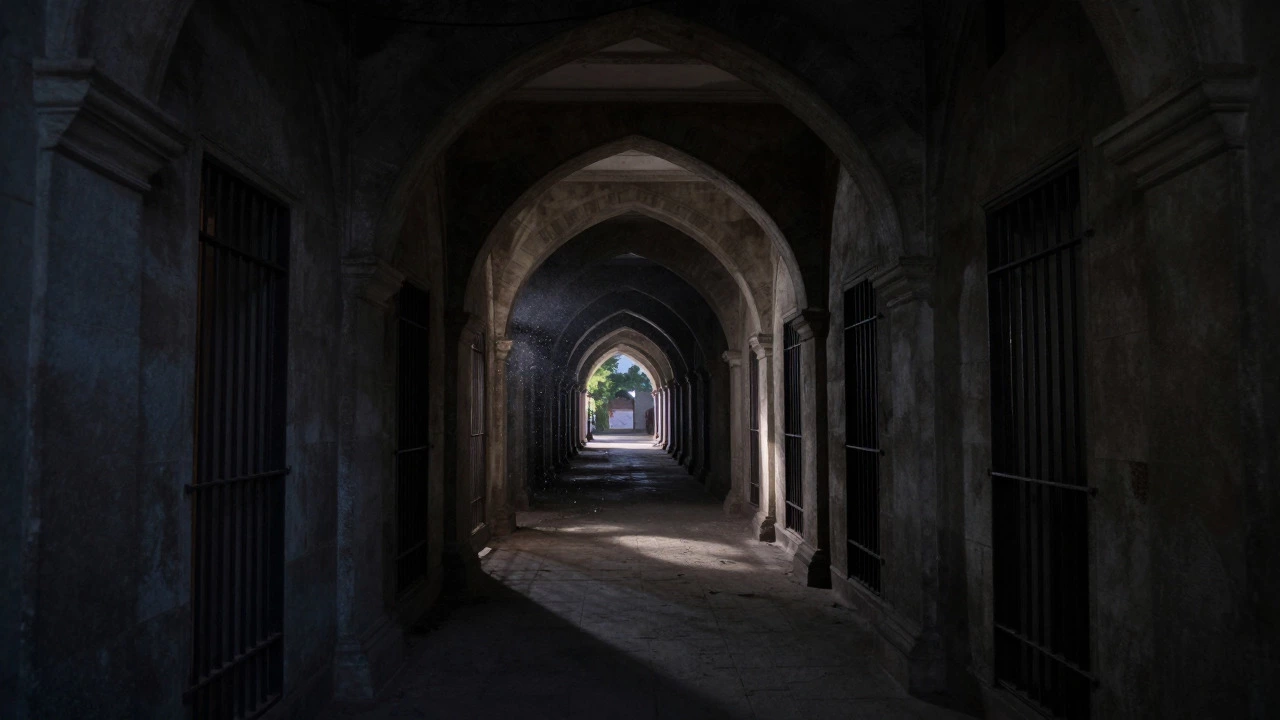
Visiting sites of tragedy requires a different mindset than typical sightseeing. Here are some guidelines to ensure your visit is respectful:
- Dress Modestly: Even if the weather is hot, cover your shoulders and knees. This shows respect for the solemnity of the place.
- Stay Quiet: These are often places of prayer or reflection. Keep conversations low and avoid loud laughter.
- Follow Rules: Some areas may restrict photography or require removing shoes. Always listen to guides and signage.
- Engage Locally: Talk to local historians or guides who have personal connections to the events. Their perspectives add depth and authenticity.
- Avoid Sensationalism: Do not treat the site as a photo opportunity for social media clout. Focus on learning and remembering.
How Dark Tourism Supports Local Communities
When done right, dark tourism can be economically beneficial for local communities. Entrance fees, guide services, and nearby cafes help sustain the preservation of these sites. In places like Bhopal, funds from tourism support healthcare initiatives for survivors of the gas tragedy. In Amritsar, the upkeep of Jallianwala Bagh relies partly on visitor revenue. By choosing to visit these sites, you contribute to their maintenance and the livelihoods of those who care for them.
Moreover, it encourages dialogue. Guides often share stories that challenge mainstream narratives, fostering a more nuanced understanding of history. This exchange benefits both the traveler and the host community, creating a space for healing and education.
Planning Your Trip
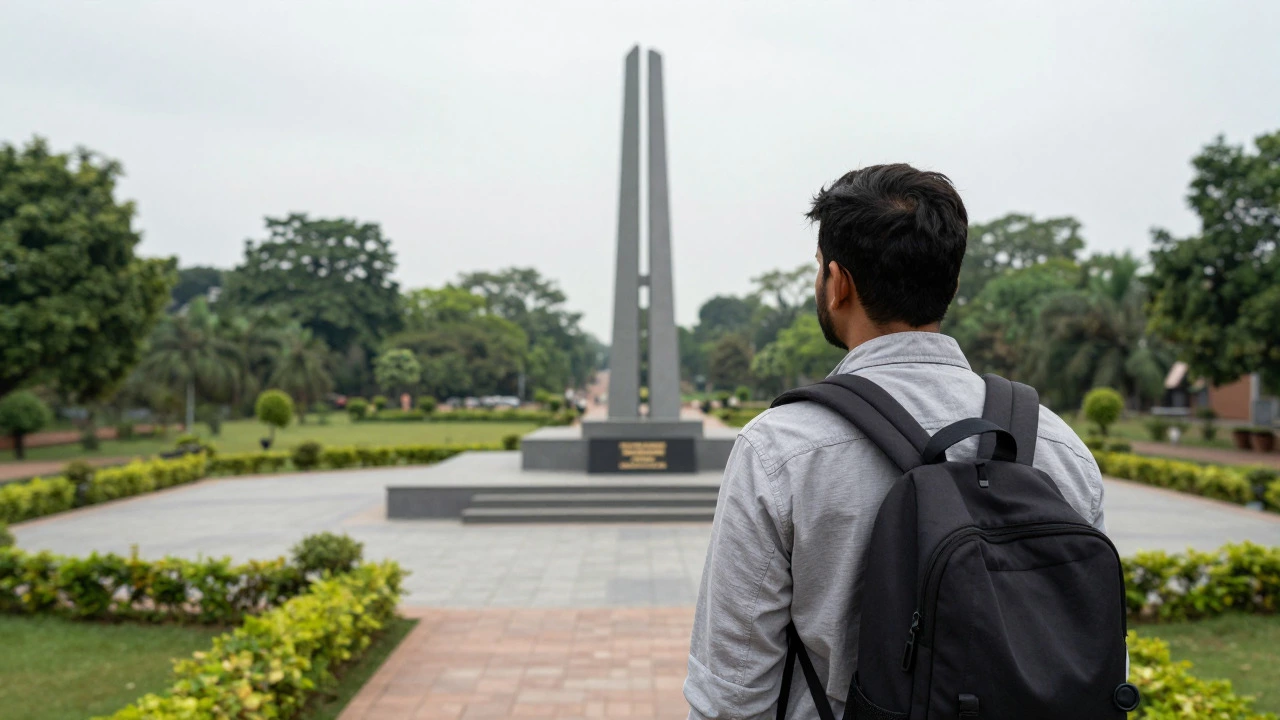
If you decide to incorporate dark tourism into your itinerary, consider combining it with other cultural activities. For example, a trip to Amritsar could include visiting the Golden Temple, offering a balance of spiritual peace and historical weight. In Kolkata, pair a visit to famine memorials with exploring the city’s vibrant literary scene.
Timing matters too. Many sites hold special ceremonies on anniversaries of key events. Visiting during these times can provide a more immersive experience, though crowds may be larger. Check local calendars before you book your tickets.
Finally, prepare emotionally. These sites can be triggering, especially if you have personal connections to similar histories. Take your time, breathe, and allow yourself to feel the weight of the stories you are encountering.
Related Concepts in Cultural Travel
Dark tourism is part of a broader spectrum of meaningful travel. It intersects with memorial tourism, where the focus is on honoring specific individuals or groups. It also overlaps with political tourism, which involves visiting sites of political significance, such as parliament buildings or protest sites. Understanding these distinctions helps you tailor your trip to your interests. Whether you are drawn to the architectural grandeur of forts or the raw emotion of memorials, India offers a rich tapestry of stories waiting to be explored.
Is dark tourism only about death?
No, while death is a common theme, dark tourism also covers suffering, injustice, and disaster. It includes sites of imprisonment, industrial accidents, and political oppression, focusing on the human experience behind these events.
Which is the most visited dark tourism site in India?
Jallianwala Bagh in Amritsar is likely the most visited due to its central role in the Indian independence narrative and its accessibility. The Cellular Jail in Port Blair is also highly popular among domestic tourists.
Can I visit these sites with children?
Yes, but age-appropriateness varies. Sites like Jallianwala Bagh can be educational for older children, while others might be too intense. Prepare them beforehand and explain the context in simple terms.
How does dark tourism differ from heritage tourism?
Heritage tourism focuses on preserving and appreciating historical structures and traditions, often celebrating achievements. Dark tourism specifically engages with sites of tragedy, death, or suffering to learn from painful histories.
Are guided tours available at these sites?
Yes, most major sites offer official guides. Hiring a knowledgeable local guide is highly recommended as they can provide deeper context and personal stories that enrich the experience significantly.