Golden Triangle Trip Planner
Select a month below to see real-time advice on temperature, crowds, and what to pack for your trip to Delhi, Agra, and Jaipur.
Weather Conditions
Key Highlights & Warnings
You’ve booked the flights. You’ve got your camera ready. But there’s one question that could make or break your trip to India’s Golden Triangle: when exactly should you go? It’s not just about picking a date on the calendar. The difference between visiting in June versus November is the difference between standing in front of the Taj Mahal while sweating through your shirt and doing it with a light jacket and clear skies.
The Golden Triangle isn’t a single place; it’s a circuit connecting three major cities: Delhi, Agra, and Jaipur. Each has its own microclimate, but they share a brutal summer and a pleasant winter. If you want the full experience without the misery, you need to know the rhythm of these cities.
The Short Answer: When Is Peak Season?
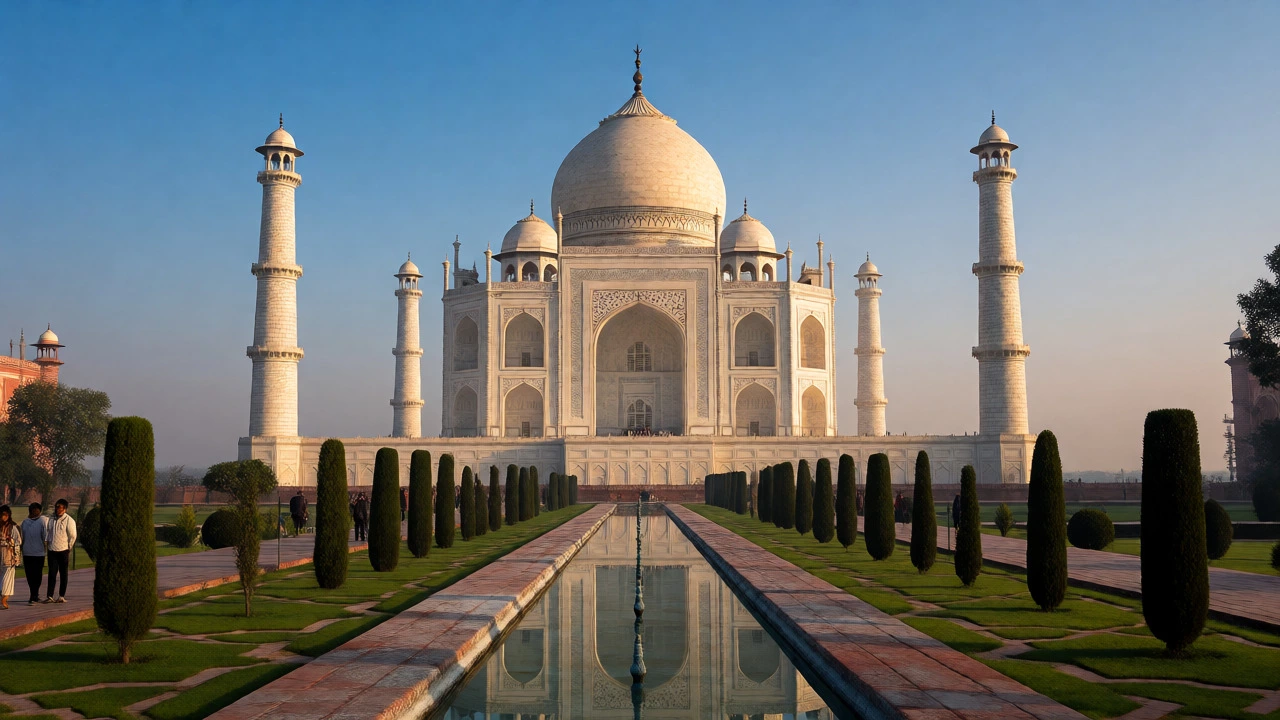
If you only have ten seconds, here it is: October to March is the sweet spot. Specifically, late October to February offers the most comfortable temperatures for walking around forts and palaces. During this window, daytime highs hover between 15°C and 25°C (59°F-77°F), which is perfect for exploring outdoor monuments like the Amber Fort or the Red Fort without heatstroke becoming a real threat.
Why does this matter? Because the Golden Triangle is largely an outdoor experience. You can’t hide inside a mall at the Taj Mahal. You can’t air-condition your way through the Hawa Mahal. You are exposed to the elements, so choosing the right month is less about preference and more about survival and comfort.
Breaking Down the Seasons
To really understand why certain months win, let’s look at what actually happens in each season across Delhi, Agra, and Jaipur.
| Season | Months | Average Temp | Crowd Level | Pros | Cons |
|---|---|---|---|---|---|
| Winter (Peak) | Nov - Feb | 10°C - 24°C | High | Perfect weather, festivals like Diwali | Higher prices, crowded sites, fog in Dec/Jan |
| Shoulder (Sweet Spot) | Oct & Mar | 18°C - 30°C | Moderate | Good weather, fewer crowds than peak | Mar starts getting hot, Oct can have post-monsoon humidity |
| Summer | Apr - Jun | 35°C - 45°C+ | Low | Cheapest rates, empty monuments | Extreme heat, risk of heatstroke, dusty winds |
| Monsoon | Jul - Sep | 28°C - 35°C | Low | Lush greenery, dramatic skies | Humidity, rain disrupting plans, slippery paths |
Month-by-Month Reality Check
Let’s get specific. General advice is nice, but you’re booking tickets for specific dates. Here’s what you’ll actually encounter month by month.
November and December: The Crowd Favorites
November is arguably the best month overall. The monsoon has cleared out, the air is crisp, and the humidity drops significantly. You can walk around Agra Fort for hours without feeling like you’re melting. Plus, if your timing aligns, you might catch Diwali, the Festival of Lights, which turns Jaipur into a glowing spectacle.
December is similar but colder, especially at night. Mornings in Agra can dip to 5°C (41°F). Bring layers. The downside? This is peak tourist season. Getting tickets for the Taj Mahal requires booking weeks in advance, and hotel prices in Jaipur spike. Also, be aware of dense fog in early mornings in Delhi and Agra during late December and January. It can delay trains and obscure views.
January and February: Cool and Clear
These months remain excellent for sightseeing. January is cold, yes, but dry. If you hate sweat sticking to your back while climbing stairs at the Qutub Minar, this is your time. February sees a slight warming trend, making it even more comfortable. Crowds start to thin out slightly after New Year’s, giving you a bit more breathing room at popular spots.
March: The Last Comfortable Window
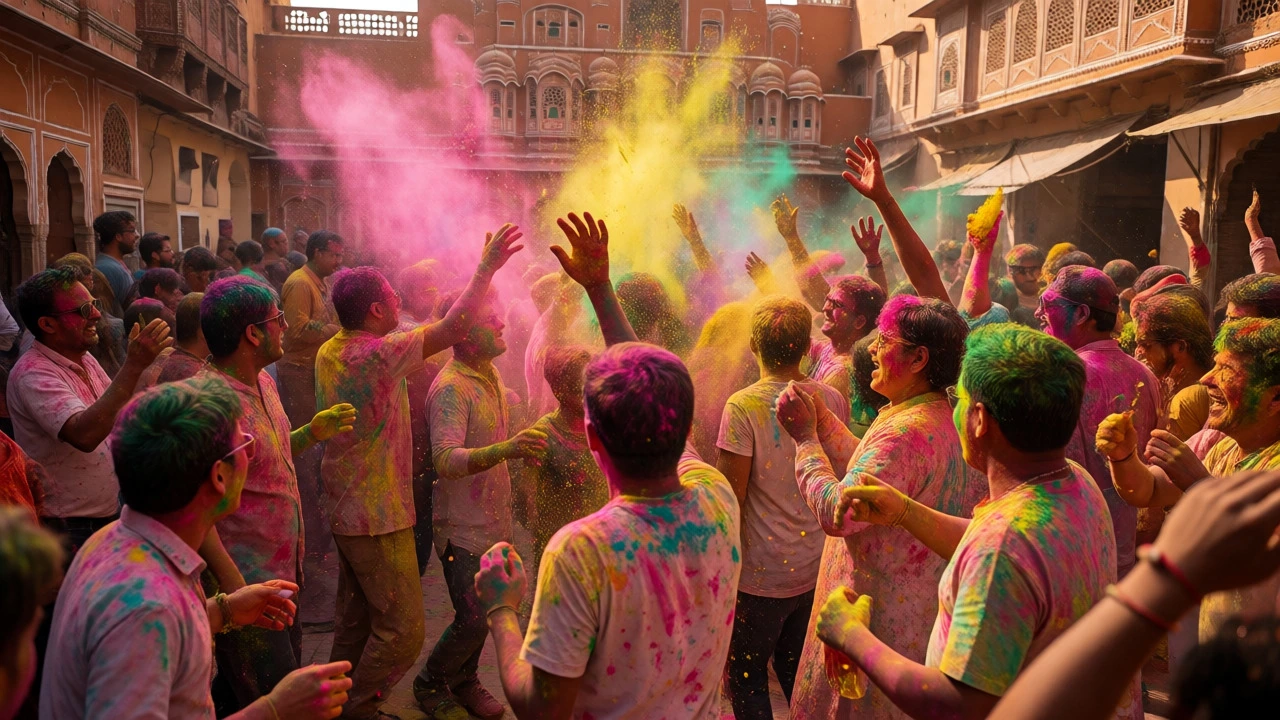
March is tricky. Early March is still lovely, with temps around 25°C. By late March, you’re pushing 30°C-35°C. It’s manageable, but you’ll feel the shift. If you’re sensitive to heat, aim for the first half of the month. Holi, the festival of colors, usually falls in March. Visiting Jaipur during Holi is chaotic, messy, and incredibly fun-but don’t wear clothes you care about.
April to June: The Oven
Unless you thrive in extreme heat, avoid April through June. Temperatures regularly hit 40°C (104°F) and sometimes climb above 45°C (113°F). The sun is harsh, and the dust storms (loo) in Rajasthan can reduce visibility and irritate your eyes. Sightseeing becomes a morning-only activity. You’ll see people rushing through the Taj Mahal at 6 AM, hiding in AC lobbies until sunset, and skipping midday entirely. Hotels offer deep discounts, but is it worth the discomfort? Probably not for a first-time visitor.
July to September: Monsoon Mood
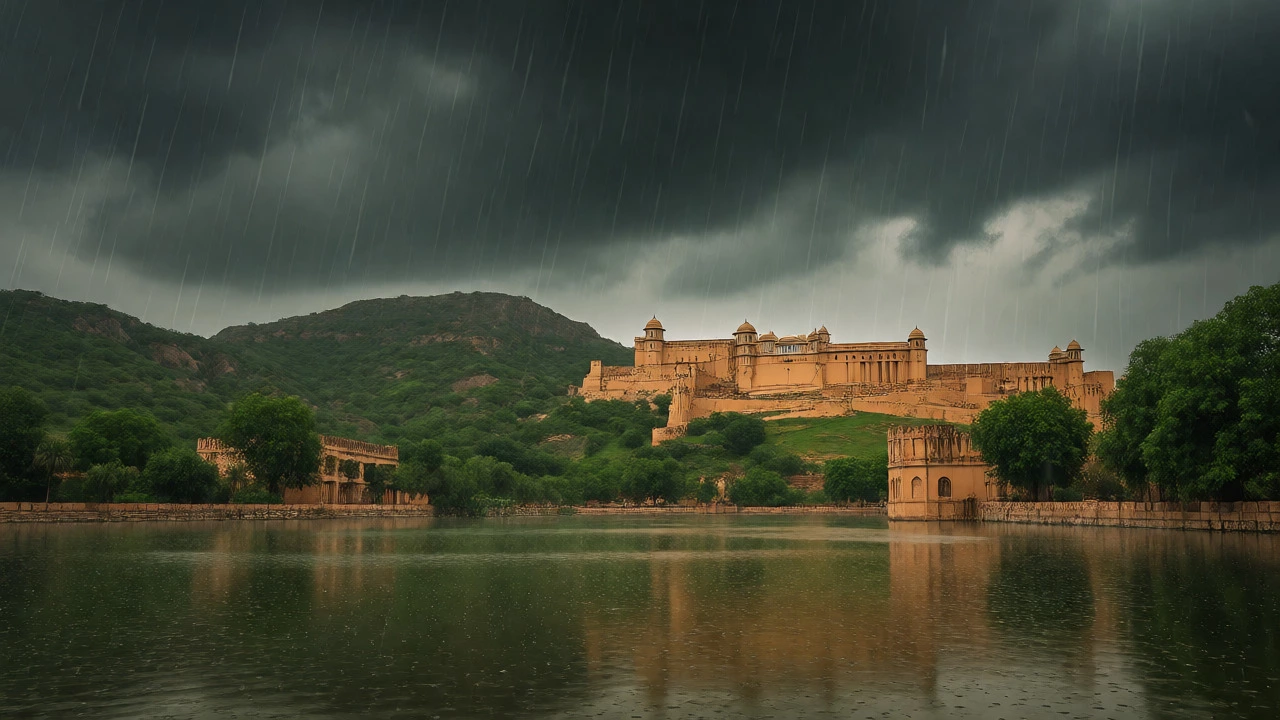
Many travelers dismiss the monsoon, but it has charm. The landscape turns lush green, the sky gets moody, and the crowds vanish. Rain usually comes in heavy bursts rather than all-day drizzle. However, humidity remains high, and streets in Delhi can flood. If you visit Agra during monsoon, check the Yamuna river levels-sometimes the view from the Taj’s garden is obscured. It’s a gamble, but if you don’t mind wet shoes and sudden downpours, you’ll have the monuments almost to yourself.
October: The Shoulder Season Gem
October is the secret weapon. The monsoon recedes, leaving the air clean but not yet as busy as November. Prices are lower than peak winter. Weather is warm but not scorching. Navratri festivals in Jaipur add cultural flair. It’s a great compromise if you want good weather without paying premium winter rates.
Budget vs. Comfort: Making the Trade-Off
Here’s the thing: comfort costs money. In November, a decent hotel in Jaipur might cost $80-$120 per night. In May, that same room might drop to $30-$40. Trains and flights follow similar patterns.
If you’re on a tight budget and can handle heat, April or September might save you enough money to upgrade your experiences elsewhere-maybe a private guide or better meals. But if you’re traveling with kids or older relatives, do not skimp on weather. Heat exhaustion ruins trips faster than bad hotels.
Practical Tips for Your Chosen Month
- Book Taj Mahal Tickets Online: Regardless of the month, buy entry tickets online in advance. Lines can stretch for hours, especially in winter.
- Dress Modestly: You’ll be visiting religious sites and conservative areas. Cover shoulders and knees. This applies year-round.
- Hydrate Aggressively: Even in winter, dehydration sneaks up on you. Carry water everywhere.
- Check Local Festivals: Look up dates for Diwali, Holi, or Pushkar Camel Fair (usually November). They add color but also cause price hikes and closures.
- Fog Warning: If traveling in Jan/Feb, allow extra time for train journeys due to potential fog delays.
Final Verdict: Which Month Wins?
For most people, November takes the crown. It balances perfect weather, manageable crowds, and vibrant culture. If you miss November, February is a close second-cool, clear, and slightly less packed. Avoid May unless you enjoy suffering in style.
Your trip to the Golden Triangle will be unforgettable regardless of when you go, but choosing the right month ensures you remember the majesty of the architecture, not just the sweat on your brow.
Is it safe to visit the Golden Triangle in winter?
Yes, winter is generally very safe and is considered the prime tourist season. However, pollution levels in Delhi can rise significantly in December and January due to temperature inversions trapping smog. Visitors with respiratory issues should monitor AQI (Air Quality Index) forecasts and consider wearing masks outdoors.
Can I see the Taj Mahal change color throughout the day?
Absolutely. The white marble reflects the sky, changing hue from pinkish at dawn to milky white at noon, golden at sunset, and bluish under moonlight. Winter’s clear skies often provide the sharpest contrast, but summer sunsets can be equally dramatic despite the heat.
How many days do I need for the Golden Triangle?
The minimum recommended duration is 5 to 7 days. This allows two days for Delhi, one for Agra, and two for Jaipur, plus travel time. Rushing through in 3 days means spending more time in transit than enjoying the sites.
Are monuments closed on any specific days?
Yes. The Taj Mahal is closed on Fridays. Most other major monuments in Delhi and Jaipur are open daily, though some smaller museums may have irregular hours. Always check official ASI (Archaeological Survey of India) websites before planning your itinerary.
What should I pack for a November trip?
Pack light layers. Days are warm, but nights are cool. Include a light jacket, comfortable walking shoes, sunscreen, sunglasses, and modest clothing for temple visits. A scarf is useful for both warmth and covering your head at religious sites.