Weekend Getaway Cost Estimator
Plan your escape without breaking the bank. Use this tool to estimate costs based on different travel styles.
Estimated Budget Breakdown
It’s Friday evening. You’ve just closed your laptop, but the stress of the workweek is still sitting heavy on your shoulders. You want to escape, but you don’t have two weeks of vacation time saved up. This is where the concept of a weekend getaway becomes your best friend. But what exactly does this term mean in today’s fast-paced world? It isn’t just about driving somewhere and sleeping in a different bed. It’s a specific type of travel designed to reset your mental state without disrupting your life schedule.
The Definition: More Than Just a Trip
A weekend getaway is a short-duration trip, typically lasting between 48 to 72 hours, taken during non-work days. Unlike traditional vacations that require significant planning and time off, these trips are characterized by their brevity and spontaneity. The core purpose isn't to see every major landmark in a country; it's to create a distinct break from your daily routine.
Think of it as a 'micro-vacation.' You might drive three hours to a cabin in the mountains, take a train to a coastal town for dinner and a hotel stay, or even book a unique Airbnb in a neighboring city you’ve never explored. The key element is the change of scenery combined with a deliberate pause in your usual obligations. According to travel industry data, the rise of bleisure travel (blending business and leisure) has also influenced getaways, but the pure weekend version remains focused entirely on personal recharge.
Why We Crave Short Escapes
You might wonder why people bother with such short trips when they could just stay home. The answer lies in psychology. Humans need novelty to maintain engagement and reduce burnout. Staying at home often means continuing domestic chores, answering emails, or dealing with family dynamics that contribute to your baseline stress levels.
When you leave your environment, you physically remove yourself from triggers. A study on stress recovery suggests that even brief exposure to new environments can lower cortisol levels more effectively than staying in familiar surroundings. A weekend getaway provides a 'clean slate' effect. You aren't thinking about the laundry or the Monday morning meeting because you are currently hiking a trail or enjoying a cocktail by a river. This mental separation is crucial for long-term productivity and happiness.
Types of Weekend Getaways
Not all short trips look the same. Depending on your energy level and goals, you can categorize your getaway into specific styles. Choosing the right type ensures you actually relax rather than adding travel stress to your plate.
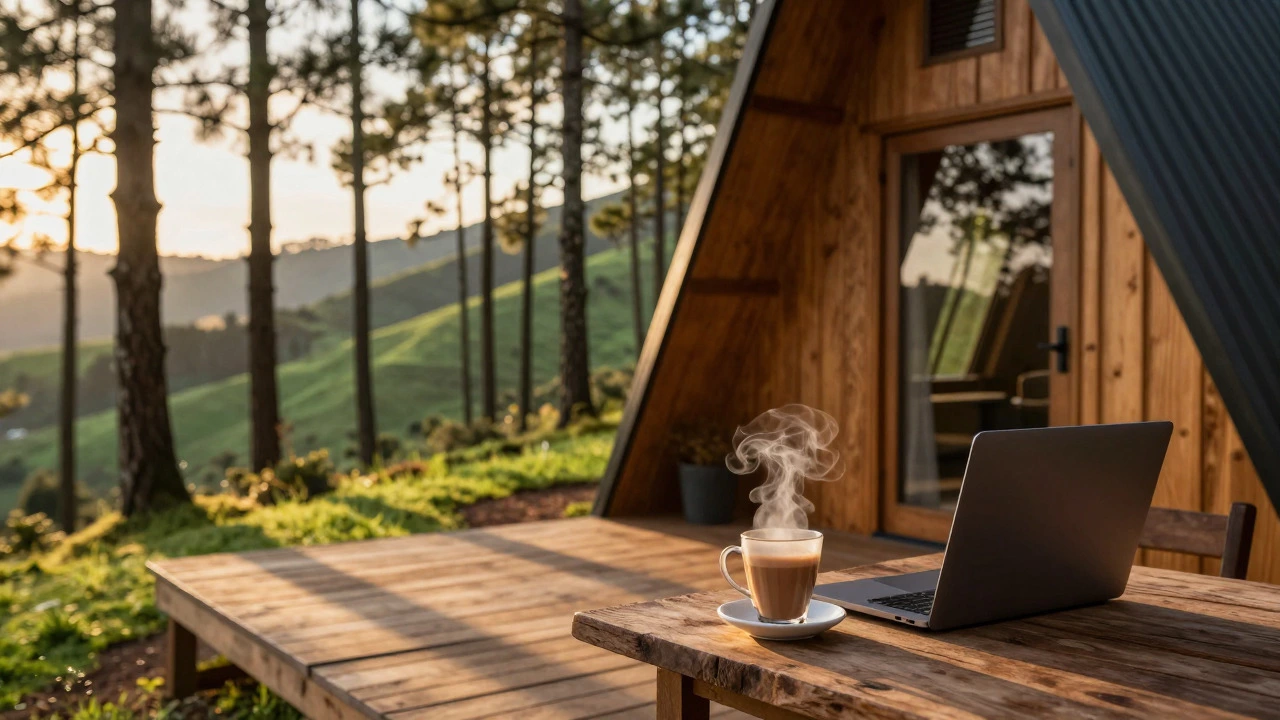
- The Nature Retreat: Focuses on disconnecting from technology. Think camping, glamping, or staying in a forest lodge. The goal is silence and fresh air.
- The Urban Explorer: Involves visiting a nearby city for culture, food, and nightlife. This is ideal if you find nature too isolating and prefer human connection and entertainment.
- The Wellness Escape: Centers around spa treatments, yoga retreats, or thermal baths. The itinerary is slow and focused on physical healing.
- The Adventure Burst: Includes high-energy activities like rock climbing, kayaking, or skiing. This releases endorphins quickly but requires more physical preparation.

How to Plan Without the Stress
The biggest mistake people make with weekend getaways is over-planning. If you spend Sunday night researching hotels and Monday through Wednesday creating a minute-by-minute itinerary, you haven't rested yet. The secret is simplicity.
- Pick a Radius: Limit your search to destinations within a 3-4 hour drive or flight. Anything longer eats into your actual relaxation time with transit fatigue.
- Book One Night Only: For a true weekend reset, one overnight stay is often enough. It creates the boundary of "being away" without requiring extensive packing.
- Choose Accommodation Wisely: Your hotel or rental is your base. Ensure it has good reviews for cleanliness and comfort. Since you'll be there mostly to sleep and decompress, quality matters more than location amenities.
- Leave Room for Boredom: Don't schedule every hour. Allow for spontaneous walks, coffee breaks, or just sitting in a park. Boredom is where creativity and rest happen.
Budgeting for Short Trips
Many assume weekend getaways are expensive luxury indulgences. In reality, they can be very affordable if you manage expectations. The cost usually comes from last-minute bookings or choosing premium locations.
| Expense Category | Staycation (Home) | Weekend Getaway (Budget) | Weekend Getaway (Mid-Range) |
|---|---|---|---|
| Accommodation | $0 | $80 - $150 | $200 - $400 |
| Transportation | $0 | $30 - $60 (Gas/Fuel) | $100 - $200 (Flight/Train) |
| Food & Drink | $50 (Groceries) | $100 - $150 | $200 - $300 |
| Activities | $20 (Movies/Parks) | $50 - $100 | $150 - $250 |
| Total Estimated Cost | $70 | $260 - $460 | $650 - $1,150 |
To keep costs down, consider midweek stays if your work allows flexible Fridays, or look for destinations that offer free attractions like public beaches, hiking trails, or historic districts. Eating at local diners instead of tourist traps can also cut food bills in half.
Common Pitfalls to Avoid
Even simple trips can go wrong if you ignore basic logistics. Here are the most common errors travelers make:
- Overpacking: You only need clothes for two days. Leave the formal wear and excessive shoes at home. A carry-on or backpack is sufficient.
- Ignoring Weather: Check the forecast for your destination, not just your home city. Rain can ruin an outdoor plan, so have a backup indoor activity ready.
- Working While Away: The temptation to check emails is real. Set an auto-responder or simply turn off notifications. If you work, you haven't escaped.
- Choosing Too Far: As mentioned, keep transit under four hours. Long drives lead to exhaustion before you even arrive.

The Impact on Relationships
If you're traveling with a partner, friends, or family, a weekend getaway serves a different function. It’s an opportunity for uninterrupted connection. In daily life, distractions like phones, chores, and schedules fragment our attention. On a short trip, you share experiences-like trying a new restaurant or getting lost in a new neighborhood-that build shared memories.
However, communication is key. Discuss expectations beforehand. Does everyone want to hike, or does someone prefer lounging? Compromise early to avoid conflict. A successful group getaway leaves everyone feeling closer, not drained.
Sustainability in Short Travel
With growing awareness of climate change, how do we justify frequent short trips? The answer is conscious choice. Opt for eco-friendly accommodations that use renewable energy and reduce waste. Choose trains or buses over flights when possible, as rail travel has a significantly lower carbon footprint per passenger mile. Support local businesses by eating at locally owned restaurants and buying souvenirs from artisans. This ensures your money benefits the community you're visiting rather than large corporate chains.
Conclusion: Reclaiming Your Time
A weekend getaway is not a luxury; it’s a maintenance tool for your mental health. It proves that you don’t need months off to feel refreshed. By stepping away from your routine, even briefly, you gain perspective, reduce stress, and return to your responsibilities with renewed energy. The next time you feel overwhelmed, don’t wait for a big vacation. Plan a small escape. Your mind will thank you.
How far should a weekend getaway be?
Ideally, a weekend getaway should be within a 3 to 4-hour drive or flight. This minimizes transit time, ensuring you spend the majority of your limited free time actually relaxing and exploring rather than traveling. Longer commutes can lead to fatigue that negates the benefits of the trip.
Is a weekend getaway worth the cost?
Yes, if planned wisely. While it may cost more than staying home, the mental health benefits of reduced stress and increased happiness often outweigh the financial expense. Budget options like camping, hostels, or visiting nearby towns can keep costs low while providing a significant change of scenery.
What is the difference between a staycation and a weekend getaway?
A staycation involves taking time off while remaining in your own home or local area, whereas a weekend getaway requires traveling to a different location, usually involving overnight accommodation. The key distinction is the physical removal from your daily environment, which helps create a stronger psychological break from routine.
How do I pack for a weekend getaway?
Pack light. You only need essentials for two days: comfortable clothing suitable for the weather, toiletries, chargers, and any necessary medications. Use a carry-on bag or backpack to avoid checking luggage, which saves time and hassle. Versatile outfits that can be mixed and matched are best.
Can a weekend getaway help with work burnout?
Absolutely. Burnout is often caused by chronic stress and lack of recovery time. A weekend getaway provides a forced disconnection from work triggers and offers opportunities for rest, nature exposure, and new experiences, all of which are proven to lower cortisol levels and improve mood.