Post-Trek Recovery Simulator
Select a trek phase or timeline stage to view specific physiological effects and recommended recovery actions.
Ascent
Hypoxia & Cardio LoadDescent
Eccentric ContractionCamp Night
Temp Drop & FatigueThe Ascent: Oxygen Debt
Primary Stressor:
Hypoxia (low oxygen) and increased cardiovascular load. At altitudes above 3,000m, atmospheric pressure drops, reducing oxygen per breath.
Body Response:
- Increased heart rate to circulate limited oxygen.
- Shallow, rapid breathing patterns.
- Kidneys release EPO to boost red blood cell production over time.
Recovery Action:
Note: Altitude sickness symptoms can persist post-descent due to residual hypoxia.
The Descent: Micro-Tears & Joint Impact
Primary Stressor:
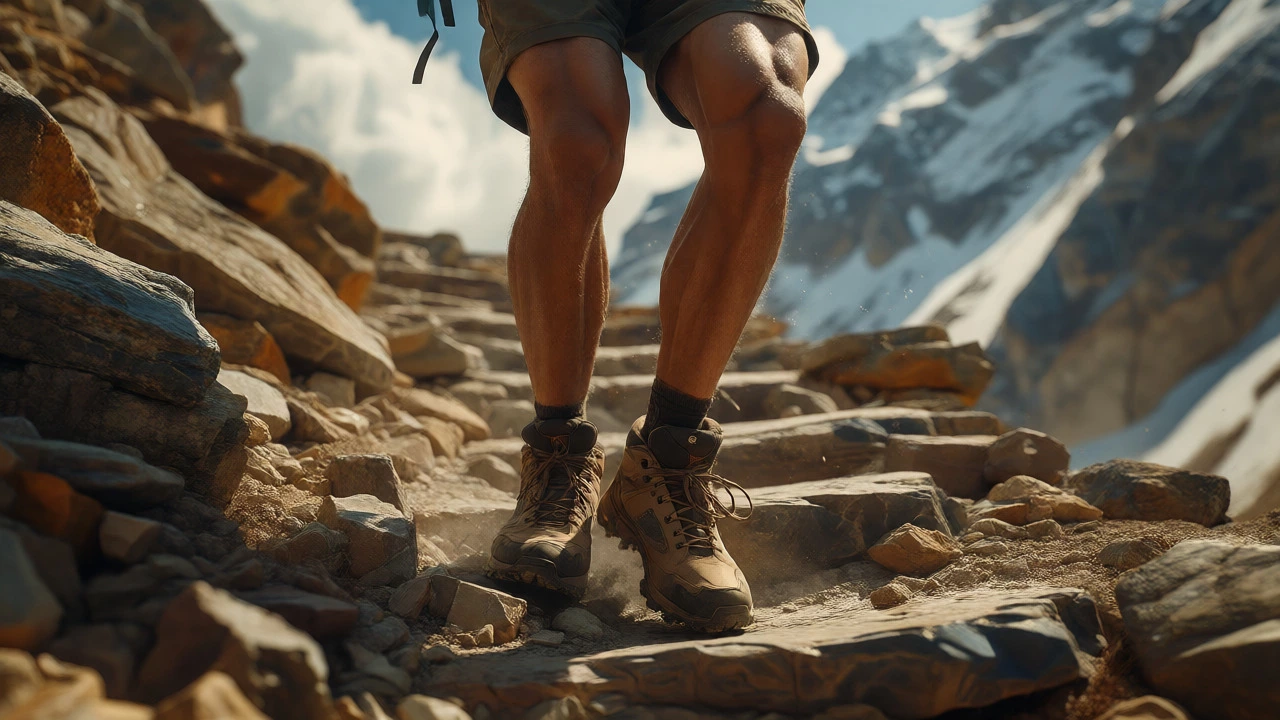
Eccentric muscle contraction. Quadriceps lengthen under load while controlling descent speed. Knees absorb impact forces up to 3x body weight.
Body Response:
- Microscopic tears in muscle fibers leading to DOMS (Delayed Onset Muscle Soreness).
- Joint compression and potential inflammation in knees/ankles.
- Lower back stiffness if trekking poles were not used.
Recovery Action:
Camp Night: Thermal & Immune Shift
Primary Stressor:
Significant temperature drop combined with accumulated physical fatigue.
Body Response:
- Vasoconstriction (blood vessels narrow) to preserve core heat.
- Temporary reduction in immune function.
- Disrupted REM sleep cycles due to altitude effects.
Recovery Action:
Select a Trek Phase Above
Click on 'Ascent', 'Descent', or 'Camp Night' to see detailed physiological impacts.
Track your progress through the critical first week. Check off tasks as you complete them.
Days 1-2: Active Rest
Days 3-5: Mobility Work
Day 6+: Strength Training
You just finished a grueling ascent up the Himalayas. Your legs feel like lead, your lungs are still adjusting to the thin air, and you’re wondering if that twinge in your knee is normal or a warning sign. It’s not just fatigue; it’s a biological reset. Trekking triggers a cascade of physiological changes, from micro-tears in muscle fibers to shifts in blood oxygen saturation. Understanding these mechanisms helps you recover faster and prevents minor discomforts from becoming career-ending injuries.
The Immediate Physical Toll: Muscles and Joints
Within hours of descending, your body enters a state of acute inflammation. This isn't damage in the bad sense; it's repair mode. When you hike uphill, your quadriceps shorten; when you descend, they lengthen under load, causing eccentric contraction. This specific motion creates microscopic tears in the muscle fibers. The result? Delayed Onset Muscle Soreness (DOMS), which typically peaks 24 to 72 hours post-trek.
In the Indian context, where trails often involve loose scree or steep stone steps (like those on the Hampta Pass or Kedarkantha routes), your joints take a beating too. The knees and ankles absorb impact forces up to three times your body weight on downhill sections. If you didn’t use trekking poles, your lower back likely compensated for the imbalance, leading to stiffness that lingers for days. Hydration plays a critical role here. Dehydrated muscles heal slower because nutrients can’t flush out metabolic waste products like lactate effectively.
| Phase | Primary Stressor | Body Response | Recovery Action |
|---|---|---|---|
| Ascent | Hypoxia & Cardiovascular Load | Increased heart rate, shallow breathing | Controlled breathing exercises |
| Descent | Eccentric Muscle Contraction | Muscle fiber micro-tears, joint compression | Protein intake, gentle stretching |
| Camp Night | Temperature Drop & Fatigue | Vasoconstriction, reduced immune function | Warm fluids, early sleep |
Altitude Adjustment: What Happens Above 3,000 Meters
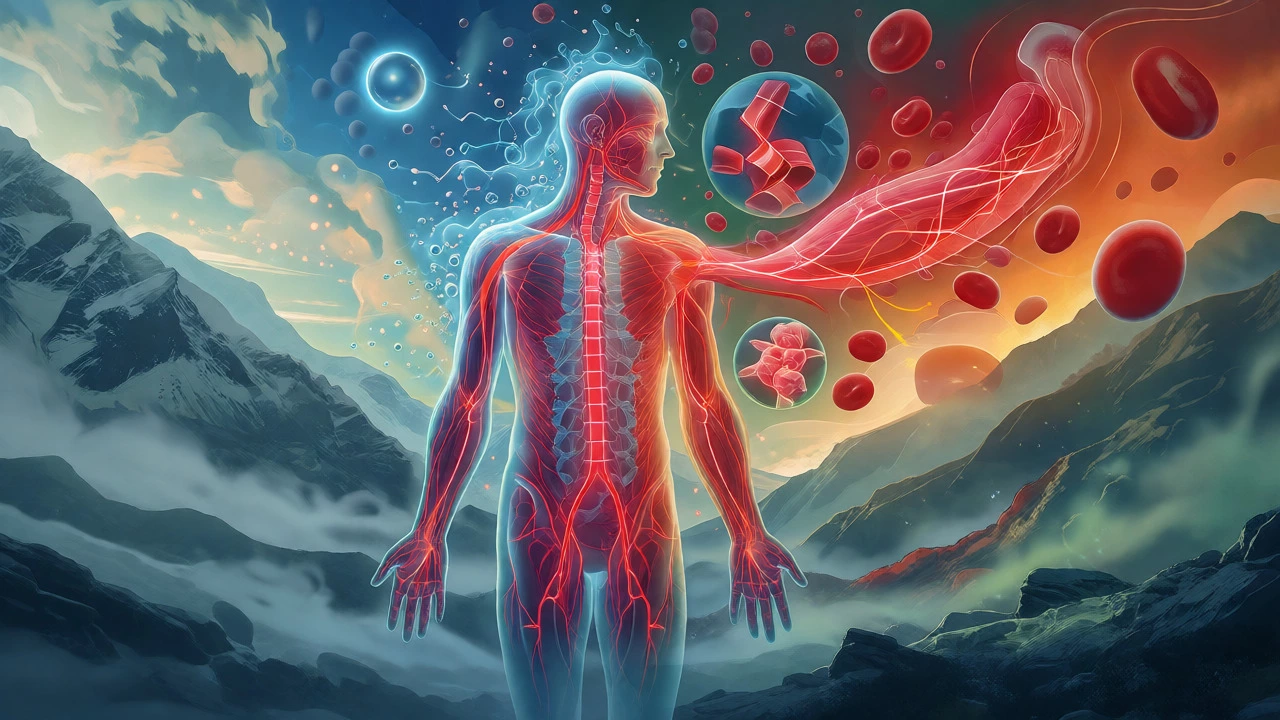
If your trek took you above 3,000 meters-common in Ladakh, Spiti, or Uttarakhand-your body underwent significant hematological changes. At high altitudes, atmospheric pressure drops, meaning each breath contains less oxygen. To compensate, your kidneys release erythropoietin (EPO), stimulating the bone marrow to produce more red blood cells. This process doesn’t happen overnight. You might feel short of breath even after returning to sea level because your blood viscosity has temporarily increased.
A common misconception is that altitude sickness only happens during the climb. Post-trek headaches are frequent due to dehydration combined with residual hypoxia. Alcohol exacerbates this. Many trekkers celebrate their descent with beer, but alcohol is a diuretic. It pulls water away from tissues that desperately need it for cellular repair. Stick to electrolyte-rich fluids like coconut water or oral rehydration salts (ORS) available at every medical store in Indian hill towns.
Gut Health and Digestive Shifts
High-altitude trekking suppresses digestion. Blood flow diverts from the stomach to the muscles and lungs, leaving your gut sluggish. You might have eaten dry snacks or instant noodles for days, lacking fiber and probiotics. Once you return to civilization and eat heavy meals, your digestive system may rebel. Bloating and constipation are classic post-trek complaints.
Reintroduce food gradually. Start with warm soups, khichdi, or porridge before tackling spicy curries or fried foods. Your gut microbiome needs time to recalibrate. Probiotic yogurt or buttermilk (chaas) can help restore bacterial balance faster than supplements alone.
Mental Clarity and Sleep Disruption
Physical exhaustion often masks mental fatigue. During multi-day treks, sensory deprivation occurs-you stare at rocks, snow, and sky for days. Upon returning to urban noise, screens, and social interaction, many experience "reverse culture shock." Your brain, accustomed to slow rhythms, struggles with rapid stimuli.
Sleep patterns also disrupt. High altitude affects REM sleep cycles. You might find yourself waking up gasping or feeling unrested despite sleeping ten hours. This usually resolves within two nights of returning to normal oxygen levels. Avoid heavy sedatives; let your circadian rhythm reset naturally with morning sunlight exposure.
Practical Recovery Protocol for Indian Trekkers
Don’t rush back into gym routines. Your central nervous system is depleted. Here is a realistic timeline for recovery after a moderate-to-hard trek in India:
- Day 1-2: Active Rest. Walk gently around your accommodation. Stretch hamstrings and calves. Drink 3-4 liters of water daily. Focus on anti-inflammatory foods like turmeric milk.
- Day 3-5: Mobility Work. Light yoga or swimming helps flush out lactic acid without stressing joints. Foam rolling becomes effective now as acute pain subsides.
- Day 6+: Strength Training. Resume lifting weights only if DOMS is gone. Start with 50% of your pre-trek load. Your stabilizer muscles were overworked on uneven terrain; give them time to adapt.
Watch for red flags. Sharp, localized pain in the knee or ankle that persists beyond a week could indicate ligament strain. Persistent cough with chest tightness might signal pulmonary edema, though rare, it requires immediate medical attention. In remote areas like Zanskar or Tirthan Valley, local clinics are equipped for basic checks, but always carry a pulse oximeter to monitor oxygen saturation trends post-descent.
Preventing Future Breakdowns
Recovery starts before you pack. Strengthening your glutes and core reduces knee stress. Practice eccentric leg exercises (slow step-downs) months before your trip. Acclimatization schedules matter more than fitness levels. A fit person who rushes altitude will suffer more than a moderately fit person who ascends slowly.
Use trekking poles. They reduce knee load by up to 25%. Choose boots with adequate ankle support for rocky Indian trails. And listen to your body-if something hurts sharply, stop. Pushing through pain turns a three-day limp into a three-month rehab.
How long does muscle soreness last after trekking?
Typically, severe soreness (DOMS) lasts 3 to 5 days. Mild stiffness can persist for a week. If pain exceeds this window, consider seeing a physiotherapist.
Why do I feel tired even after sleeping well post-trek?
Your body is repairing tissue damage and restoring glycogen stores. This metabolic process consumes significant energy. Additionally, high-altitude exposure disrupts deep sleep cycles, so true restorative sleep takes several nights to resume.
Is it safe to drink alcohol after a high-altitude trek?
It is better to wait 24-48 hours. Alcohol dehydrates you and interferes with muscle protein synthesis. Since your body is already stressed from altitude, adding alcohol delays recovery and increases headache risk.
What should I eat immediately after finishing a trek?
Prioritize carbohydrates and proteins. Khichdi with ghee, banana smoothies, or eggs with toast are excellent choices. Rehydrate with electrolytes before consuming solid heavy meals to avoid gastric distress.
Can trekking cause long-term joint damage?
Not if done correctly. Proper footwear, gradual progression, and strengthening exercises protect joints. However, ignoring persistent pain or descending too fast on rough terrain can lead to chronic issues like patellofemoral pain syndrome.