Indian Railways Cabin Privacy & Comfort Estimator
Select a train class to view detailed insights on privacy, bathroom availability, and overall comfort based on standard Indian Railways configurations.
You’re booking a ticket for that epic cross-country trip across India. You see the option for "AC 3 Tier" or maybe you’ve heard friends rave about the privacy of a Roomette. But then the panic sets in: does this little compartment have its own toilet? If you’re stuck on an overnight journey and need to freshen up at 3 AM, do you really want to stumble into a shared corridor?
The short answer is no. In the context of standard Indian Railways coaches (and most global rail equivalents labeled similarly), a Roomette does not have an attached private bathroom. It’s a crucial distinction that trips up many first-time travelers expecting hotel-style en-suite facilities. However, understanding what you *do* get-and how it compares to other classes-can save your sanity on long hauls.
What Exactly Is a Roomette?
Before we talk about plumbing, let’s clear up the terminology. The term "Roomette" often causes confusion because different railways use it differently. In the United States, Amtrak Roomettes are small, single-occupancy cabins with fold-down beds and a sink. But when people ask this question in the context of Indian Railways, they are usually referring to the upper-tier berths in AC 3 Tier Economy or standard AC 3 Tier coaches.
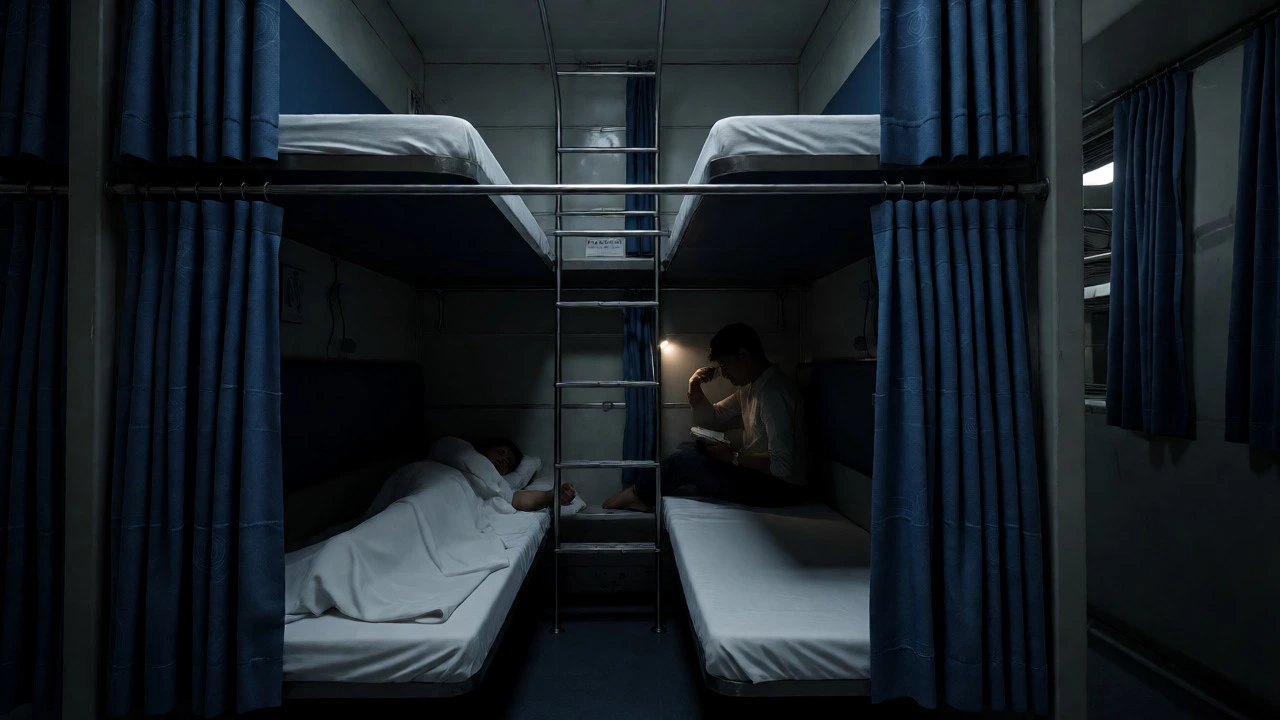
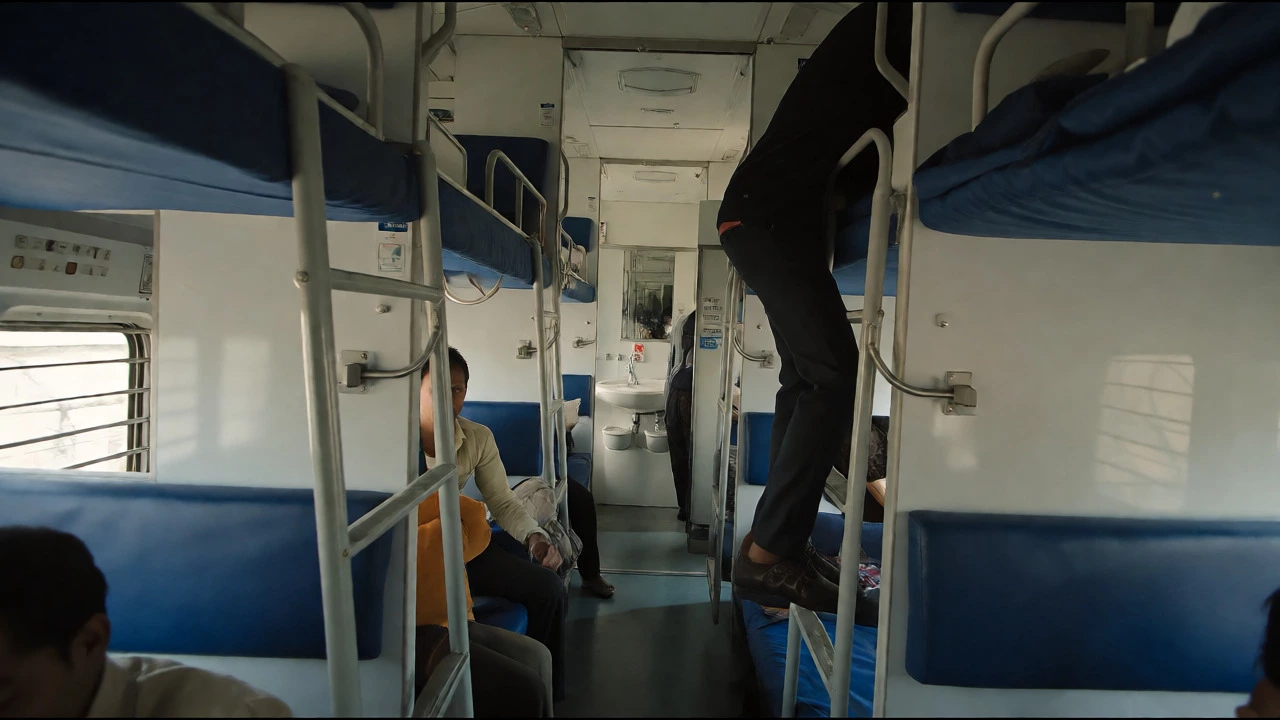
In the Indian context, these aren’t separate rooms. They are open-plan bays. A typical bay has six berths: two lower, two middle, and two upper, arranged in a cubicle-like structure with curtains. There is no door that locks from the inside like a hotel room. The "privacy" comes from the curtain and the physical separation from the aisle. Think of it as a semi-private booth rather than a sealed room.
The Bathroom Situation: Shared vs. Private
Since there is no attached bathroom, you share facilities with everyone else in the coach. Here is the reality of the layout:
- Toilets: Each AC 3 Tier coach typically has two toilets at either end of the carriage. These are shared by all 72 passengers (in standard configuration) or fewer in Economy variants.
- Sinks: There are usually washbasins near the toilets and sometimes in the vestibule area.
- Showers: Rarely available in standard AC 3 Tier. You might find bucket showers in some premium trains or specific routes, but don’t count on them.
This means if you’re in the middle berth, you’ll be navigating the narrow aisle past strangers to get to the loo. During peak hours-like right after breakfast or before dinner-the line can stretch out. It’s manageable, but it’s not the seamless experience of a cruise ship cabin.
Why Choose a Roomette-Style Bay Over Other Classes?
If there’s no private bathroom, why do so many travelers prefer these bays over open sleeper coaches? It comes down to security and comfort trade-offs.
AC 2 Tier offers more space with four berths per bay, but it’s significantly more expensive. Sleeper Class is cheap but lacks air conditioning and privacy curtains. The AC 3 Tier sits in the sweet spot. It provides climate control, bedding, and a sense of personal territory via curtains. For many, the lack of a private toilet is a small price to pay for affordable luxury.
| Feature | AC 3 Tier (Roomette Style) | AC 2 Tier | Sleeper Class | Rajdhani/Shatabdi |
|---|---|---|---|---|
| Private Bathroom | No | No | No | No (Standard) |
| Privacy Level | Curtains only | Curtains only | None | Open seating |
| Air Conditioning | Yes | Yes | No | Yes |
| Bedding Provided | Yes | Yes | No (Bring your own) | N/A (Seats) |
| Cost Index | Medium | High | Low | High |
The Exception: When Do Trains Have Private Baths?
Are there any train classes where you actually get a private shower and toilet? Yes, but they come with a hefty price tag. If you truly want en-suite facilities, you need to look beyond standard AC tiers.
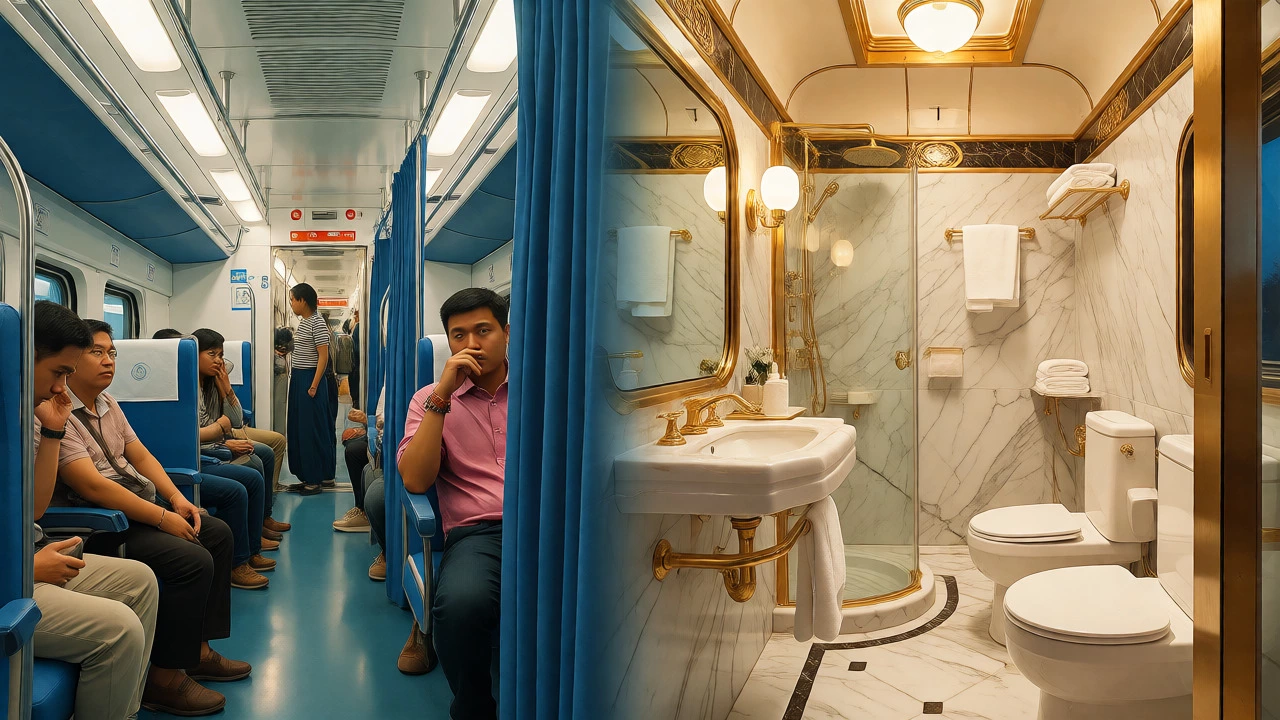
First Class AC in older coaches sometimes had enclosed compartments, but modern rolling stock rarely offers private baths here either. The real game-changers are Luxury Tourist Trains like the Palace on Wheels or Maharajas’ Express. These are essentially five-star hotels on wheels. Every cabin has a marble-finished bathroom with a shower.
Another emerging category is the Vande Bharat Express (semi-high speed). While still using shared toilets, the hygiene standards and frequency of cleaning are drastically higher than regular mail trains. Some new designs even feature individual charging ports and better ventilation, mimicking the comfort of a private room without the actual walls.
Surviving Without a Private Bathroom: Pro Tips
So, you’ve booked the AC 3 Tier. No private bath. Now what? Here is how seasoned travelers handle the shared facility dynamic.
Timing is everything. Avoid using the toilet during meal times. When the pantry car distributes lunch trays, everyone rushes to eat or use the restroom simultaneously. Go early or late.
Carry your own kit. Don’t rely on the train providing soap or paper. Pack a small toiletry bag with wet wipes, hand sanitizer, and your preferred toilet paper. Trust me, the state of public train toilets varies wildly depending on the route and the crew.
Choose your berth wisely. If you’re worried about noise and traffic from people going to the bathroom, try to book a berth away from the ends of the coach. The lower berths are closer to the aisle activity, while upper berths require climbing, which can be tricky in the dark if you need a midnight bathroom break.
Is It Worth It? Weighing Comfort vs. Convenience
Let’s be honest: waking up in a moving train with a cramped bladder isn’t fun. But compare the cost. A flight from Delhi to Mumbai costs three times as much as an AC 3 Tier ticket. You save money, sleep through the night, and wake up refreshed (mostly).
The lack of a private bathroom is a minor inconvenience compared to the financial savings and the unique cultural experience of sharing a space with hundreds of others. It forces you to adapt, to pack light, and to embrace the rhythm of the rails. If you absolutely cannot compromise on privacy, splurge for a luxury tourist train. But for the vast majority of travelers, the shared toilet is a small tax paid for affordable, comfortable travel.
Do AC 3 Tier Economy coaches have fewer passengers than standard AC 3 Tier?
Yes. Standard AC 3 Tier coaches typically accommodate 72 passengers, while AC 3 Tier Economy (often called 'Economy' or 'Tatkal' variants in some contexts) may have slightly different configurations or pricing structures, but the physical capacity remains similar. The main difference is usually pricing and booking rules, not necessarily a drastic reduction in passenger density per coach.
Can I lock my luggage in a Roomette-style bay?
There are no individual locks for each berth. Most passengers use chain locks provided by the railway or bring their own padlocks to secure bags to the under-seat racks. Since the bay is open to the aisle, keep valuables close to your body or in a neck pillow while sleeping.
Are the toilets in AC 3 Tier clean?
Hygiene varies significantly based on the train's origin, destination, and maintenance schedule. Newer LHB (Linke Hofmann Busch) coaches generally have cleaner, vacuum-flush toilets compared to older ICF coaches. Carrying disinfectant spray and wet wipes is highly recommended regardless of the coach type.
Is there water available for brushing teeth?
Yes, taps are available near the toilets and in the vestibules. However, the water pressure can be low, and the quality might not be potable. Always carry bottled drinking water for brushing and rinsing.
What is the difference between a Roomette and a Coupe?
In international rail terms, a Roomette is usually for one person, while a Coupe is for two. In Indian Railways, neither exists as a fully enclosed private room in standard classes. The term is often misused by travelers to describe the curtained bays of AC 3 Tier. True private coupes are found in First Class AC on some heritage or luxury trains.