Indian Cultural Diversity Quiz
Explore the rich tapestry of Indian culture by answering questions about its languages, faiths, foods, and traditions.
Ready to Explore?
This quiz covers key aspects of Indian cultural diversity including language families, religious practices, and regional cuisines.
Question Text Here
Quiz Complete!
You scored:
0/5
Keep learning about India's diverse heritage!
Ask ten people what Indian culture is, and you’ll get ten different answers. That’s because there isn’t one single "Indian culture." It’s a massive, living mosaic stitched together from thousands of years of history, geography, and religion. If you’re planning a trip or just curious about this subcontinent, understanding that diversity is the first step. You aren’t visiting a monolith; you’re entering a continent-sized experiment in coexistence.
| Dimension | Dominant Feature | Regional Variation Example |
|---|---|---|
| Language | Hindi & English (official) | Tamil in South, Bengali in East, Marathi in West |
| Religion | Hinduism (majority) | Islam in North/Central, Sikhism in Punjab, Christianity in Kerala/Northeast |
| Cuisine | Spices & Vegetarianism | Rice-based South vs. Wheat-based North; Seafood-heavy coastal areas |
| Festivals | Diwali & Holi | Pongal (Tamil), Bihu (Assam), Eid (Pan-India), Onam (Kerala) |
The Myth of a Single Identity
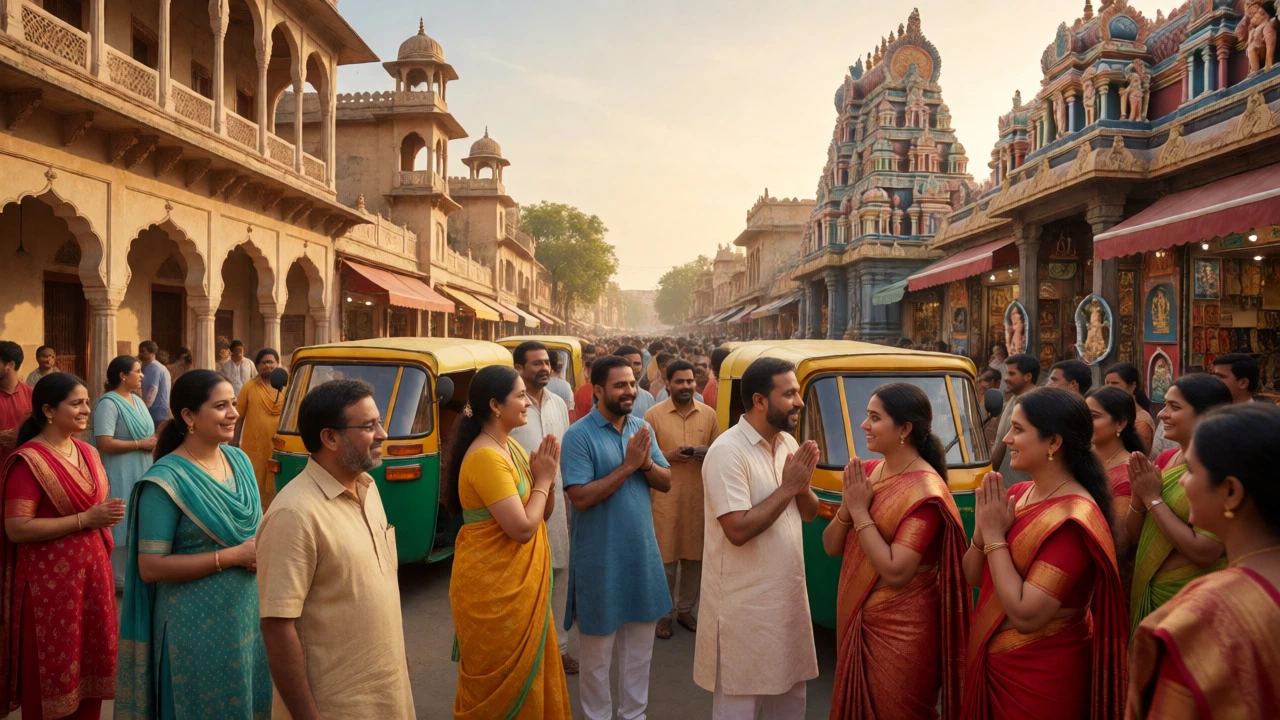
Westerners often make the mistake of viewing India through a narrow lens-usually Bollywood movies or yoga retreats. But India is home to over 1.4 billion people speaking more than 19,500 languages or dialects. The culture changes every few hundred kilometers. Drive from Delhi to Chennai, and you’re not just changing states; you’re changing scripts, foods, clothing styles, and even the way people greet each other. In the North, you might hear "Namaste" with folded hands; in parts of the South, a respectful nod suffices. This variety isn’t chaos; it’s the core feature of Indian society.
Think of it like Europe. You wouldn’t say "European culture" defines everything from Paris to Athens without nuance. India is similar but on a much larger scale. The unifying thread isn’t uniformity-it’s a shared tolerance for difference. Families, communities, and cities operate with an implicit understanding that everyone has their own way, and that’s okay. For a traveler, this means you never run out of new experiences. One day you’re watching classical dance in Kerala, the next you’re listening to Sufi music in Delhi.
Religious Pluralism as Cultural Backbone
You can’t talk about culture here without talking about faith. While Hinduism accounts for about 80% of the population, the cultural landscape is deeply influenced by Islam, Sikhism, Christianity, Buddhism, and Jainism. These religions don’t just exist side-by-side; they blend into daily life. Architecture in Hyderabad mixes Hindu and Islamic motifs. Food in Lucknow reflects Mughal influences, while food in Amritsar showcases Sikh hospitality principles known as Langar.
This religious mix creates unique cultural pockets. Visit Varanasi, and you’re seeing ancient Hindu rituals along the Ganges. Go to Amritsar, and the Golden Temple feeds 100,000 people daily regardless of background. Head to Goa, and you’ll find Portuguese-influenced Catholic churches alongside Hindu temples. The key takeaway? Religion in India is less about strict dogma and more about community, ritual, and celebration. Festivals are public spectacles where boundaries blur. During Diwali, Muslims light lamps too. During Eid, Hindus share sweets. This syncretism is arguably the most distinct aspect of Indian culture.
Linguistic Diversity: More Than Just Hindi
If you assume everyone speaks Hindi, you’re in for a surprise. Hindi is widely understood in the North, but in the South, languages like Tamil, Telugu, Kannada, and Malayalam dominate. These aren’t dialects; they are Dravidian languages with completely different roots from Indo-Aryan Hindi. A signboard in Bangalore looks nothing like one in Jaipur. Even within states, dialects vary wildly. A Punjabi speaker might struggle to understand a Bihari speaker, despite both being "North Indian."
- Hindi Belt: Dominates North and Central India. Includes states like Uttar Pradesh, Madhya Pradesh, and Rajasthan.
- Dravidian Languages: Prevail in South India. Known for complex grammar and rich literary traditions dating back millennia.
- Eastern Languages: Bengali, Odia, and Assamese have strong literary heritages and distinct scripts.
- Northeastern Languages: Often Tibeto-Burman families, completely unrelated to mainland Indian languages.
For tourists, this means learning a few local phrases goes a long way. Saying "Nandi" (Thank you) in Tamil earns instant smiles in Chennai. In Kolkata, "Dhonnobad" works wonders. Language shapes identity here more than anywhere else. People are fiercely proud of their mother tongue, and respecting that pride opens doors.
Culinary Cultures: Spices, Staples, and Rituals
Food is the fastest way to understand regional differences. There is no "Indian curry" generic dish. What we call curry abroad is a British simplification. In reality, cuisine is defined by geography. Coastal regions rely on seafood and coconut. Arid deserts use dried lentils and ghee for preservation. The Himalayas offer hearty stews to combat cold.
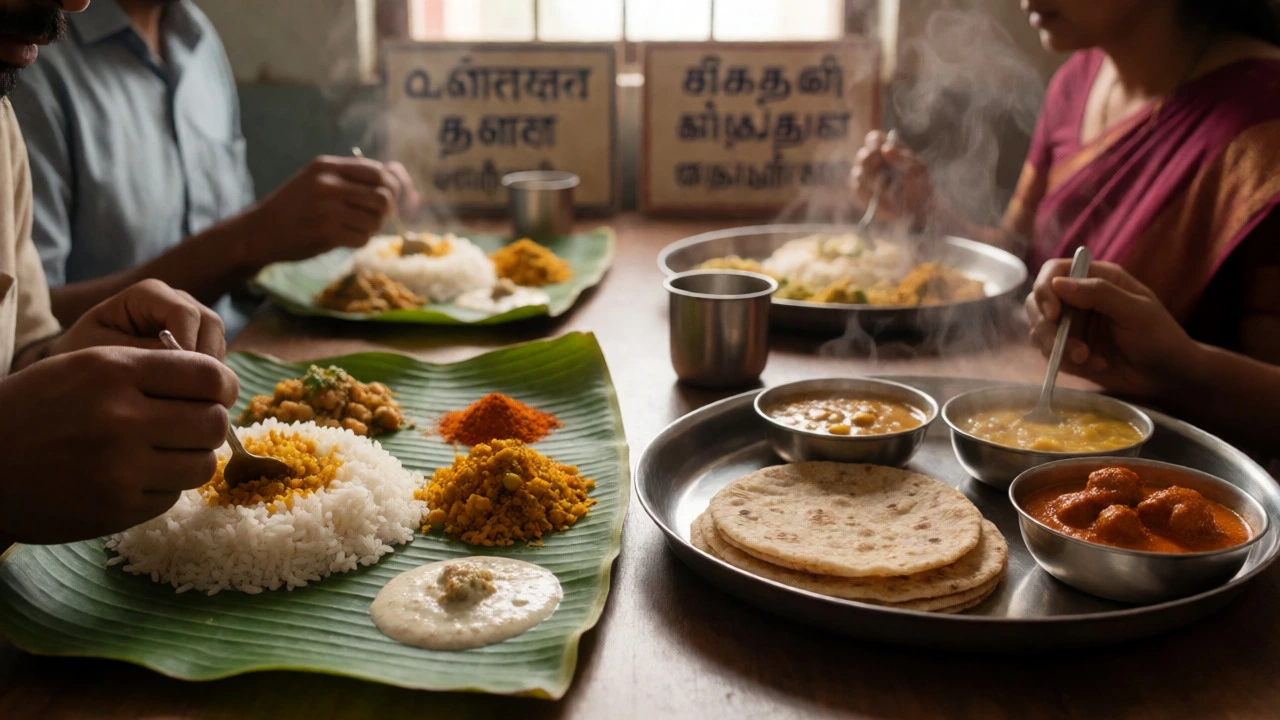
Vegetarianism is widespread due to religious beliefs, particularly among Jains and many Hindus. However, non-vegetarian dishes are equally culturally significant. Butter Chicken originated in Delhi post-partition. Hyderabadi Biryani reflects Persian influence. Chettinad cuisine uses fire-roasted spices rarely found elsewhere. Eating habits also vary. In the South, meals are served on banana leaves. In the North, metal plates are common. Hand-eating is standard in many homes, considered more intimate and sensory than using cutlery.
Festivals: The Rhythm of Life
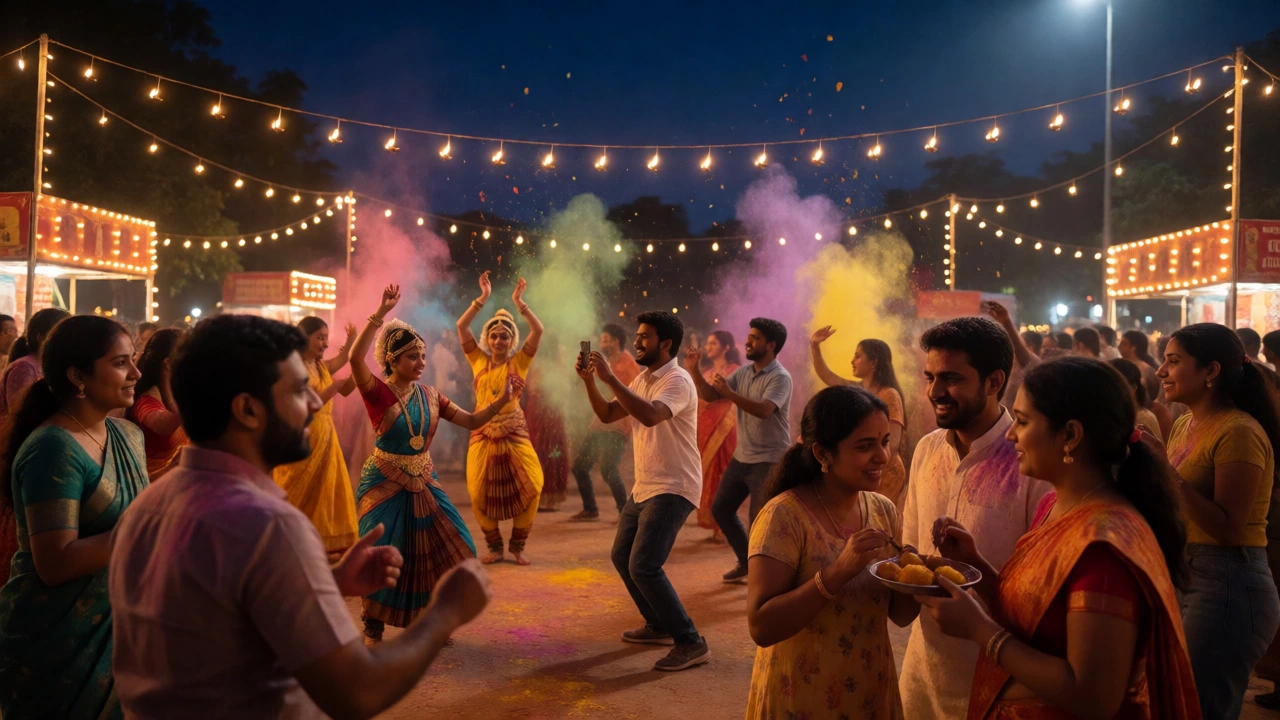
If you want to see culture in action, time your visit around a festival. India celebrates more days off than any other country. Diwali, the Festival of Lights, is national. But regional festivals tell deeper stories. Pongal in January thanks nature for the harvest in Tamil Nadu. Bihu in Assam marks the agricultural cycle. Onam in Kerala features snake boat races and flower carpets.
These aren’t just holidays; they’re social glue. Families reunite. Strangers exchange gifts. Temples overflow with devotees. For travelers, witnessing a festival provides context you won’t get from museums. You see how people pray, how they cook, how they dress. It’s raw, unfiltered culture. Pro tip: Book accommodation months in advance during major festivals. Rooms sell out fast, and prices triple.
Arts and Performing Traditions
Indian arts are ancient and highly structured. Classical dances like Bharatanatyam (South), Kathak (North), and Manipuri (Northeast) tell mythological stories through precise gestures. Each form has its own costume, music, and philosophy. Music divides into Hindustani (North) and Carnatic (South). Both use ragas-melodic frameworks-but improvise differently. Cinema, especially Bollywood, exports a glamorous version of culture, but regional film industries like Tollywood (Telugu) and Kollywood (Tamil) have massive followings and distinct storytelling styles.
Handicrafts also reflect local resources. Kashmir shawls use pashmina wool. Rajasthan block-printed fabrics use natural dyes. Banaras silk saris are woven with gold threads. Buying authentic crafts supports local artisans and preserves techniques passed down for generations. Avoid mass-produced souvenirs. Look for items made by hand, often visible in small workshops rather than big malls.
Social Norms and Etiquette
Understanding social codes prevents awkward moments. Respect for elders is paramount. Touching feet of grandparents or teachers shows humility. Public displays of affection are frowned upon outside metros. Dress modestly, especially when visiting religious sites. Cover shoulders and knees. Remove shoes before entering temples or homes. This isn’t just rule-following; it’s showing respect for sacred spaces.
Hospitality is legendary. Guests are treated as gods (Atithi Devo Bhava). Don’t be surprised if strangers invite you for tea or help you navigate a train station. Reciprocate with warmth. A smile goes further than perfect grammar. Patience is also key. Things move at their own pace. Trains delay. Shops close unexpectedly. Embrace the chaos instead of fighting it. That flexibility is part of the cultural experience.
Modern Shifts and Urban Culture
India isn’t stuck in the past. Urban centers like Mumbai, Bangalore, and Delhi blend tradition with modernity. Young Indians code-switch between traditional values and global trends. Coffee shops sit next to chai stalls. Tech startups thrive beside centuries-old temples. Social media influences fashion and slang rapidly. Yet, family remains central. Arranged marriages still happen, though love matches are increasing. The tension between old and new drives much of contemporary art, literature, and cinema.
For visitors, this duality is fascinating. You can attend a tech conference in the morning and a classical music recital in the evening. The culture is dynamic, constantly evolving while holding onto roots. It’s not static museum piece; it’s alive, breathing, and sometimes contradictory.
Practical Tips for Cultural Immersion
To truly grasp what culture is mostly in India, engage actively. Don’t just observe from a hotel window. Eat street food (where safe). Take local trains. Visit markets early in the morning when locals shop. Talk to auto-rickshaw drivers-they’re unofficial tour guides. Learn basic greetings in the local language. Attend a wedding if invited; you’ll see the full spectrum of rituals, food, and dance.
Avoid judging practices through your own cultural lens. What seems chaotic might be highly organized in its own logic. What seems slow might be deliberate mindfulness. Approach with curiosity, not criticism. You’ll leave with a richer understanding of human diversity.
Is there one main religion in India?
While Hinduism is practiced by about 80% of the population, India is officially secular. Significant populations practice Islam (14%), Christianity (2%), Sikhism (2%), Buddhism, and Jainism. Religious pluralism is a defining feature of the culture.
Do all Indians speak Hindi?
No. Hindi is the official language of the central government, but only about 44% of Indians speak it as a first language. The Constitution recognizes 22 scheduled languages, including Tamil, Bengali, Telugu, and Marathi. Many people are bilingual or multilingual.
What is the most famous Indian festival?
Diwali (Festival of Lights) is the most widely celebrated national festival. However, regional festivals like Holi (colors), Eid, Christmas, Pongal, and Onam are equally important depending on the region and community.
Is vegetarianism common in India?
Yes, India has the highest percentage of vegetarians in the world, estimated at 20-40% depending on the survey. This is driven by religious beliefs (Ahimsa/non-violence) and cultural traditions, particularly in Gujarat, Rajasthan, and South India.
How does culture differ between North and South India?
Major differences include language (Indo-Aryan vs. Dravidian), staple food (wheat/bread vs. rice), climate (dry/cold winters vs. humid/tropical), and architecture (Mughal/Hindu fusion vs. Dravidian temple styles). Social customs and dress codes also vary significantly.