Indian Tribal Culture Explorer
Discover India's rich indigenous heritage. Select a tribe below to learn about their unique cultural contributions, famous festivals, and how to visit respectfully.
Cultural Highlights
Famous For
Key Festival
Responsible Travel Tips
India is not just a land of ancient temples and bustling cities; it is home to over 700 distinct indigenous communities, officially recognized as Scheduled Tribes (Adivasis). If you are asking which tribe is famous in India, the answer isn't just one name. It depends on whether you are looking for vibrant festivals, deep forest traditions, or historical resistance movements. For travelers seeking authentic cultural immersion, groups like the Gond tribe, the Santhal community, and the Toda people stand out for their unique art, music, and way of life.
Understanding these communities requires moving beyond stereotypes. These are living cultures with rich histories, complex social structures, and profound connections to nature. This guide breaks down the most prominent tribes, where to find them, and how to engage respectfully during your travels.
The Gond Tribe: Masters of Forest Art
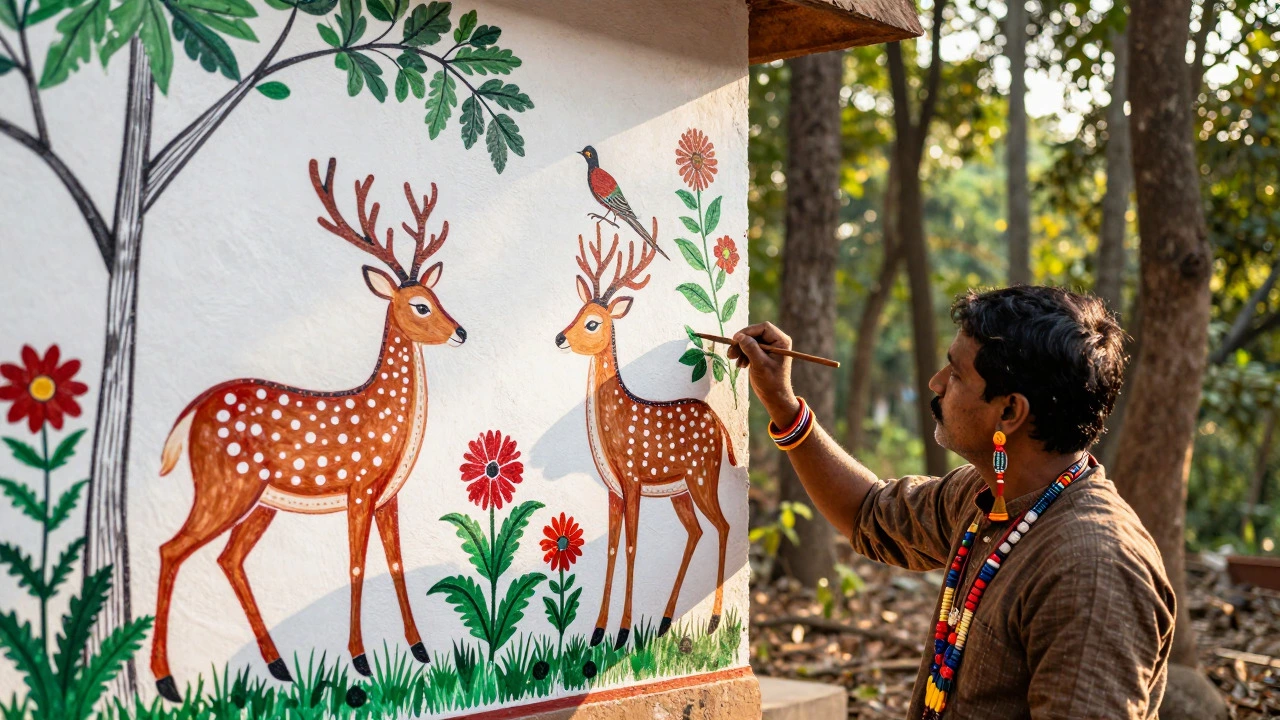
When people talk about tribal art in India, the first name that usually comes up is the Gond tribe, the largest tribal group in India, primarily residing in Madhya Pradesh, Maharashtra, Chhattisgarh, and Andhra Pradesh. They are famous globally for their intricate Warli painting style, though technically Warli is a separate coastal tribe, Gond art is often conflated with it due to its widespread popularity. The Gonds create vivid paintings using natural dyes, depicting animals, plants, and deities in a style that blends realism with fantasy.
Their fame stems from this artistic output, which has moved from village walls to international galleries. But their culture goes deeper than paint. The Gonds have a strong oral tradition, with epic songs recounting their history and connection to the forest god Teli Devta. If you visit places like Madhya Pradesh, specifically regions around Mandla and Seoni, you can witness their traditional dances and rituals during festivals like Rangpanchmi.
- Key Attribute: Known for Gond painting and folk music.
- Location: Central India (Madhya Pradesh, Chhattisgarh).
- Cultural Highlight: Worship of nature spirits and tree gods.
The Santhal Community: Guardians of the East
If the Gonds represent the artistic heart of central India, the Santhal tribe, one of the largest tribal groups in India, predominantly found in Jharkhand, West Bengal, Odisha, and Bihar represents the resilient spirit of the east. They are famous for their musical instruments, particularly the Tumbi (a single-stringed instrument) and the Dokra metal craft technique, although Dokra is shared with other groups like the Oraon.
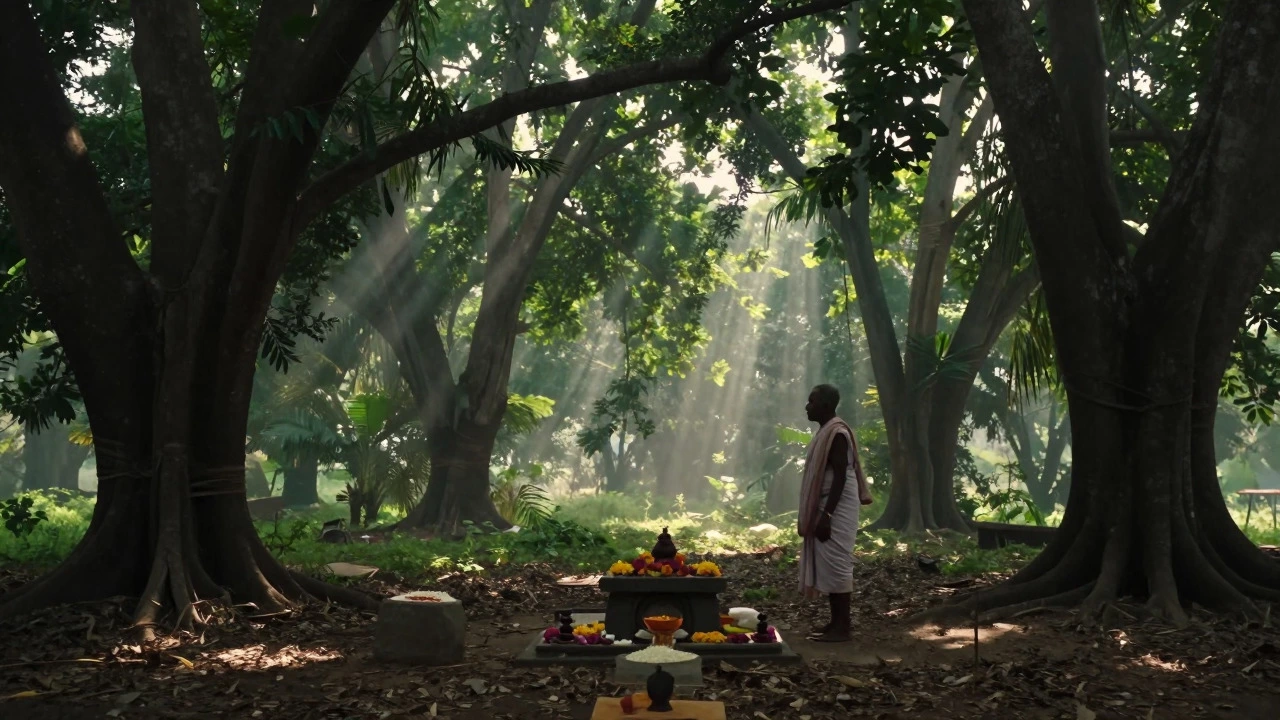
The Santhals are historically significant for the Santhal Rebellion of 1855, a massive uprising against British colonial rule and oppressive moneylenders. This event marks them as a symbol of resistance. Their culture is deeply communal, centered around the Sarna (sacred groves), where they worship the supreme deity Bonga. Visiting a Sarna grove offers a glimpse into their spiritual world, which is distinct from mainstream Hinduism, though syncretism exists.
| Tribe | Primary Region | Famous For | Key Festival |
|---|---|---|---|
| Gond | Madhya Pradesh | Gond Painting, Folk Songs | Rangpanchmi |
| Santhal | Jharkhand, West Bengal | Tumbi Music, Sarna Religion | Baha Utsav |
| Toda | Tamil Nadu (Nilgiris) | Bull Fighting, Black Pottery | Kurumba Festival |
| Munda | Jharkhand | Sohrai Painting, Martial Arts | Sohrai |
The Toda People: Shepherds of the Nilgiris
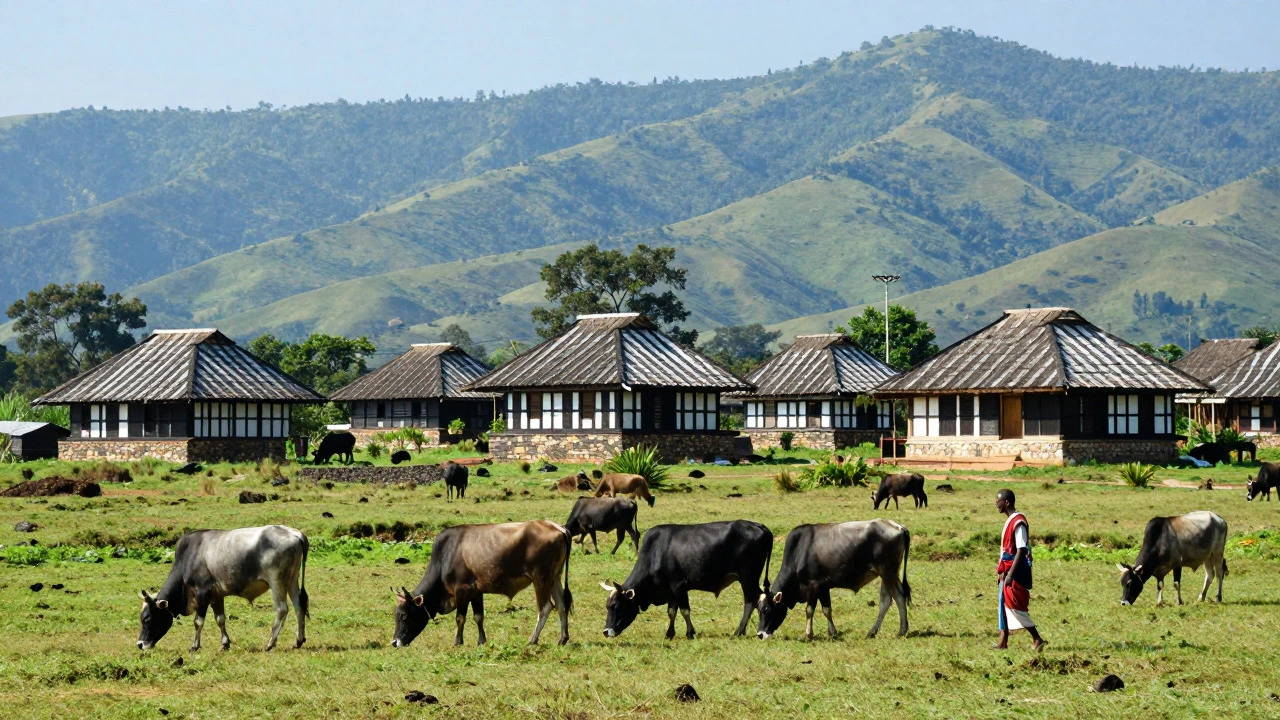
In the cool highlands of Tamil Nadu, the Toda tribe, a small pastoral community living in the Nilgiri Hills, known for their black pottery and bull-fighting traditions offers a completely different experience. Unlike the large plains-dwelling tribes, the Todas are mountain shepherds. They are famous for their distinctive black-and-white striped houses made of stone and wood, and their skill in making black pottery using cow dung and clay.
Their most striking cultural practice is bull fighting, a ritualistic sport that serves as both entertainment and a rite of passage. The Todas are also known for their matrilineal tendencies in certain aspects of family structure, though they are largely patrilineal today. Their population is small, making their culture fragile and precious. Visitors to Ooty or Coonoor can see Toda settlements, but respect for their privacy is crucial as they number only a few thousand.
The Munda and Ho: Warriors of the Chotanagpur Plateau
In Jharkhand, the Munda tribe and the Ho tribe dominate the cultural landscape. The Mundas are famous for the Sohrai festival, where farmers decorate their homes with wall paintings depicting agricultural scenes, cattle, and deities to thank the gods for a good harvest. This art form is similar to Warli but has its own distinct geometric style.
The Ho tribe, meanwhile, is renowned for its martial traditions and the Karam festival, a celebration of growth and fertility involving young girls dancing under sacred Karam trees. Both tribes play a key role in the region's identity, blending animistic beliefs with local Hindu practices. Their resilience against displacement due to mining industries in Jharkhand makes them a subject of contemporary socio-political interest.
Responsible Tribal Tourism: How to Visit Respectfully
Visiting tribal areas is not like visiting a theme park. These are private lives and sacred spaces. To ensure your travel benefits the community rather than exploiting it, follow these guidelines:
- Prioritize Homestays: Choose homestays run by tribal families. This ensures your money goes directly to the household, supporting local economies without middlemen.
- Ask Before Photographing: Always ask permission before taking photos of people, especially women and children. Some rituals are sacred and should not be documented.
- Buy Authentic Crafts: Purchase art directly from artisans. Look for genuine Gond paintings or Santhal Tumbis, avoiding mass-produced imitations sold in city markets.
- Respect Sacred Spaces: In Sarna groves or near Toda shrines, maintain silence and dress modestly. Remove shoes if required.
- Learn Basic Phrases: Learning a few words in the local dialect (like "Namaste" or "Shubho") shows respect and bridges the communication gap.
Why Tribal Culture Matters for Adventure Travelers
For those interested in adventure sports in India, tribal regions often offer the best terrain. The forests of Madhya Pradesh and the hills of Jharkhand are prime spots for trekking, jungle safaris, and river rafting. However, the adventure is incomplete without understanding the people who have lived there for centuries. The Gond guides, for example, possess unparalleled knowledge of the forest, tracking animals and identifying medicinal plants. Engaging with them adds depth to your adventure, transforming a simple hike into an educational journey.
The intersection of adventure and culture is where true discovery happens. Whether you are trekking through the dense Sal forests of Chhattisgarh or climbing the peaks of the Nilgiris, the presence of these indigenous communities enriches the experience. They are not just inhabitants; they are the guardians of biodiversity and cultural heritage.
Which is the oldest tribe in India?
The Onge tribe of the Andaman Islands is considered one of the oldest surviving human populations, with ancestry dating back tens of thousands of years. They are part of the Great Andamanese group and have maintained isolation for millennia.
Where can I see Gond art?
You can find authentic Gond art in villages across Madhya Pradesh, particularly in districts like Mandla, Seoni, and Balaghat. Many NGOs and cooperatives in cities like Bhopal also sell certified works directly from artists.
Is it safe to travel to tribal areas in India?
Yes, generally it is safe, but some regions in Jharkhand and Chhattisgarh have restricted areas due to security concerns. Always check current travel advisories and hire local guides who know the terrain and political climate.
What is the difference between Adivasi and Tribal?
"Adivasi" means "original inhabitant" in Sanskrit and is preferred by many indigenous groups as it asserts their prior claim to the land. "Tribal" is a colonial term used in legal documents. Using "Adivasi" is often seen as more respectful and accurate.
Can foreigners visit tribal villages?
In most open areas, yes. However, some remote communities in the Andaman Islands or parts of Northeast India require special permits (Inner Line Permit). Always register with local authorities and use registered tour operators to ensure compliance with local laws.