Temple Tour Planner: Find Your Perfect Destination
Answer these questions to get personalized recommendations
There is no single answer to the question of which temple is more famous in India. If you measure fame by daily footfall, the Kashi Vishwanath Temple in Varanasi holds the crown. If you look at financial donations and global recognition among non-Indian diaspora, the Tirumala Venkateswara Temple in Andhra Pradesh takes the lead. And if cultural architecture and historical continuity matter most, the Meenakshi Amman Temple in Madurai stands unmatched.
Fame in the context of Indian spirituality is not a monolith. It splits into three distinct categories: spiritual gravity, economic scale, and architectural heritage. When planning your temple tours in India, understanding this split helps you choose where to spend your time. You aren't just visiting a building; you are entering a living ecosystem of faith, history, and community.
The Spiritual Heavyweight: Kashi Vishwanath, Varanasi
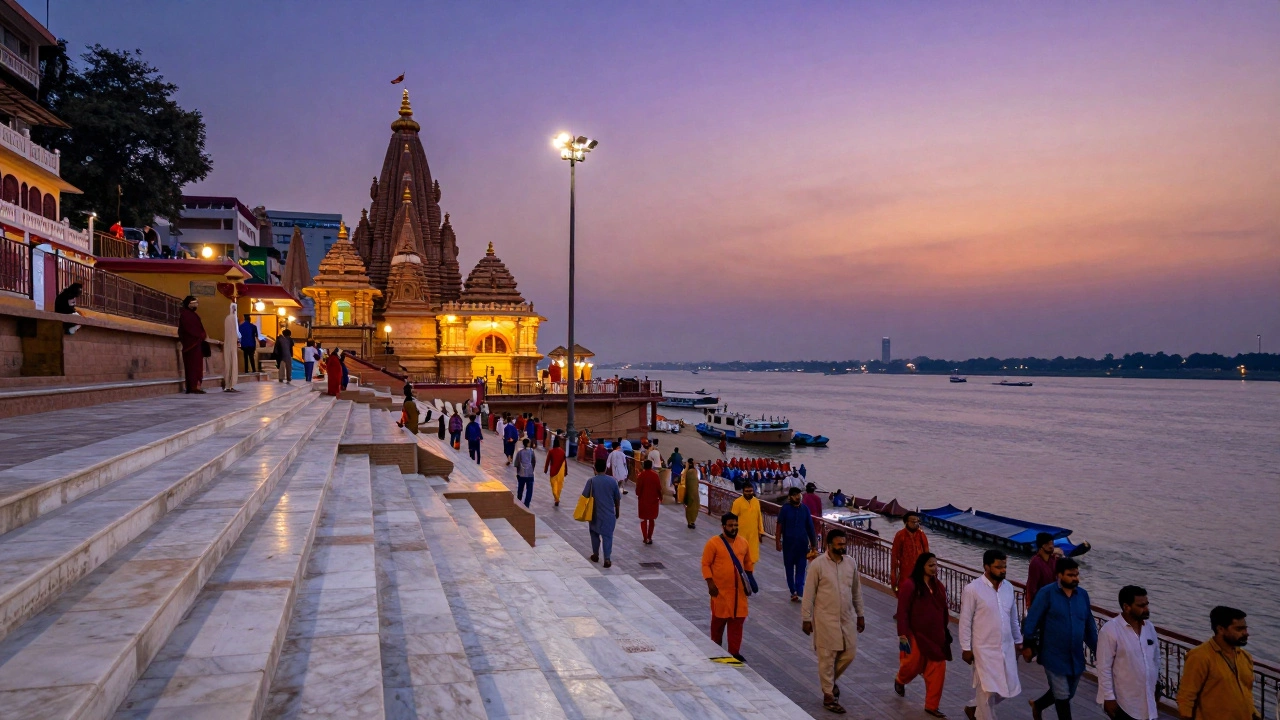
If you ask a Hindu pilgrim where they must go before death, the answer is almost universally Varanasi. Specifically, they seek darshan (audience) at Kashi Vishwanath. This shrine is dedicated to Lord Shiva, one of the principal deities of Hinduism. It sits on the western bank of the Ganges River, a location considered sacred since ancient times.
The fame of Kashi Vishwanath comes from its role as the center of the Jyotirlinga network. A Jyotirlinga represents a pillar of light with no beginning or end, symbolizing infinite nature. There are twelve Jyotirlingas across India, but Kashi is often referred to as the 'King of Jyotirlingas.'
- Daily Visitors: Estimates range from 50,000 to over 100,000 devotees per day, especially during festivals like Maha Shivaratri.
- Historical Significance: The site has been worshipped for thousands of years, though the current structure was rebuilt multiple times due to invasions and natural disasters.
- The Corridor Experience: The recent development of the Kashi Vishwanath Corridor has transformed access, allowing smoother flow for millions of visitors while preserving the sanctity of the inner sanctum.
The intensity here is palpable. The air smells of incense and river water. The sound is a constant hum of chants and bells. For many, this temple isn't just famous; it is essential. It represents the concept of Moksha (liberation). Visiting Kashi Vishwanath is less about sightseeing and more about spiritual resolution.
The Economic Giant: Tirumala Venkateswara, Andhra Pradesh
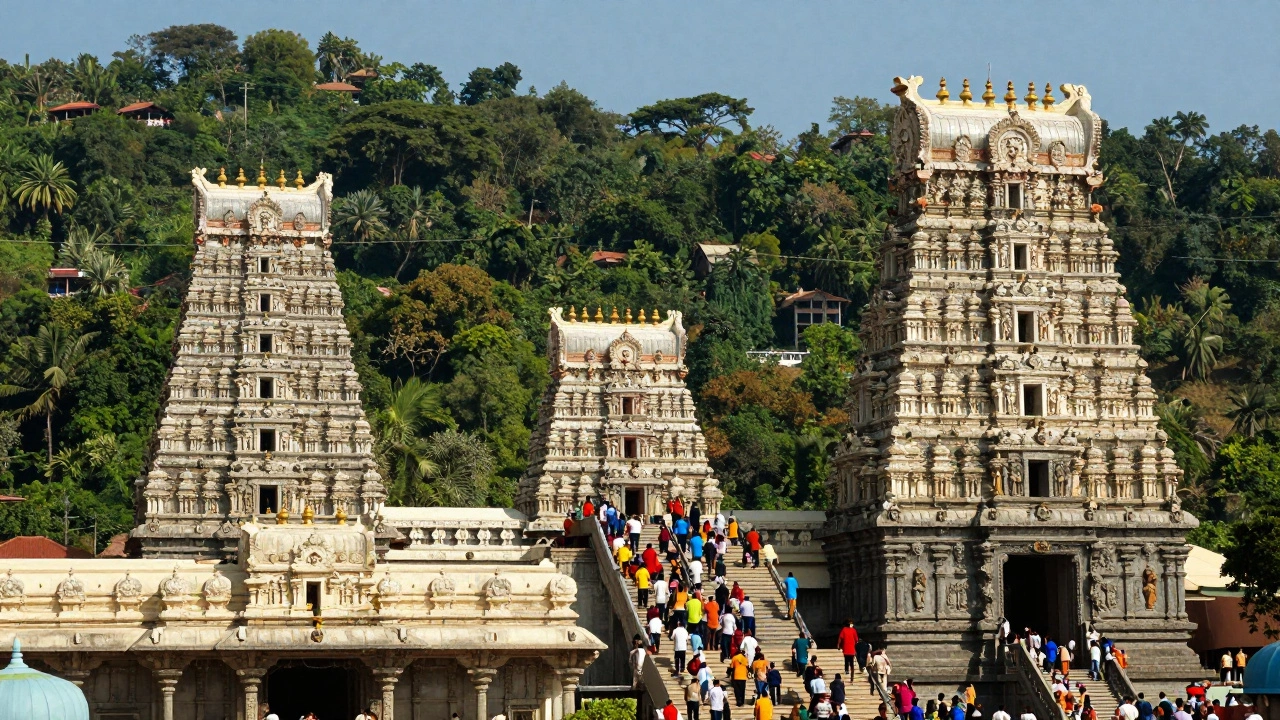
While Varanasi wins on spiritual density, Tirumala wins on volume and wealth. Located on the Seven Hills of Tirumala, the Sri Venkateswara Temple is dedicated to Lord Venkateswara, an incarnation of Lord Vishnu. It is widely recognized as the richest temple in the world.
Why is it so famous? Two reasons: accessibility and devotion. The temple operates with military precision, handling up to 100,000 devotees daily through advanced queue management systems. Its fame extends far beyond India's borders. In countries like the USA, Canada, and Australia, you will find more people who have donated to Tirumala than perhaps any other Indian temple.
| Temple Name | Location | Primary Deity | Key Fame Factor | Annual Visitors (Est.) |
|---|---|---|---|---|
| Kashi Vishwanath | Varanasi, UP | Shiva | Spiritual Center (Jyotirlinga) | ~30 Million |
| Tirumala Venkateswara | Tirupati, AP | Vishnu | Wealth & Global Donations | ~75 Million |
| Meenakshi Amman | Madurai, TN | Parvati & Shiva | Architecture & History | ~15 Million |
| Golden Temple | Amritsar, Punjab | Guru Granth Sahib | Inclusivity & Architecture | ~100,000 Daily |
The temple's treasury holds gold, silver, and gemstones worth billions of dollars. However, its fame isn't just about money. It’s about the belief that Lord Venkateswara borrowed money to help humanity during difficult times, and devotees repay this loan through offerings. This narrative creates a deep emotional connection that drives its massive popularity.
The Architectural Marvel: Meenakshi Amman, Madurai
If you are looking for visual splendor, nothing beats the Meenakshi Amman Temple in Madurai, Tamil Nadu. While Kashi and Tirupati dominate in numbers and finance, Meenakshi dominates in art and engineering. It is a masterpiece of Dravidian architecture.
This temple is unique because it worships both Goddess Meenakshi (an avatar of Parvati) and Lord Sundareswarar (Shiva) equally. Most temples favor one deity, but here, the balance is perfect. The temple complex covers 45 acres and features 14 towering gopurams (gateway towers).
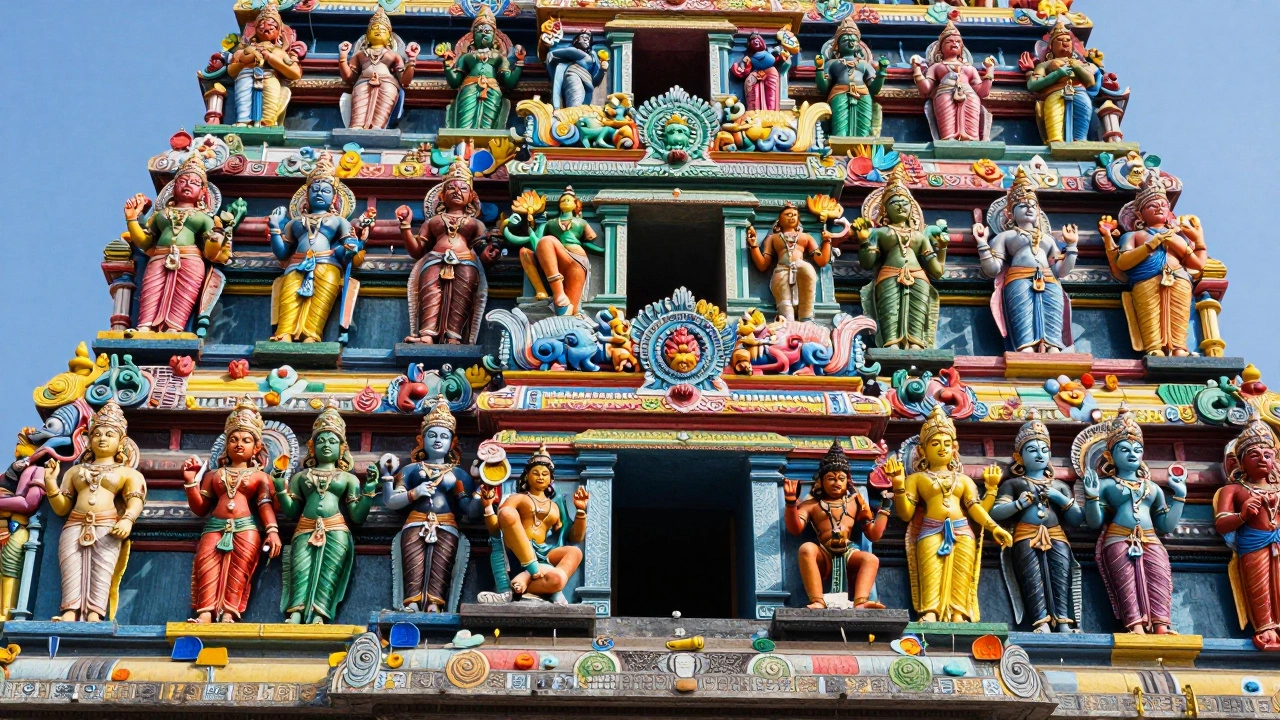
These gopurams are covered in thousands of brightly colored stucco sculptures depicting gods, goddesses, demons, and mythical creatures. Each tower tells a story from Hindu epics like the Ramayana and Mahabharata. Walking through these gateways feels like entering a colorful dream.
Inside, you’ll find the Hall of Thousand Pillars. Despite the name, there are actually fewer than 1,000 pillars, but each one is carved differently. Some pillars produce musical notes when tapped-a feat of acoustic engineering that still amazes visitors today. For travelers interested in culture and history rather than just ritual, Meenakshi Amman offers the richest experience.
The Universal Beacon: Golden Temple, Amritsar
We cannot discuss famous temples in India without mentioning the Harmandir Sahib, commonly known as the Golden Temple. Although it is a Sikh Gurudwara and not a Hindu temple, its fame rivals any religious site in the country. Located in Amritsar, Punjab, it is the holiest Gurdwara of Sikhism.
Its fame stems from its radical inclusivity. The Golden Temple welcomes everyone-regardless of religion, caste, gender, or nationality. It sits in a pool of holy water (Amrit Sarovar), surrounded by marble and gold-plated surfaces that shimmer beautifully under sunlight.
The langar (community kitchen) serves free meals to over 100,000 people daily. This act of service is central to its identity. For international tourists, the Golden Temple often becomes the highlight of their trip to North India. It combines stunning aesthetics with a powerful message of equality and humility.
Other Contenders for Fame
While the four above are the giants, several other temples claim significant fame based on regional influence or specific legends.
- Badrinath Temple (Uttarakhand): Part of the Char Dham pilgrimage circuit. Its fame lies in its remote Himalayan location and association with Adi Shankaracharya.
- Vaikuntha Perumal Temple (Kanchipuram): Known as the 'Vatican of South India' for its intricate stone carvings and geometric precision.
- Ranganathaswamy Temple (Srirangam): One of the largest temple complexes in the world, dedicated to Vishnu. It holds immense importance in Vaishnavite tradition.
- Khajuraho Group of Monuments (Madhya Pradesh): Famous globally for their erotic sculptures, though originally built as Hindu and Jain temples celebrating life and spirituality.
How to Choose Your Temple Tour
Your choice depends on what kind of traveler you are. Are you seeking spiritual closure, visual awe, or cultural immersion?
- For Spiritual Depth: Go to Varanasi. Spend days wandering the ghats, attending evening Aarti ceremonies, and seeking darshan at Kashi Vishwanath. Expect crowds and heat, but also profound peace.
- For Organized Pilgrimage: Visit Tirupati. Book tickets online well in advance. Prepare for a long trek or take the ropeway. The experience is structured, efficient, and deeply devotional.
- For Art & History Lovers: Head to Madurai. Explore the gopurams, visit the nearby Thirumalai Nayakkar Mahal, and enjoy the vibrant street food scene around the temple.
- For First-Time International Visitors: Start with the Golden Temple in Amritsar. It’s accessible, visually striking, and offers a warm welcome that sets a positive tone for the rest of your India trip.
Remember, India’s temple culture is alive. These aren’t museums behind glass cases. They are bustling centers of community life. Respect local customs: dress modestly, remove shoes before entering, and follow photography rules strictly. Many inner sanctums do not allow cameras.
Practical Tips for Temple Tours in India
Planning a temple tour requires more than just booking flights. Here are practical insights to enhance your experience:
- Timing Matters: Avoid major festivals like Maha Shivaratri or Brahmotsavam unless you specifically want to experience massive crowds. These events draw millions, making accommodation scarce and prices skyrocket.
- Dress Code: Traditional attire is appreciated. Men should wear dhotis or mundus (often available for rent outside temples). Women should wear sarees or salwar kameez. Shoulders and knees must be covered.
- Online Booking: For Tirumala and Kashi Vishwanath, online registration is mandatory for certain types of darshan. Use official websites only to avoid scams.
- Local Guides: Hire certified local guides. They can explain the symbolism behind sculptures and rituals, adding layers of meaning you’d miss otherwise.
- Health Precautions: Temple towns can be humid and crowded. Stay hydrated, carry hand sanitizer, and eat only from reputable sources near the temple premises.
Fame is subjective. But in India, every famous temple carries centuries of stories, sacrifices, and devotion. Whether you stand in line for hours at Tirupati or marvel at the silence of the Golden Temple, you’re participating in a tradition that has shaped civilizations. Choose wisely, prepare well, and let the journey transform you.
Which is the most visited temple in India?
The Tirumala Venkateswara Temple in Andhra Pradesh is generally considered the most visited, receiving approximately 75 million devotees annually. However, Kashi Vishwanath in Varanasi sees higher daily density during peak seasons.
Is the Golden Temple open to non-Sikhs?
Yes, absolutely. The Golden Temple welcomes visitors of all religions and backgrounds. Everyone is required to cover their head and remove their shoes before entering the main complex.
What is the best time to visit temples in India?
The winter months, from October to March, offer the most comfortable weather for temple visits across India. Summer can be extremely hot, especially in South India, while monsoon season may cause travel disruptions.
Can I take photos inside Indian temples?
Photography rules vary by temple. Generally, photography is allowed in outer courtyards but prohibited in inner sanctums. Always look for signage and ask permission from temple authorities before taking pictures.
Do I need to book tickets in advance for famous temples?
For high-demand temples like Tirumala and Kashi Vishwanath, yes. Online booking is often mandatory for special darshan slots. Regular entry might be free but involves long queues. Check official temple websites for current booking policies.