Trek Cost Estimator
Easy / Day Hike
1-2 DaysBeginner friendly, well-marked trails.
Moderate
3-5 DaysMulti-day treks, some altitude gain.
Difficult / High Altitude
6-10 DaysExpeditions, remote areas, technical terrain.
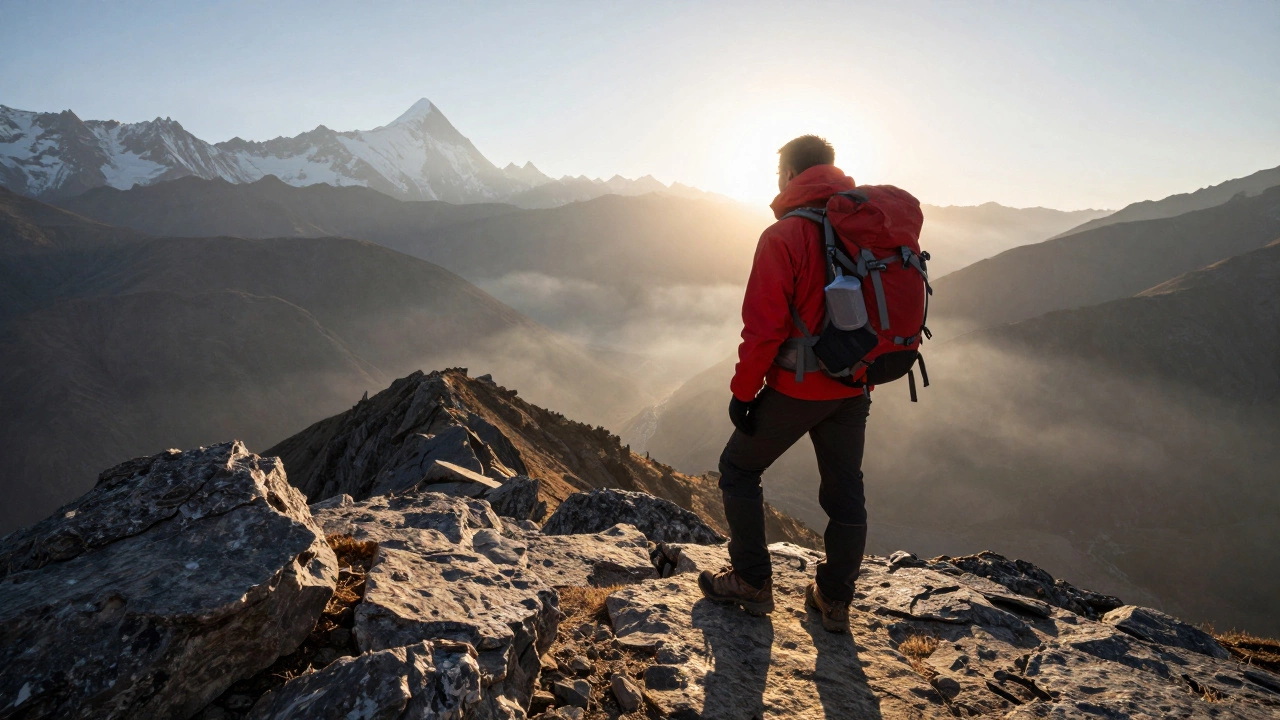
India is not just one destination; it is a collection of vastly different landscapes, each with its own price tag. If you are trying to figure out how much does a trek cost in India, the short answer is: it depends entirely on whether you want to sleep in a tent or a hotel, and whether you are willing to carry your own food.
The range is staggering. You can do a basic day hike in the Himalayas for less than $15 (₹1,200) if you organize everything yourself. On the flip side, a guided multi-day expedition like the Hampta Pass or Stok Kangri can easily run you $300 to $800 (₹25,000-₹65,000) per person when you factor in permits, mules, guides, and camping gear. The difference isn't just about luxury; it's about safety, logistics, and the sheer remoteness of the trail.
The Two Ways to Trek: Solo vs. Guided Groups
Before we look at specific numbers, you need to understand the two main models of trekking in India. This choice will dictate 80% of your final bill.
Solo Independent Trekking is the method where you arrange your own transport, accommodation, and food without a hired guide or group leader. This is the cheapest option but requires significant planning. You need to know how to read maps, negotiate with local homestays, and manage your own supplies. It works best for popular routes like the Triund trek near Dharamshala or the Tosa Maidan trek in Maharashtra, where trails are well-marked and villages are frequent.
Guided Group Treks are organized packages that include transport from a major hub, meals, camping equipment, permits, and a certified guide. Companies like Indian Mountain Club (IMC), Snow Leopard Expeditions, or local operators in Manali and Leh offer these. You pay a premium for convenience and safety. In high-altitude regions like Ladakh or Spiti Valley, this is often mandatory because of permit restrictions and the risk of altitude sickness.
Cost Breakdown by Trek Difficulty Level
To give you a realistic picture, let’s break down costs into three categories: Easy (Day hikes/Overnighters), Moderate (3-5 days), and Difficult (High Altitude/Expedition). Prices are estimated per person in USD and Indian Rupees (₹), assuming mid-range comfort for guided tours and backpacker style for solo trips.
| Trek Type | Duration | Solo Cost (USD) | Solo Cost (₹) | Guided Cost (USD) | Guided Cost (₹) |
|---|---|---|---|---|---|
| Easy / Day Hike | 1-2 Days | $15 - $40 | ₹1,200 - ₹3,500 | $60 - $100 | ₹5,000 - ₹8,500 |
| Moderate | 3-5 Days | $80 - $150 | ₹6,500 - ₹12,500 | $180 - $350 | ₹15,000 - ₹29,000 |
| Difficult / High Altitude | 6-10 Days | $200 - $400 | ₹16,000 - ₹33,000 | $400 - $800+ | ₹33,000 - ₹65,000+ |
Note that "Solo" costs assume you already have basic gear (tent, sleeping bag, stove). If you need to buy or rent gear, add another $50-$100 to the solo estimate.
Where Do the Money Go? A Detailed Expense Analysis
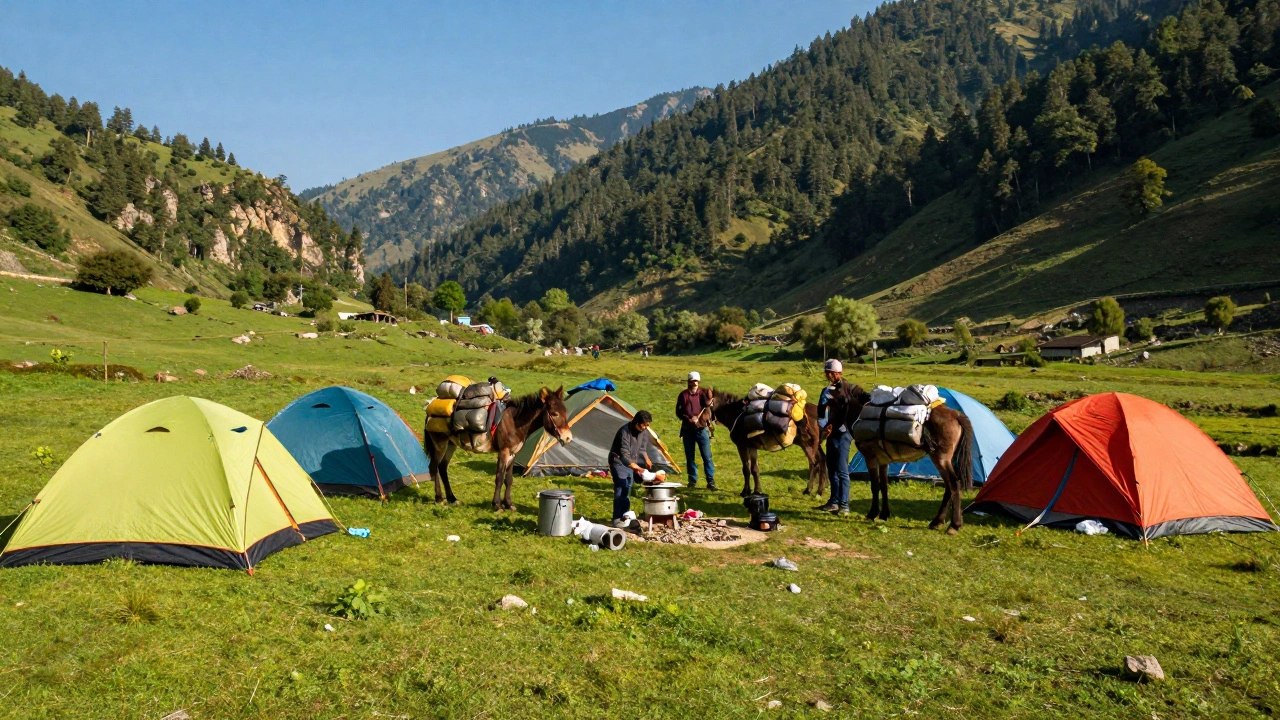
Understanding what you are paying for helps you cut corners safely. Here is where the money typically disappears on an Indian trek.
1. Transportation (The Biggest Variable)
In India, getting to the trailhead is often more expensive than the trek itself. Most treks start from small towns like Manali, Leh, Nainital, or Munnar. You usually fly into a major city (Delhi, Chandigarh, Dehradun) and then take a bus or shared taxi.
- Flights: Domestic flights within India can be cheap ($30-$60) if booked early, but surge pricing is real during peak seasons (March-April and September-November).
- Last Mile: Shared jeeps from Manali to Solang Valley might cost $5 (₹400), but a private taxi could be $50 (₹4,000). Buses are incredibly cheap ($1-$3) but slow and uncomfortable.
2. Permits and Registration
This is non-negotiable in many areas. The Indian government restricts access to border regions for security reasons.
- Ladakh & Himachal Border Areas: Inner Line Permits (ILP) cost around $10-$20 (₹800-₹1,500) for foreigners and slightly less for Indians. These are often included in guided packages.
- National Parks: If your trek passes through a protected area (like the Western Ghats or parts of Arunachal Pradesh), entry fees apply. For example, entering the Bandipur National Park area costs roughly $5 (₹400) per vehicle.
3. Food and Water
Food on Indian treks is surprisingly affordable and delicious. Local kitchens serve dal (lentils), rice, roti (bread), and seasonal vegetables.
- Homestays/Guesthouses: Expect to pay $3-$6 (₹250-₹500) per meal including breakfast, lunch, and dinner.
- Camping Meals: Guided groups cook for you. The cost is bundled, but it averages $5-$8 (₹400-₹700) per day per person.
- Snacks: Carry energy bars, nuts, and chocolate. Buying these in remote mountain towns can be 2x-3x the price of cities.
4. Accommodation
If you aren't camping, you’ll stay in dharamshalas (pilgrim guesthouses), homestays, or basic lodges.
- Dharamshalas: Very cheap, $2-$5 (₹150-₹400) per night. Basic amenities, shared bathrooms.
- Homestays: $5-$15 (₹400-₹1,200) per night. Often includes meals and a warmer room.
- Lodges: $15-$30 (₹1,200-₹2,500) per night. Found near popular bases like McLeod Ganj or Gangtok.
Top 5 Treks and Their Real-World Costs
Let’s ground these estimates in reality with five popular treks across India. These examples reflect 2026 pricing trends.
1. Triund Trek (Himachal Pradesh) - The Beginner’s Choice
Difficulty: Easy
Duration: 2 Days / 1 Night
Why it’s popular: Close to Dharamshala, stunning views of the Dhauladhar range, no technical skills needed.
Cost Estimate:
- Solo: $25 (₹2,000). Bus from Dharamshala to Triund base ($2), overnight stay in a camp/homestay ($10), food ($10), return bus ($2).
- Guided: $70 (₹5,800). Includes pickup from Dharamshala, camping gear, meals, and guide.
2. Kolakundi Lake (Uttarakhand) - The Hidden Gem
Difficulty: Moderate
Duration: 4 Days
Why it’s popular: Less crowded than Kedarkantha, beautiful alpine lakes, snow possible even in spring.
Cost Estimate:
- Solo: $120 (₹10,000). Transport from Rishikesh to Sankri ($30), homestays ($40), food ($30), permit/misc ($20).
- Guided: $250 (₹20,500). Full package from Delhi/Rishikesh with mules for luggage.
3. Hampta Pass (Himachal Pradesh) - The Landscape Changer
Difficulty: Moderate to Hard
Duration: 5 Days
Why it’s popular: Crosses from lush green valleys to arid desert-like terrain. Requires inner line permits.
Cost Estimate:
- Solo: Not recommended due to permit complexity and remote sections. If attempted: $200+ (₹16,500).
- Guided: $350-$450 (₹29,000-₹37,000). Includes permits, camping, mules, and guide. This is a logistical heavy trek.
4. Agasthyamalai (Kerala/Tamil Nadu) - The Southern Challenge
Difficulty: Hard
Duration: 4 Days
Why it’s popular: Dense rainforests, biodiversity hotspot, strict permit system.
Cost Estimate:
- Solo: Impossible. Permits are only issued to registered groups with forest department approval.
- Guided: $300-$400 (₹25,000-₹33,000). Includes forest permits, jungle survival training, and specialized guides.
5. Rupin Pass (Himachal Pradesh) - The Snow Classic
Difficulty: Moderate
Duration: 5 Days
Why it’s popular: One of the most scenic passes in India, accessible from both Shimla and Parwanoo sides.
Cost Estimate:
- Solo: $100 (₹8,300). Cheap buses available from Parwanoo. Homestays in village camps.
- Guided: $220 (₹18,000). Includes transport from Delhi, camping, and meals.
Hidden Costs and Money-Saving Tips
Budgeting isn’t just about the big tickets. Small expenses add up, especially when you’re off-grid.
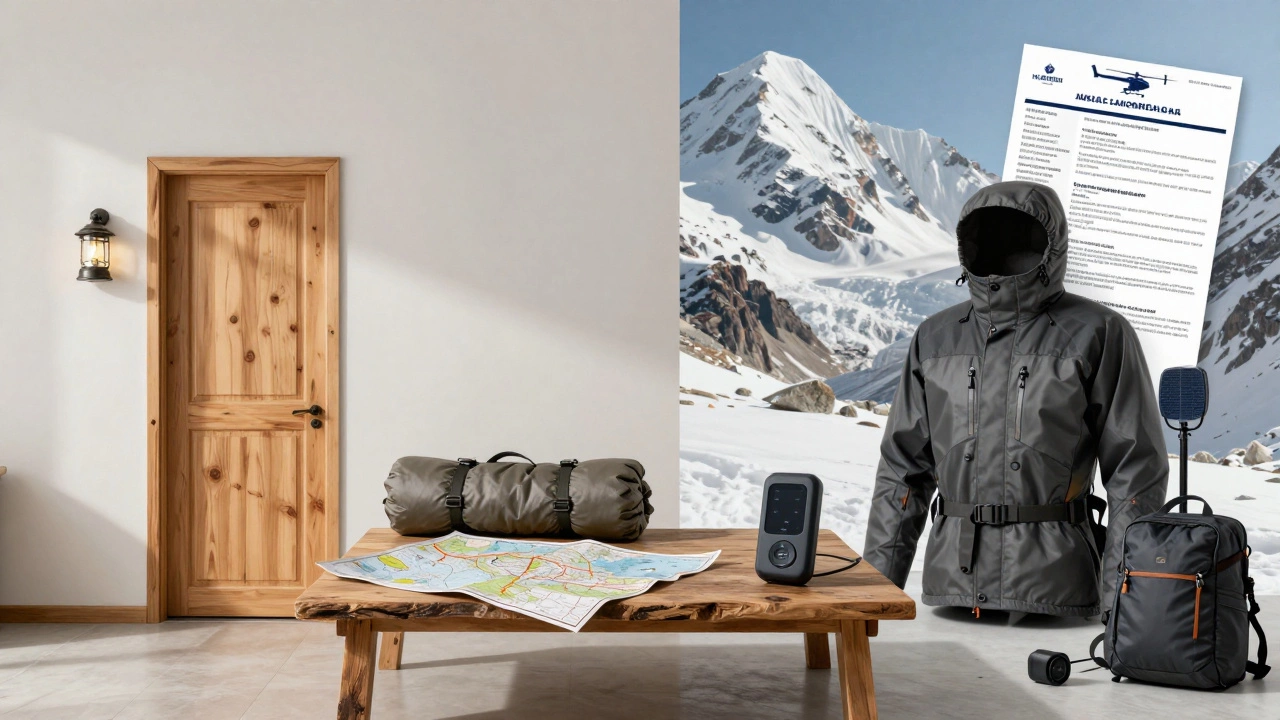
- Gear Rental: Don’t buy a $200 sleeping bag for one trip. Rent from shops in Manali, Leh, or Dehradun. A good 4-season sleeping bag rents for $5-$10 (₹400-₹800) per day. Tents are $10-$15 (₹800-₹1,200) per day.
- Porters/Mules: If you go solo, hiring a porter is ethical and helpful. Pay fair wages: $10-$15 (₹800-₹1,200) per day plus food. Never overload them. Carrying more than 15kg is unsafe.
- Insurance: Standard travel insurance often excludes "high altitude trekking" above 3,000 meters. Buy a policy that covers helicopter rescue. This costs an extra $20-$50 (₹1,600-₹4,000) but is worth every penny.
- Seasonality: Trek in shoulder seasons (late April or late October) to avoid peak prices. Summer (June-August) is monsoon season in most of India, making trails muddy and dangerous. Winter (Dec-Feb) limits you to snow treks which require expensive gear.
Is It Worth Paying for a Guide?
For beginners, yes. Absolutely. Indian terrain can be deceptive. Weather changes in minutes. Trails can vanish in fog. A local guide knows where the safe campsites are, how to treat altitude sickness, and how to navigate bureaucratic checkpoints.
However, if you are an experienced trekker with a solid map app (like Maps.me or AllTrails offline) and a satellite communicator, solo trekking saves you thousands. Just remember: respect local customs, leave no trace, and support local economies by buying food from village shops rather than carrying all your own snacks.
What is the cheapest trek in India for beginners?
The Triund Trek in Himachal Pradesh is widely considered the cheapest and easiest. You can do it for under $30 (₹2,500) if you use public transport and stay in a basic homestay. It offers incredible views without requiring technical climbing skills or expensive gear.
Do I need special permits for trekking in India?
It depends on the region. Popular treks in Himachal Pradesh and Uttarakhand generally do not require permits for Indians, but foreigners may need registration. However, treks in Ladakh, Spiti Valley, Arunachal Pradesh, and parts of Jammu & Kashmir require Inner Line Permits (ILP) or Protected Area Permits (PAP), which must be obtained in advance through authorized agents.
How much should I budget for food on a 5-day trek?
Expect to spend between $25 and $40 (₹2,000-₹3,300) total for food on a 5-day trek if you are eating at local homestays or dhabas. Guided treks include food in the package, so you won't pay extra unless you want snacks or drinks beyond the provided meals.
Can I trek in India during the monsoon season?
Generally, no. The monsoon (July-August) makes trails slippery, increases landslide risks, and ruins visibility. Exceptions include some high-altitude deserts like Ladakh and Spiti, which receive little rain, but even there, landslides can block roads. The best times are March-May and September-November.
Is it safe to trek alone in India?
Solo trekking is common on established routes like Triund or Kuari Pass, but it carries risks. Always inform someone of your itinerary, carry a fully charged phone with offline maps, and consider a satellite messenger for remote areas. Avoid solo trekking in restricted zones or high-altitude passes above 4,500 meters without experience.