Cultural Tourism in India: Explore Heritage, Festivals, and Local Traditions
When you think of cultural tourism, travel that focuses on experiencing the traditions, arts, and daily life of a place. Also known as heritage tourism, it’s not about ticking off landmarks—it’s about sitting with locals, tasting food from street vendors who’ve been serving it for generations, and feeling the rhythm of a festival that hasn’t changed in centuries. India isn’t just a country with cultural tourism—it’s one of the few places on earth where culture isn’t a show for tourists. It’s the air you breathe, the music you hear on the way to the temple, the way strangers offer you chai without asking why you’re there.
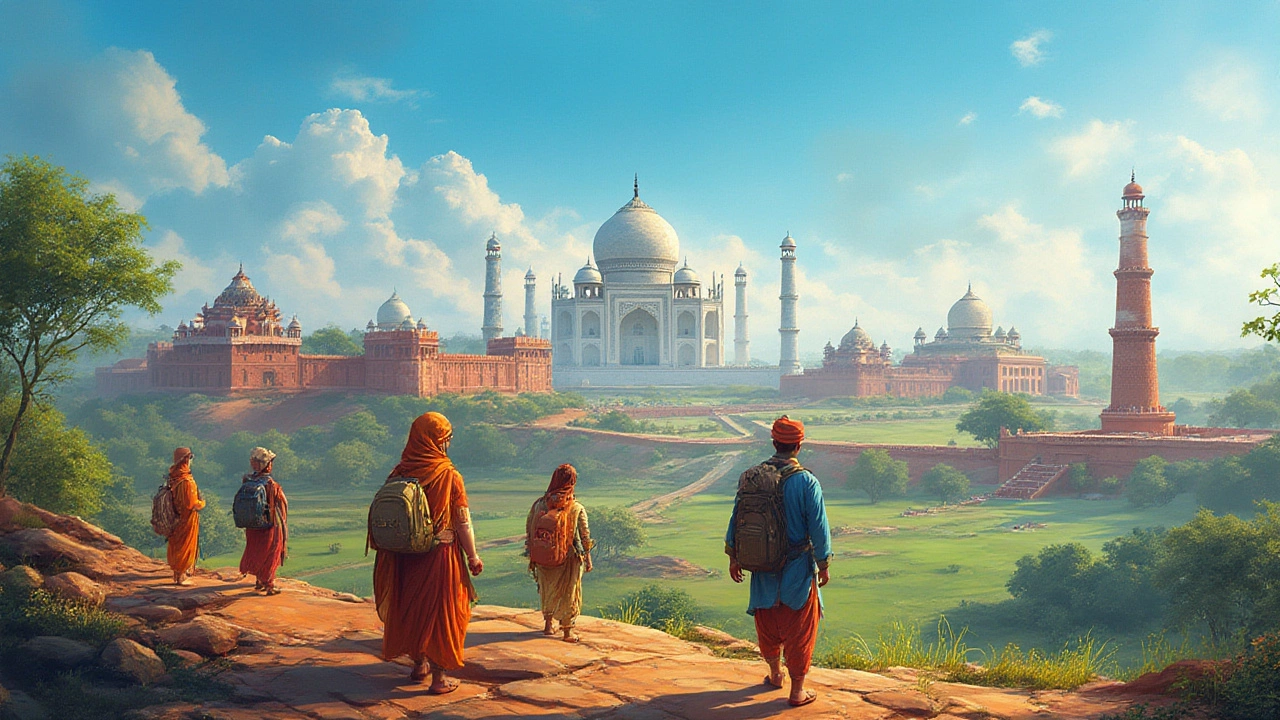
What makes cultural tourism in India different? It’s the scale and depth. You can walk through a 1,000-year-old temple in Tamil Nadu, then spend the evening learning how to make pickles from a grandmother in a village outside Jaipur. Indian heritage, the living legacy of art, architecture, rituals, and languages passed down over thousands of years isn’t locked behind glass. It’s in the hands of weavers in Varanasi, the drumbeats of a folk dance in Rajasthan, and the prayers whispered in 20 different languages across one city. And then there’s UNESCO sites India, the 40+ globally recognized places that protect India’s most significant historical and cultural landmarks. But here’s the truth: the real magic isn’t always in the big names. It’s in the small towns where kids still learn classical dance in temple courtyards, or where elders teach children to carve wooden toys the same way their grandparents did.
Don’t mistake cultural tourism for just visiting forts and palaces. It’s about understanding why a wedding in Punjab looks nothing like one in Kerala. It’s about knowing that the same spice blend means something totally different in Gujarat than it does in Andhra. It’s about realizing that Indian festivals, colorful, loud, deeply spiritual events that mark seasons, harvests, and divine stories aren’t just photo ops—they’re the heartbeat of communities. Holi isn’t just colored powder—it’s forgiveness, renewal, and laughter in a country that rarely slows down. Diwali isn’t just lights—it’s family, gratitude, and the quiet hope that tomorrow will be better.
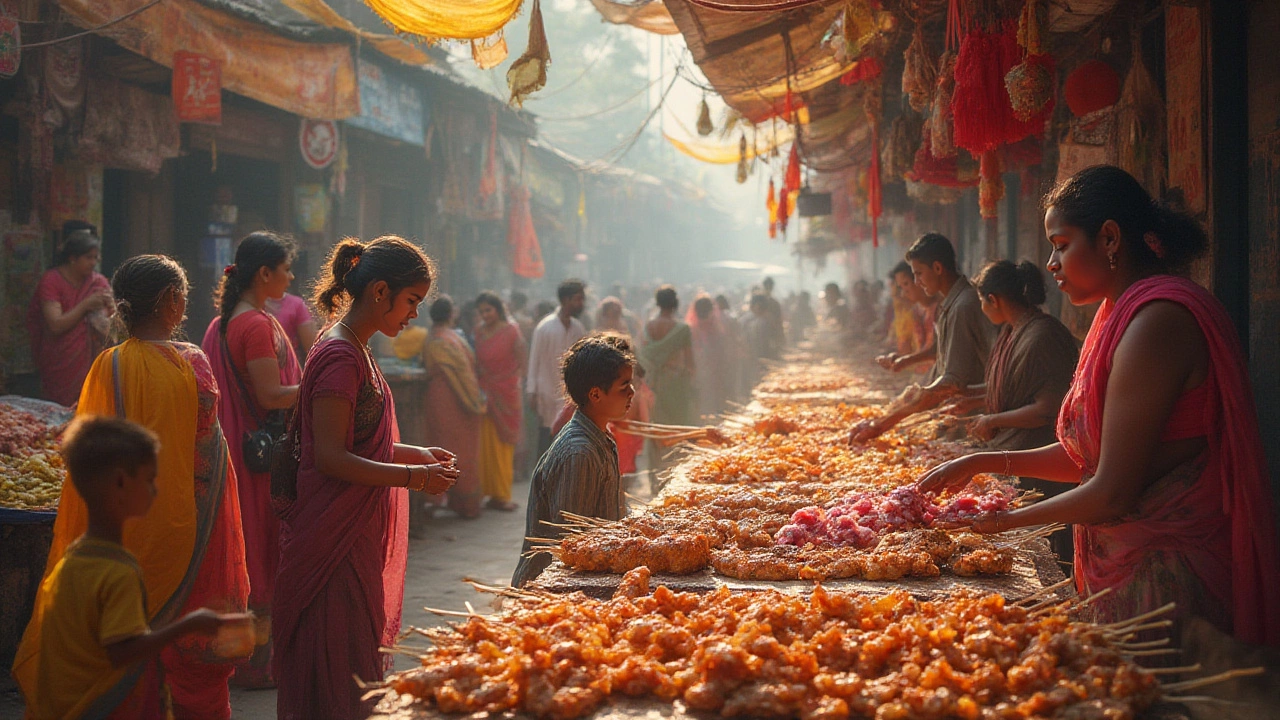
And yes, there’s food. Always food. But it’s not just about eating. It’s about learning why rice dominates the south while wheat rules the north. Why a single dish like dal shows up in 50 different ways across the country. Cultural tourism means tasting the history in every bite.
You’ll find posts here that break down which state has the most heritage sites, why Indore is called the Paris of India, and how dark tourism—visiting places tied to tragedy—has become a quiet but powerful part of India’s story. You’ll see comparisons between North and South India, deep dives into ethnic communities, and real advice on how to travel respectfully. There’s no fluff. No generic lists. Just honest, practical stories from people who’ve walked the alleys, sat on the floors, and listened to the silence between the drumbeats.
What you’re about to read isn’t a guidebook. It’s a collection of real experiences—by travelers who got lost in a temple complex in Madurai, who ate their first jalebi at 6 a.m. from a cart that’s been there since 1972, who danced with strangers during a village festival and left with more than photos. This is cultural tourism as it actually is: messy, loud, beautiful, and unforgettable.
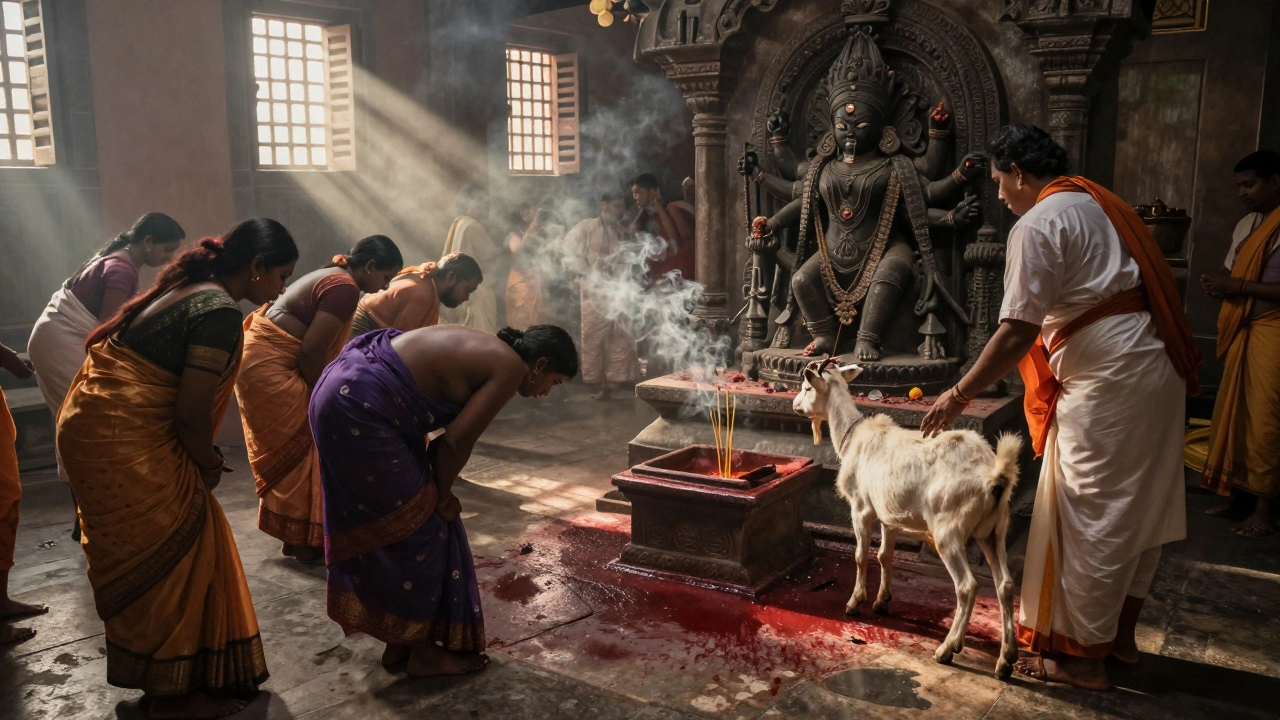
Kolkata's Kalighat Temple is known as the 'City of Blood' in India due to its centuries-old tradition of animal sacrifice to the goddess Kali. Far from being mere violence, the ritual is a sacred act of surrender and transformation, deeply rooted in Hindu cosmology and still practiced today.
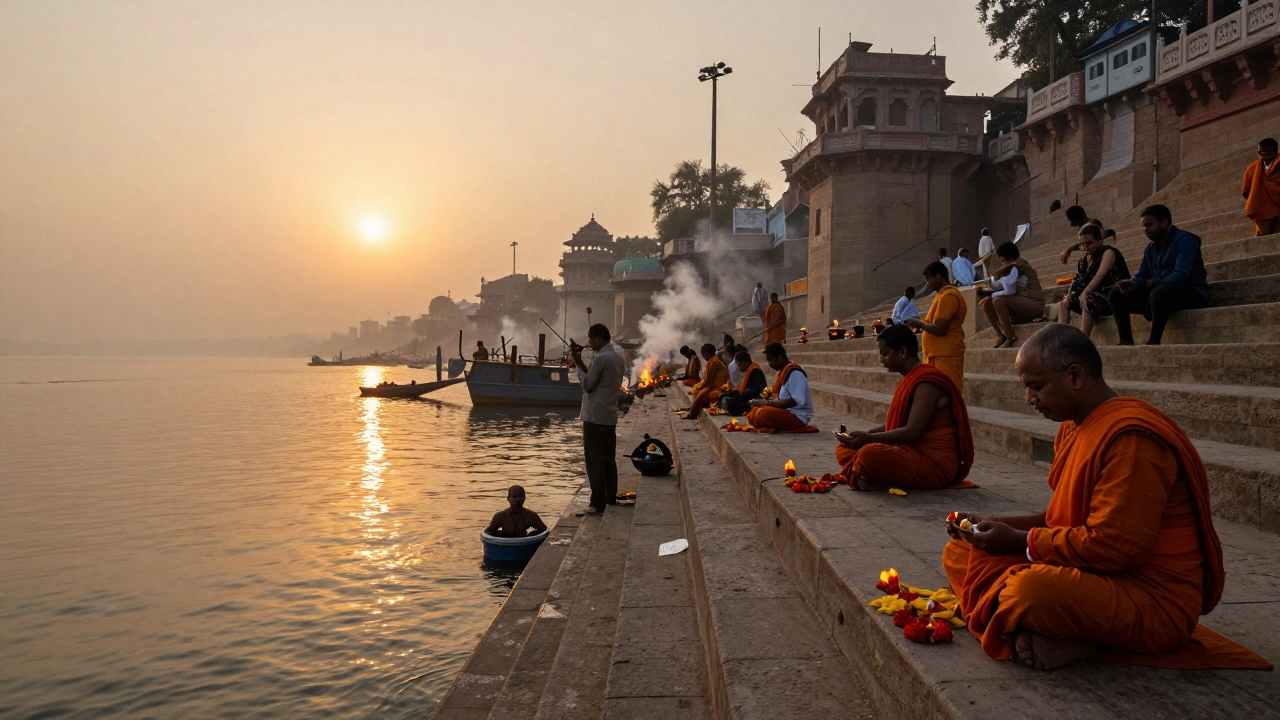
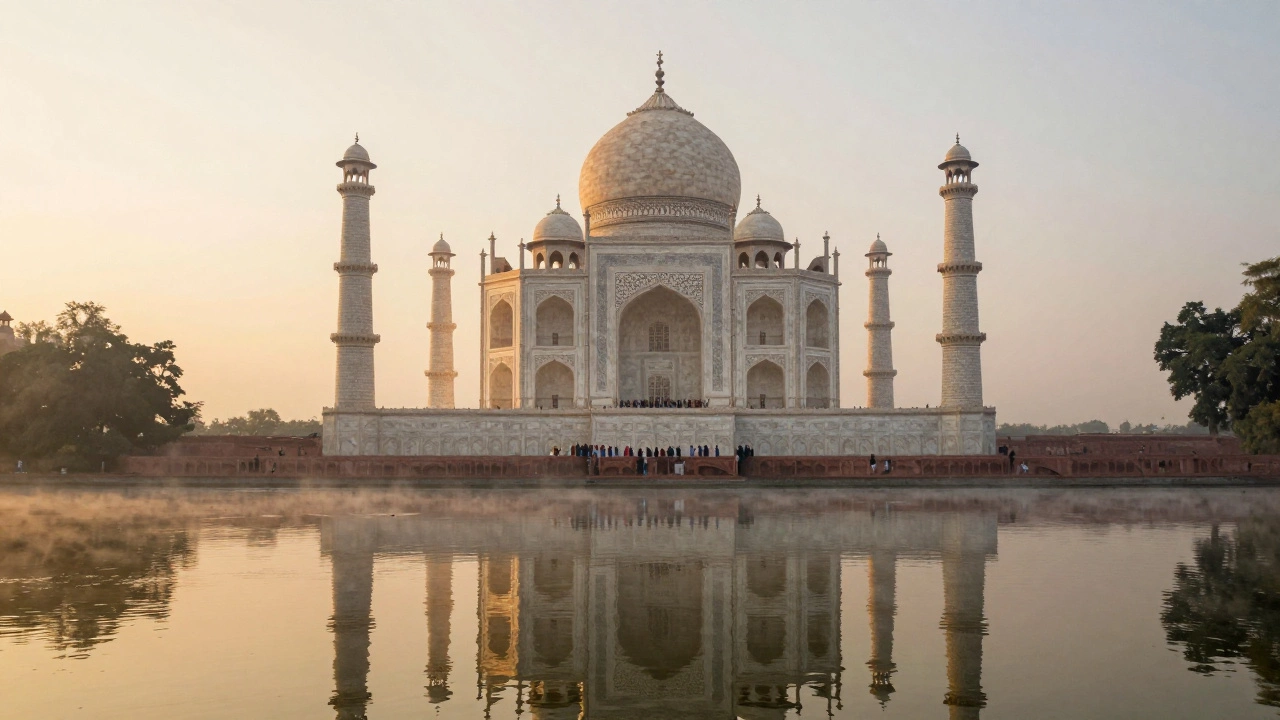
American tourists flock to India for its living heritage - Varanasi’s ghats, Jaipur’s forts, and the Taj Mahal’s quiet magic. Discover where they go most and why the real draw isn’t sightseeing - it’s soulful connection.
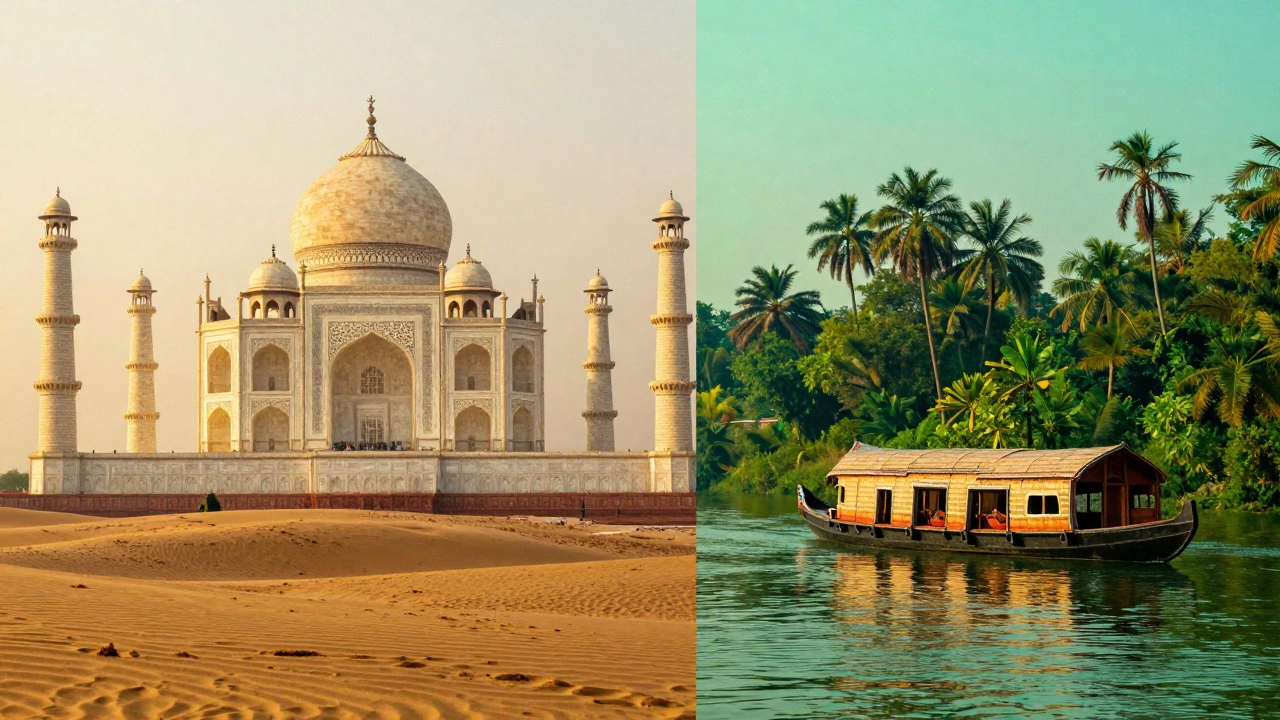
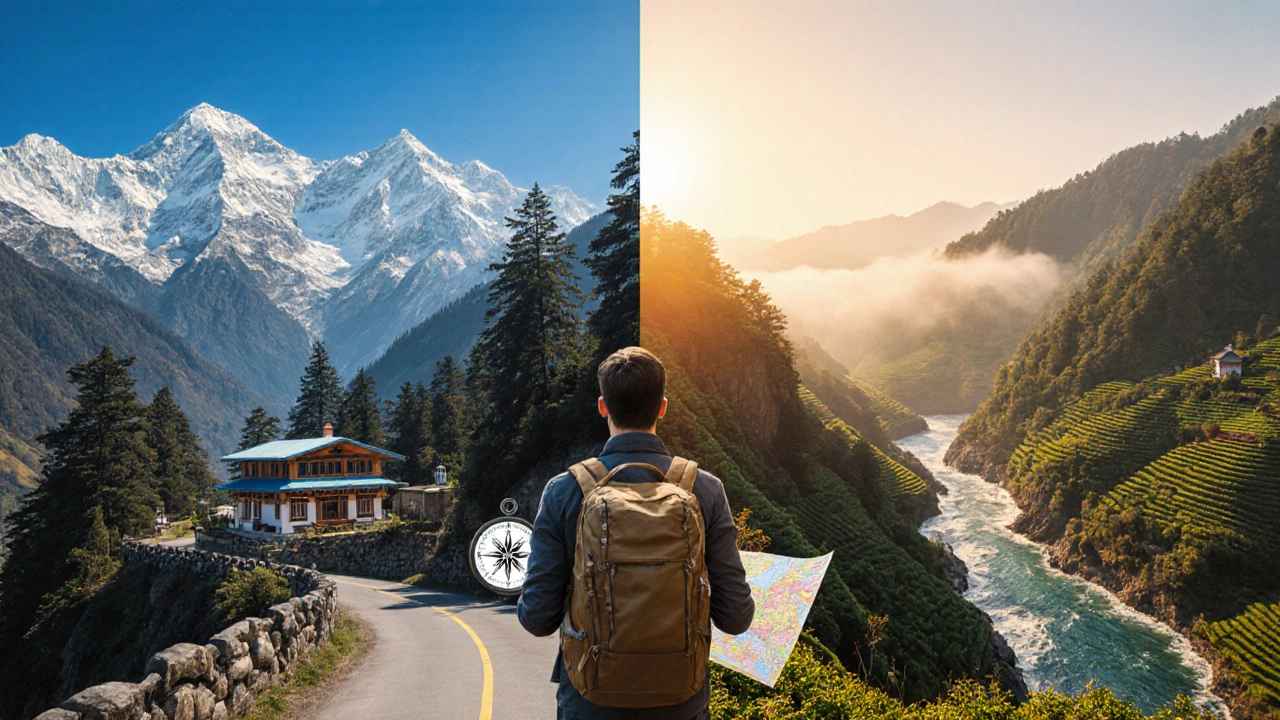
North and South India each offer distinct cultural and tourism experiences. This article debunks myths about regional 'richness' and highlights their unique heritage, attractions, and traveler experiences. Learn what makes each region special for your next trip.
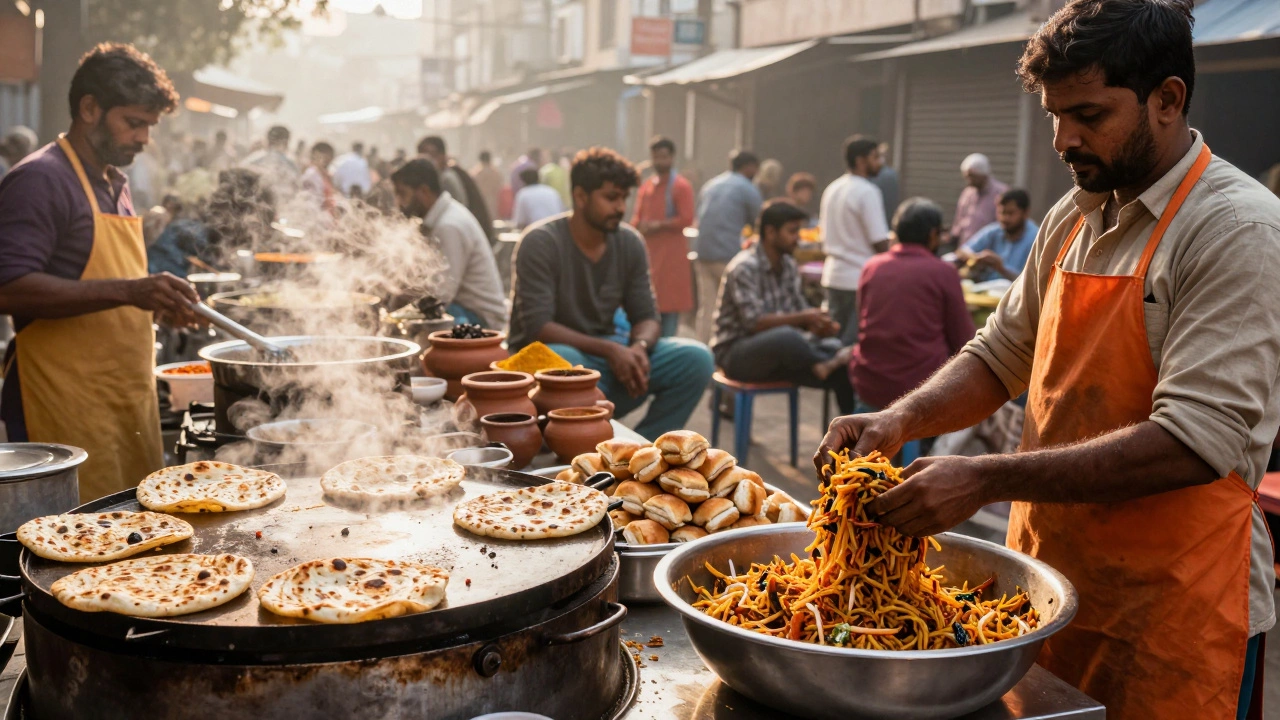
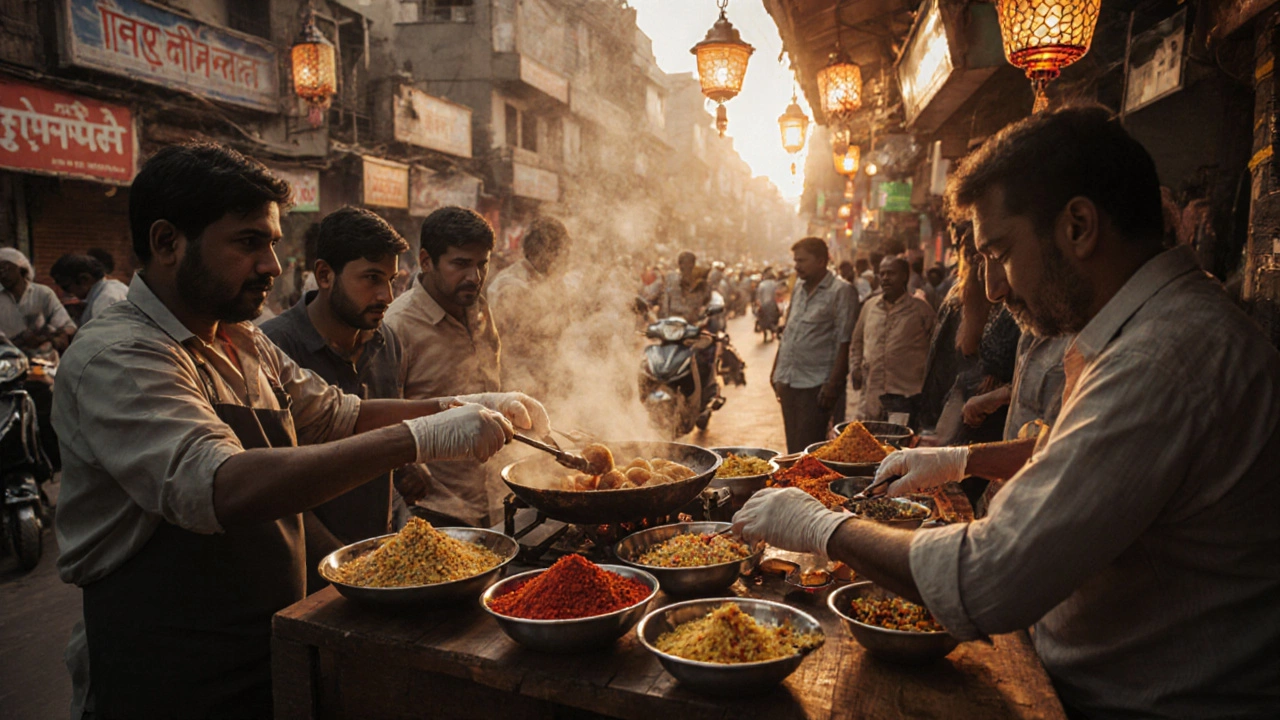
Indian culture food is a rich tapestry of regional dishes shaped by history, religion, and geography - from spicy curries in the south to wheat-based breads in the north. Discover the true diversity behind India’s culinary traditions.
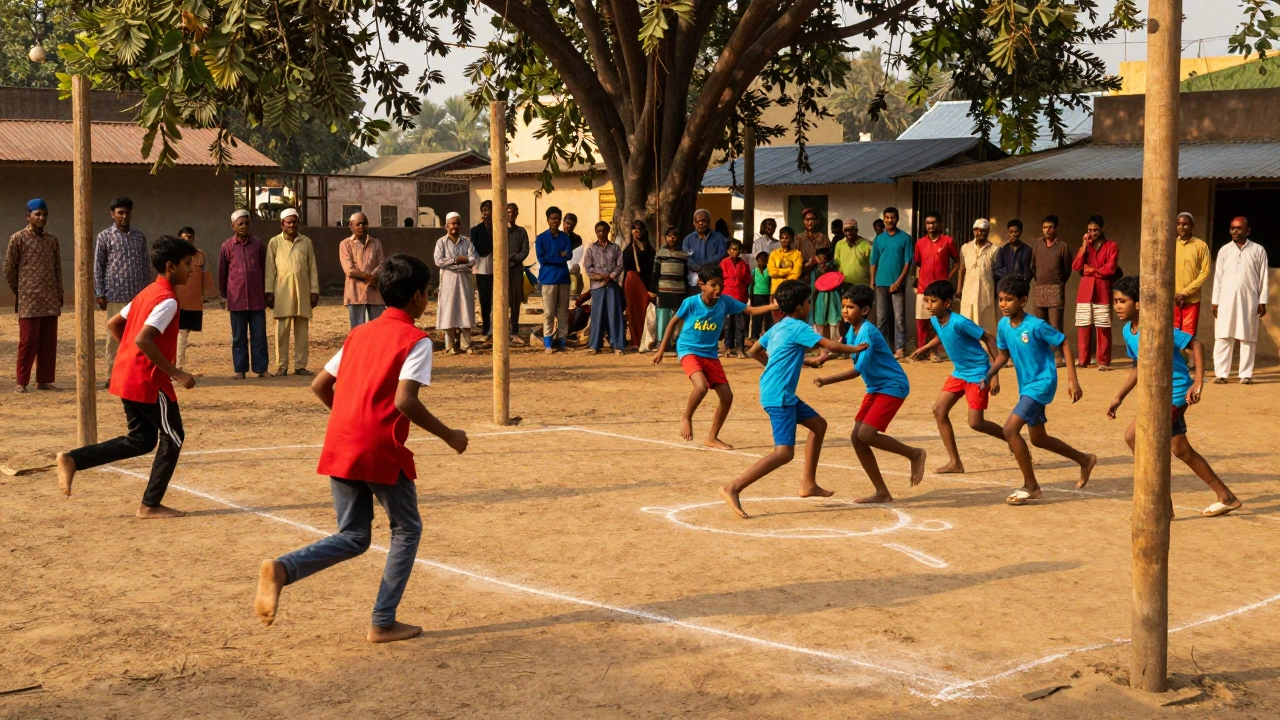
Kho kho is the only modern team sport invented entirely in India, with roots in village games from the 1800s. It requires no equipment, is played nationwide, and remains a symbol of indigenous Indian physical culture.
Uttar Pradesh welcomes nearly 3.2 million foreign tourists annually, making it India’s most visited state. Home to the Taj Mahal, Varanasi, and multiple UNESCO sites, it draws spiritual seekers, history lovers, and global travelers.
Learn how to eat safely in India without getting sick. Discover which street foods are safe, what drinks to avoid, and how to choose clean vendors-so you can enjoy India’s amazing food without the stomach trouble.
Explore the cultural, linguistic, culinary and climatic differences between North and South India. Get practical travel tips, a side‑by‑side comparison, and FAQs for a richer India adventure.
Rajasthan is the top state for cultural tourism-forts, palaces, festivals. See close contenders, a comparison table, sample itineraries, and smart planning tips for 2025.
Tourists are captivated by India’s mesmerizing culture, vibrant foods, and diverse landscapes. Find out what makes India irresistible and get tips on what to explore.
Ever wondered what’s the most eaten meat in the world? Dive into the facts, trends, and cultural quirks behind the number one meat, plus some surprising stats.
Curious about which Indian state boasts the most UNESCO heritage sites? Dive into the stats, unique stories, and travel tips for exploring India's rich cultural history.