North vs South India Travel Advisor
Find Your Perfect Indian Region
Answer 5 questions to discover which region best matches your travel preferences
Your Perfect Match
The question "Is South India rich or North India?" is common, but it's based on a misunderstanding. Both regions aren't "rich" or "poor" in a simple way-they each have unique cultural wealth that shapes their tourism appeal. This article explores the cultural comparison between North and South India, revealing how each region's distinct heritage shapes its tourism appeal.
North India: A Tapestry of History and Spirituality
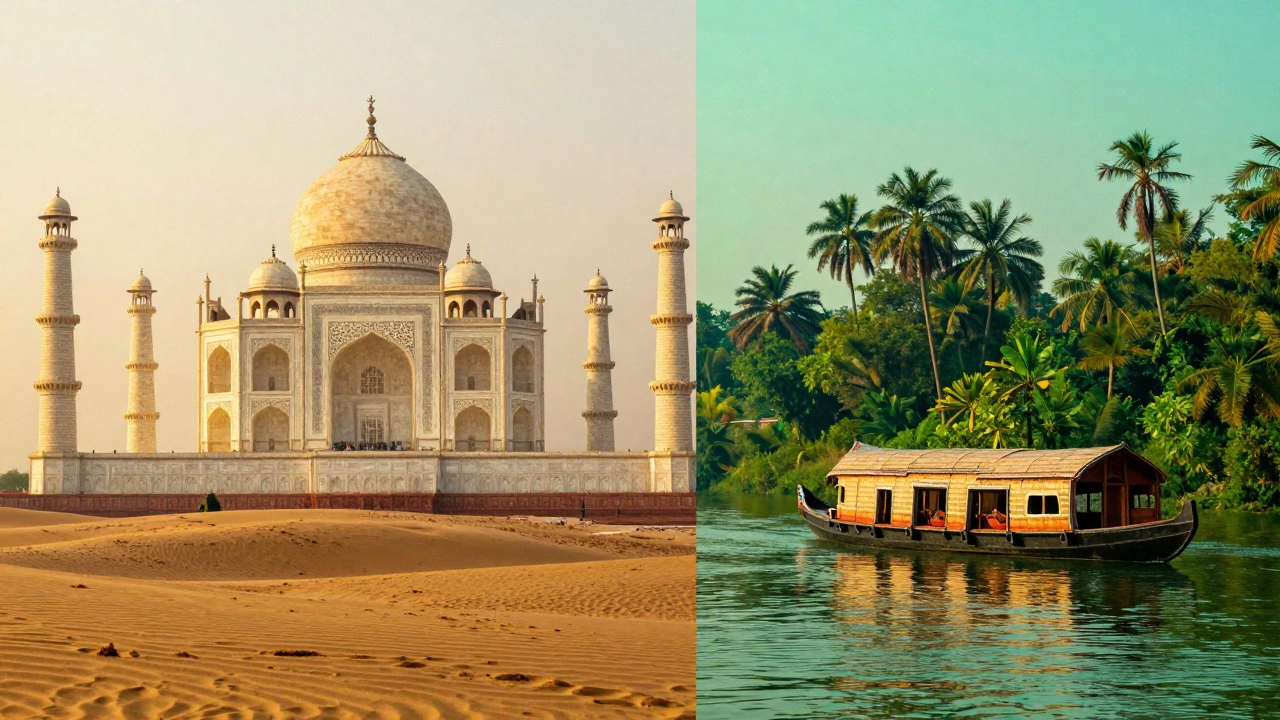
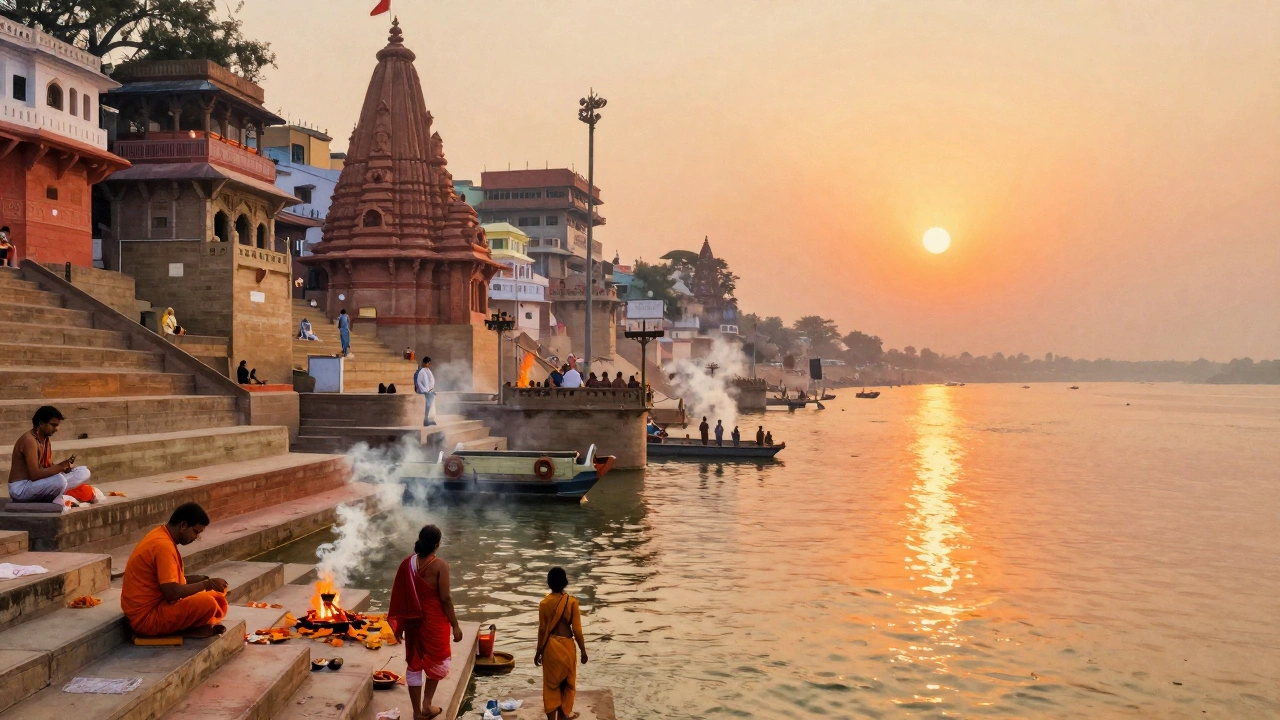
North India's cultural richness is deeply rooted in its imperial past. The Taj MahalA UNESCO World Heritage Site in Agra, built by Mughal emperor Shah Jahan in memory of his wife Mumtaz Mahal. stands as a symbol of Mughal grandeur. Meanwhile, the Golden Temple in Amritsar showcases Sikh traditions, drawing millions of pilgrims annually. Rajasthan's desert forts like Jaisalmer and Udaipur's palaces offer a glimpse into royal history, while Varanasi's ghats along the Ganges RiverA sacred river flowing through northern India, central to Hindu rituals and pilgrimage. embody Hindu spiritual life. The HimalayasA mountain range in northern India offering trekking, skiing, and spiritual retreats. in the north provide breathtaking landscapes and adventure tourism opportunities.
South India: Lush Landscapes and Living Traditions
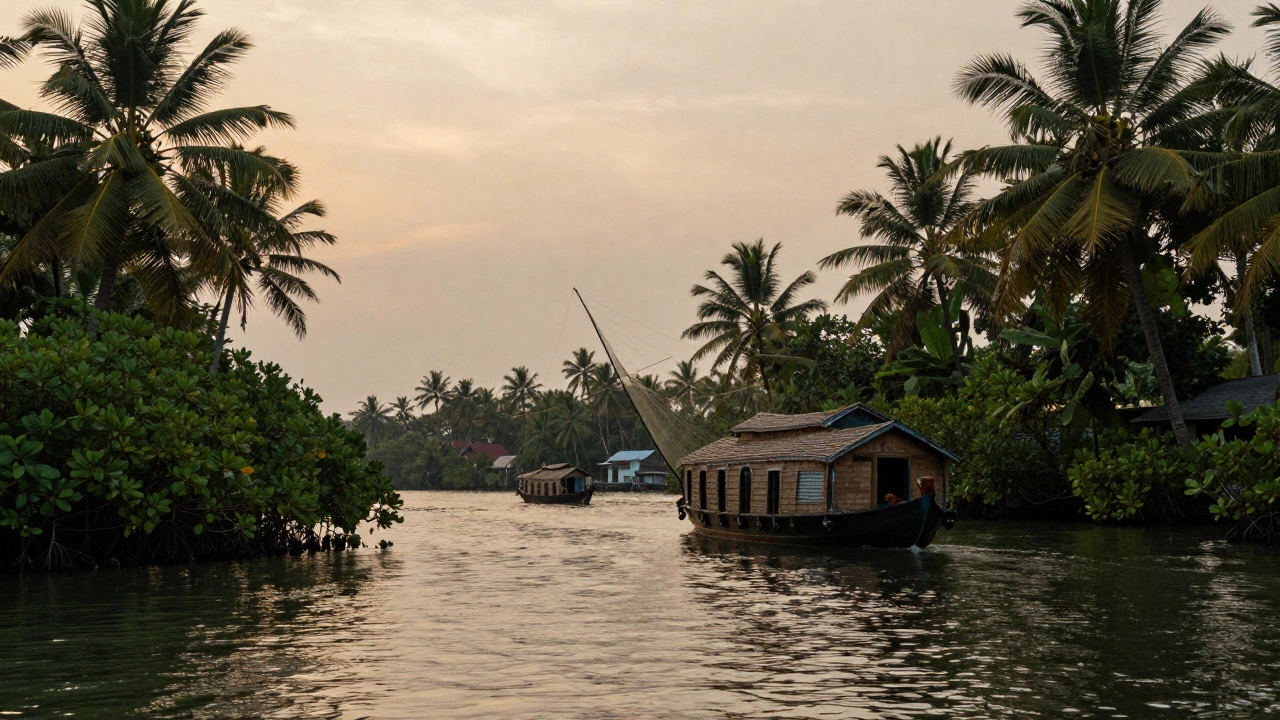
South India's charm lies in its natural beauty and ancient Dravidian culture. Kerala's backwaters and coastal towns like Alleppey attract travelers seeking tranquility. Tamil Nadu's Meenakshi Amman Temple in Madurai features towering Dravidian architectureDistinctive temple style with intricate carvings and towering gopurams, unique to South India. with intricate carvings. Karnataka's capital, Bangalore, blends tech innovation with cultural heritage, while Hyderabad's Charminar and Golconda Fort reflect its historic significance. The Western Ghats, a UNESCO site, teem with biodiversity, and coastal Andhra Pradesh offers pristine beaches and seafood.
Comparing Tourism Experiences
North India often appeals to history enthusiasts with its Mughal-era monuments and spiritual sites. For example, the Red Fort in Delhi and Fatehpur Sikri showcase imperial architecture. South India, however, emphasizes living traditions and nature. While North India's tourism is centered around monuments, South India offers experiences like Kerala's houseboat rides or the vibrant festivals of Pongal in Tamil Nadu. Both regions have UNESCO sites, but their focus differs: North India leans towards historical monuments, while South India highlights natural wonders and religious sites with distinct architectural styles.
What Travelers Should Know
Choosing between North and South India depends on your interests. If you love ancient history and grand architecture, North India's forts and temples will captivate you. For those who prefer lush greenery and coastal beauty, South India's backwaters and beaches are ideal. Food lovers will find North Indian cuisine rich with dairy-based curries and tandoori dishes, while South India features rice-based meals like dosas and idlis. Both regions have affordable travel options, but South India generally offers lower costs for accommodations and meals.
Debunking Common Myths
Many believe North India is "more developed" or "richer," but this overlooks South India's thriving tech hubs like Bangalore and Chennai. Similarly, South India isn't just beaches-it has mountain ranges like the Nilgiris and rich cultural heritage. The real richness lies in diversity: North India's historical depth and South India's natural and cultural vibrancy complement each other. Neither region is "richer"-they simply offer different experiences that cater to varied traveler preferences.
Which region has better historical sites?
North India is renowned for Mughal-era monuments like the Taj Mahal and Red Fort, while South India features ancient Dravidian temples such as Meenakshi Amman in Madurai. Both offer rich histories but with distinct architectural styles.
Is South India safer for solo travelers?
Both regions are generally safe for solo travelers, but South India has a reputation for higher safety ratings in cities like Kochi and Chennai. North India requires more caution in crowded areas like Delhi, though popular tourist spots are well-managed.
What's the best time to visit each region?
North India is best visited from October to March when the weather is cool. South India's ideal season is November to February, avoiding monsoon rains in Kerala and Tamil Nadu. Coastal areas in South India remain pleasant year-round, while North India's Himalayan regions are best in summer for trekking.
How do the food cultures differ?
North Indian cuisine leans toward wheat-based breads like naan and rich curries with dairy. South India favors rice, lentils, and coconut-based dishes like sambar and rasam. Regional specialties include butter chicken in the north and dosa in the south-both reflect local agricultural traditions.
Which region is better for budget travel?
South India generally offers lower costs for accommodations and meals, especially in cities like Bangalore and Kochi. North India can be budget-friendly too, but popular spots like Rajasthan or Delhi may have higher prices for tourist-oriented services. Both regions have hostels and local eateries that keep travel affordable.