Temple Dress Code Checker
Select Your Destination Region
Your Outfit Details
Quick Reference Guide
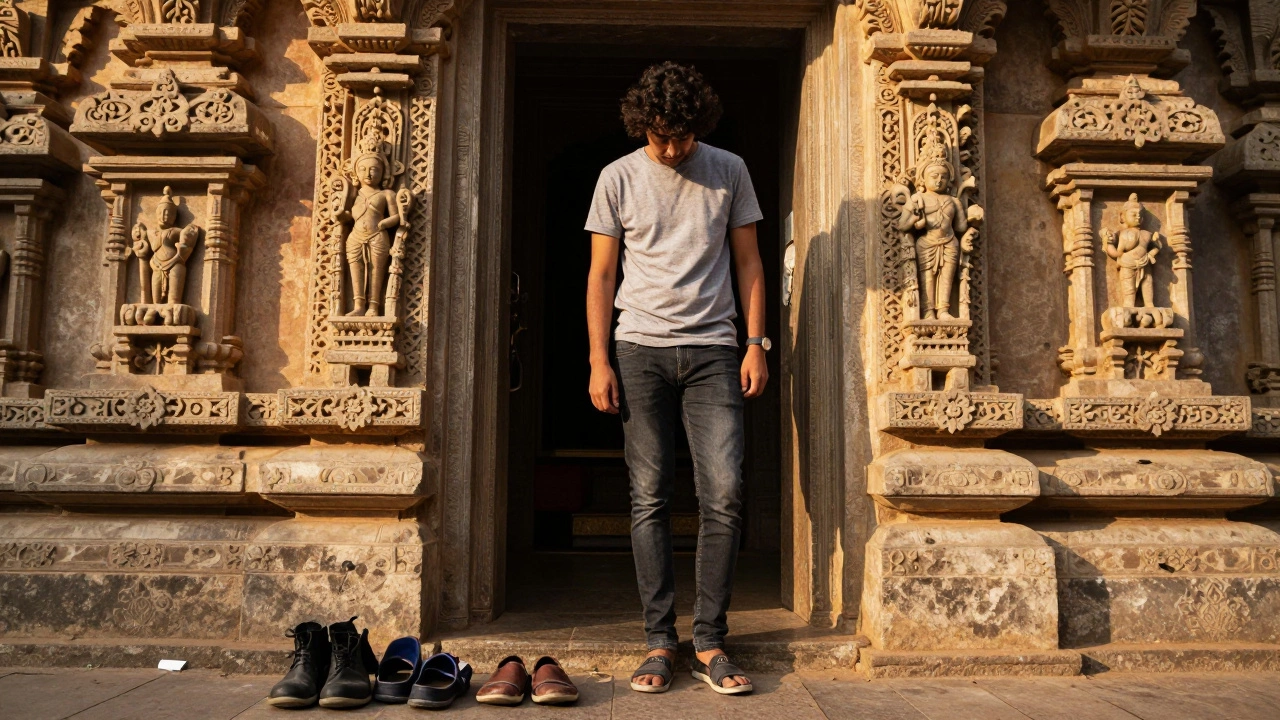
Picture this: You’ve spent weeks planning your trip to India. You have the tickets booked, the itinerary mapped out, and you’re standing outside the majestic gates of the Golden Temple in Amritsar or the ancient Meenakshi Amman Temple in Madurai. You look down at your outfit-your favorite pair of dark-wash skinny jeans and a breathable cotton t-shirt. It’s comfortable, it’s cool, and it’s what you wear every day back home. But as you step closer, a gentle voice stops you. "Sir/Ma’am, please remove your shoes and ensure your knees are covered."
You freeze. Are jeans really that big of a deal? The short answer is: it depends on the fit, the fabric, and the specific temple. While you won’t be arrested for wearing denim, ignoring local customs can lead to embarrassment, denied entry, or worse, offending the devotees who consider these spaces sacred. Understanding the nuance between "casual" and "respectful" is key to a smooth spiritual journey.
The Golden Rule: Modesty Over Fashion
In India, temples are not just tourist attractions; they are active places of worship where people go to pray, meditate, and connect with the divine. The dress code isn’t about policing fashion; it’s about showing respect to the deity and the community. The core principle across almost all Hindu temples is modesty.
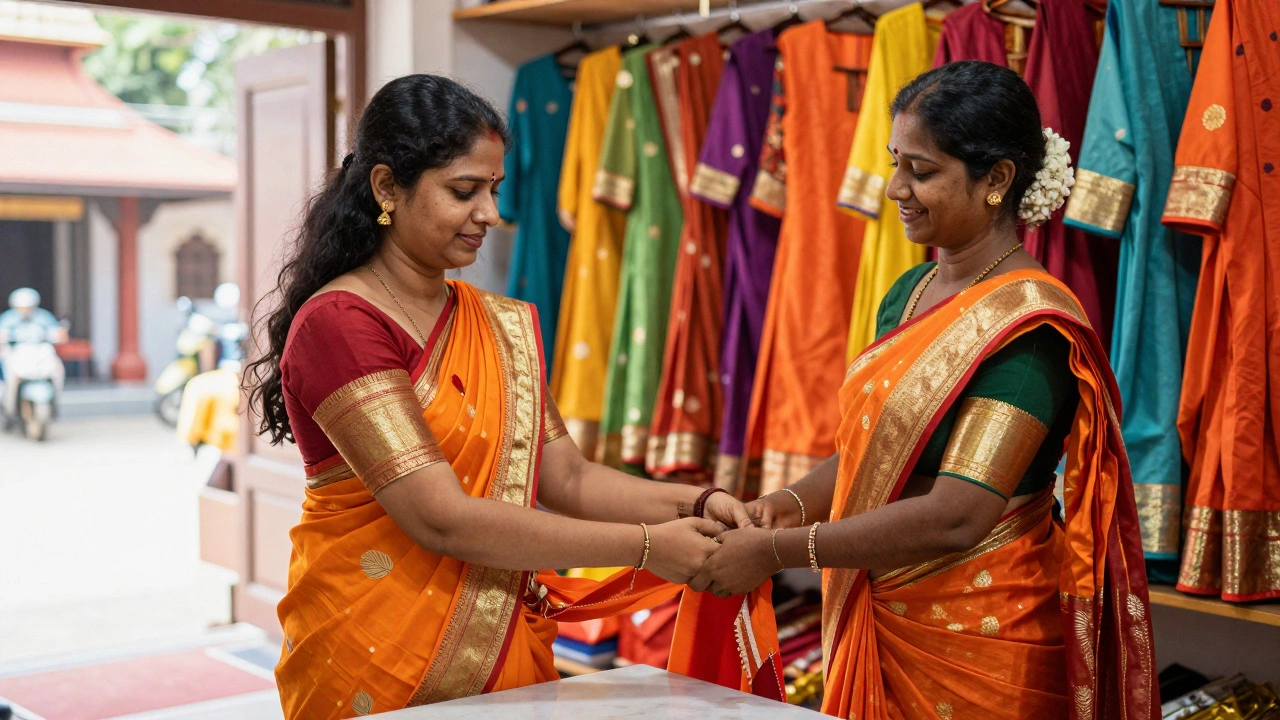
This means covering your shoulders and your knees. If your jeans are high-waisted and long enough to cover your ankles or calves, you are generally safe on the bottom half. However, if you’re wearing ripped jeans, distressed denim with large holes near the thighs, or very tight leggings that act like second skin, you might face issues. Many strict temples, particularly in South India, require women to wear traditional attire like sarees or salwar kameez, though many now provide rental services for tourists.
- Cover Shoulders: No tank tops, spaghetti straps, or sleeveless shirts. Bring a shawl or light scarf.
- Cover Knees: Shorts, mini-skirts, and cropped pants are usually prohibited.
- Avoid Tight Fit: Extremely tight clothing can be seen as immodest in conservative areas.
- No Leather: This is a crucial detail often missed by foreigners (more on this below).
Are Jeans Actually Allowed?
Yes, plain, full-length jeans are widely accepted in most major tourist-friendly temples across North and Central India. Places like the Kashi Vishwanath Temple in Varanasi or the Tirupati Balaji Temple see thousands of international visitors daily. Security staff are accustomed to seeing jeans. In fact, during the hotter months, many locals also opt for lighter trousers or lungis rather than heavy traditional wear.
However, there is a distinction between "allowed" and "ideal." Wearing jeans shows you are trying to blend in with modern Indian urban life, but it doesn’t always signal deep cultural reverence. If you want to show extra respect, especially in older, more orthodox temples, swapping jeans for loose cotton trousers, a long skirt, or a kurta (tunic) paired with churidar (stretch pants) is a better choice. It keeps you cooler and earns you appreciative nods from priests and locals.
The Leather Issue: Why Your Shoes Matter More Than Your Pants
Here is where many travelers stumble. You might get away with jeans, but if you are wearing leather shoes, boots, or even leather sandals, you could be turned away at the entrance. Hinduism reveres the cow as a sacred animal. Consequently, leather products are considered impure within temple precincts.
Most temples have shoe racks or storage counters at the entrance. Before you hand over your footwear, check the material. Canvas sneakers, rubber flip-flops, or cloth chappals are perfect. Leather loafers, cowboy boots, or expensive designer leather sandals should stay in your hotel room. Some temples allow you to carry them in a bag, but others strictly forbid bringing any leather item past the main gate. When in doubt, leave them behind. It’s a small sacrifice that prevents a huge headache.

Regional Differences: North vs. South India
India is vast, and cultural norms shift significantly as you travel from north to south. Your wardrobe strategy should adapt accordingly.
| Region | General Vibe | Jeans Acceptance | Key Restrictions |
|---|---|---|---|
| North India (Delhi, Agra, Varanasi) |
Moderate to Relaxed | Highly Accepted | Shoulder coverage required; no ripped denim. |
| Central India (Khajuraho, Ujjain) |
Moderate | Accepted | Modest cuts preferred; head covering sometimes requested. |
| South India (Tamil Nadu, Kerala) |
Strict / Traditional | Limited / Restricted | Women often need saree/salwar; men need dhoti/mundu. Rentals available. |
In South India, particularly in Tamil Nadu and Kerala, traditions run deeper. Temples like the Meenakshi Amman Temple in Madurai or the Sabarimala Temple in Kerala have stricter codes. For women, wearing jeans might be tolerated in some newer sections, but in the inner sanctums, you will likely be asked to change into a saree or a half-saree. Fortunately, most major temples in the south have rental counters right outside the entrance where you can borrow traditional attire for a small fee (usually ₹50-₹100). This is a great way to experience the culture without buying clothes you’ll only wear once.
Practical Tips for Packing Your Temple Wardrobe
You don’t need to pack a suitcase full of ethnic wear, but having a few versatile pieces makes temple visits effortless. Think "capsule wardrobe" for spirituality.
- The Magic Shawl: Pack one large, lightweight pashmina or cotton shawl. It covers bare shoulders instantly, doubles as a blanket on cold flights, and can wrap around your waist if you’re wearing shorts underneath.
- Loose Cotton Trousers: Instead of rigid denim, pack linen or cotton trousers. They breathe better in the Indian heat and look more respectful than gym leggings.
- Easy-Slip Footwear: Since you’ll be removing shoes frequently, avoid laces. Slip-on canvas shoes or sturdy sandals save time and frustration.
- A Simple Kurti: For women, a simple cotton kurti (tunic) tucked into jeans or leggings is a stylish, culturally appropriate hybrid look that works everywhere.
What Happens If You Break the Rules?
Don’t panic. Temple guards and priests are generally polite and patient with tourists. They understand that cultural ignorance is different from disrespect. If you arrive in inappropriate attire, they will usually point out the issue gently. They might direct you to a nearby shop to buy a shawl or offer you a rental option. In rare cases, if you refuse to comply, you may be denied entry to the inner courtyard. This is not personal; it’s about maintaining the sanctity of the space for everyone.
Remember, the goal is connection, not confrontation. Apologize, adjust, and proceed. Most people will appreciate your effort to respect their traditions.
Conclusion: Respect Is the Best Accessory
So, can you wear jeans to a Hindu temple? Yes, provided they are clean, unripped, and cover your knees. But beyond the fabric, it’s about the attitude. Dressing modestly signals that you value the sacredness of the place. It opens doors-not just physical ones, but social ones. Locals are far more likely to engage with you, share stories, and welcome you warmly when they see you making an effort to honor their customs. Pack light, dress smart, and keep your heart open. That’s the true essence of temple tourism in India.
Can I wear ripped jeans to a Hindu temple?
It is best to avoid ripped or distressed jeans. Large holes, especially around the thighs or knees, are considered immodest and may lead to denial of entry, particularly in strict temples in South India. Plain, solid-color denim is safer.
Do I need to remove my shoes before entering a Hindu temple?
Yes, absolutely. Removing shoes is mandatory in almost all Hindu temples. There are usually shoe racks or counters at the entrance where you can leave your footwear. Make sure your shoes are easy to slip on and off.
Is leather allowed inside Hindu temples?
No, leather items such as shoes, belts, bags, and wallets are generally prohibited because cows are sacred in Hinduism. It is recommended to use canvas, cloth, or synthetic materials for accessories worn inside the temple premises.
What should women wear if jeans are not allowed?
If jeans are restricted, women can wear a saree, salwar kameez, or a long skirt with a tunic. Many major temples offer rental services for traditional attire at a low cost, allowing tourists to dress appropriately without purchasing new clothes.
Can I take photos inside the temple?
Photography rules vary by temple. While exterior shots are usually fine, photography inside the inner sanctum (where the deity is housed) is often strictly prohibited. Always look for signage or ask permission from temple staff before taking pictures.