India Trek Budget Calculator
Estimated Budget Breakdown
Organized GroupTotal Estimated Cost
(~$0 USD)
Cost Per Person / Day
Includes food, stay, and logistics
| Expense Category | Estimated Amount (INR) |
|---|
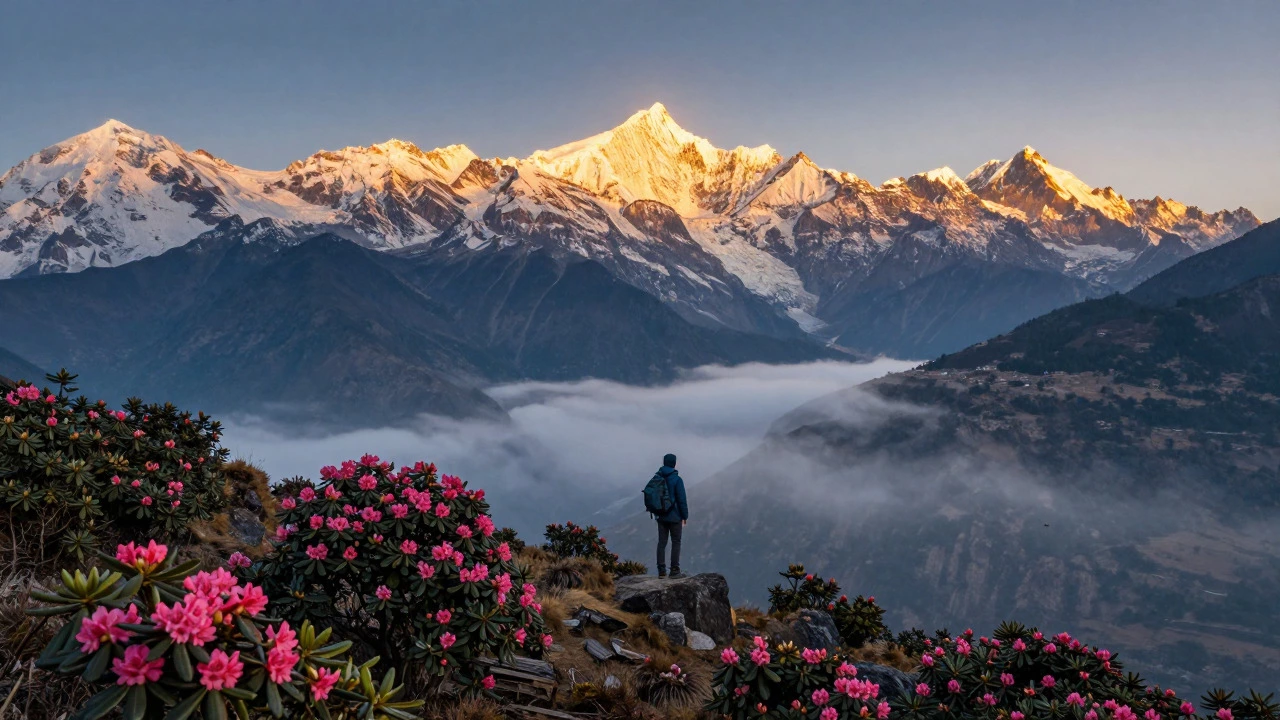
You’ve seen the photos. Snow-capped peaks, rhododendron forests, and that one perfect sunrise over the Himalayas. But then you check your bank account and panic sets in. How much does it actually cost to trek in India? Is it a luxury reserved for the wealthy, or can you do it on a shoestring budget?
The truth is, trekking in India is one of the most affordable adventure activities in the world if you know where to look. You can tackle a high-altitude pass for less than what you’d spend on a weekend getaway in a major city. However, costs vary wildly depending on whether you join an organized group, hire a private guide, or go completely solo. Getting this wrong means either overspending by 300% or risking safety by cutting corners.
What is the average cost of a trek in India?
For a standard 5-7 day trek with an organized operator, expect to pay between ₹12,000 and ₹25,000 ($140-$300 USD). Solo trekkers managing their own logistics can reduce this to ₹8,000-₹15,000 ($95-$180 USD) per trip, excluding gear.
Understanding the Three Ways to Trek
Before we talk numbers, you need to pick your style. In India, there are three main ways to approach a trek, and each has a very different price tag.
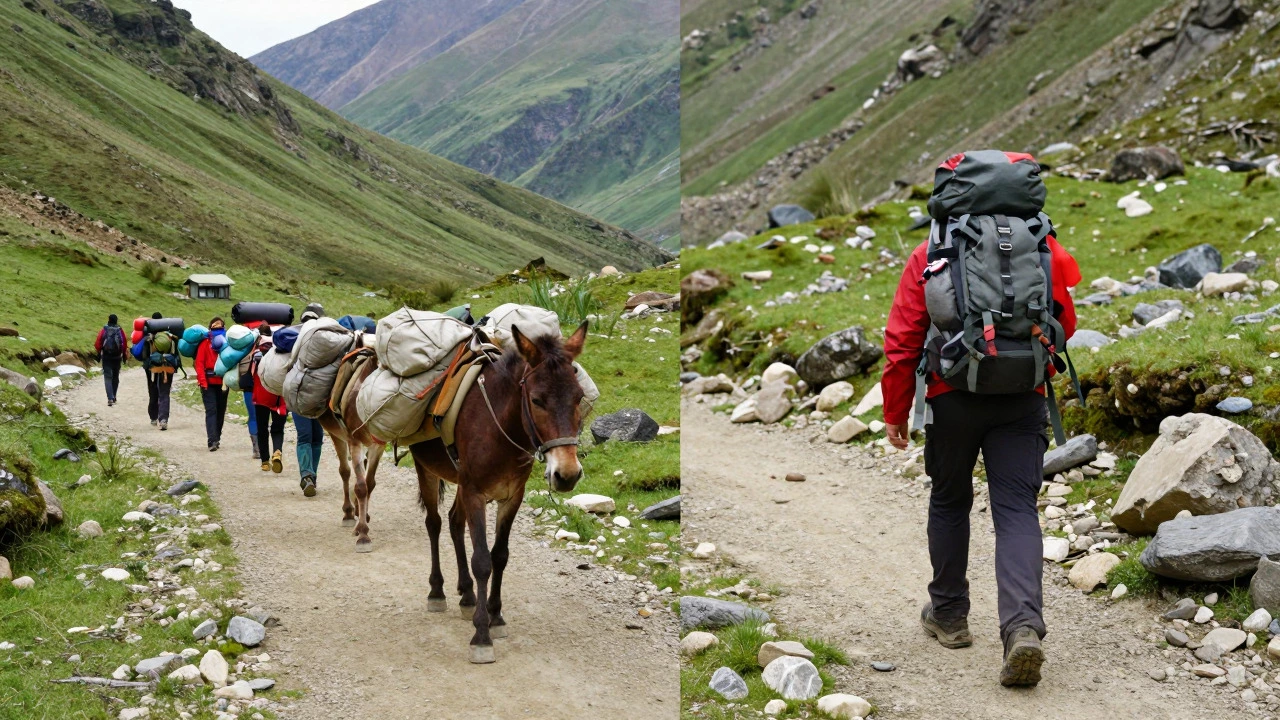
- Organized Group Treks: You book with a company like Trek & Beyond or Indian River Expeditions. They handle permits, food, mules, guides, and tents. You just show up.
- Solo Independent Trekking: You buy your own gear, rent local transport, find a local guide (if needed), and cook your own food or eat at basic dhabas (roadside eateries).
- Private Custom Treks: You hire a guide and porter exclusively for yourself or a small family group. This is the most expensive option but offers maximum flexibility.
Most beginners start with organized groups because the safety net is worth the extra cost. Let’s break down why.
The Organized Group Trek: What You’re Paying For
When you see a price tag of ₹18,000 for a 6-day trek to Kedarkantha or Triund, it feels steep until you itemize it. Here is what that money actually buys you.
- Permits: Many treks in Uttarakhand and Himachal Pradesh require forest department permits. These aren’t cheap and often need advance booking.
- Mule Transport: Your sleeping bag, tent, and heavy food supplies won’t be carried by you. Mules do that. The cost of hiring these animals is significant.
- Food: You get three hot meals a day plus tea/coffee breaks. In the mountains, fresh vegetables cost double what they do in the city.
- Guide & Porter Fees: Local experts who know the terrain and weather patterns.
- Accommodation: While you sleep in tents, some treks include nights in homestays or guesthouses in base villages.
This model removes the stress of logistics. If a storm hits, the guide makes the call. If you get sick, they have first aid kits and communication devices. For the price of a nice dinner in Mumbai, you get seven days of guided wilderness access.
The Solo Trekker’s Budget: Cutting Costs Without Risking Safety
If you want to save money, going independent is the way. But don’t mistake "cheap" for "careless." Here is how to structure a low-cost trek.
First, transport. Instead of flying to Leh or Kathmandu, take overnight trains or buses to gateway towns like Dehradun, Manali, or Nainital. A sleeper bus from Delhi to Manali costs around ₹800-₹1,200. That’s a fraction of a flight ticket.
Second, accommodation. Skip the fancy hotels in the base village. Look for government-run tourist bungalows or simple dharamshalas. These can cost as little as ₹200-₹500 per night. On the trail itself, many popular routes like Triund or Brahmatal have basic campsites where you can pitch your own tent for a nominal fee, or even free if you stay outside restricted zones.
Third, food. Carry instant noodles, oats, peanuts, and dried fruits. Cook on a portable gas stove. Avoid buying packaged snacks from vendors on the trail, who often mark up prices by 200%. Stick to water from refill stations and use purification tablets rather than buying bottled water, which adds up quickly and creates plastic waste.
| Expense Category | Organized Group (₹) | Solo Independent (₹) |
|---|---|---|
| Transport (Round Trip) | Included (~₹3,000 value) | ₹1,500 - ₹2,500 |
| Permits & Entry Fees | Included | ₹500 - ₹1,500 |
| Food & Water | Included (~₹4,500 value) | ₹1,500 - ₹2,000 |
| Accommodation/Camping | Included | ₹500 - ₹1,000 |
| Guide/Mule Rental | Included | ₹2,000 - ₹4,000 (optional but recommended) |
| Total Estimated Cost | ₹15,000 - ₹25,000 | ₹5,500 - ₹11,000 |
Note that the solo cost assumes you already own basic gear. If you need to buy everything new, add another ₹15,000-₹20,000 upfront.
Gear Costs: One-Time Investment vs. Renting
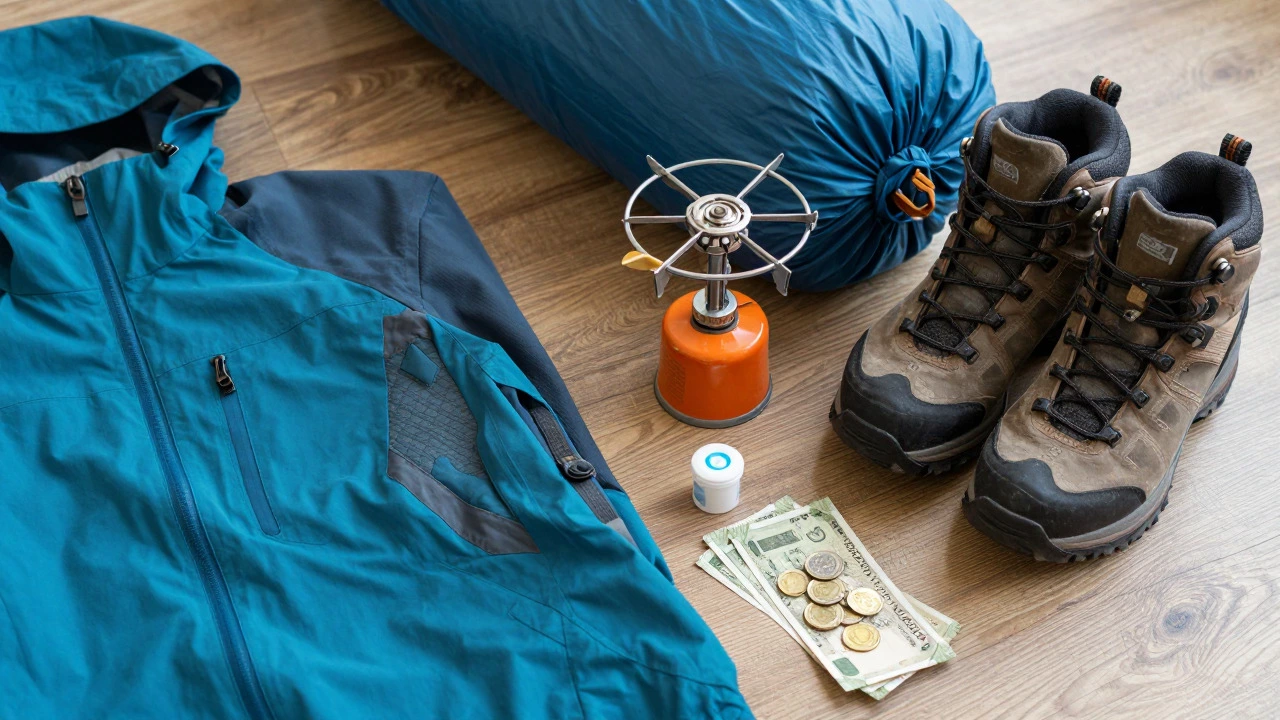
Here is the hidden trap of budget trekking. If you don’t own gear, "solo" isn’t necessarily cheaper unless you plan to do multiple treks. Buying a decent waterproof jacket, thermal layers, trekking boots, and a sleeping bag rated for -5°C can easily cost ₹15,000+
Your options:
- Buy Used: Check Facebook Marketplace or local outdoor groups in cities like Delhi or Bangalore. People upgrade gear frequently and sell lightly used items for half price.
- Rent: Some trek operators offer gear rental for ₹1,000-₹2,000 per week. This includes sleeping bags, mats, and sometimes jackets. It’s not always hygienic, so bring your own liner and socks.
- Invest Wisely: Prioritize footwear and insulation. Cheap boots lead to blisters; bad sleeping bags lead to hypothermia. Save on accessories like hats and gloves, which you can buy locally in hill stations for ₹200.
Hidden Costs That Blow Up Your Budget
Budgeting for the obvious expenses is easy. Failing to account for the unexpected is where people run out of money mid-trail.
Emergency Cash: ATMs in remote areas like Spiti Valley or Zanskar are rare and often out of cash. Carry enough physical currency for emergencies. Digital payments work in base villages but fail at higher altitudes due to network issues.
Medical Supplies: Altitude sickness medication like Diamox costs ₹500-₹800 per course. Painkillers, band-aids, and ORS sachets should be packed before you leave. Buying these in remote campsites costs triple.
Insurance: Most travel insurance policies exclude "adventure sports" above certain altitudes. Ensure your policy covers medical evacuation via helicopter. This can cost upwards of ₹50,000 if you need it. A specialized adventure insurance plan costs about ₹1,500-₹2,500 for a month of coverage.
Seasonal Price Fluctuations
Timing affects cost significantly. The peak seasons for Indian trekking are Spring (March-April) and Autumn (September-November). During these months, demand is high, and prices for permits, transport, and guides surge.
Winter treks (December-February) to places like Kedarkantha or Brahmatal are popular but slightly cheaper than autumn trips because fewer operators run them. Summer monsoon season (July-August) sees the lowest prices, but landslides make many trails dangerous or closed. If you’re flexible, trek in late February or early March to catch the shoulder season discounts.
Top Affordable Treks for Beginners
Not all treks are created equal in terms of cost. Some require expensive helicopter rides or long jeep safaris to reach the base camp. Here are three beginner-friendly treks that keep costs low.
- Triund (Himachal Pradesh): Near Dharamshala. No permit required. You can walk up and back in two days. Cost: Under ₹3,000 including transport and food.
- Brahmatal (Uttarakhand): Near Nainital. Moderate difficulty. Permits are minimal. Great value for money with stunning views.
- Hari Ki Dun (Uttarakhand): A longer trek (6-7 days) but very well-established infrastructure. Food and lodging are available along the route, reducing the need to carry heavy supplies.
How to Negotiate with Local Guides
If you go solo or semi-independent, you’ll likely hire a local guide in the base village. Prices are rarely fixed. A guide might quote ₹2,000 for a day hike when the market rate is ₹1,200.
Ask around at other guesthouses or talk to other trekkers before committing. Always agree on the total price upfront, including food for the guide. It’s customary to share your meal with your guide. Treat them with respect, and they’ll ensure your safety and point out hidden gems you’d miss otherwise.
Final Thoughts on Budgeting for Adventure
Trekking in India doesn’t have to break the bank. By choosing the right season, negotiating wisely, and investing in durable gear once, you can explore some of the most beautiful landscapes on Earth for under ₹10,000. The key is preparation. The more you plan, the less you pay for last-minute fixes.
Is it safe to trek alone in India?
It depends on the route. Popular trails like Triund or Har Ki Dun are relatively safe for experienced solo trekkers. Remote areas like Spiti or Ladakh require a guide due to altitude risks and lack of cell service. Always inform someone of your itinerary.
Do I need special permits for trekking in India?
Yes, many treks in Uttarakhand and Himachal Pradesh require forest permits. Border areas near China or Pakistan require Inner Line Permits (ILP) for Indians and Restricted Area Permits (RAP) for foreigners. Organized operators handle these; solo trekkers must apply online or at district headquarters.
What is the best time to trek in India for budget travelers?
The shoulder seasons of March-April and October-November offer the best balance of weather and cost. Winter treks (Dec-Feb) are cheaper but require cold-weather gear. Monsoon (Jul-Aug) is cheapest but risky due to landslides.
Can I trek in India without any prior experience?
Yes, but start with easy day hikes or short overnight treks like Triund or Kuari Pass. Join an organized group for your first few trips to learn basics like layering, hydration, and altitude awareness.
How much should I tip my guide and porter?
Tipping is appreciated but not mandatory. A common practice is ₹200-₹500 per day for porters and ₹500-₹1,000 for guides, depending on the trek length and service quality. Sharing meals is also a standard gesture of goodwill.