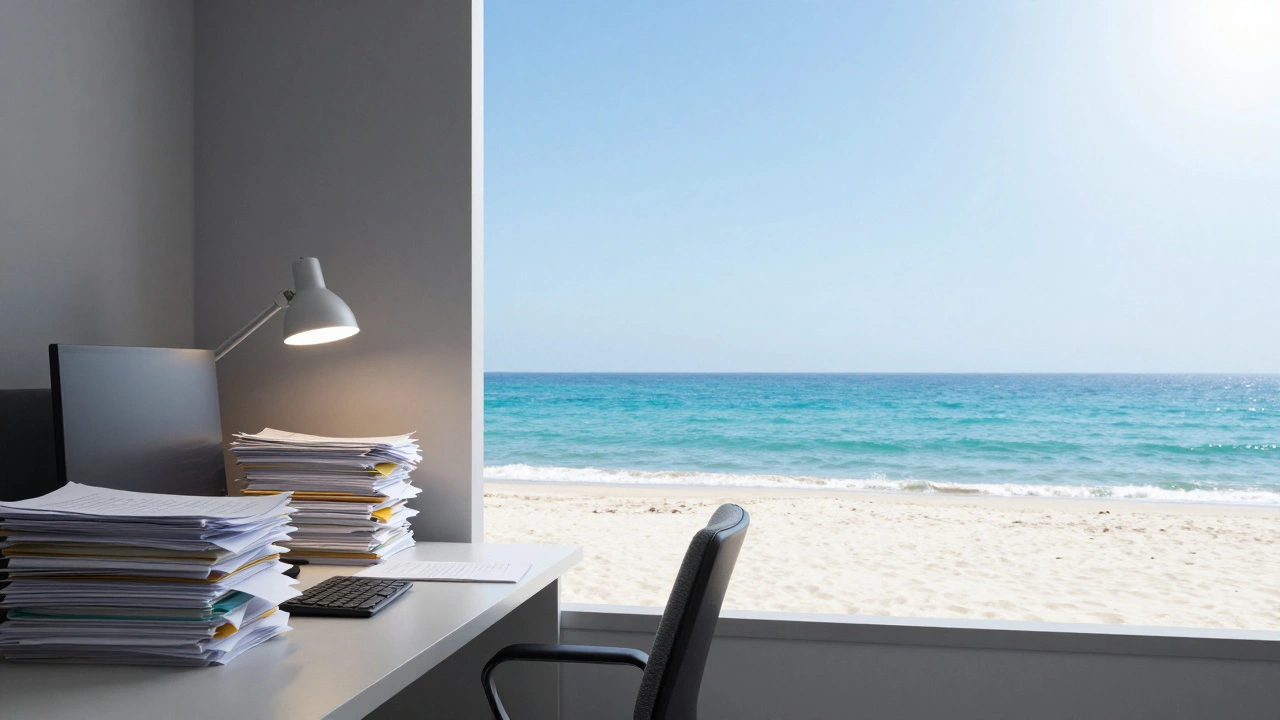
Mini Vacation Planner & Matchmaker
Find your perfect mental reset based on your current burnout level
Your Personal Recommendation:
Select your preferences and click the button to generate your custom mini-vacation strategy!
When we talk about a mini vacation is a brief travel experience, typically lasting between two to five days, designed to provide mental reset and physical relaxation without the need for extensive time off. Often called microcations, these trips bridge the gap between a standard weekend at home and a full-blown international odyssey. The goal isn't to see every museum in a city, but to shift your environment enough to trick your brain into thinking you've been away much longer.
Quick Highlights for Your Next Break
- Duration: Usually 2 to 5 days.
- Focus: Quality over quantity; deep relaxation or one specific activity.
- Budget: Generally lower than long trips, though luxury short stays are common.
- Benefit: Prevents burnout and increases productivity by providing frequent "recharge" points.
Why the Shift Toward Microcations?
The old way of vacationing was the "Big Bang" approach: save all your leave, go somewhere far, and then spend the first three days just recovering from jet lag. But science shows our brains don't actually work that way. Psychological research into "hedonic adaptation" suggests that the happiness boost from a vacation fades quickly after we return to our desks. By breaking your year into four or five mini vacations instead of one giant one, you sustain a higher baseline of happiness throughout the year.
Take Burnout as an example. It doesn't happen overnight; it's a slow erosion of energy. A three-day trip to a nearby cabin or a coastal town acts as a circuit breaker. You aren't solving the systemic problems of your job, but you are lowering your cortisol levels enough to handle the next few months of pressure. It's about frequency over duration.
How to Plan a Mini Vacation That Actually Works
The biggest mistake people make is trying to cram a ten-day itinerary into a 72-hour window. If you spend six hours in an airport and four hours navigating a strange city's transit system, you haven't had a vacation; you've had a stressful commute. To make a short trip feel like a real escape, you need a different strategy.
First, limit your travel radius. A good rule of thumb is the "four-hour rule": don't spend more than four hours traveling in any one direction. This keeps the transit-to-relaxation ratio in your favor. If you live in a city, look for Weekend Getaways that are reachable by a short drive or a quick train ride. When the travel time is low, the mental transition to "vacation mode" happens much faster.
Second, pick one "anchor activity." Instead of a list of ten sights, pick one thing you love. Maybe it's a specific spa treatment, a hiking trail, or a famous restaurant. Build the rest of the trip around that. This removes the "decision fatigue" that often plagues tourists and allows you to actually be present in the moment.
| Feature | Mini Vacation | Traditional Vacation |
|---|---|---|
| Average Length | 2-5 Days | 10-21 Days |
| Planning Effort | Low to Medium | High |
| Primary Goal | Mental Reset / Refresh | Exploration / Immersion |
| Travel Radius | Regional/Domestic | International/Long-haul |
| Recovery Time | Minimal | High (Jet lag) |
Types of Mini Vacations to Consider
Depending on what you're lacking in your daily life, the type of short trip you need will change. If you're staring at a screen for 60 hours a week, a city break might just be more of the same noise. You need the opposite of your environment.
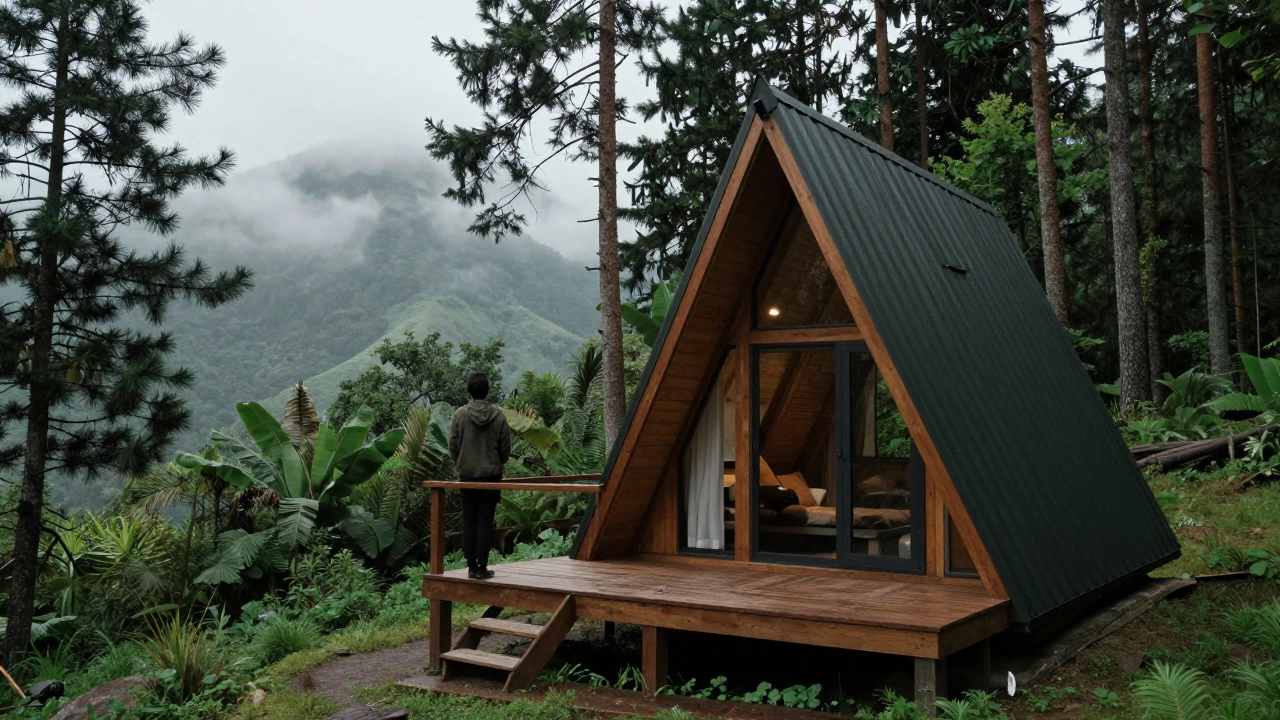
- The Nature Reset: A trip to a National Park or a mountain retreat. The goal here is "forest bathing"-getting away from artificial light and noise to lower stress.
- The Culture Pop: A quick hop to a neighboring city to visit a gallery, attend a concert, or try a new cuisine. This is about intellectual stimulation and breaking the monotony of a home routine.
- The Wellness Retreat: A focus on Mindfulness, yoga, or a luxury spa. These trips are designed specifically for physical recovery and are often the most effective for fighting burnout.
- The Staycation Plus: Booking a high-end hotel in your own city. You eliminate travel time entirely and focus purely on the luxury of being served and pampered.

Common Pitfalls and How to Avoid Them
It's easy to turn a mini vacation into a chore. The most common trap is the "Productivity Mindset." This is when you feel the need to "maximize" your time. You start waking up at 5 AM to see more things, and suddenly you're as tired on Monday morning as you were on Friday evening.
To avoid this, embrace the art of the "unplanned block." Schedule at least four hours of your trip where you have absolutely no plan. Wander a street, sit in a cafe for two hours, or nap. The feeling of freedom-the absence of a schedule-is actually what triggers the relaxation response in the brain, not the number of landmarks you check off a list.
Another pitfall is the "digital tether." If you're checking your email every thirty minutes, your brain never actually leaves the office. For a mini vacation to work, you need a hard boundary. Tell your team you are offline. Turn off notifications. If you spend the whole trip reacting to pings, you're just working from a different zip code.
Integrating Short Breaks into Your Life
Don't wait for the perfect time to travel; the perfect time doesn't exist. Instead, use a "calendar strategy." Look at the year and identify long weekends or holidays. If you have a Tuesday off, that's a golden opportunity for a four-day break. If you can work remotely for a few days from a different location, you've just turned a standard work week into a Workation.
By treating these short trips as non-negotiable appointments for your health, you shift your perspective. You stop seeing them as luxuries and start seeing them as maintenance. Just as you'd take a car in for an oil change every few thousand miles, your mind needs a reset every few months to keep running smoothly.
Is a mini vacation really enough to reduce stress?
Yes, because stress reduction isn't about the total number of days, but the quality of the detachment. Shifting your environment and disconnecting from daily triggers can lower cortisol levels and provide a mental "reset" that lasts for several weeks if you avoid immediately jumping back into a high-stress workload.
How do I keep costs down on frequent short trips?
Focus on regional travel to save on flights. Use "shoulder season" dates (just before or after peak travel) and opt for Airbnbs with kitchenettes to save on dining costs. Since the trips are shorter, you can often afford a slightly nicer hotel because you're only paying for two nights instead of two weeks.
What is the ideal length for a microcation?
For most people, 3 to 4 days is the sweet spot. It's long enough to leave your home environment and settle into a new rhythm, but short enough that it doesn't require a massive amount of time off work or complex logistics.
Can a staycation be considered a mini vacation?
Absolutely, provided there is a clear boundary between "home life" and "vacation life." This usually means staying in a hotel or a rental and consciously avoiding your usual chores, errands, and home-based stressors.
How often should I take a mini vacation?
Ideally, once every 8 to 12 weeks. This frequency helps prevent the buildup of chronic stress and provides something to look forward to, which is a powerful motivator for mental health.