Manali Trek Finder
Select your experience level to find the perfect trail for your next adventure in the Himalayas.
Difficulty: -
Best Window: -
Key Highlight: -
-
Quick Takeaways
- Manali is considered the trekking hub due to its proximity to diverse Himalayan ranges.
- It offers everything from easy forest walks to grueling high-altitude expeditions.
- Key trails include Beas Kund and the legendary Hampta Pass.
- The region serves as a critical gateway to Ladakh and Lahaul.
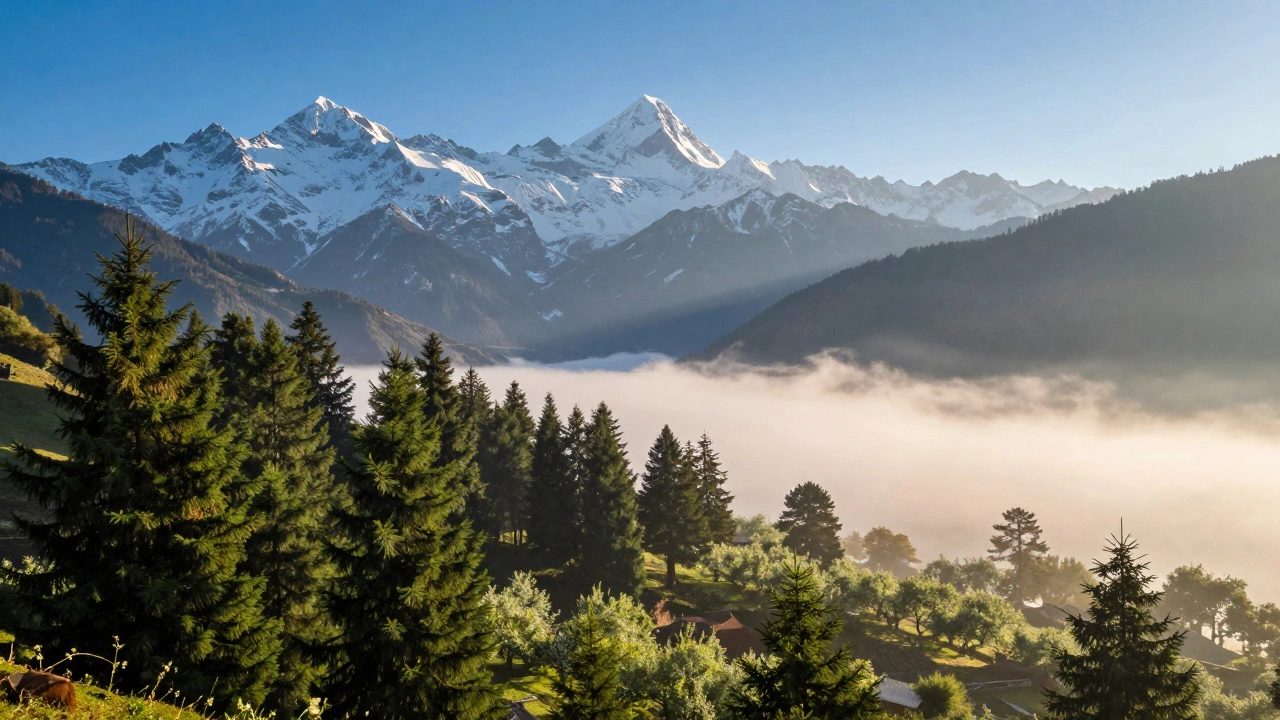
When we talk about the trekking places india is famous for, Manali always tops the list. But why? To understand this, you have to look at the geography. Manali is a high-altitude town in the state of Himachal Pradesh that sits at the crossroads of the Pir Panjal and Great Himalayan ranges. This unique position means that within a few hours' drive or walk, you can transition from lush green valleys to stark, lunar-like landscapes. It's a playground for every skill level, which is why it earns the 'capital' title.
The Beginner's Gateway: Low-Altitude Magic
Not everyone is ready to climb a 14,000-foot peak on their first trip. One of the reasons Manali dominates the scene is its ability to cater to the 'weekend warrior.' If you've never carried a backpack longer than a school bag, you start with trails like Beas Kund. This trek takes you to the source of the Beas River, and it's more of a steep hike than a grueling expedition. You get a taste of the glacial melt and the thin air without needing a professional guide or a mountain of gear.
Then there's the Jogini Falls trail. It's a short, punchy walk through apple orchards and pine forests. It's the kind of place where you see locals carrying loads of supplies on their backs, reminding you that while this is a vacation for you, the mountains are a workplace for others. These entry-level paths act as a filter, preparing people for the more serious challenges deeper in the Himalayas.
The Mid-Range Challenge: Hampta Pass and Beyond
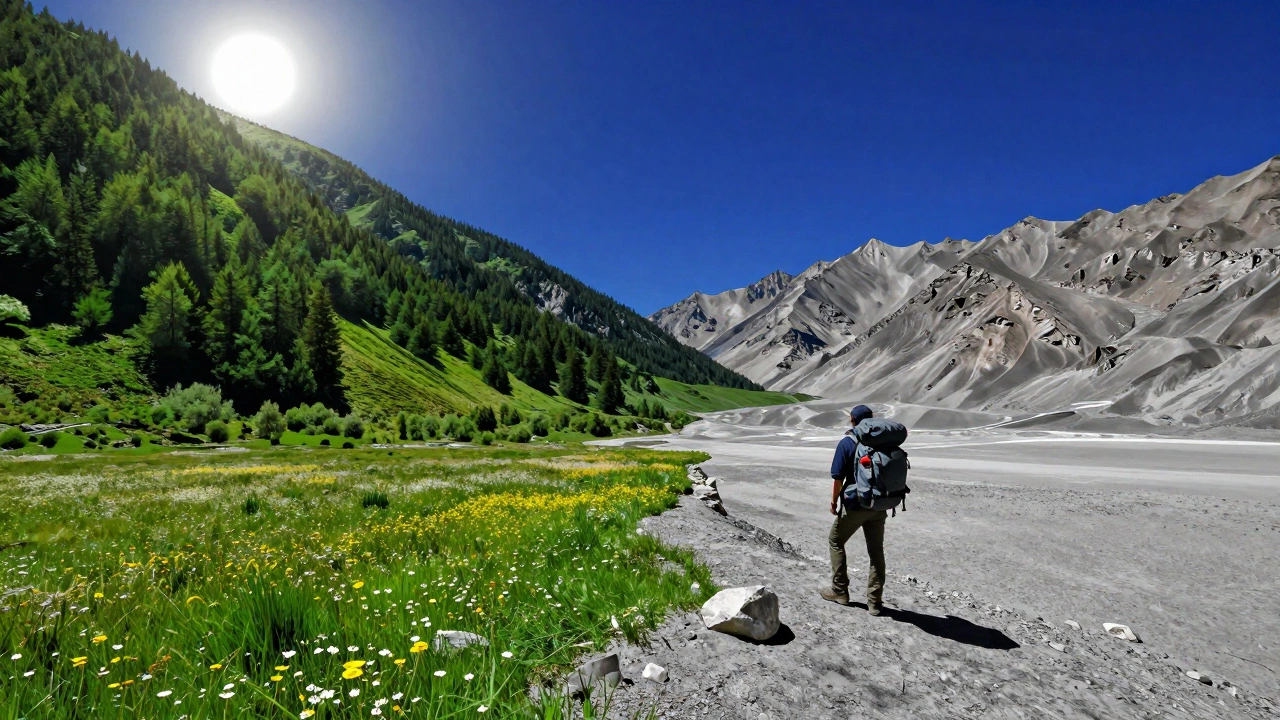
Once you've got your mountain legs, you move into the 'intermediate' category. This is where the real magic happens. The Hampta Pass is perhaps the most iconic trek in the region. What makes it special is the dramatic contrast. On one side of the pass, you have the lush, green forests of the Kullu Valley. As soon as you cross the peak, the landscape flips into the cold, arid desert of Lahaul and Spiti. It's like stepping through a portal into another world.
For those who want something slightly less crowded but equally stunning, the Bhrigu Lake trek is a goldmine. You're walking through high-altitude meadows-locally called margs-that look like a green carpet rolled out over the mountains. The lake itself is a glacial pond that stays frozen for a good chunk of the year. These treks aren't just about the destination; they're about the culture of the mountain camps, the shared meals of dal and rice, and the bonding that happens when you're all exhausted and staring at a billion stars.
| Trek Name | Difficulty Level | Best Time to Visit | Key Highlight |
|---|---|---|---|
| Beas Kund | Easy | May to October | Source of Beas River |
| Hampta Pass | Moderate | June to September | Contrast of Kullu & Lahaul |
| Bhrigu Lake | Moderate | May to October | High-altitude meadows |
| Pin Parvati Pass | Difficult | July to September | Extreme altitude & glaciers |
The Pro Zones: High Passes and Glacial Crossings
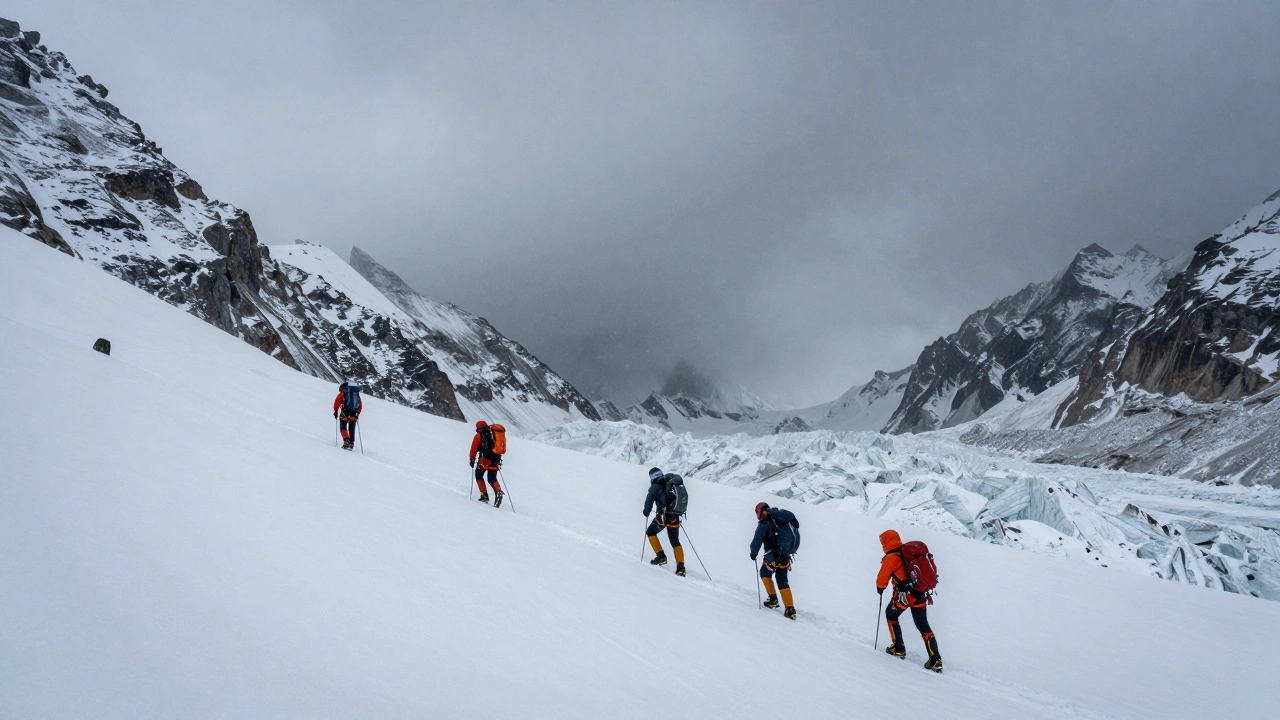
For the hardcore adventurers, Manali is the starting point for some of the most grueling tests of human endurance in India. The Pin Parvati Pass is a beast. This isn't a walk in the park; it's a long-haul expedition that connects the Parvati Valley to the Spiti Valley. You're dealing with deep snow, unpredictable weather, and oxygen levels that make every step feel like you're lifting a car. Only seasoned trekkers attempt this, and the reward is a sense of isolation that you simply can't find in the touristy parts of town.
Then there is the Rohtang Pass, though it's more of a transit point now than a trek. However, the areas surrounding it, leading toward the Atal Tunnel, offer rugged terrain for those who want to explore the high-altitude desert. Crossing these passes requires more than just physical strength; it requires a mental game. You have to deal with altitude sickness-what locals call mountain sickness-and the ability to pivot your plans when a sudden blizzard wipes out your visibility.
The Infrastructure: Why the 'Capital' Label Sticks
A place can have great mountains, but it can't be a 'capital' without the support system. Manali has evolved into a hub because it provides everything a trekker needs. From specialized gear rental shops where you can get a high-quality down jacket or trekking boots for a few hundred rupees, to a vast network of certified guides who know the terrain like the back of their hand.
The town is also the primary base for acclimatization. Because Manali sits at a moderate altitude, your body begins to adjust to the thinner air before you hit the 12,000-foot marks. If you jumped straight into a high-altitude trek without this buffer, you'd likely end up with a splitting headache and nausea. The local cafes, the hostels, and the community of wandering souls create an ecosystem that encourages people to stay longer and explore further.
Common Pitfalls and How to Avoid Them
Despite its popularity, trekking in Manali isn't without risks. The biggest mistake people make is underestimating the weather. In the mountains, the forecast is a suggestion, not a rule. You can start your day in a t-shirt and end it shivering in a rainstorm. Always pack layers. A moisture-wicking base layer, a fleece mid-layer, and a waterproof outer shell are your best friends.
Another issue is the "Tourist Trap" guides. Some operators will promise a "luxury trek" but provide subpar tents and freeze-dried food that tastes like cardboard. Do your homework. Look for guides who are certified by the Indian Mountaineering Foundation. They prioritize safety over speed and will tell you to turn back if the weather turns ugly, which is exactly the kind of guide you want when you're miles from the nearest road.
Connecting the Dots: Beyond the Trails
Trekking in Manali isn't just about the hike; it's about the surrounding culture. The Kullu Valley provides the agricultural backdrop, with its famous apple orchards and hand-woven shawls. When you're trekking, you'll often pass through small villages where the architecture is a mix of stone and wood, designed to withstand heavy snowfall. These interactions-sharing a cup of salty butter tea with a shepherd-are what turn a physical exercise into a cultural experience.
If you have extra time, the transition from Manali to Leh via the Manali-Leh Highway is one of the most epic road trips on the planet. It crosses several high passes and takes you through some of the most desolate yet beautiful terrain in Asia. It's the natural extension of the trekking experience, moving from the forest-heavy trails of Himachal to the stark, Tibetan-style plateau of Ladakh.
Is Manali safe for solo female trekkers?
Yes, Manali is generally very safe for solo female travelers. However, it is highly recommended to join a reputable trekking group rather than venturing into the remote wilderness alone. Using certified guides and staying in well-reviewed hostels helps ensure a secure environment.
What is the best month to visit Manali for trekking?
The peak window is from May to October. May and June are great for escaping the heat of the plains, while September and October offer the clearest skies and the most stable weather after the monsoon rains.
Do I need a permit for trekking in Manali?
For most basic trails around the town, no permit is needed. However, for restricted areas near the borders or specific high-altitude passes like those leading toward Lahaul or Spiti, you will need permits that can be arranged through your trekking agency or local government offices.
How do I prevent altitude sickness (AMS)?
Hydration is key-drink plenty of water and avoid alcohol. Spend a couple of days in Manali town to acclimatize before heading higher. If you feel a persistent headache or nausea, notify your guide immediately; the only real cure for severe AMS is descending to a lower altitude.
What gear is absolutely essential for a Manali trek?
You need a pair of sturdy, waterproof trekking boots with good ankle support, a 40-60 liter backpack, a high-quality sleeping bag rated for sub-zero temperatures, and layered clothing. Don't forget a headlamp and a basic first-aid kit containing blister wraps and painkillers.
Next Steps for Your Journey
If you're planning your first trip, start by picking a trek that matches your current fitness level. If you've been hitting the gym or doing local hikes, a moderate trek like Hampta Pass is a great goal. If you're just starting out, stick to the Beas Kund or Jogini Falls trails to get a feel for the altitude.
For the experienced mountaineer, the next logical step after mastering Manali is to look toward the Garhwal Himalayas or the Kumaon region in Uttarakhand. These areas offer similar challenges but with different landscapes and cultural nuances. Regardless of where you go, remember to leave the mountains exactly as you found them-pack out your trash and respect the local ecology.