India Safety & Preparation Planner
Your Risk Profile
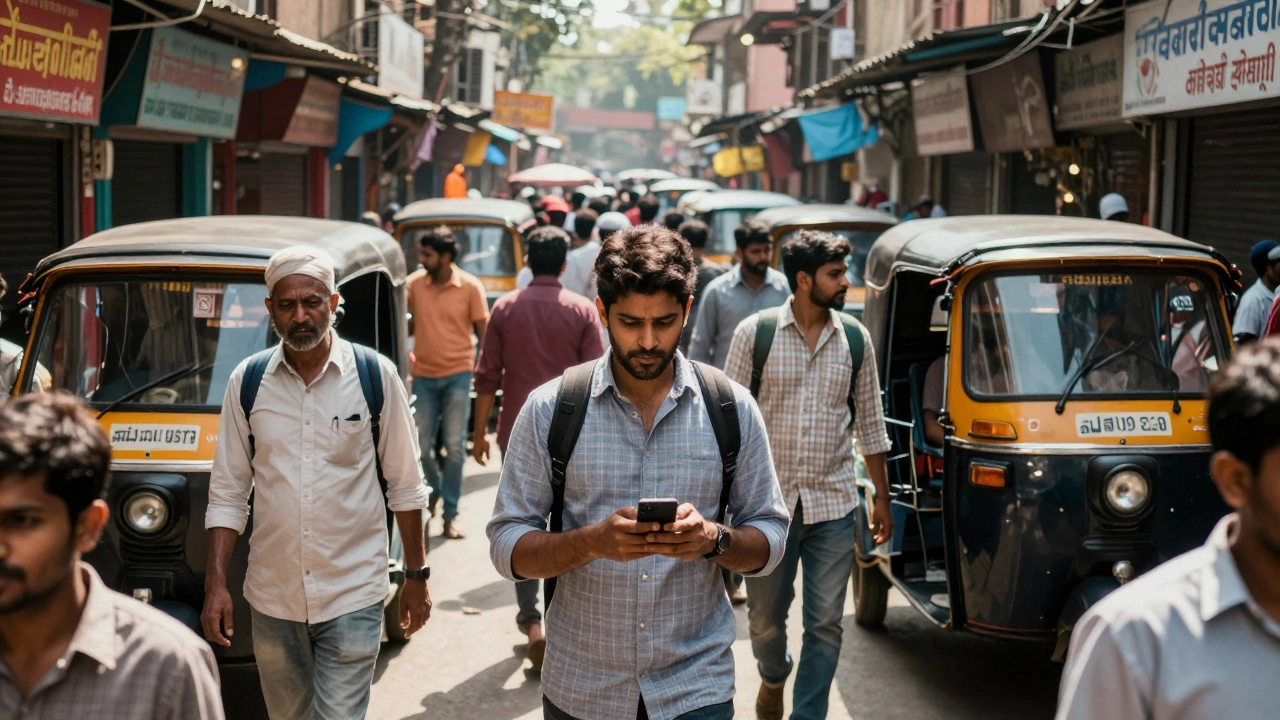
India is not a place you visit by accident. You plan for it. You prepare for it. And yes, you worry about it. The question on your mind is simple: is it safe for Americans to travel to India? The short answer is yes. But the real answer requires nuance. Millions of travelers from the United States visit India every year without incident. They eat street food in Delhi, trek in the Himalayas, and negotiate rickshaw rides in Mumbai. Yet, India can be overwhelming. The noise, the crowds, and the sheer scale of the country can feel chaotic if you are not prepared.
Safety here does not mean sterile or predictable. It means being aware, respectful, and smart. As an American traveler, you bring certain privileges and certain targets. Your passport makes you stand out. Your smartphone makes you a target for pickpockets. But your willingness to engage with locals often turns potential risks into memorable connections. This guide cuts through the fear-mongering and gives you the practical tools to navigate India safely in 2026.
The Reality of Safety for Western Tourists
Let’s address the elephant in the room first. Violent crime against tourists in India is statistically rare. According to data from the U.S. Department of State and Indian Ministry of Home Affairs, incidents involving physical harm to foreigners are exceptionally low compared to global averages. Most crimes committed against tourists are non-violent: petty theft, scams, and harassment. These are annoying, frustrating, and sometimes traumatic, but they are rarely life-threatening.
However, perception matters. If you have never traveled outside the West, India will shock your senses. Honking cars, aggressive vendors, and intense eye contact can feel hostile. They are usually not. In many cases, what feels like aggression is just the high-energy rhythm of daily life. Learning to distinguish between genuine danger and cultural intensity is your first step toward safety.
For women travelers, the conversation is different. Harassment is a real issue in urban centers. Catcalling, staring, and unwanted comments are common. While most men in India are respectful, the behavior of a few can ruin a trip if you are unprepared. We will cover specific strategies for female travelers later in this guide.
Is violent crime common against tourists in India?
No. Violent crime against tourists is statistically rare. Most issues involve petty theft, scams, or harassment rather than physical violence. Staying in tourist-friendly areas and using common sense significantly reduces risk.
Health and Hygiene: The Invisible Threat
If there is one thing that consistently impacts American travelers more than crime, it is health. "Delhi Belly" is not a myth; it is a reality for many who underestimate the difference in bacterial strains between the U.S. and India. Your immune system has not been exposed to these local pathogens, making you more susceptible to gastrointestinal issues.
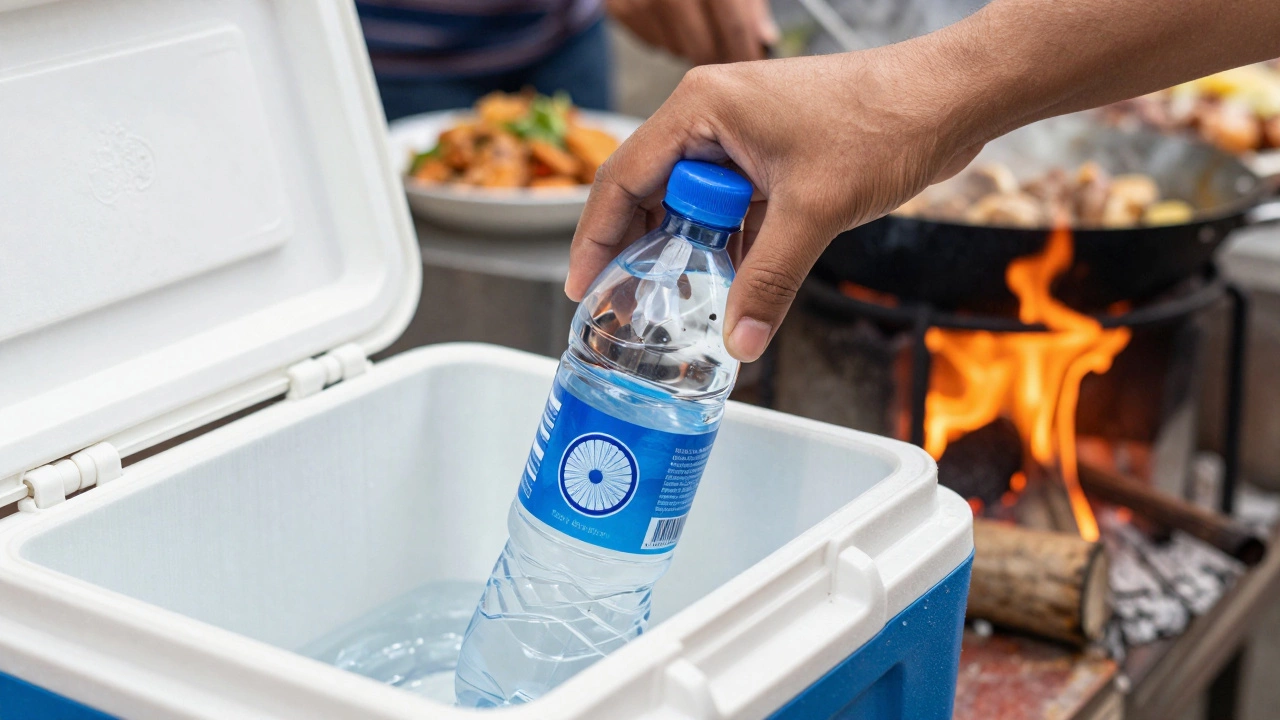
Food safety is the biggest hurdle. Here is the golden rule: if it did not move, died, or boil, think twice. Stick to bottled water-always check the seal. Avoid ice cubes unless you are at a reputable hotel or restaurant. Street food is delicious and iconic, but only eat from stalls with high turnover where food is cooked fresh and hot in front of you. Avoid raw salads, peeled fruits, and chutneys made with unknown ingredients.
Beyond food, consider vaccinations. Before your trip, consult a travel medicine specialist. Hepatitis A, Typhoid, and Tetanus boosters are standard recommendations. For longer stays or rural travel, discuss Japanese Encephalitis and Rabies prophylaxis. Malaria is present in some parts of India, so carry repellent containing DEET (at least 30%) and wear long sleeves during dusk and dawn.
Air quality is another concern, particularly in the North. Cities like Delhi, Lucknow, and Kanpur often suffer from poor air quality, especially in winter. If you have asthma or respiratory sensitivities, monitor the Air Quality Index (AQI) daily via apps like AirVisual. On bad days, stay indoors or wear an N95 mask when outdoors.
Navigating Scams and Financial Security
Scams are the most frequent negative experience for Americans in India. They range from minor annoyances to significant financial losses. The good news? They are almost always preventable with preparation.
The "Friendly Local" scam is classic. Someone approaches you, claims to know a closed temple or a special discount, and guides you to a shop or gem store. They get a commission from your purchase. Never follow strangers who offer unsolicited help. Politely decline and walk away.
Taxi drivers may overcharge or refuse meters. Use ride-hailing apps like Uber or Ola whenever possible. These apps provide fixed pricing, driver details, and GPS tracking. If you must take a street rickshaw or auto-rickshaw, agree on the price before getting in. Negotiation is expected, not rude.
ATM skimming is a growing threat. Use ATMs located inside banks or major hotels, not standalone machines on busy streets. Cover the keypad when entering your PIN. Carry enough cash for small transactions to reduce ATM dependency. Credit cards are widely accepted in urban areas, but always keep a backup card hidden separately from your primary one.
| Scam Type | How It Works | Prevention Strategy |
|---|---|---|
| Friendly Local | Stranger offers guidance to earn commission | Decline unsolicited help; use official guides |
| Taxi Overcharging | Driver refuses meter or inflates fare | Use Uber/Ola; agree on price beforehand |
| Temple Closed Scam | Claimed closure redirects you to shops | Verify opening hours online; ignore redirects |
| ATM Skimming | Device steals card data | Use bank-located ATMs; cover keypad |
Regional Differences: North vs. South India
India is not a monolith. Safety and experiences vary drastically by region. Since your interest lies in North India tourism, let’s focus there, but understanding the contrast helps set expectations.
North India, including Delhi, Rajasthan, Uttar Pradesh, and Himachal Pradesh, is culturally rich but intensely crowded. The heat in summer (April-June) is brutal, often exceeding 40°C (104°F). This affects both comfort and safety. Heat exhaustion is a real risk. Plan outdoor activities for early morning or late evening. Stay hydrated and seek air-conditioned breaks during midday.
Rajasthan, home to Jaipur, Jodhpur, and Udaipur, is very tourist-friendly. Hotels cater specifically to international visitors, offering safer food options and guided tours. However, the desert climate demands respect. Dehydration happens quickly.
In contrast, South India (Kerala, Tamil Nadu) tends to be cleaner, cooler, and less chaotic. English is more widely spoken, reducing communication barriers. But since you are focused on the North, remember that cities like Varanasi and Ayodhya are spiritually profound but physically challenging. Narrow alleys, open drains, and dense crowds require careful navigation.
Himachal Pradesh and Uttarakhand offer mountain escapes. These regions are generally safer and cleaner. Trekking is popular, but always hire local guides. Altitude sickness is a serious risk above 3,000 meters. Acclimatize slowly and know the symptoms: headache, nausea, dizziness.
Women Travelers: Specific Challenges and Strategies
If you are a woman traveling alone or in a group, India requires extra vigilance. Harassment is pervasive in public spaces. Women report frequent staring, catcalling, and occasional physical advances. This is not excusable, but it is widespread.
Dress modestly. This is not just about respect; it is about blending in. Cover shoulders, knees, and chest. Loose-fitting clothes like kurtas and jeans are comfortable and appropriate. Avoid tight clothing or revealing outfits, which draw unwanted attention.
Accommodation matters. Choose well-reviewed hotels or hostels with 24-hour reception. Avoid staying in isolated guesthouses. Share your location with trusted contacts back home. Use women-only compartments on trains when available (marked as "Ladies Only").
Trust your instincts. If a situation feels wrong, leave immediately. Do not worry about appearing rude. Your safety outweighs politeness. Learn basic Hindi phrases like "Nahi" (No), "Ruko" (Stop), and "Madad chahiye" (Help needed). Locals respond better to those who attempt their language.
Consider joining group tours for initial acclimation. Shared experiences reduce vulnerability and provide built-in support networks. Many women find that traveling with other women enhances safety and enjoyment.

Digital Safety and Connectivity
Your smartphone is your lifeline in India. Ensure you have reliable connectivity. Buy a local SIM card upon arrival-Airtel and Jio are the top providers. They offer affordable data plans with extensive coverage. Register your phone number with emergency services.
Download offline maps before arriving. Google Maps works well, but cellular service can drop in rural areas. Keep power banks charged. Theft of electronics is common in crowded markets. Keep your phone in a front pocket or secure bag, never in back pockets.
Be cautious with public Wi-Fi. Avoid accessing banking or sensitive accounts on unsecured networks. Use a VPN for added security. Enable two-factor authentication on all critical accounts.
Share your itinerary with someone you trust. Update them regularly. If you lose your phone, register a complaint immediately with local police and your embassy. Digital footprints can help track stolen devices.
Emergency Preparedness and Resources
Hope for the best, prepare for the worst. Know the emergency numbers:
- Police: 100
- Ambulance: 108
- Women’s Helpline: 1091
- Tourist Police: Available in major cities
Register with the Smart Traveler Enrollment Program (STEP) offered by the U.S. Department of State. This ensures you receive alerts and assistance in case of natural disasters, civil unrest, or medical emergencies. The U.S. Embassy in New Delhi and Consulates in Mumbai, Chennai, Kolkata, and Hyderabad provide consular services.
Carry a copy of your passport, visa, and insurance documents separately from the originals. Store digital copies in a secure cloud account. Travel insurance is non-negotiable. Choose a policy that covers medical evacuation, trip cancellation, and lost belongings. Companies like World Nomads and Allianz Global Assist offer robust plans for India.
If you fall ill, go to reputable hospitals. In Delhi, Apollo Hospitals and Fortis Healthcare are internationally accredited. In Jaipur, Narayana Health Institute is highly rated. Always ask for itemized bills and keep receipts for insurance claims.
What should I do if I get sick in India?
Visit a reputable hospital like Apollo or Fortis. Keep all medical bills and prescriptions for insurance claims. Inform your travel insurer immediately. For severe cases, consider medical evacuation covered by comprehensive policies.
Is tap water safe to drink in India?
No. Tap water is not safe for drinking. Use bottled water with sealed caps, boiled water, or filtered/purified water. Avoid ice cubes unless confirmed safe.
How can I avoid scams while traveling in India?
Ignore unsolicited help from strangers. Use ride-hailing apps for transport. Verify prices before engaging. Be skeptical of "special deals" directed by locals. Trust official sources and guides.
Are women safe traveling alone in India?
Women face higher risks of harassment. Dress modestly, stay in reputable accommodations, use women-only train compartments, and trust instincts. Group tours enhance safety. Prepare mentally for stares and comments.
What vaccinations are recommended for India?
Consult a doctor for Hepatitis A, Typhoid, Tetanus, and possibly Japanese Encephalitis or Rabies depending on travel duration and regions visited. Malaria prophylaxis may be needed for rural areas.
Final Thoughts: Embrace the Chaos Safely
India is not for everyone. It demands patience, flexibility, and resilience. But for those willing to adapt, it offers unparalleled richness. The history, the culture, the warmth of its people-it all rewards the prepared traveler. Safety is not about avoiding risk entirely; it is about managing it intelligently.
Do your research. Pack wisely. Stay alert. Engage respectfully. And remember, millions of Americans have walked these streets before you. With the right mindset and preparation, you can too. India awaits-not as a threat, but as an adventure worth taking.