
Indian Visa Timeline & Readiness Calculator
You’re staring at a flight deal to Delhi or Mumbai that expires in three days. You’ve got your bags half-packed, but there’s one nagging question: will you actually have the visa in time? For U.S. citizens dreaming of budget travel in India, timing is everything. The good news? If you plan ahead, getting an Indian visa is a straightforward digital process that typically takes between 3 and 5 business days. But if you leave it to the last minute, those timelines can stretch, turning a dream trip into a stressful scramble.
In 2026, the vast majority of American tourists use the electronic visa system. It’s faster, cheaper, and less headache-inducing than the old-school embassy route. However, "how long" isn’t just about the clock ticking on the application portal. It’s about how quickly you gather documents, how fast you pay, and whether the immigration officers need more info. Let’s break down exactly what to expect so you can book with confidence.
The Standard Timeline: 3 to 5 Business Days
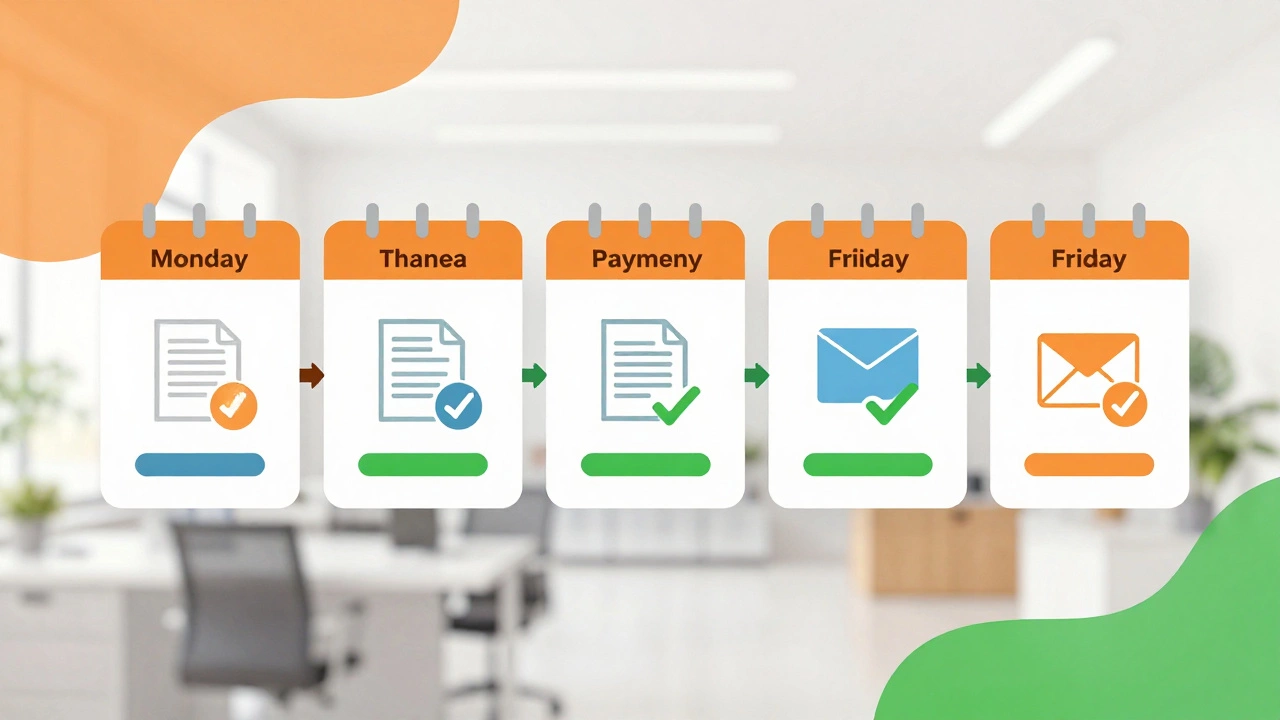
When you submit an application for an e-Visa India is an official travel document issued electronically to eligible foreign nationals, the standard processing window is 72 hours. In practice, most applicants receive their approval within 3 to 5 business days. This means if you apply on a Monday morning, you should ideally have your Electronic Travel Authorization (ETA) by Thursday or Friday.
But don’t treat this as a guarantee. Think of 72 hours as the "best-case scenario" when everything is perfect: clear photos, valid passport scans, and no security flags. During peak travel seasons-like the winter holidays (December-January) or summer breaks (June-August)-processing times often slip to 5-7 days. The Indian government handles millions of applications, and volume spikes naturally slow things down.
- Standard Processing: 3-5 business days
- Peak Season: 5-7 business days
- Complex Cases: 10+ days (if additional scrutiny is needed)
If your flight is booked for next week, do not rely on the "3-day" promise. Apply immediately. Better yet, aim to apply at least two weeks before your departure date. This buffer protects you from unexpected delays without costing you extra money.
e-Visa vs. Regular Visa: Which One Should You Choose?
For U.S. citizens visiting India for tourism, business meetings, or short medical consultations, the e-Visa is almost always the right choice. It’s designed specifically for short stays and eliminates the need to visit an embassy or consulate. However, understanding the difference helps you avoid costly mistakes.
| Feature | e-Visa (Electronic) | Regular Visa (Embassy) |
|---|---|---|
| Processing Time | 3-5 business days | 2-4 weeks |
| Application Method | Online only | In-person or via VFS Global |
| Cost | $25-$80 USD (depending on type) | $100-$165 USD + service fees |
| Validity | Up to 1 year (multiple entry) | Up to 10 years (depending on category) |
| Best For | Tourists, short business trips | Long-term residents, students, journalists |
The e-Visa is significantly faster and cheaper. Unless you’re planning to stay in India for more than 90 days per visit, or you’re a journalist, researcher, or long-term worker, stick with the e-Visa. The regular visa process involves submitting physical passports, attending interviews, and waiting weeks for diplomatic clearance. It’s overkill for a typical vacation.
Common Reasons for Delays
Why does one person get their visa in 24 hours while another waits ten days? It usually comes down to three factors: documentation errors, security checks, and payment issues.
Documentation Errors are the biggest culprit. Your passport photo must be recent, with a plain white background and no glasses. Your passport scan must show all four corners clearly. If the system rejects your upload, the clock stops until you resubmit. This alone can add 2-3 days to your timeline.
Security Checks happen randomly. Some names trigger automatic secondary reviews due to similarity with individuals on watchlists. Others might face delays if they’ve visited certain countries recently. There’s no way to predict this, but having a clean travel history helps. If your application status shows "Under Process" for more than five days, check your email spam folder daily for requests for additional information.
Payment Issues can also stall progress. The Indian government accepts credit cards, debit cards, and PayPal. If your bank flags the transaction as suspicious, the payment fails, and your application pauses. Use a card you know works for international online purchases, and keep the receipt handy.
Step-by-Step: How to Speed Up Your Application
You can’t force the Indian Ministry of Home Affairs to work faster, but you can ensure your application moves smoothly through the queue. Here’s how to optimize your submission:
- Prepare Digital Files First: Before starting the form, save a high-quality JPEG of your passport bio page and a compliant headshot. Name them clearly (e.g., "passport_scan.jpg").
- Apply Early: Submit your application at least 14 days before your flight. This gives you ample room for errors.
- Double-Check Details: Ensure your name matches your passport exactly. Even a middle initial mismatch can cause rejection.
- Choose the Right Visa Type: Most tourists need the "e-Tourist Visa." Don’t accidentally select "Business" unless you have invitation letters.
- Pay Immediately: Complete the payment step right after submission. An unpaid application sits idle.
- Monitor Status Daily: Log in to the portal using your application ID. Status updates appear here first.
One pro tip: avoid applying on weekends. While the portal is open 24/7, government offices operate Monday-Friday. Applications submitted on Saturday or Sunday may not begin processing until Monday, effectively adding two days to your wait.
What Happens After Approval?
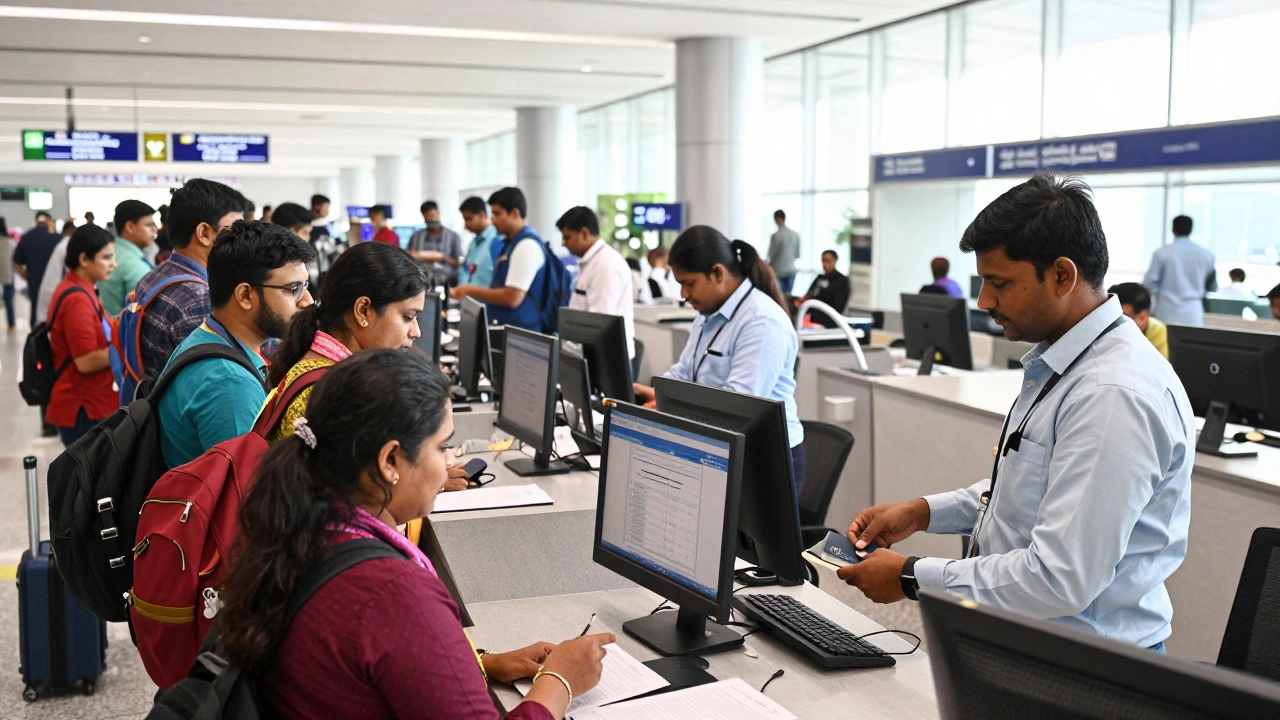
Once approved, you’ll receive an email with your Electronic Travel Authorization (ETA). Download it, print a copy, and save it on your phone. You don’t need to paste it onto your passport. At the airport, you’ll go through dedicated e-Visa counters where officials scan your passport and verify your ETA against their database.
Remember, the e-Visa is tied to your passport number. If you renew your passport after getting the visa, you must apply for a new e-Visa. The old one becomes invalid. Also, note your arrival ports. e-Visas are accepted at 28 major airports and 5 seaports across India. Arriving at a smaller border crossing could mean denial of entry.
Budget-Friendly Tips for Visa Applicants
Since you’re interested in budget travel, every dollar counts. The e-Visa fee varies based on duration:
- 1-Year e-Tourist Visa: $80 USD (allows multiple entries, up to 90 days per stay)
- 5-Year e-Tourist Visa: $100 USD (ideal for frequent travelers)
- e-Business Visa: $80 USD
These fees include a $20 public health charge. To save money, consider sharing accommodation costs with fellow travelers or booking hostels in advance. Many budget-friendly cities like Varanasi, Jaipur, and Rishikesh offer incredible experiences without breaking the bank. Just make sure your visa covers your entire itinerary.
Also, avoid third-party agencies that charge exorbitant service fees. The official Indian government website is free to use except for the visa fee itself. Sites claiming to "guarantee" faster processing for extra cash are scams. Stick to the official portal to protect your wallet and your data.
Realistic Expectations for 2026
In 2026, the Indian visa system has become more digitized and efficient. Biometric verification is now integrated into some stages, reducing fraud but slightly increasing processing time for first-time applicants. Still, the average remains stable at 3-5 days. The key is patience and preparation.
If you’re traveling during festivals like Diwali or Holi, expect higher volumes. Plan accordingly. And always have a backup plan-flexible flight tickets or travel insurance that covers visa delays can save you thousands if things go wrong.
Can I get an Indian visa same day?
No, there is no same-day visa option for U.S. citizens. Even expedited services take at least 24-48 hours, and these are rare and expensive. Always apply at least 3-5 business days in advance.
Is the e-Visa guaranteed to be approved?
No visa is guaranteed. Applications can be rejected due to incorrect information, previous immigration violations, or security concerns. Always double-check your details before submitting.
What if my visa application is delayed beyond 5 days?
Check your email (including spam) for requests for additional documents. If none, contact the Indian visa helpdesk via the official website. Do not reapply; this creates duplicate records and worsens delays.
Do I need to visit an embassy for an e-Visa?
No. The e-Visa is entirely online. You never need to visit an embassy or consulate. Only regular visas require in-person appointments.
How many days can I stay in India on an e-Visa?
On a 1-year e-Tourist Visa, you can stay up to 90 days per visit. Multiple entries are allowed. Overstaying results in fines and potential bans.