Find Your Perfect South Indian City
Your Perfect Match
Best Time to Visit:
Beauty is subjective, but if you look at the map of South India, one thing is undeniable: the region offers some of the most visually stunning urban landscapes in the entire country. You won't find just one answer to "which city is beautiful?" because the beauty here comes in different flavors. Do you prefer the misty green hills of a hill station? The colonial grandeur of a former capital? Or the vibrant, chaotic energy of a coastal metropolis?
Unlike the desert landscapes or the flat plains found elsewhere, South India’s geography is defined by its dramatic contrast between the Western Ghats mountain ranges and the Arabian Sea or Bay of Bengal coastlines. This unique topography creates cities that are naturally picturesque, often surrounded by lush vegetation, ancient temples, and historic architecture.
In this guide, we break down the most beautiful cities across the four southern states-Kerala, Tamil Nadu, Karnataka, and Andhra Pradesh/Telangana. We’ll explore why each stands out, what makes their aesthetic unique, and how they cater to different types of travelers. Whether you are chasing photography opportunities, historical immersion, or natural serenity, there is a South Indian city waiting to captivate you.
Munnar: The Green Jewel of Kerala
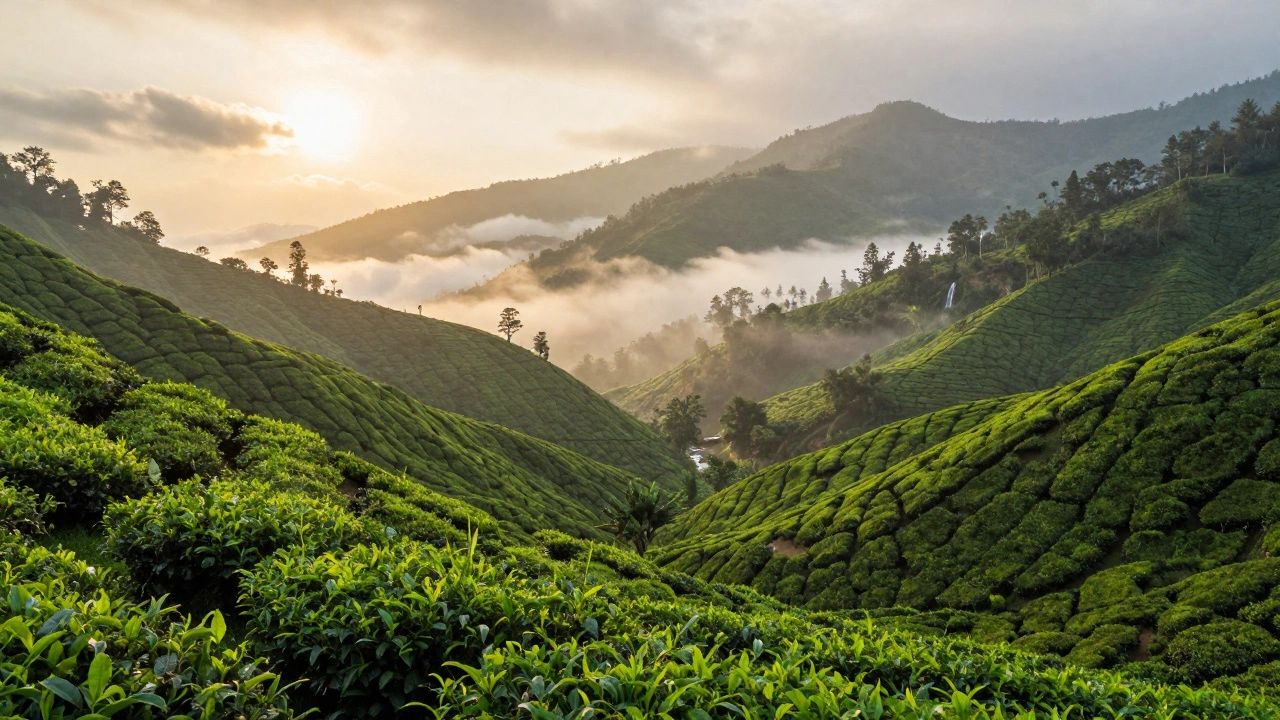
If your definition of beauty involves endless emerald tea plantations and mist-covered peaks, then Munnar is a hill station in the Idukki district of Kerala known for its rolling tea gardens and cool climate is arguably the most beautiful city in South India. Located at an elevation of about 1,600 meters (5,250 feet), Munnar feels like a separate world from the rest of the tropical south.
The visual impact here is immediate. The landscape is dominated by manicured rows of tea bushes that stretch as far as the eye can see, broken only by wild elephant grass and occasional wildlife sightings. The air is crisp, especially during the monsoon season (June to September) when the clouds descend so low they touch the treetops. It’s not just pretty; it’s atmospheric.
- Visual Appeal: Lush greenery, waterfalls like Attukal and Cheeyappara, and the Eravikulam National Park home to the endangered Nilgiri Tahr.
- Best Time to Visit: March to September for the peak greenery and mist.
- Vibe: Romantic, serene, and slow-paced.
Munnar isn’t a bustling metro with skyscrapers. Its beauty lies in its integration with nature. You wake up to the sound of birds and the smell of wet earth. For photographers, the light during golden hour hitting the undulating hills is nothing short of magical. However, keep in mind that this popularity means it gets crowded. To truly experience its beauty, stay in a homestay within the plantations rather than a generic hotel on the main road.
Ooty: The Queen of Hill Stations
While Munnar wins on raw natural beauty, Ooty (Udhagamandalam) is a historic hill station in Tamil Nadu known for its British colonial architecture, botanical gardens, and Lake Ooty brings a different kind of charm. Located in the Nilgiri Mountains, Ooty was the summer retreat for British officials in the 19th century, and that history is etched into its streets.
The beauty of Ooty is structured and elegant. Think winding roads lined with eucalyptus trees, Victorian-style buildings, and the iconic Botanical Gardens which feature exotic flora from around the world. The centerpiece is Lake Ooty, a man-made reservoir where you can take a paddleboat ride while watching the sunset reflect off the water against the backdrop of the mountains.
What sets Ooty apart is the Nilgiri Mountain Railway, a UNESCO World Heritage Site. Riding this steam locomotive through steep gradients and tunnels is not just transport; it’s a scenic experience in itself. The city feels more European than Indian, with cafes serving stone-ground coffee and bakeries offering fresh bread. If you appreciate architectural harmony with nature, Ooty is your pick.
Bengaluru: The Garden City
You might not expect a tech hub to be on a list of beautiful cities, but Bengaluru (Bangalore) is the capital of Karnataka, famous for its pleasant weather, extensive parks, and blend of modern IT infrastructure with colonial heritage earns its nickname, "The Garden City," for good reason. Unlike many Indian metros that feel concrete-heavy, Bengaluru has managed to retain significant green cover.
The beauty here is urban yet breathable. The city is dotted with large public parks like Lalbagh Botanical Garden, which houses a massive glass house built in 1854, and Cubbon Park, a sprawling green lung in the middle of the business district. The weather is another key factor; Bengaluru enjoys a mild climate year-round, rarely experiencing extreme heat or cold, which makes walking around and exploring its aesthetics a pleasure.
Architecturally, Bengaluru is a mix. You have the ornate Bangalore Palace, inspired by Windsor Castle, standing next to modern glass towers. The old town area features narrow lanes with banyan trees providing shade over centuries-old markets. For those who love street food and nightlife, the beauty of Bengaluru also lies in its vibrant social scene, particularly in areas like Indiranagar and MG Road.

Chennai: Coastal Elegance and Colonial History
Chennai (formerly Madras) is the capital of Tamil Nadu, known for its long sandy beaches, Dravidian temple architecture, and rich colonial past offers a beauty that is both grand and grounded. As the gateway to South India, Chennai combines the power of the sea with the intricacy of stone carving.
The visual highlight of Chennai is undoubtedly Marina Beach, one of the longest urban beaches in the world. Watching the sunrise over the Bay of Bengal, with the silhouettes of fishing boats and the Indira Gandhi Memorial Museum in the background, is a striking image. The beachfront promenade is lined with statues and monuments that tell the story of the city’s history.
Then there is the architecture. Chennai is home to some of the finest examples of Dravidian architecture. The Kapaleeshwarar Temple in the old town is a riot of color, with towering gopurams (gateway towers) painted in bright hues and adorned with thousands of sculptures. Contrast this with the Fort St. George, the first English fortress in India, which showcases British military architecture. This juxtaposition of ancient spirituality and colonial history gives Chennai a layered, complex beauty.
Hyderabad: The City of Pearls and Monuments
If you are drawn to monumental scale and intricate detail, Hyderabad is the capital of Telangana, renowned for its Indo-Saracenic architecture, the Charminar, and the Qutb Shahi tombs is a contender for the title. Hyderabad’s beauty is rooted in its Nizami heritage, characterized by grand structures that blend Islamic and Hindu styles.
The undisputed icon is the Charminar, a 16th-century monument with four arches facing the four cardinal directions. Built in 1591 by Muhammad Quli Qutb Shah, it remains the symbol of the city. The surrounding old city, with its narrow alleys and bustling markets, adds texture and life to the scene. Nearby, the Golconda Fort sits atop a rocky hill, offering panoramic views of the city and showcasing impressive acoustic engineering.
Hyderabad also boasts the Salar Jung Museum, one of the largest one-man collections in the world, housed in a building that mimics the Alhambra in Spain. The city’s layout includes wide boulevards and planned neighborhoods like Jubilee Hills, which offer a more modern, landscaped beauty with tree-lined streets and upscale boutiques. It’s a city where history doesn’t feel distant; it’s part of the daily commute.
Pondicherry: French Colonial Charm
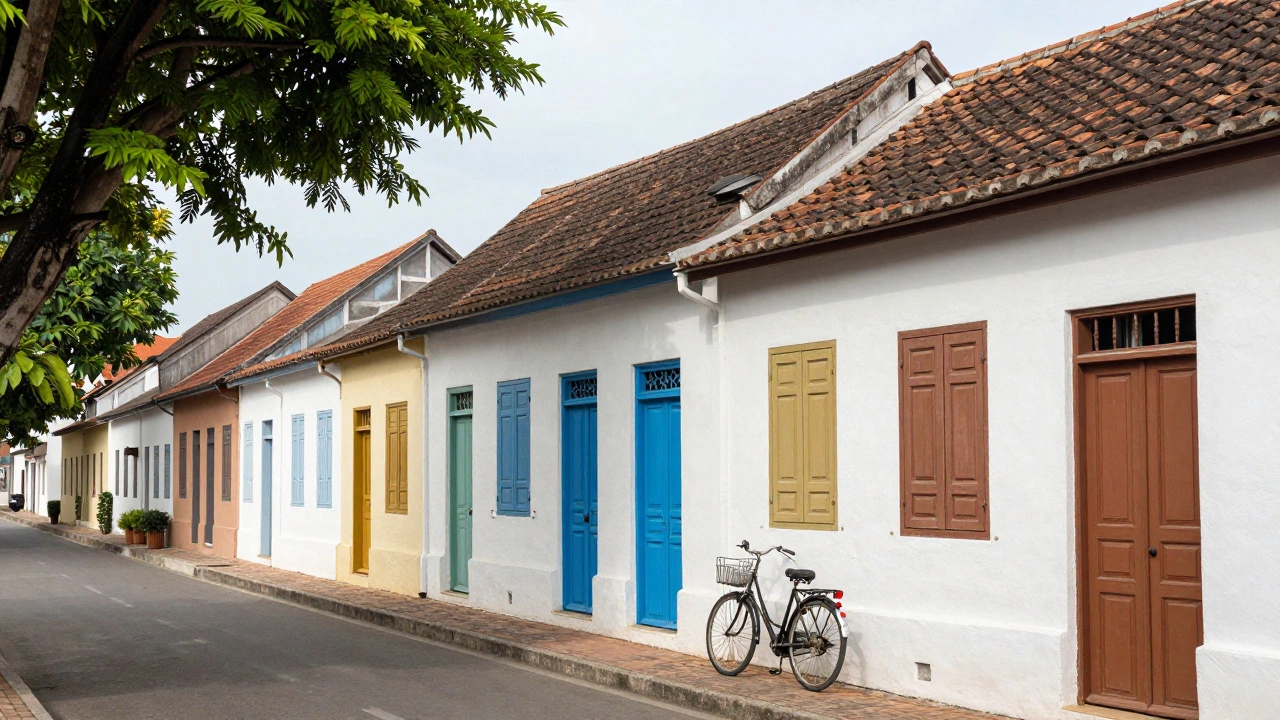
For a change of pace, Pondicherry (Puducherry) is a union territory with a distinct French colonial quarter, white-washed buildings, and a serene beach culture offers a unique aesthetic that you won’t find anywhere else in India. The French Quarter, or White Town, is a grid of narrow streets lined with pastel-colored villas featuring shuttered windows and tiled roofs.
The beauty here is calm and curated. The absence of heavy traffic in the core area allows you to walk freely and absorb the atmosphere. The Promenade Beach is a wide esplanade where locals stroll in the evenings, and the Auroville nearby adds a spiritual dimension with its futuristic Mother Centre and vast forest campus.
Pondicherry’s appeal lies in its lifestyle. The cafes serve croissants and espresso alongside filter coffee. The architecture is preserved meticulously, giving the city a timeless, almost European feel. If you prefer quiet elegance and artistic vibes over grand monuments, Pondicherry is the most beautiful choice for you.
Comparison of South Indian Cities
| City | State | Primary Aesthetic | Key Landmark | Best For |
|---|---|---|---|---|
| Munnar | Kerala | Natural/Green | Tea Gardens | Nature lovers, Couples |
| Ooty | Tamil Nadu | Colonial/Hill Station | Botanical Gardens | Families, Photographers |
| Bengaluru | Karnataka | Urban/Garden City | Lalbagh | Young professionals, Foodies |
| Chennai | Tamil Nadu | Coastal/Heritage | Marina Beach | History buffs, Beach goers |
| Hyderabad | Telangana | Monumental/Royal | Charminar | Architecture enthusiasts |
| Pondicherry | Union Territory | French Colonial | White Town | Artists, Relaxation seekers |
How to Choose Your Destination
Selecting the "most beautiful" city depends entirely on what resonates with you personally. Here is a quick decision guide:
- Choose Munnar or Ooty if you want to escape the heat and immerse yourself in nature. These are ideal for winter visits (October to February).
- Choose Chennai or Pondicherry if you love the sea. Both offer excellent beach experiences but with different cultural backdrops.
- Choose Hyderabad or Bengaluru if you want a mix of city life, history, and modern amenities. These are great for year-round travel.
Remember, South India is compact. You can easily combine two or three of these cities in a single trip. For example, a classic route would be Chennai -> Pondicherry -> Ooty -> Munnar. This gives you a taste of coastal, colonial, and natural beauty all in one journey.
Practical Tips for Visiting Beautiful South Indian Cities
To make the most of your visit, keep these practical points in mind:
- Weather Matters: Avoid visiting hill stations like Munnar and Ooty during the peak monsoon (July-August) if you plan to trek, as landslides can occur. Instead, visit right after the rains for the lushest greens.
- Transport: Renting a car with a driver is the best way to explore these cities. Public transport exists but may not cover remote scenic spots efficiently.
- Photography Etiquette: In temple towns like Chennai and Hyderabad, always ask permission before photographing people or inside sanctums. Some areas restrict camera use.
- Accommodation: For the best view, book properties with balconies or terraces facing the main attraction (e.g., lake-facing rooms in Ooty, garden-view rooms in Munnar).
Ultimately, the beauty of South India lies in its diversity. No single city holds the monopoly on prettiness. Each offers a unique visual narrative, from the misty peaks of Kerala to the sun-kissed shores of Tamil Nadu. Pick the one that matches your mood, and prepare to be amazed.
Which is the safest city in South India for tourists?
Generally, Chennai and Bengaluru are considered very safe for tourists due to their cosmopolitan nature and well-developed infrastructure. Pondicherry is also known for being peaceful and secure. However, standard precautions apply everywhere: avoid isolated areas at night and keep valuables hidden.
What is the best time to visit South India for sightseeing?
The ideal time is between October and March. During these months, the weather is cool and dry across most of the region, making it perfect for outdoor activities and sightseeing. Summer (April-June) can be extremely hot, especially in coastal cities like Chennai and Hyderabad.
Is Munnar better than Ooty for a honeymoon?
Many couples prefer Munnar for honeymoons because it offers more privacy, romantic resorts nestled in tea estates, and a quieter, more intimate atmosphere. Ooty is more commercialized and crowded, though it does offer nice lakeside walks and colonial charm.
Can I visit multiple South Indian cities in one week?
Yes, but it will be rushed. A realistic itinerary for one week could include Chennai (2 days), Pondicherry (2 days), and Ooty (3 days). Trying to add Munnar or Hyderabad would require more travel time. Focus on one state or two adjacent cities for a relaxed experience.
Which South Indian city has the best food?
Hyderabad is famous for its non-vegetarian cuisine, especially Hyderabadi Biryani and Haleem. Chennai offers authentic South Indian vegetarian thalis and seafood. Bengaluru has a diverse food scene with everything from traditional Kannada dishes to international cuisines. Food preferences are personal, but Hyderabad often tops the list for flavor intensity.