India Experience Finder
Not sure where to start? Select the vibe and interest that resonates most with you to find your ideal destination.
Select your preferences above to see recommendations.
The Pull of Spirituality and Ancient Rituals
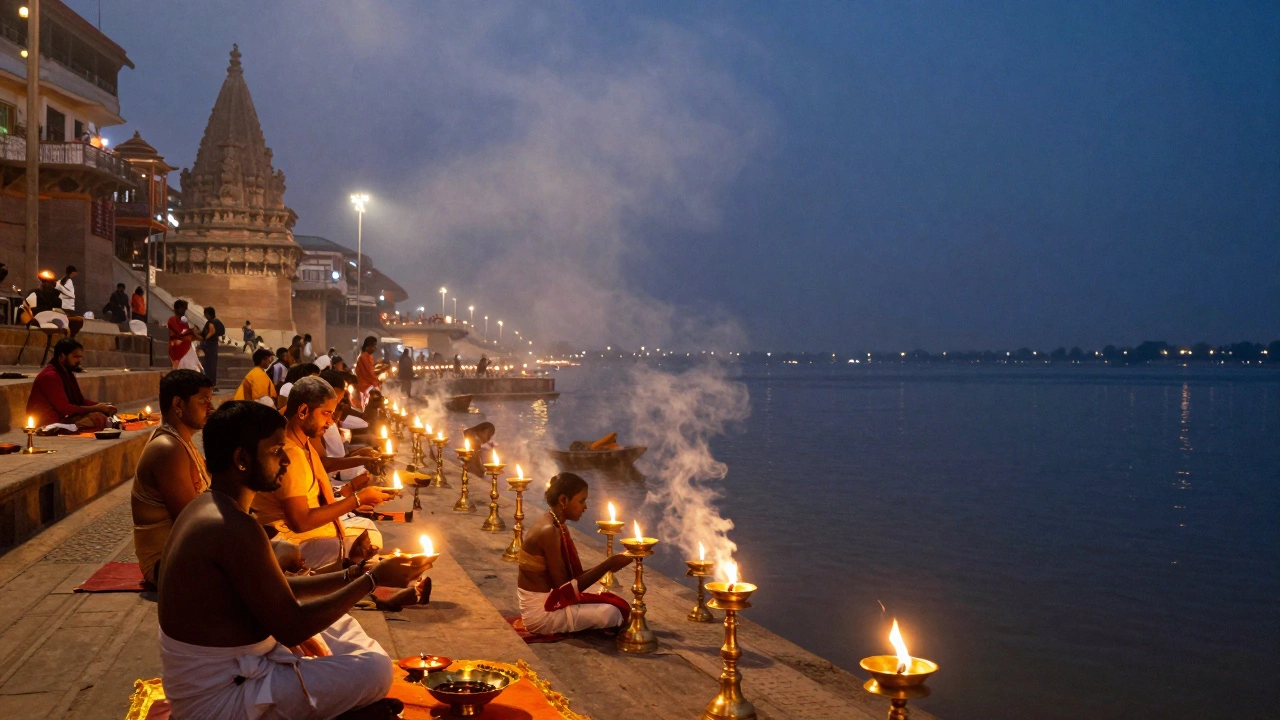
Why do people travel thousands of miles to sit by a river in Varanasi? It's the search for something transcendental. In India, spirituality isn't confined to churches or temples; it's woven into the street corners. Many visitors are drawn to Varanasi, one of the oldest inhabited cities in the world. Watching the Ganga Aarti-the evening prayer ceremony-is a bucket-list item because it represents a physical connection to the cycle of life and death. Beyond the riverbanks, there's a massive draw toward Yoga and meditation. While these practices are global now, people crave the "authentic" source. Rishikesh, often called the world's yoga capital, attracts thousands who want to learn from traditional gurus in the foothills of the Himalayas. It's not just about stretching; it's about a mental reset that you simply can't find in a sterile studio in London or New York.Exploring Architectural Marvels and History
India's skyline is a timeline of human ambition. You have the Mughal influence, the British Raj remnants, and the ancient rock-cut caves. The Taj Mahal is the obvious magnet, but the real magic often happens in the less crowded spots. People are increasingly drawn to the Rajasthan desert, where forts like Mehrangarh in Jodhpur tower over "Blue Cities" that look like they were painted by an artist on a whim. If you're a history buff, the attraction is the sheer variety. You can move from the intricate carvings of Khajuraho, which celebrates human desire through stone, to the austere beauty of the Hampi ruins, where boulders the size of houses surround a fallen empire. These sites aren't just ruins; they are evidence of how India managed to blend different religions and artistic styles over millennia.| Region | Primary Draw | Vibe | Best For |
|---|---|---|---|
| Rajasthan | Forts & Palaces | Royal & Vibrant | History & Photography |
| Kerala | Backwaters & Ayurveda | Calm & Tropical | Wellness & Relaxation |
| Varanasi | Ganges Rituals | Intense & Spiritual | Philosophy & Religion |
| Goa | Beaches & Portuguese Architecture | Laid-back & Festive | Nightlife & Sunbathing |
The Magnetic Power of Festivals
If you want to see India at its most explosive, you time your visit with a festival. Holi, the festival of colors, has become a global phenomenon, but experiencing it in the Braj region is a different beast entirely. It's a day where social hierarchies collapse, and everyone is covered in powdered pigments. It attracts people because it represents a total release of inhibition. Then there's Diwali, the festival of lights. The sight of millions of clay lamps (diyas) lighting up homes and streets creates an atmosphere of hope and victory over darkness. For a traveler, these events aren't just "activities"; they are invitations to be part of a community. Whether it's the push-and-shove energy of the Kumbh Mela-the largest human gathering on earth-or the rhythmic drums of a local village fair, the energy is addictive.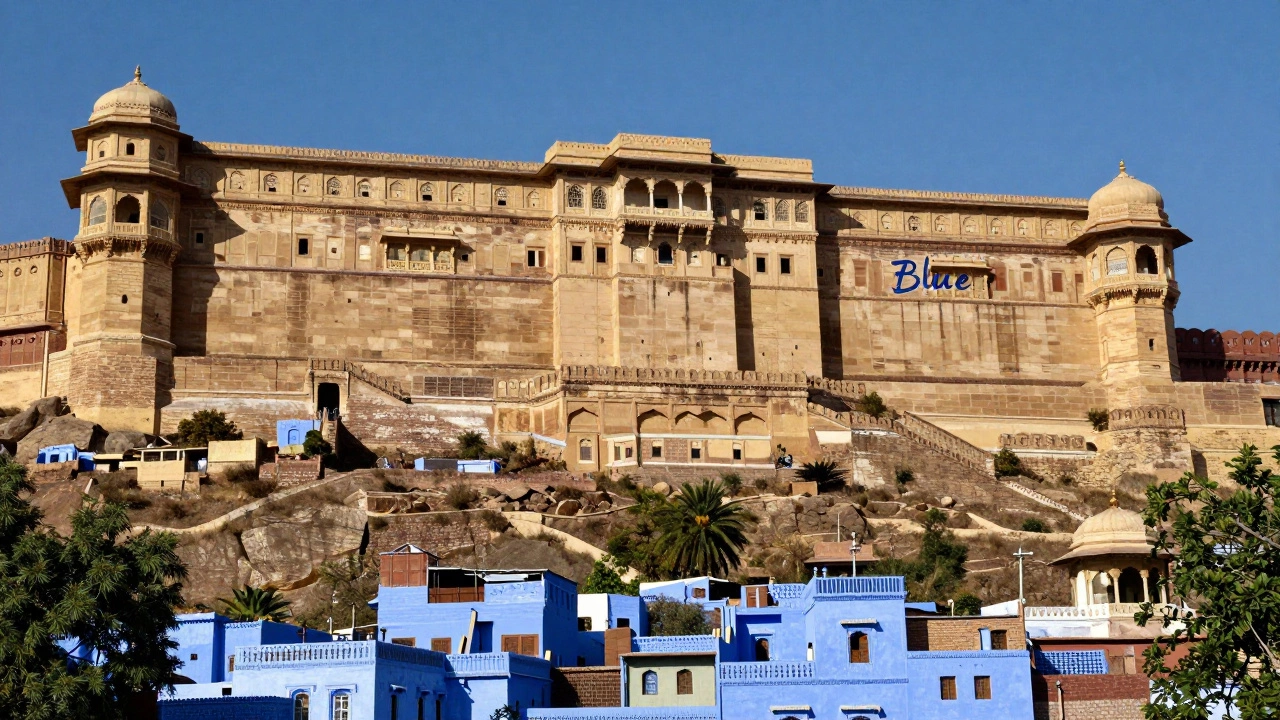
Culinary Adventures and Street Food Culture
Let's be honest: a lot of people come to India just to eat. The attraction isn't just the food, but the *way* it's eaten. Standing on a street corner in Old Delhi, eating a plate of spicy chole bhature while dodging rickshaws, is a rite of passage. The culinary landscape is so diverse that you can't even call it "Indian food." It's a collection of regional cuisines. In the south, the focus shifts to coconut milk, curry leaves, and the perfect dosa. In the north, it's all about rich creams, tandoors, and buttery naans. Food tours have become a massive draw because they provide a safe yet authentic way to navigate the chaos. Travelers love the thrill of discovering a hidden gem of a cafe or a 100-year-old sweet shop that only sells one type of dessert. It's a tasty way to understand the geography and caste systems of the country.Wellness, Ayurveda, and the Slow Life
In a world that's always "on," India offers the luxury of slowing down. This is where Ayurveda comes in. This 5,000-year-old system of medicine isn't just about massages; it's about balancing the body and mind. People flock to Kerala for detox retreats where they spend a week eating specific diets and undergoing oil treatments. It's a form of "slow travel." Instead of ticking off ten monuments in two days, visitors are choosing to stay in an ashram or a heritage homestay. This shift toward wellness attracts a demographic that is burnt out by corporate life and looking for a holistic cure. The combination of tropical greenery and ancient healing techniques makes it a powerhouse for health tourism.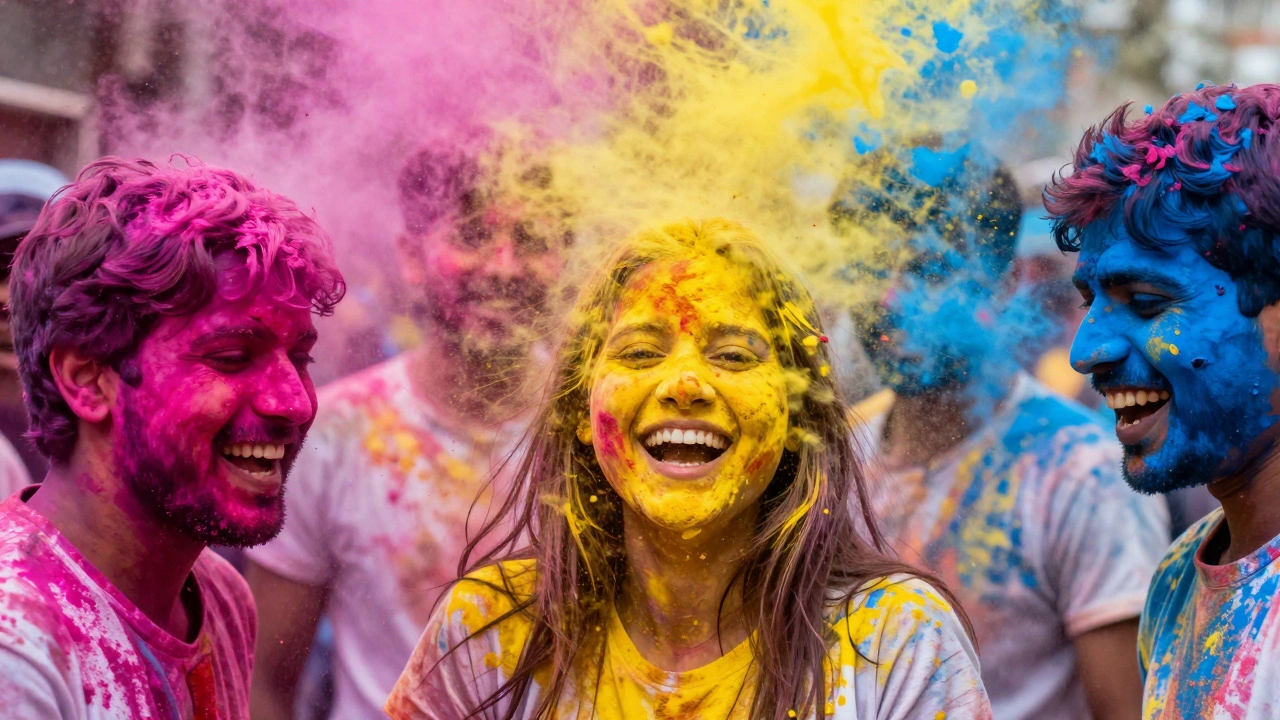
Wildlife and Nature Encounters
While the cities are loud, India's wilderness is a huge draw for those who prefer paws over palaces. The Bengal Tiger is the crown jewel here. National parks like Ranthambore or Jim Corbett attract wildlife photographers and nature lovers from every corner of the globe. The thrill of spotting a tiger in the wild, hidden in the scrub forest, is a powerful motivator. But it's not just tigers. The backwaters of Kerala, where you sleep on a floating houseboat, offer a peaceful contrast to the jungle. And for those who love the mountains, the Himalayas provide a playground for trekking and mountaineering. Whether it's the high-altitude deserts of Ladakh or the lush valleys of Himachal Pradesh, the landscape itself is an activity.Practical Tips for Navigating the Experience
If you're planning to dive into these activities, remember that India rewards the flexible. Your train might be four hours late, or a temple might be closed for a local holiday. That's part of the charm. To make the most of it, don't over-schedule. Leave room for the unplanned conversation with a tea seller or a sudden invitation to a wedding. Avoid the common mistake of trying to "see everything" in two weeks. You can't do the Golden Triangle, the beaches of Goa, and the mountains of Ladakh in one trip without spending half your time in airports. Pick a region and go deep. If you love history, stick to the North. If you want wellness and nature, head South. The more you narrow your focus, the more authentic your experience becomes.Is it safe for solo travelers to explore these activities?
Yes, India is generally safe for solo travelers, but common sense is key. Use reputable ride-sharing apps like Uber or Ola, stay in highly-rated hostels or boutique hotels, and trust your gut. For solo women, it's often helpful to join organized group tours or use female-only dorms in hostels to find a community quickly.
When is the best time to visit for festivals like Holi or Diwali?
Because these festivals follow the lunar calendar, dates change every year. Holi usually falls in March, and Diwali is often in October or November. Always check the specific dates for the current year before booking your flights, as the celebrations can vary by region.
What should I be careful about when eating street food?
Look for vendors with a high turnover of local customers-it's a sign the food is fresh. Stick to cooked foods (like fried kachoris) rather than raw salads. Drinking bottled or filtered water is a must, and avoiding ice in drinks is a safe bet for those with sensitive stomachs.
Do I need a guide to visit heritage sites?
While not mandatory, a certified guide can transform a pile of ruins into a story. They provide context about the dynasties and the architectural secrets you'd miss on your own. Just ensure they are government-approved to avoid being led into "commission-based" shopping trips.
Which is better for a first-timer: North India or South India?
North India is more "classic" with the Taj Mahal and Rajasthan's forts, but it's also more chaotic. South India is generally calmer, greener, and offers a slower pace. If you want the big sights, go North. If you want a more relaxed introduction to the culture, start in the South.