Not sure where to start your Indian adventure? Answer 5 quick questions to see which region aligns best with your risk tolerance and desired vibe.
You've probably seen the headlines or heard the horror stories, but if you're actually planning a trip to India, the big question usually boils down to one thing: where is it safer to go? Comparing North India is a region characterized by the Himalayas, the plains of the Ganges, and major political hubs like Delhi to South India is a tropical region known for its coastlines, coffee plantations, and slower pace of life isn't about finding a 'perfect' spot. It's about understanding how different environments impact your experience as a visitor.
Quick Safety Takeaways
- South India: Generally feels calmer with a lower intensity of tourist scams and a more laid-back social atmosphere.
- North India: More chaotic and high-energy, with higher concentrations of tourists and a more complex security landscape in urban centers.
- Shared Risks: Both regions require vigilance regarding food hygiene, traffic safety, and personal boundaries.
- Verdict: If you're looking for a lower-stress introduction to the country, the south is usually the safer bet for beginners.
Breaking Down the Vibe: Chaos vs. Calm
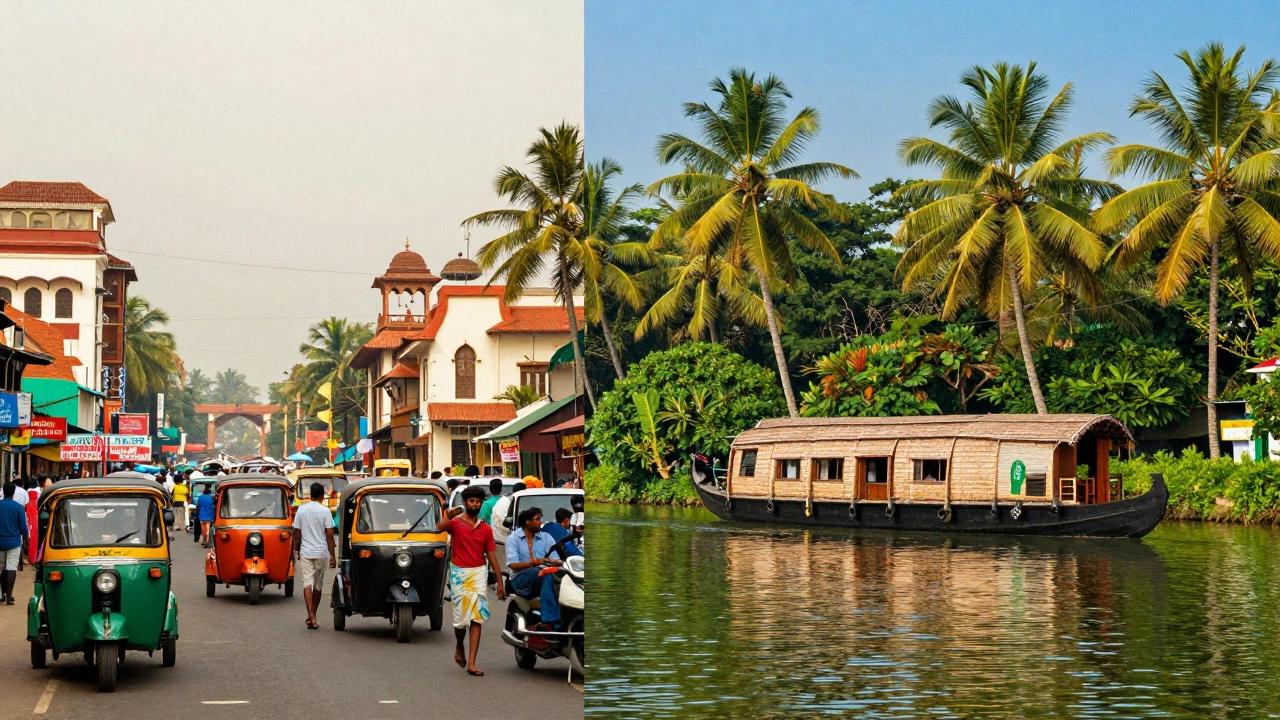
If you land in Delhi, you'll immediately feel the weight of 30 million people moving at once. It's exhilarating, but it's also where most "tourist traps" live. You'll encounter aggressive touts and overpriced rickshaw rides that can make you feel on edge. This isn't necessarily "dangerous" in terms of crime, but it's mentally draining. In contrast, visiting Kerala-often called "God's Own Country"-feels like stepping into a different world. The pace is slower, the locals are generally less aggressive toward tourists, and the environment is more predictable.
The difference often comes down to the volume of tourism. The Golden Triangle (Delhi, Agra, Jaipur) is an assembly line of travel. When there are that many tourists in one spot, petty crime and scams naturally spike. South India's tourism is more spread out across backwaters and hill stations, which reduces that "target" feeling many travelers experience in the north.
Solo Female Travel and Social Safety
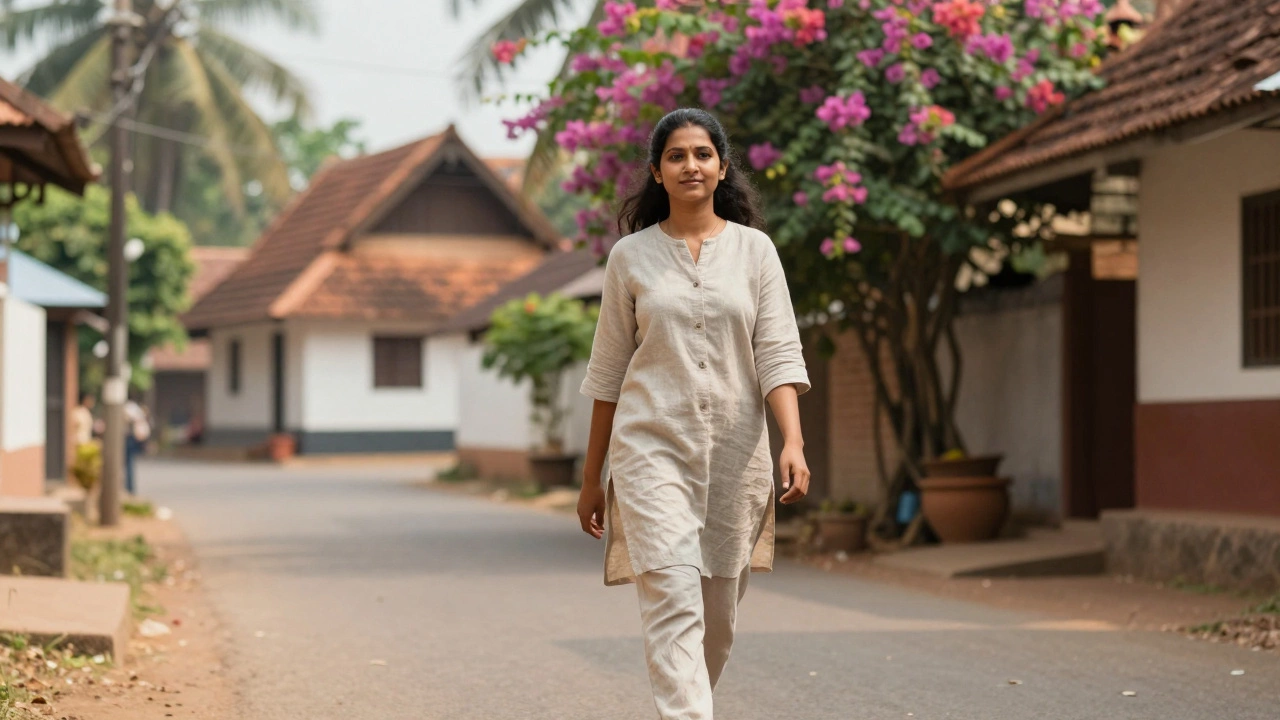
Let's be real: for women traveling alone, the experience varies wildly. In North India, particularly in crowded markets or transit hubs, you might deal with more persistent staring or "catcalling." It's rarely violent, but it can be intrusive. South India tends to be more conservative in a way that often translates to more respect for personal space in public, though this varies by state.
If you're visiting Tamil Nadu or Karnataka, you'll find that the social fabric is a bit more understated. However, safety is less about the region and more about your choices. Staying in reputable hostels, using ride-sharing apps like Uber or Ola instead of hailing random cabs, and dressing according to local norms (covering shoulders and knees) drastically reduces unwanted attention in both the north and south.
| Factor | North India (e.g., Rajasthan, UP) | South India (e.g., Kerala, Karnataka) |
|---|---|---|
| Street Scams | High (especially in hubs) | Low to Moderate |
| Traffic Chaos | Very High | High (but slightly more orderly) |
| Social Vibe | High Energy / Assertive | Laid-back / Reserved |
| Medical Access | Excellent in cities | Excellent in cities |
Health and Environmental Risks
Safety isn't just about crime; it's about your stomach. "Delhi Belly" is a cliché for a reason. The north's street food culture is legendary, but the risk of contamination is higher due to the sheer volume of people and water quality issues in old city areas. South India's food culture, while equally vibrant, often relies more on fresh coconut and steamed foods (like idlis and dosas) which can be slightly easier on a sensitive stomach if you're careful.
Then there's the air. If you visit the north in November, the smog in cities like New Delhi can be a genuine health hazard. The south, with its coastal breezes and tropical forests, generally offers much cleaner air. For anyone with asthma or respiratory issues, the south is objectively safer for your lungs.
Transportation and Road Safety
Whether you're in a rickshaw in Punjab or a bus in Andhra Pradesh, the roads are the most dangerous part of any trip to India. Traffic laws are more like "suggestions." However, the infrastructure in the south is often perceived as slightly better maintained, and the driving style in rural areas is less erratic than the high-speed chaos of the northern highways.
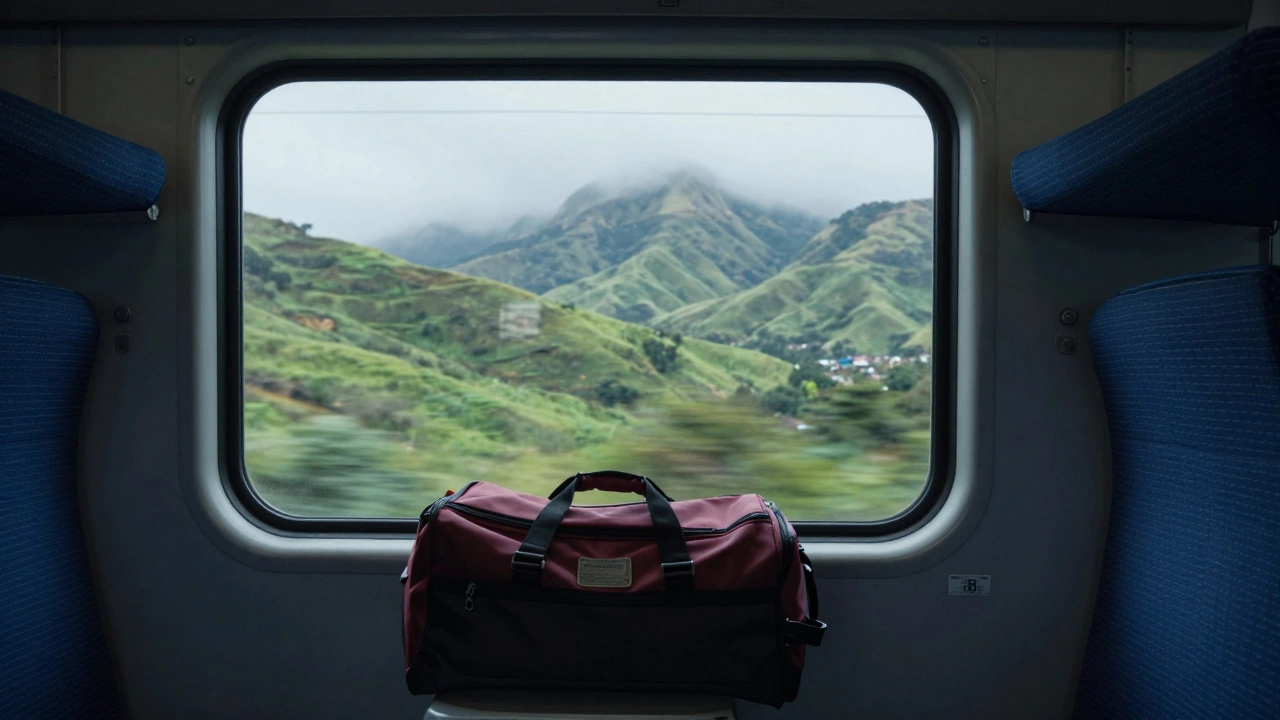
For the safest transit, stick to the Indian Railways. Booking 2AC or 3AC classes gives you a secure, enclosed environment and a great way to see the landscape without the stress of road traffic. Just remember to keep your luggage locked and your belongings close, especially on overnight trains.
The "Hidden" Risks: Natural Disasters and Politics
It's worth noting that the south is more prone to cyclones and flooding during the monsoon season. If you're traveling between June and September, you might find yourself stranded by a rainstorm in Chennai. The north doesn't have cyclones, but it does face extreme temperature swings-from blistering 45°C heat in May to near-freezing temperatures in the mountains during winter.
Politically, both regions are generally stable for tourists. While protests can happen anywhere, they rarely target foreigners. The key is to stay updated via local news and avoid any areas where large crowds are gathering for political reasons, whether that's in the heart of the capital or a village in the south.
Choosing Your Path: Which One Fits You?
If you are a seasoned traveler who thrives on intensity, loves the grit of ancient cities, and doesn't mind a bit of haggling and hustle, South India travel might actually feel too quiet for you. North India is a sensory explosion. It's where you find the Taj Mahal and the towering forts of Jaipur. The "risk" here is mostly just the exhaustion of managing the chaos.
But if this is your first time in Asia, or if you're traveling with children or elderly parents, the south provides a gentler landing. The hospitality in Kerala and the serene landscapes of the Western Ghats offer a safety net of peace that makes the transition into Indian culture much smoother.
Is it safe for solo women to visit South India?
Yes, generally. While no place is 100% risk-free, South India is often cited as being more relaxed. The best strategy is to dress modestly, avoid walking alone in deserted areas at night, and use trusted transport apps. Many women find the social environment in the south to be less intrusive than in the major northern hubs.
Which is more prone to scams, North or South India?
North India, specifically around the Golden Triangle, has a higher concentration of tourist-targeted scams. These range from "closed" monuments to fake travel agents. In the south, scams are less common and usually less aggressive, though you should still verify prices for rickshaws and tours.
Are the roads safer in South India?
Road safety is a challenge across the entire country. However, South Indian roads in rural areas are often perceived as slightly less chaotic than the highways of the north. Regardless of the region, avoid renting a scooter unless you are an experienced rider and always wear a helmet.
Is the food safer to eat in the south?
It's not necessarily "safer," but the style of food differs. The south has more steamed and fermented foods (like idlis) which can be gentler on the gut. The main rule for both regions: eat where the locals eat (crowded spots with high turnover) and avoid raw salads or unpeeled fruit from street vendors.
Which region has better medical facilities?
Both regions have world-class private hospitals in their major cities (like Delhi in the north and Bangalore or Chennai in the south). If you are traveling to rural areas, the quality of care drops significantly in both regions, so always have comprehensive travel insurance.
Next Steps for Your Trip
If you've decided on the south, start by looking into the backwaters of Alleppey or the temples of Madurai. If you're braving the north, spend a few days in a quieter town like Pushkar before hitting the madness of Delhi to acclimate yourself. No matter where you go, the secret to a safe trip in India is a mix of openness and a healthy dose of skepticism. Trust your gut, stay flexible, and remember that most people you meet will be incredibly helpful and welcoming.