
Honeymoon Budget Calculator
Trip Details
Cost Breakdown
Flights & Transportation
Round-trip airfare + local transfersAccommodation
Hotels, resorts, or rentals per nightDaily Expenses
Food, drinks, local transport, tipsActivities & Experiences
Tours, spa treatments, special dinnersTravel Insurance
Recommended for international tripsEmergency Fund
10% buffer for unexpected expensesTotal Estimated Cost
$0
$0 per dayBudget Comparison
Pro Tips:
- Set a daily spending limit before you leave
- Consider staying in one place to reduce transfer costs
- Book flights and hotels early for better rates
- Don't skip travel insurance for international trips
Most people think a honeymoon is just a fancy vacation where you sleep in late and eat room service. But if you’ve ever tried to plan one, you know it’s actually a high-stakes project involving logistics, emotional expectations, and a bank account that takes a hit. So, what exactly happens during those two weeks away from home? It’s not just about the beach. It’s a mix of relaxation, adventure, social obligations, and sometimes, unexpected chaos.
We’re going to break down the reality of honeymooning. We’ll look at how the schedule actually unfolds, what couples spend their money on, and why some trips turn into nightmares while others become lifelong memories. Whether you’re planning for next year or just curious about the ritual, here is the unvarnished truth about life after the wedding cake is cut.
The First 48 Hours: Decompression and Reality Checks
The first thing that happens on a honeymoon isn’t romance; it’s exhaustion. Most couples arrive at their destination having spent the last six months planning a wedding, which involves endless emails, family drama, and late-night decisions. By the time you land in Bali, Santorini, or even a local cabin, your brain is fried.
In the first two days, the primary activity is usually "doing nothing." This sounds easy, but it requires discipline. You might have booked a spa treatment for Day 1, but often, the best use of time is sleeping until noon and eating breakfast in bed. This phase is crucial because it marks the transition from "bride/groom" back to "partners."
- The Jet Lag Factor: If you’re traveling internationally, expect the first day to be lost to timezone confusion. Hydration is key here.
- The Phone Detox: Many couples try to disconnect. However, with Instagram and WhatsApp, staying offline is harder than it was ten years ago. Setting boundaries early helps avoid checking work emails or wedding vendor messages.
- The Suit Check: You’ll realize quickly if you packed too much or too little. This is a practical moment that grounds the trip in reality.
This initial period sets the tone. If you rush into sightseeing immediately, you risk burnout. Taking it slow allows you to reset your nervous system before diving into the planned itinerary.
The Core Experience: Balancing Romance and Adventure
Once the jet lag fades, the real honeymoon begins. This is where the stereotype meets reality. Yes, there are candlelit dinners and sunset cruises. But modern honeymoons are increasingly diverse. The "what happens" part depends heavily on the couple’s interests.
For many, this means booking experiences rather than just accommodations. A couple in Costa Rica might spend their mornings zip-lining through cloud forests and their evenings watching monkeys steal snacks. A pair in Italy might focus on food tours, visiting vineyards, and learning to make pasta. These shared activities create new memories that aren’t tied to the stress of the wedding planning process.
| Activity Type | Typical Cost (USD) | Best For |
|---|---|---|
| Luxury Spa Retreat | $300 - $800 per couple | Relaxation, stress relief |
| Private Boat Charter | $500 - $1,500 | Romance, privacy, photography |
| Adventure Tour (Trekking/Surfing) | $100 - $400 per person | Active couples, bonding |
| Fine Dining Experience | $150 - $500 | Celebration, culinary exploration |
The key here is balance. Too much structure feels like a second job. Too little structure can lead to boredom or decision fatigue. Successful honeymoons often alternate between high-energy days and low-key recovery days.

The Financial Reality: Where the Money Goes
Let’s talk about the elephant in the room: cost. A honeymoon is rarely cheap. While the wedding itself has a fixed budget, the honeymoon can spiral if you’re not careful. What exactly do you spend money on?
Beyond flights and hotels, the hidden costs add up fast. Transfers from the airport to a remote resort can cost hundreds of dollars. Gratuities in all-inclusive resorts are expected but not always included. Excursions, private dinners, and even Wi-Fi upgrades can chip away at your savings.
Many couples face a dilemma: Do they splurge on one expensive location, or do they multi-destination hop? Multi-destination trips (like Paris followed by Venice) sound romantic but increase logistical complexity and cost. Staying in one place often provides better value and deeper relaxation.
Pro tip: Set a daily spending limit before you leave. Once you’re in paradise, impulse buys feel justified. Having a pre-agreed budget prevents arguments later when you check your credit card statement.
Social Dynamics: Family, Friends, and Boundaries
One surprising aspect of honeymoons is the social pressure. In some cultures, it’s traditional for parents or close friends to join the couple for part of the trip. In others, the expectation is total isolation.
If you’re traveling alone as a couple, you need to establish boundaries with family. Will you post photos daily? Will you take video calls? Some families expect updates every day. Others respect the privacy. Clarifying this before you go avoids awkward moments where you’re trying to enjoy a quiet dinner and get a call asking about the reception details.
Also, consider the "post-honeymoon blues." Returning home after a magical trip can be jarring. The contrast between luxury travel and everyday responsibilities (like laundry and work deadlines) can cause temporary dissatisfaction. Acknowledging this beforehand helps manage expectations.
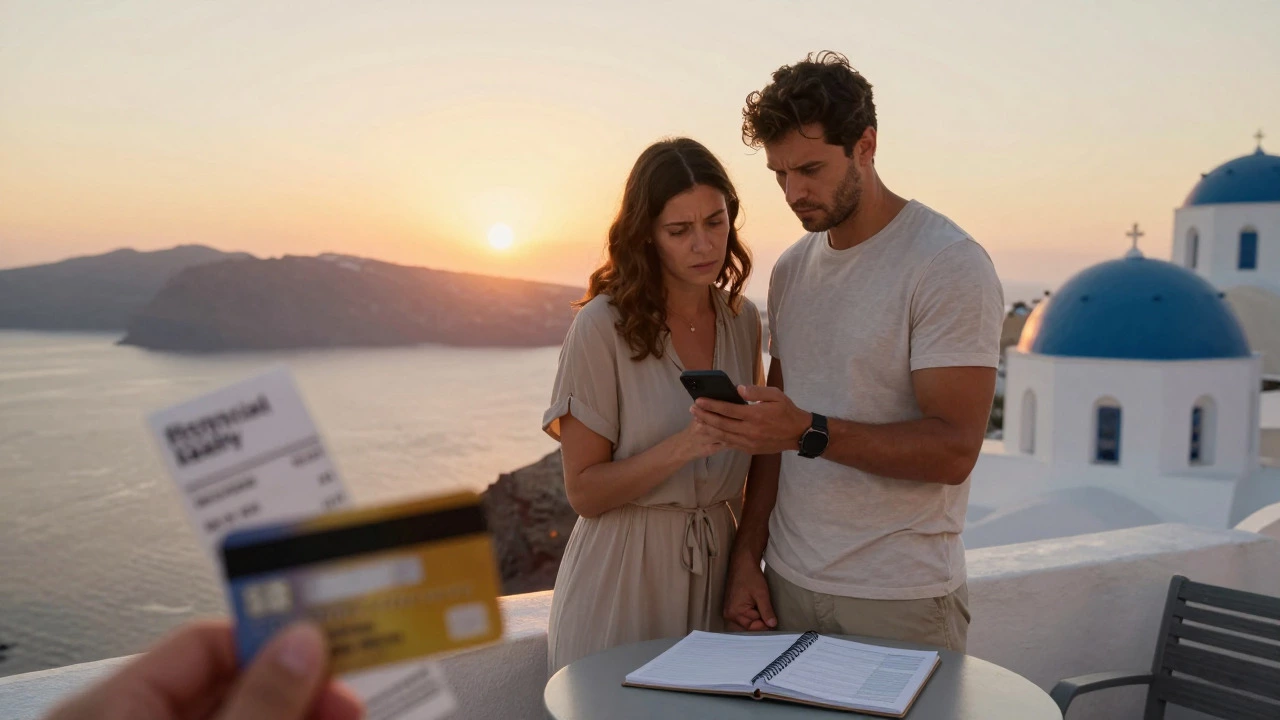
Pitfalls to Avoid: When Things Go Wrong
Not every honeymoon is a fairy tale. Weather disasters, flight cancellations, and overbooked hotels happen. How do couples handle these crises?
- Overpacking the Schedule: Trying to see everything leads to stress. Leave room for spontaneity.
- Ignoring Travel Insurance: If a hurricane hits your Caribbean destination, insurance saves thousands. Don’t skip it.
- Neglecting Communication: Stress brings out irritability. Check in with each other daily. Ask, "How are you feeling about today's plan?"
- Choosing Trendy Over Practical: Just because a spot is viral on TikTok doesn’t mean it’s suitable for a relaxing honeymoon. Read recent reviews, not just influencer posts.
Flexibility is the most important skill on a honeymoon. When things go wrong-and they will-how you react defines the experience more than the destination itself.
Planning Your Own Honeymoon: A Quick Checklist
If you’re starting to plan, here’s what you need to prioritize:
- Define Your Vibe: Are you beach lovers, city explorers, or mountain hikers? Pick one theme.
- Set a Budget Early: Include flights, accommodation, food, activities, and a 10% buffer for emergencies.
- Book Key Elements First: Flights and top-rated hotels fill up fast, especially during peak seasons.
- Research Local Customs: Dress codes, tipping etiquette, and cultural norms vary widely. Respect them to enhance your experience.
- Prepare Documentation: Passports, visas, and travel insurance should be organized before you pack.
A well-planned honeymoon isn’t about perfection. It’s about creating space for connection. Whether you’re sipping cocktails in the Maldives or hiking in Patagonia, the goal is to start your marriage with a sense of adventure and mutual support.
How long does a typical honeymoon last?
The average honeymoon lasts between 7 to 10 days. However, this varies greatly depending on budget, vacation time available, and destination. International trips often require longer durations due to travel time, while domestic getaways might be shorter weekend escapes.
Is it normal to feel stressed during a honeymoon?
Yes, it is completely normal. Despite the romantic setting, factors like jet lag, unfamiliar environments, and financial pressures can cause stress. Open communication with your partner helps mitigate these feelings and ensures both parties feel supported.
Should we invite family or friends on our honeymoon?
It depends on your relationship dynamics. Traditionally, honeymoons are private trips for the newlyweds. Inviting others can dilute the intimacy and increase costs. If you do invite someone, ensure everyone agrees on the budget and itinerary beforehand to avoid conflicts.
What are the most common honeymoon destinations?
Popular choices include Bali, Thailand, the Maldives, Santorini, Paris, and Costa Rica. These locations offer a mix of luxury, natural beauty, and romantic amenities. However, trending destinations change yearly based on social media influence and economic factors.
How much should we budget for a honeymoon?
Budgets vary widely, but a mid-range international honeymoon might cost between $3,000 and $6,000 per couple. Luxury trips can exceed $10,000. Factors include flight costs, accommodation type, dining preferences, and activity levels. Always include a contingency fund for unexpected expenses.