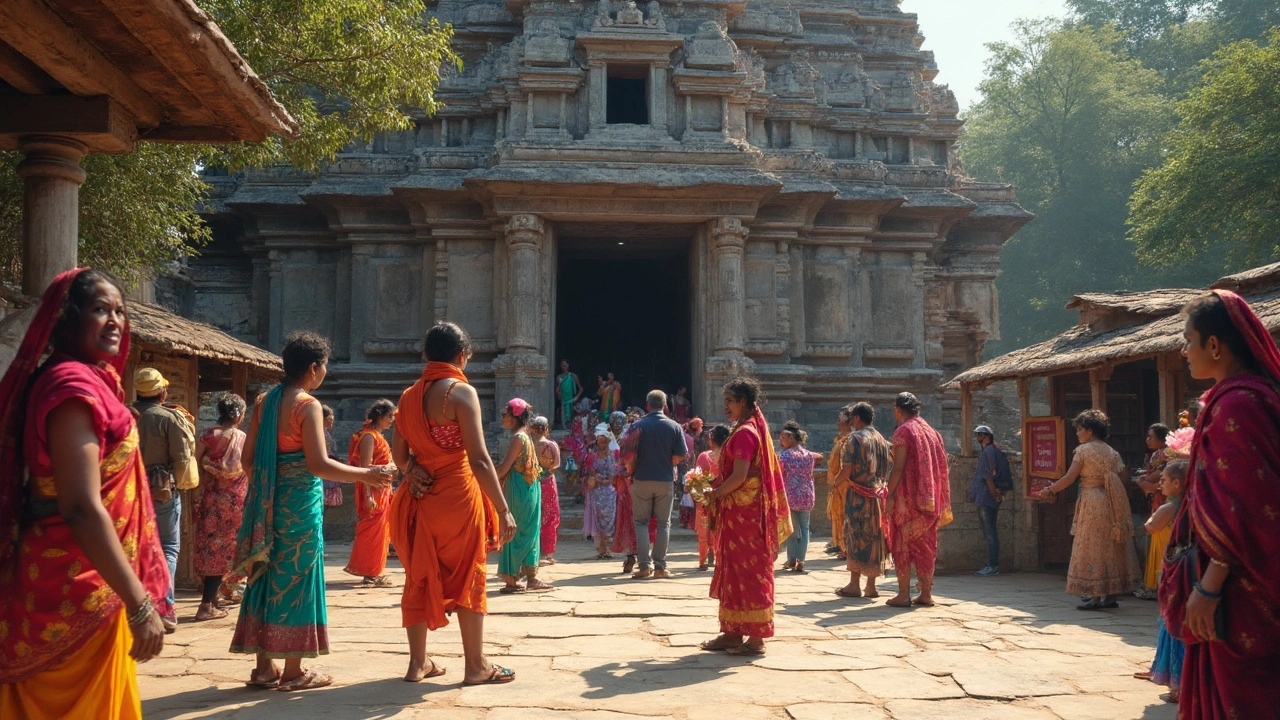
Temple Etiquette in India: What You Must Know Before You Visit
When you step into a temple etiquette in India, the unwritten rules that govern behavior in Hindu, Buddhist, and Jain places of worship. It’s not just about being polite—it’s about honoring sacred space. Many visitors don’t realize that touching a deity’s idol, wearing shoes inside, or even pointing your feet toward the altar can be seen as deeply disrespectful. These aren’t random traditions; they’re rooted in centuries of spiritual practice. In India, temples aren’t just buildings—they’re living centers of devotion, and how you behave there matters.
One of the most common mistakes? Walking in with shoes on. In nearly every temple, removing footwear is mandatory. You’ll see racks outside—just follow the crowd. Then there’s dress. Modest clothing isn’t optional; it’s expected. Shorts, tank tops, or revealing outfits won’t get you turned away, but they’ll make you stand out for the wrong reasons. Women often cover their heads in certain temples, especially in South India. Men should avoid sleeveless shirts. And yes, this applies to everyone—foreigners included. Locals notice. They remember. A little effort goes a long way.
Hand gestures matter too. Offering prayers with both hands folded at chest level (namaste) is standard. Never use your left hand to touch offerings or receive prasad. It’s considered impure. Don’t take photos of deities unless signs say it’s allowed—many temples ban flash photography or any photography at all. Even if you’re just snapping a picture of the architecture, ask first. And never feed animals near the temple grounds unless it’s part of a ritual. Feeding monkeys or cows might seem kind, but it disrupts sacred balance.
Food and drink inside temples? Usually off-limits. Some temples allow prasad, but only if it’s given by the priest. Bringing your own snacks or bottled water? Don’t. And never sit with your back to the main shrine. Direction matters. The sanctum sanctorum is the heart of the temple. Always face it when praying or walking past. In North India, you might see people circling the shrine clockwise. In the South, it’s often counterclockwise. Follow what others do. No one expects you to know every detail, but showing awareness earns respect.
Temple etiquette in India isn’t about fear or restriction—it’s about connection. When you align your actions with local customs, you’re not just following rules. You’re stepping into a deeper experience. You’ll notice how people bow quietly, how the air smells of incense and flowers, how silence hangs heavy even in crowded halls. That’s the real magic. And it’s something you can’t capture in a photo. You have to feel it. That’s why the right behavior isn’t optional. It’s the key to unlocking the true spirit of the place.
What you’ll find below are real stories and practical guides from travelers who’ve been there—some who got it right, others who didn’t. From the crowded lanes of Varanasi to the quiet hills of Tamil Nadu, these posts break down exactly what to do, what to avoid, and why it all matters. No fluff. Just clear, honest advice to help you visit temples in India with confidence, respect, and a deeper understanding.
Learn the essential steps and etiquette to follow before entering Indian temples, from dress code to rituals, ensuring a respectful and smooth visit.
Planning to visit temples in India? This guide breaks down what not to do in temples, helping travelers avoid common mistakes and respect local customs. Get tips on dress code, behavior, and local etiquette. Stay informed and blend in with ease—no awkward moments or offended locals. Perfect for first-timers and seasoned travelers alike.