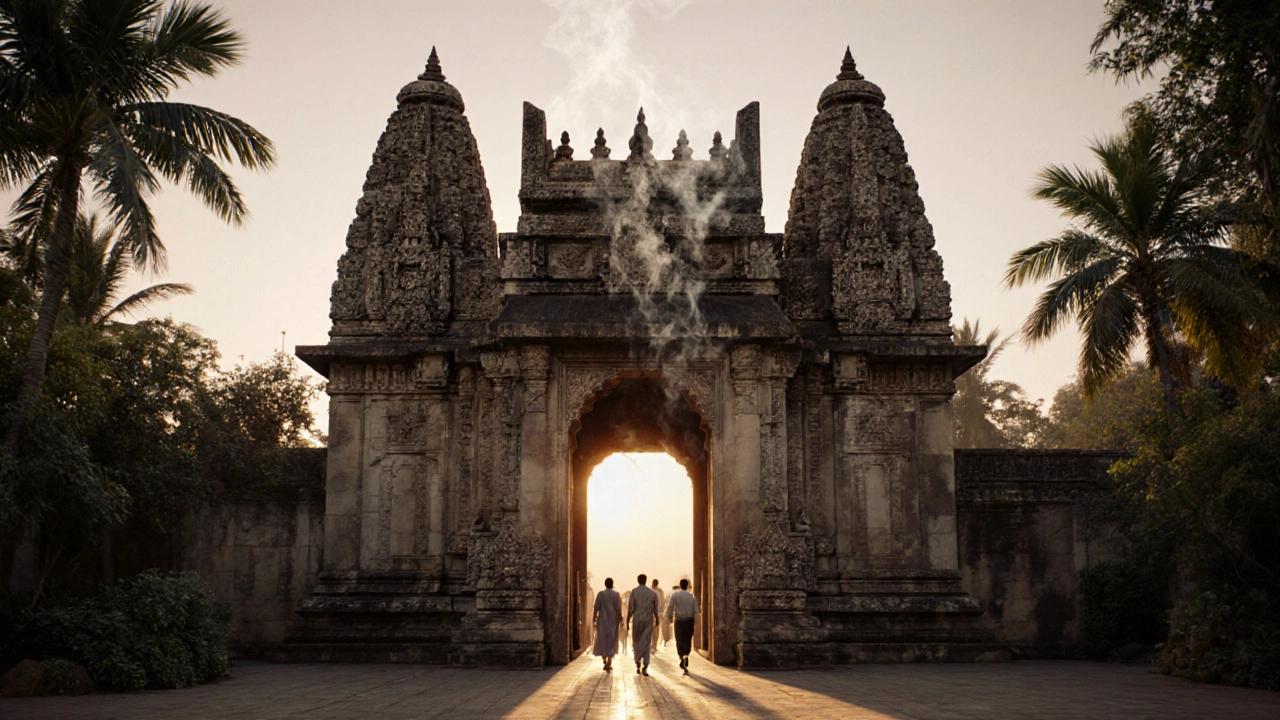
Walking up to a temple in India can feel like stepping into another world. The towering spires, the scent of incense, and the hum of chants all signal that you’re about to enter a sacred space. Before you cross that threshold, there are a handful of simple but vital steps that show respect and keep your visit smooth. Follow this guide and you’ll avoid common slip‑ups, blend in with locals, and enjoy the spiritual atmosphere without any awkward moments.
Understanding Temple Etiquette in India
Temple Etiquette refers to the set of customs and behavioral rules observed by worshippers and visitors alike. While each religion-Hinduism, Buddhism, Jainism, Sikhism-has its own nuances, the core ideas are the same: show humility, keep the space clean, and follow the locals’ lead. By mastering these basics, you’ll signal genuine respect and make the experience rewarding for everyone.
Dress Code - What to Wear and What to Avoid
Clothing is the first visual cue of respect. Indian temples generally expect modest, clean attire that covers shoulders and knees. Here’s a quick breakdown:
- Hindu Temples: Men should wear shirts with sleeves (no tank tops) and long trousers or clean shorts. Women need long skirts, churidar pants, or full-length dresses, and should avoid sleeveless tops.
- Buddhist Temples: Simple, modest clothing works. Many monasteries provide a “kesa” (outer robe) for visitors; accept it if offered.
- Jain Temples: Dress conservatively; avoid bright colors that might distract from rituals. Some temples request white clothing for purity.
- Sikh Gurdwaras (though not a temple, often visited together): Head covering is mandatory for everyone. Men should wear a turban or a clean scarf; women can use a small scarf.
Leave out sandals with open toes, revealing swimwear, and tight-fitting gym clothes. If you’re unsure, bring a light shawl or scarf to cover shoulders.
Preparing Your Body and Mind
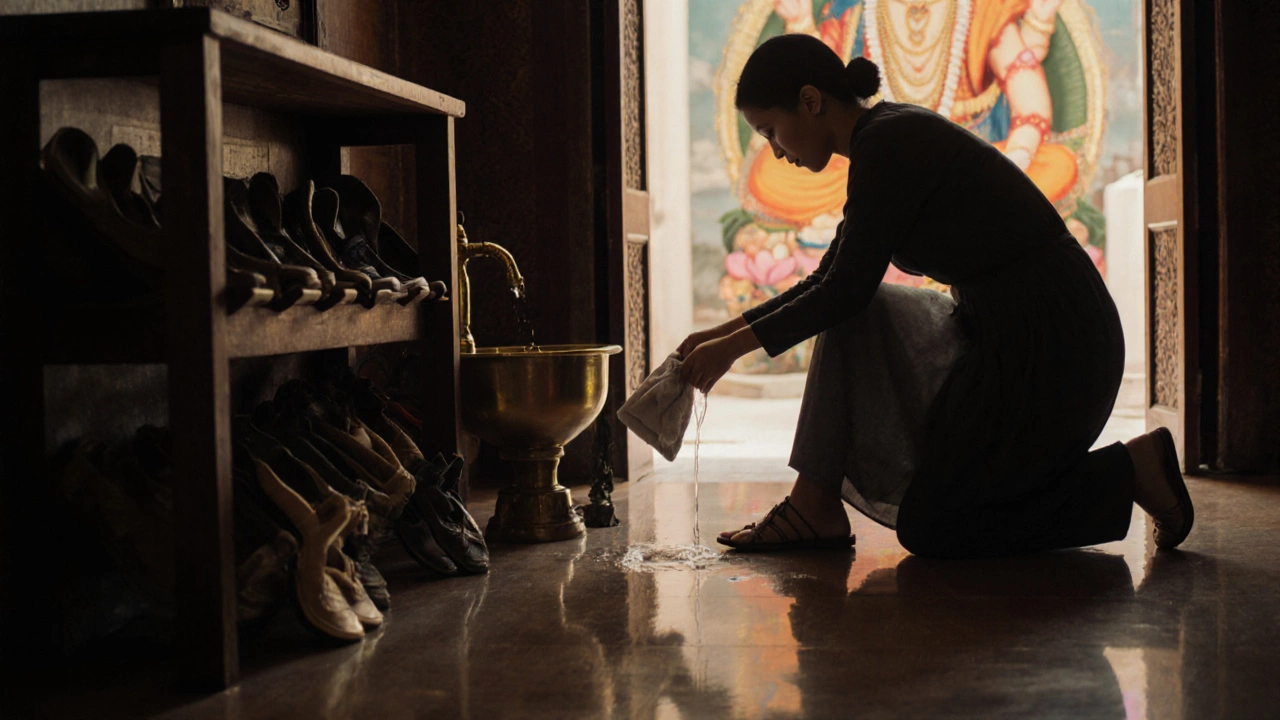
- Remove Footwear: All Indian temples require you to take off shoes before entering the sanctum. Look for a shoe rack near the entrance; keep your shoes together and upright.
- Wash Hands: Many temples provide a small water basin. Rinse your hands and, if possible, your face. It’s a sign of physical and spiritual cleanliness.
- Quiet Your Mind: Take a moment to breathe and let go of noisy thoughts. Even a brief pause shows you’re ready to be present.
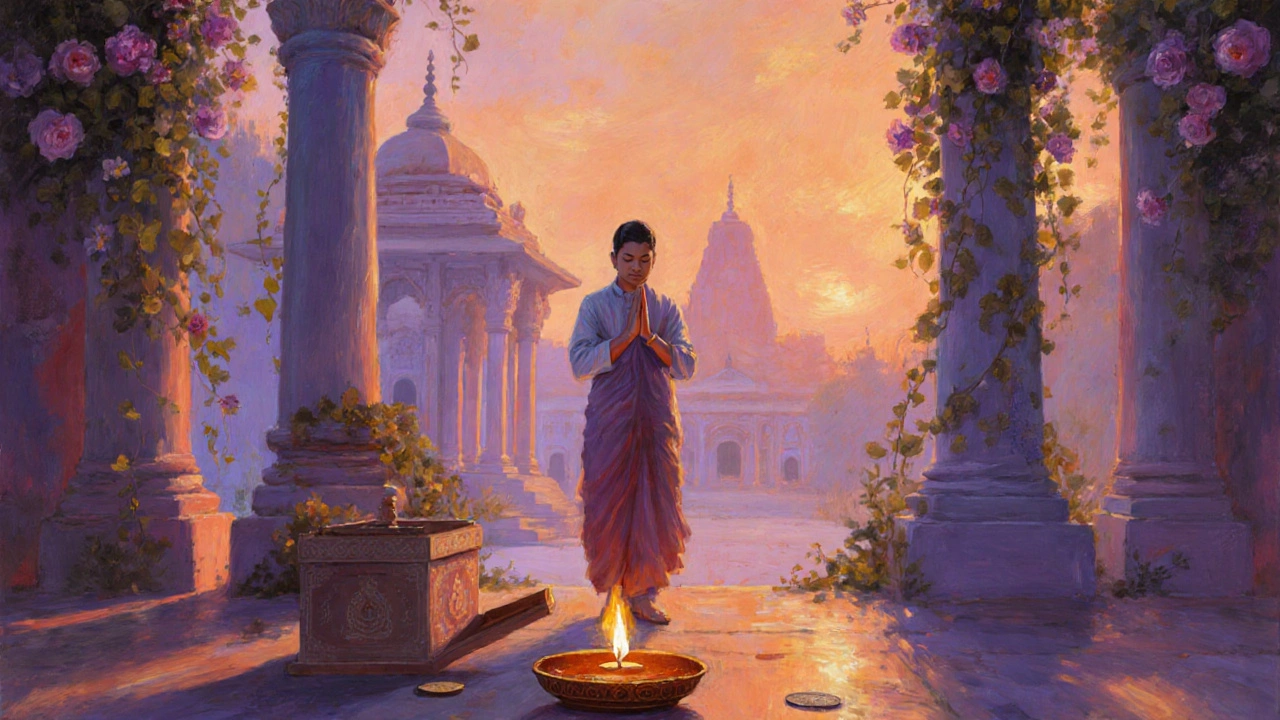
- Offer a Small Donation: A modest contribution (often called “dakshina”) is welcome but not required. Use the donation box if you feel inclined.
Items to Carry or Leave Behind
What you bring can make a big difference. Here’s a checklist:
- Leave: Hats, sunglasses, strong perfumes, and chewing gum. These can be seen as disrespectful.
- Bring: A reusable water bottle (keep it sealed), a small handkerchief for wiping feet, and a modest bag that can be stored easily.
- Optional: Fresh fruit or sweets to offer as Prasad if the temple permits. Ask a priest or guide first.
- Camera? Some temples allow photography in the outer courtyards but ban it inside the inner sanctum. Look for “No Photography” signs and ask if unsure.
Rituals and Greetings
Participating in or simply observing rituals adds depth to your visit.
- Namaste or Sat Sri Akal: Greet priests and fellow worshippers with a slight bow and palms together. It’s a universal sign of respect.
- Aarti: A flame‑bearing ritual performed at specific times. If you see a spoon-shaped “thali” with a lit lamp, you can join by clapping softly after the priest circles the flame.
- Incense: Lighted incense sticks are offered to deities. Do not blow out the ember yourself; let the priest handle it.
Language and Respectful Behavior
Even if you don’t speak the local language, a few gestures go a long way.
- Speak Softly: Loud conversations disturb prayers. Keep voices low and avoid phone calls inside the temple.
- Stay in Designated Areas: Some temples have “restricted zones” for priests only. Respect rope barriers and signs.
- Mind the Shoes: Never step on others’ footwear. If you need to walk past a pile, step around it carefully.
Practical Checklist Before You Walk In
- Verify dress code for the specific temple (search online or ask your guide).
- Carry a clean shawl or scarf for covering shoulders.
- Remove jewellery that might clink loudly (bracelets, large earrings).
- Place shoes on the rack in the order you took them off-this helps you find them later.
- Wash hands at the provided basin before proceeding.
- Offer a small donation if you feel comfortable.
- Observe the “no photography” signs; keep your phone on silent.
- Follow the crowd’s lead for bowing, hand‑folding, and walking patterns.
Common Mistakes Tourists Make
- Wearing shorts or tank tops inside a Hindu temple.
- Leaving shoes in the middle of the walkway instead of the rack.
- Taking photos inside the sanctum despite clear signs.
- Eating or drinking while inside the prayer hall.
- Talking loudly or laughing during a ceremony.
When you catch yourself doing any of these, a quick apology and a respectful correction are usually enough to smooth things over.
Comparison Table: Dress Code Across Major Indian Temples
| Religion | Men | Women | Head Covering |
|---|---|---|---|
| Hindu | Shirt with sleeves, long trousers or clean shorts | Long skirt, churidar, or full-length dress; sleeves required | Not mandatory, but recommended in some shrines |
| Buddhist | Modest shirt, trousers; robe optional if offered | Modest dress covering knees and shoulders | Optional, but respectful in monasteries |
| Jain | Plain shirt, long pants; avoid bright colors | Long skirt or trousers, modest top; white preferred in some temples | Not required |
| Sikh (Gurdwara) | Turban or clean scarf covering head; modest shirt | Scarf covering head; modest dress | Mandatory for everyone |
Frequently Asked Questions
Can I bring a camera into any Indian temple?
Most temples allow photography in the outer courtyard but ban it inside the sanctum. Look for signs or ask the priest. If you’re unsure, keep the camera in your bag.
What should I do with my shoes after I remove them?
Place them neatly on the shoe rack provided at the entrance. Keep them in the order you took them off so you can find them when you leave.
Is it okay to eat or drink inside a temple?
No. Food and drinks are considered impure in most Indian temples. Finish any snacks before you enter.
Do I need to cover my head in a Hindu temple?
Head covering isn’t mandatory in most Hindu temples, but it’s respected in many northern shrines. Carry a light scarf just in case.
Can I donate money if I’m on a tight budget?
Donations are appreciated but never compulsory. A small amount or even a respectful bow is enough if you can’t afford to give.
Following these steps will help you blend in, show reverence, and enjoy the spiritual richness that Indian temples offer. Whether you’re strolling through the marble corridors of the Golden Temple in Amritsar or the stone-carved halls of the Khajuraho complex, a little preparation goes a long way.