Cash vs Card in India: What Travelers Really Need
Learn when to carry cash, use cards, or go mobile in India. Get practical tips, money‑handling hacks, and a handy comparison for a smooth journey.
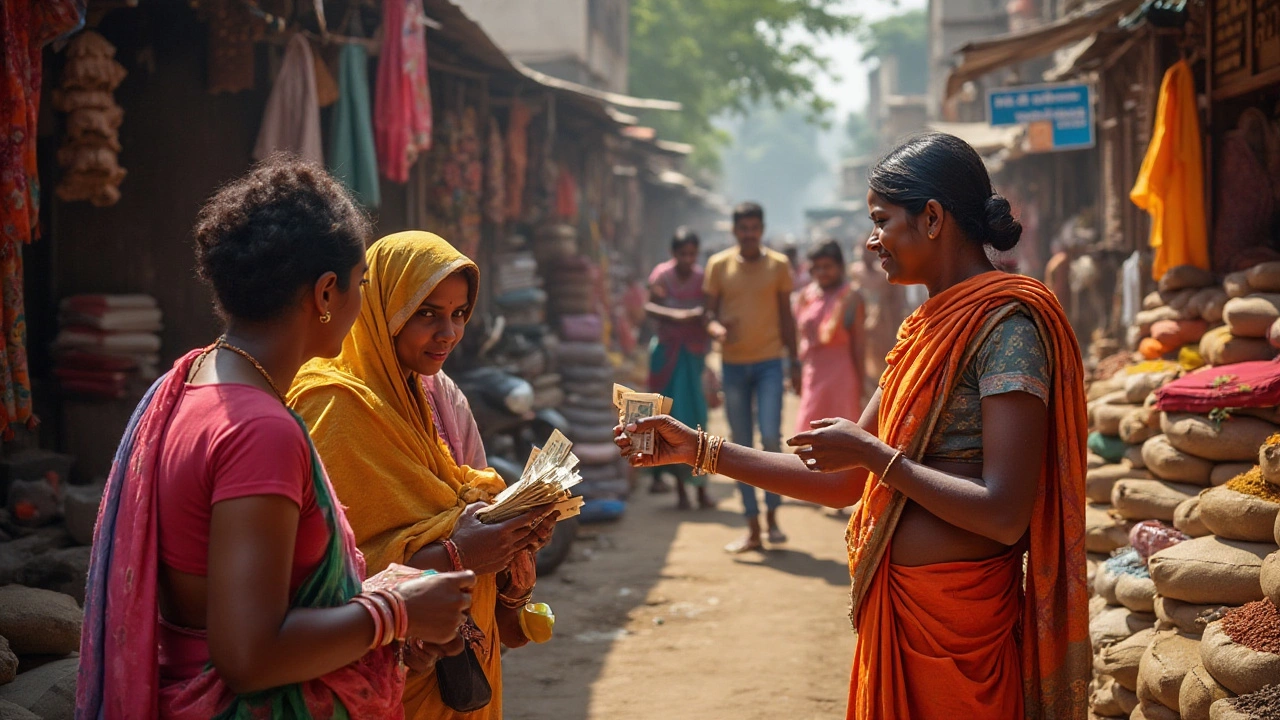
When you’re planning a trip to India, cash in India, the physical currency used for everyday transactions across the country. Also known as Indian Rupees (INR), it’s still the backbone of daily life—even in cities with high-tech infrastructure. While digital payments are growing fast, especially in urban areas, a lot of places still rely on physical money. From small tea stalls in Varanasi to temple donations in Rameswaram, you’ll need rupees in hand.
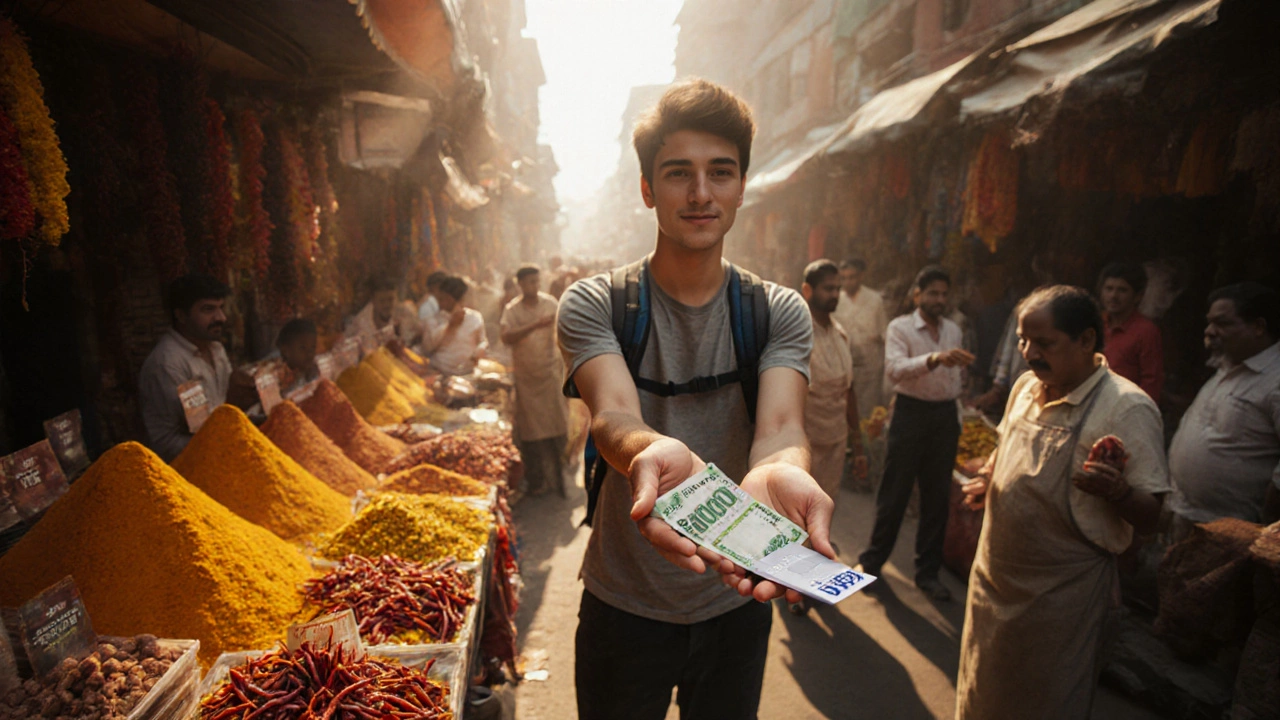
ATMs are everywhere in major cities like Mumbai, Delhi, and Bangalore, but they can vanish in rural areas, mountain trails, or remote temple towns. That’s why carrying cash isn’t just smart—it’s essential. Many small vendors, auto-rickshaw drivers, and even some guesthouses won’t accept cards. Even if a sign says "Card Accepted," it’s safer to assume they mean UPI or Paytm, not foreign credit cards. The same goes for markets in Jaipur, street food stalls in Chennai, and bus ticket counters in Odisha. You can’t pay for a local train ticket with a Visa card, and you won’t find an ATM near the start of the Great Himalayan Trail.
Exchange rates matter. Avoid airport exchange counters—they give terrible rates. Instead, withdraw rupees from ATMs using your debit card, or exchange a small amount at a bank branch in the city. Always check your bank’s foreign transaction fees before you leave. Carry smaller denominations—500 and 2000 rupee notes are common, but many small shops struggle to give change for them. Keep 10s, 20s, and 50s handy for buses, chai, and temple offerings. And never carry all your cash in one place. Split it between your wallet, a hidden money belt, and your hotel safe.
Some places, like the Taj Mahal or major heritage sites, now accept digital payments, but even there, you’ll need cash for parking, guide tips, or snacks. When visiting temples, cash is often required for prasad offerings or entry donations. If you’re trekking in Kedarkantha or exploring the stepwells of Gujarat, there won’t be any card readers. The same goes for hiring a local guide for a jungle camp near Ranthambore or booking a ride on a rural ferry in Kerala.
India’s economy runs on cash, and travelers who ignore that risk getting stuck. You don’t need to carry thousands, but you do need enough to cover daily needs without relying on tech that might not work. Whether you’re navigating the chaos of Delhi’s markets or relaxing on Goa’s beaches, having rupees ready means fewer hassles and more freedom. The posts below give you real, tested advice on how to manage money in India—from where to find the best exchange spots to what to do when your card gets swallowed at an ATM. You’ll learn what works, what doesn’t, and how to stay prepared no matter where your journey takes you.