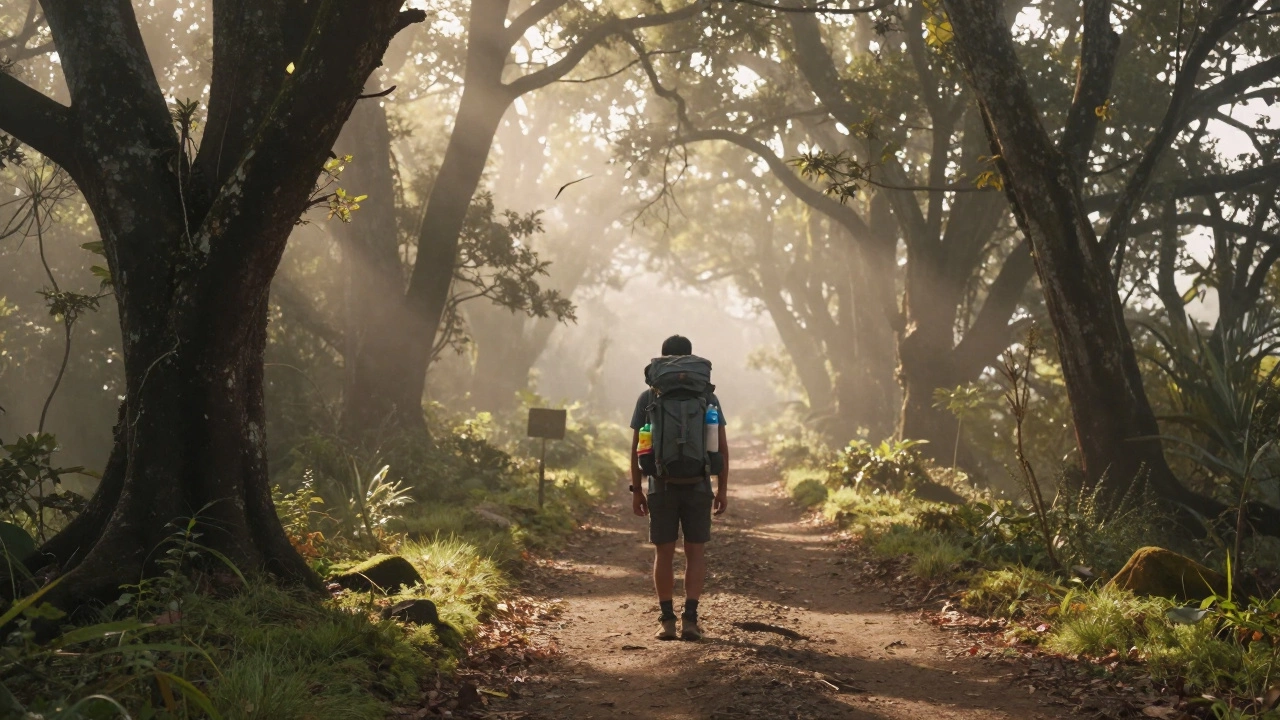
Backpacking India
When you think of backpacking India, a low-cost, self-guided way to explore India’s wild and cultural landscapes through buses, trains, and footpaths. Also known as budget travel India, it’s not about luxury—it’s about getting close to the land, the people, and the rhythm of life away from tourist traps. This isn’t the Taj Mahal line or a five-star resort. This is waking up in a Himalayan village with no wifi, eating chai from a roadside stall, and hitching a ride on a truck headed for a trail no map shows.
Backpacking India requires three things: flexibility, curiosity, and basic safety sense. You’ll need to know how to navigate Indian wilderness, remote areas like the Great Himalayan Trail, the forests of Madhya Pradesh, or the hills of Odisha where infrastructure is light and nature is raw. You’ll rely on India trekking, long-distance hikes on trails like Roopkund or Kedarkantha where local guides are essential for permits, weather, and cultural respect. And you’ll learn quickly that solo travel India, especially for women or first-timers, is safer than most assume—but only if you know where to stay, when to move, and how to read the signs.
Most backpackers start in Delhi or Mumbai, then head north to Rishikesh or south to Kerala. But the real magic happens off the Golden Triangle. In Nagpur, the heart of India, you’ll find fewer tourists and more adventure sports. In the Andamans, you can walk untouched beaches without seeing another soul. In Rajasthan’s deserts, you’ll sleep under stars in a nomad’s camp, not a resort. The posts below cover exactly this: where to sleep for under $10, how to avoid food poisoning on the road, which trains to take, and which temples require a head covering—not just for rules, but for respect.
You won’t find curated Instagram tours here. You’ll find real advice from people who’ve slept on train platforms, got lost in monsoon rains, and found help from strangers who became friends. Whether you’re planning your first trip or your fifth, the stories below will show you how to move through India not as a visitor, but as someone who’s willing to get a little dirty, a little lost, and a lot more alive.
Backpacking and hiking in India are often confused, but they’re very different experiences. Learn how to tell them apart, what gear you really need, and which trails suit each style for a safer, richer adventure.