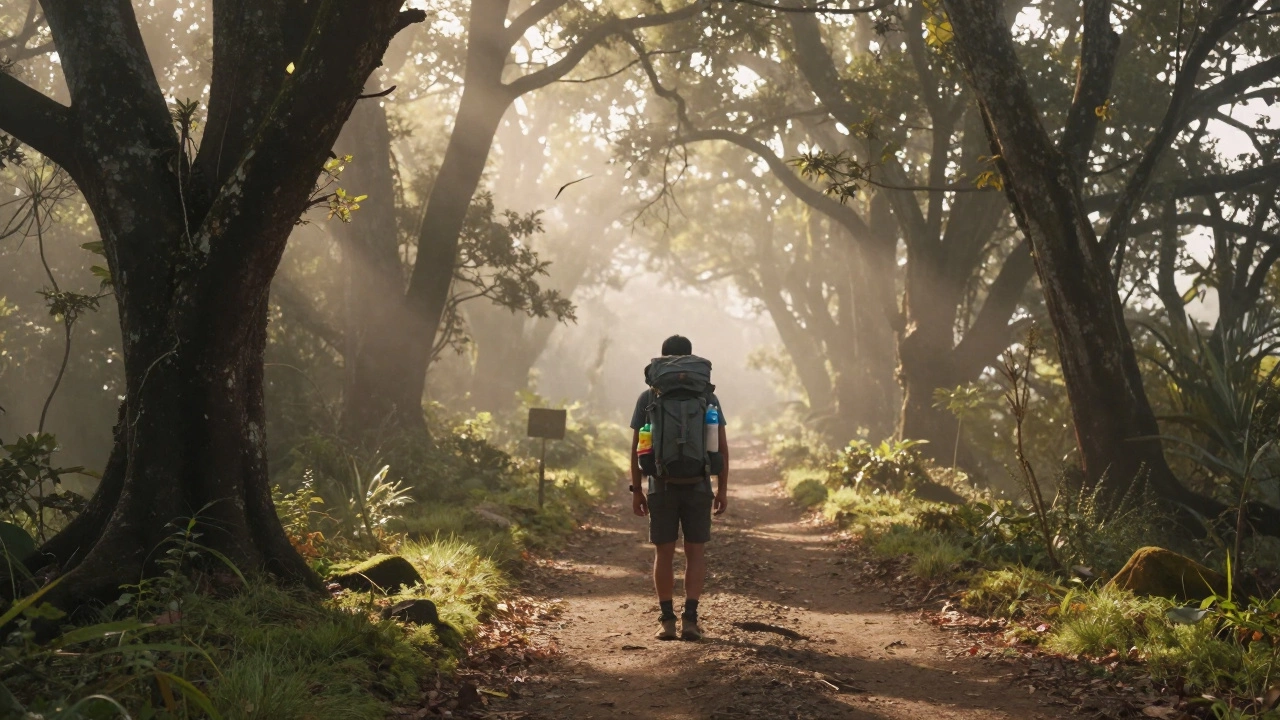
People often use the words backpacking and hiking like they mean the same thing. But if you’ve ever spent a night under the stars in the Himalayas with a 20-kilo pack on your back, or hiked a single day trail in the Western Ghats with just water and snacks, you know they’re not the same. In India, where trekking routes stretch from the snow-capped peaks of Ladakh to the misty forests of Meghalaya, mixing up these terms can lead to bad planning, unsafe trips, or just plain disappointment.
What Is Hiking?
What Is Backpacking?
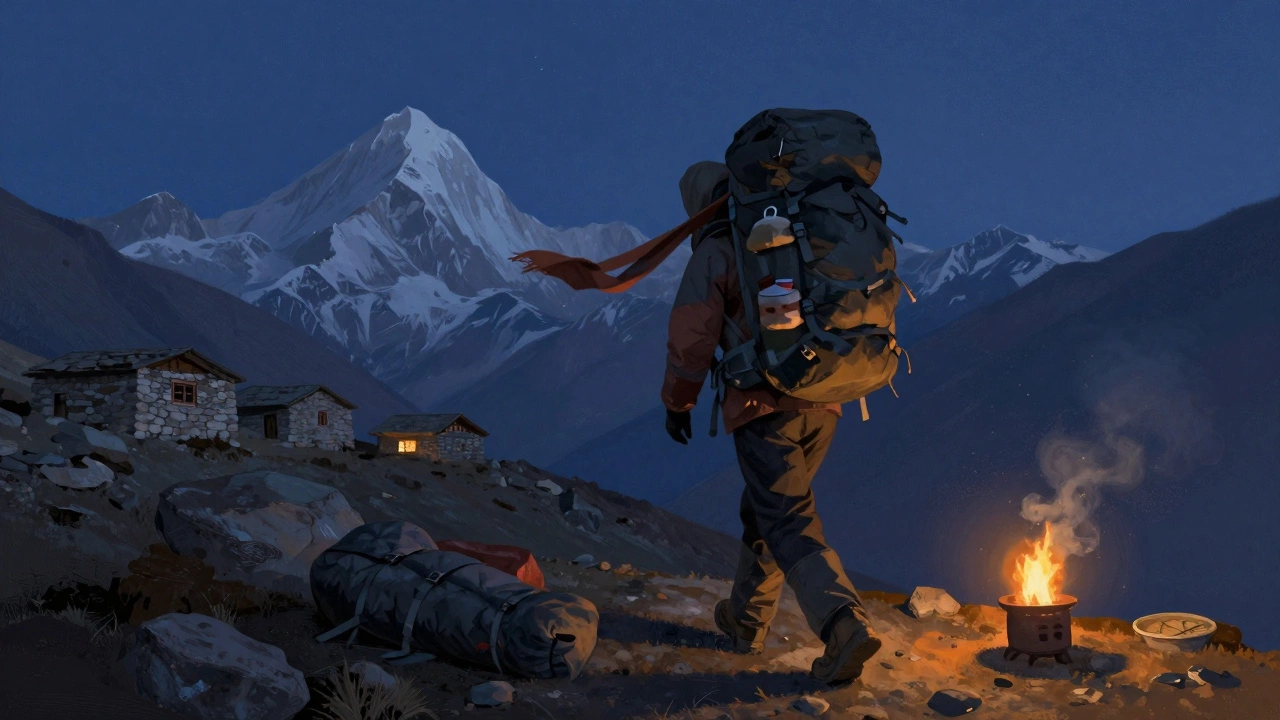
Backpacking isn’t just hiking with a bigger pack. It’s a style of travel where you carry everything you need-food, shelter, clothes, and sometimes even cooking gear-on your back for days or weeks at a time. You sleep outdoors, in hostels, or with locals. You move from place to place, often off the beaten path, and your journey becomes your home.
In India, backpacking means sleeping in basic guesthouses in Manali after a day on the Hampta Pass trail. It means sharing a meal with a local shepherd in Spiti Valley because you ran out of energy bars. It means navigating bus schedules from Rishikesh to Joshimath with no internet, relying on handwritten notes from fellow travelers.
Backpacking is about immersion. It’s not about reaching a summit. It’s about the people you meet, the villages you pass through, the unplanned detours that turn into the best memories. A backpacker in India might spend 10 days moving from Gangotri to Gaumukh, then hitch a ride to Haridwar, and end up volunteering at a temple kitchen for a few days before heading to Rishikesh. There’s no fixed itinerary. The route changes with the weather, the money, and the people you meet.
Key Differences Between Backpacking and Hiking
Here’s how they really differ when you’re in the Indian mountains:
| Aspect | Hiking | Backpacking |
|---|---|---|
| Duration | Hours to one day | Days to weeks |
| Weight Carried | 2-5 kg (water, snacks, jacket) | 15-25 kg (tent, sleeping bag, food, clothes) |
| Accommodation | Return home same day | Campsites, guesthouses, homestays |
| Route Planning | Fixed trail, known start/end | Flexible, changes daily based on conditions |
| Primary Goal | Exercise, nature, views | Travel, culture, self-reliance |
| Typical Indian Routes | Kedarkantha, Nag Tibba, Dayara Bugyal | Hampta Pass, Markha Valley, Rupin Pass, Valley of Flowers multi-day |
On a hike like Nag Tibba, you drive to the trailhead in the morning, walk up for 5 hours, take photos at the summit, and be back in Dehradun by nightfall. On a backpacking trip like the Markha Valley trek, you leave Leh on day one, cross three high passes, sleep in stone huts run by Buddhist families, and don’t see a town for six days. Your phone dies. Your socks smell. You learn to boil water with a stove that won’t light. That’s backpacking.
Why the Confusion Happens in India
Many tour operators in India label short treks as “backpacking tours.” You’ll see ads for a “3-day backpacking trip to Kedarkantha,” but you’re sleeping in tents provided by the company, eating pre-cooked meals, and carrying only a daypack. That’s not backpacking. That’s guided trekking with a fancy label.
Real backpacking means carrying your own gear. It means figuring out where to sleep. It means paying for your own food, not relying on a cook. If you’re not carrying your own tent and sleeping bag, you’re not backpacking-you’re hiking with a support team.
And then there’s the language. In Hindi, the word “trekking” is used for everything from a morning walk in Mussoorie to a 12-day expedition in the Zanskar Range. So when a local says, “Let’s go trekking,” you have to ask: Are we walking for five hours and coming back? Or are we leaving our lives behind for a week?
Which One Should You Choose in India?
If you’re new to the mountains, start with hiking. Trails like Kedarkantha or Dayara Bugyal are perfect. They’re well-marked, have tea stalls along the way, and you can do them in one go. You’ll get a taste of the Himalayas without needing to know how to set up a tent in 10°C wind.
Once you’re comfortable with altitude, basic navigation, and carrying weight, then try backpacking. The Rupin Pass route in Uttarakhand is a great next step. It’s remote but has enough villages to resupply. You’ll carry your own food, sleep under the stars, and cross a glacier. You’ll be exhausted. You’ll also feel more alive than you have in years.
Backpacking in India isn’t for everyone. It’s messy, unpredictable, and sometimes lonely. But it’s also the only way to truly see the quiet corners of the country-the nomadic shepherds of Ladakh, the hidden monasteries of Spiti, the tribal villages in Arunachal that don’t appear on any map.
What You Need to Know Before You Go
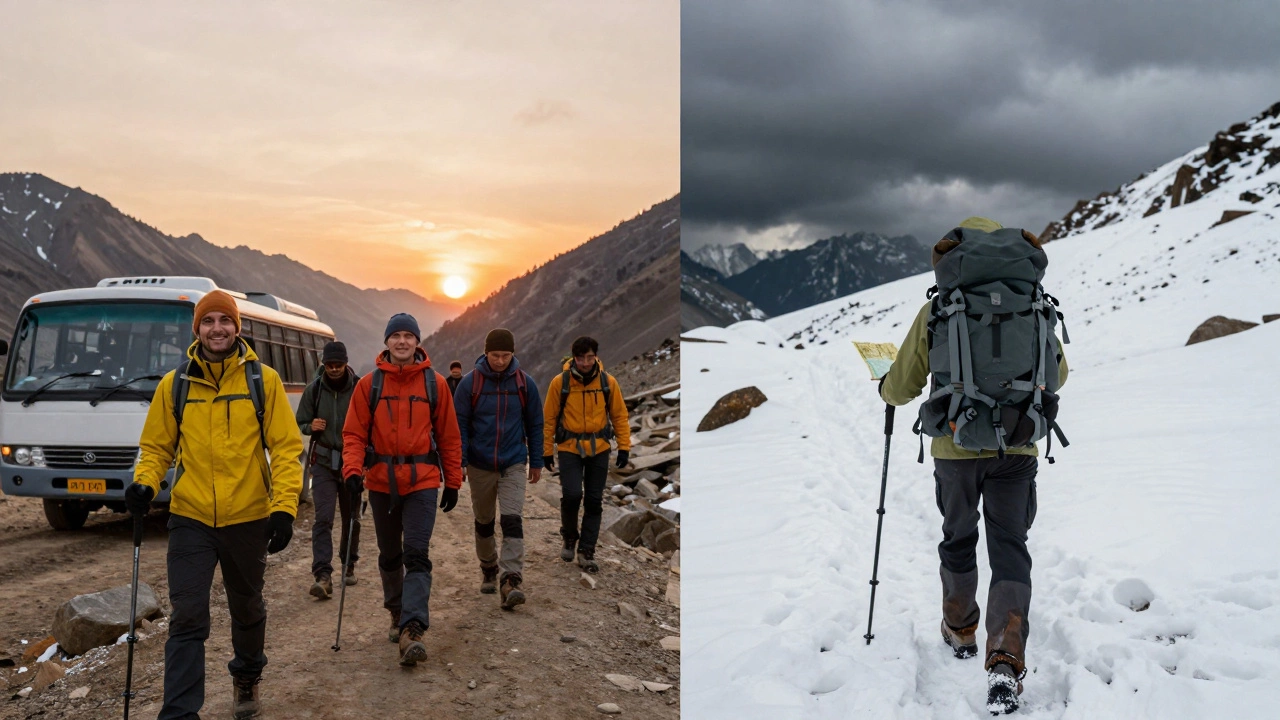
Here’s what works in India-and what doesn’t:
- Don’t bring a 4-season tent unless you’re going above 4,000 meters. A good 3-season tent is lighter and enough for most treks.
- Buy your gear in Delhi or Manali. International brands are overpriced. Local shops sell reliable, cheaper gear that’s been tested on the trails.
- Carry a small water purifier. Tap water in villages is rarely safe. Boiling takes time and fuel. A filter is faster and saves weight.
- Learn basic Hindi phrases. “Pani?” (water?), “Sootha?” (where?), “Kitna?” (how much?) go a long way.
- Never assume you’ll find a phone signal. Download offline maps on Maps.me or OsmAnd before you leave the last town.
Real Stories from the Trails
Last monsoon, a traveler from Mumbai tried to hike the Valley of Flowers in a pair of new running shoes. She made it two days before her feet blistered. She had to hitch a ride back to Joshimath. She didn’t pack rain gear. She didn’t know the trail closes in July.
Another guy from Bangalore spent 17 days backpacking from Gangotri to Badrinath. He slept in temples, ate dal roti from village kitchens, and walked 12 hours a day. He didn’t have a map. He followed other trekkers. He got lost twice. He didn’t care. He said it was the best month of his life.
One isn’t better than the other. But they’re not the same.
Final Thought
Hiking is about the view. Backpacking is about the journey. In India, where the mountains hold centuries of stories, you don’t just want to see them-you want to walk through them. If you’re ready to carry your life on your back for a week, then go backpacking. If you just want to breathe clean air and take a few photos, then hike. Either way, the Himalayas will remember you.
Can you go backpacking on a budget in India?
Yes, backpacking in India is one of the cheapest ways to travel. You can spend as little as ₹500-800 ($6-10) a day if you sleep in guesthouses, eat local food, and avoid guided tours. Gear rental in Manali or Leh costs ₹200-400/day. Many trekkers save money by sharing tents and cooking meals together. The biggest cost is usually the bus or shared jeep to the trailhead.
Is it safe to backpack alone in India?
It’s safer than most people think. The Himalayan trekking routes are well-traveled, and locals are often helpful. Women backpacking alone report being treated with respect, especially in places like Spiti and Ladakh. Still, avoid remote trails without a group during monsoon or winter. Always tell someone your route. Carry a whistle and a basic first-aid kit. Trust your gut-if a place feels off, leave.
Do I need permits for backpacking in India?
Yes, for some areas. Protected zones like the Valley of Flowers, Nanda Devi, and parts of Ladakh require permits. You can get them in person at the forest office in Joshimath or Dehradun. For popular routes like Hampta Pass or Kedarkantha, no permit is needed. Always check the latest rules-some areas restrict access during monsoon or for environmental reasons.
What’s the best season for backpacking in India?
April to June and September to November are ideal. Spring offers blooming meadows; autumn gives clear skies and stable weather. Avoid July-August (monsoon-landslides, leeches, closed trails) and December-February (extreme cold, snow-blocked passes). Some high-altitude routes like Roopkund are only open June-September.
Can I combine hiking and backpacking on the same trip?
Absolutely. Many trekkers start with a day hike to scout a route, then return later to backpack it. For example, do a day hike to the base of Rupin Pass, then come back a week later with full gear to cross it. Or hike to a village, spend the night, then continue the next day. Combining both gives you flexibility and deeper connection to the landscape.
Next time you plan a trip to the Indian mountains, ask yourself: Are you looking for a view-or a transformation?