Indian Cultural Journey Planner
Select the cultural experiences that interest you most to generate a personalized itinerary.
Your Suggested Route
Please select at least one interest above to see recommendations.
India is not just a country; it is a continent-sized museum of living history. When you ask about cultural attractions in India, you are asking about the world’s oldest continuous civilization. You are looking at a place where ancient temples stand next to modern skyscrapers, where classical dance forms have survived for millennia, and where every region speaks a different language and wears different clothes. It can feel overwhelming. Where do you even start? Do you chase the grandeur of Mughal architecture or the spiritual silence of Himalayan monasteries?
The answer depends on what kind of culture moves you. Are you drawn to stone and mortar, to sound and movement, or to food and faith? This guide breaks down the vast cultural landscape into manageable experiences, helping you find the specific flavor of Indian heritage that calls to you.
The Stone Chronicles: Architectural Wonders
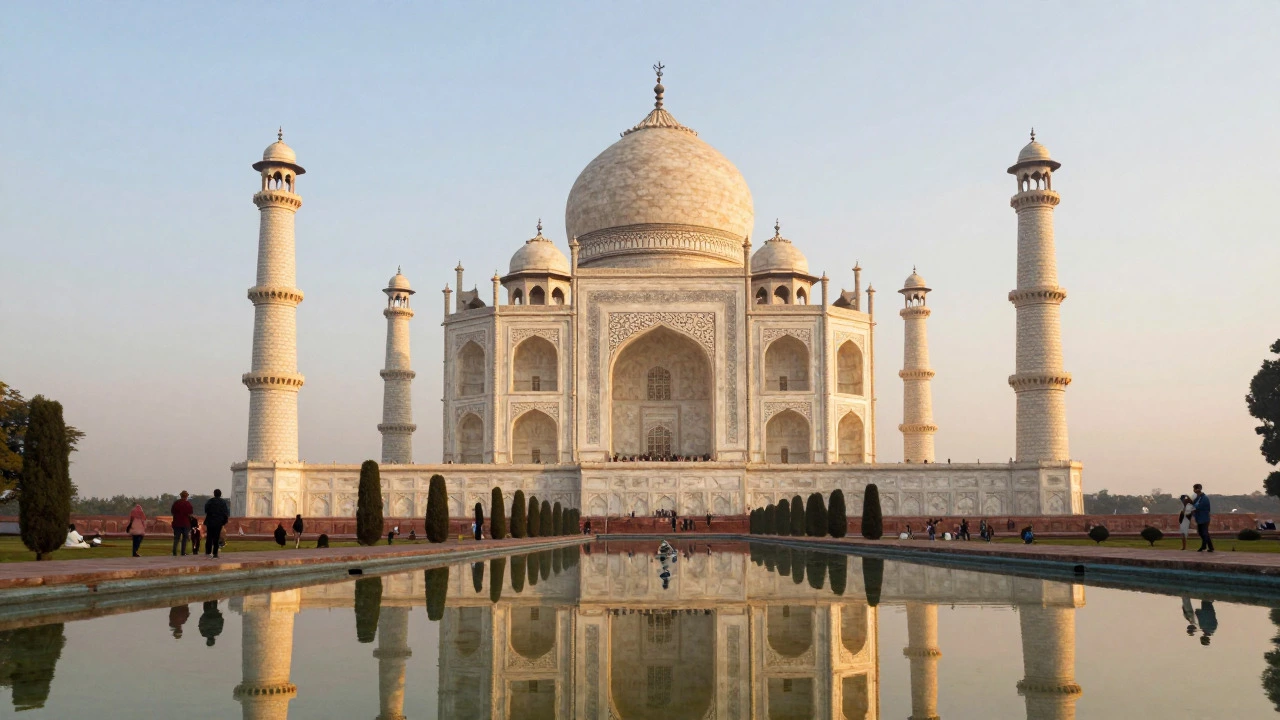
If you want to see how empires expressed their power and piety, look at the buildings. India’s architectural history is a timeline written in sandstone, marble, and granite. The most famous example is undoubtedly the Taj Mahal in Agra. Built by Mughal Emperor Shah Jahan in memory of his wife Mumtaz Mahal, this white marble mausoleum is the pinnacle of Indo-Islamic architecture. But don't stop there. The Mughals left a trail of incredible structures across North India.
In Delhi, the Red Fort showcases the military might and aesthetic sensibility of the same empire. Further south, the style changes completely. In Rajasthan, you find the hilltop fortresses like Mehrangarh Fort in Jodhpur, which cling to cliffs like gargoyles. These forts tell stories of Rajput valor and intricate craftsmanship. Meanwhile, in the deep south, the Dravidian style takes over. The temple complexes in Madurai and Thanjavur feature towering gopurams (gateway towers) covered in thousands of colorful sculptures depicting Hindu mythology. Each brick tells a story from the epics.
| Style | Key Region | Defining Feature | Famous Example |
|---|---|---|---|
| Mughal | North India | Symmetry, domes, marble inlay | Taj Mahal |
| Rajput | Rajasthan | Hilltop forts, jharokhas (balconies) | Amba Vilas Palace |
| Dravidian | South India | Towering Gopurams, pillared halls | Brihadeeswarar Temple |
| Vijayanagara | Karnataka | Monolithic pillars, horse motifs | Hampi Ruins |
For those interested in ancient ruins, Hampi in Karnataka offers a surreal landscape of boulders and broken walls from the Vijayanagara Empire. Walking through these ruins feels like stepping into a fantasy novel. The contrast between the natural rock formations and the man-made structures creates a unique visual dialogue that no other site in the world can replicate.
The Living Arts: Dance, Music, and Crafts
Architecture is static, but India’s performing arts are alive. If you visit during the right season, you can witness traditions that have been passed down through generations without missing a beat. Classical dance forms like Bharatanatyam from Tamil Nadu, Kathak from the North, and Odissi from Odisha are not just entertainment; they are devotional practices. Each gesture (mudra) has a meaning. Each eye movement tells a part of the story.
Music is equally diverse. Hindustani classical music dominates the north, characterized by its improvisational nature and ragas tied to specific times of day. Carnatic music rules the south, known for its structured compositions and complex rhythmic cycles. Listening to a live concert in a heritage haveli in Jaipur or a temple courtyard in Chennai is an immersive experience that recordings cannot capture.
Beyond performance, India is a hub for artisanal crafts. Varanasi is famous for its silk saris and handloom weaving. Kanchipuram in Tamil Nadu produces heavy silk sarees with gold borders that are considered heirlooms. In the northeast, tribes weave intricate patterns using backstrap looms. Buying these items directly from artisans supports local economies and preserves dying skills. Look for certifications like "Khadi" or "Handloom Mark" to ensure authenticity.
Spiritual Pilgrimages and Sacred Sites
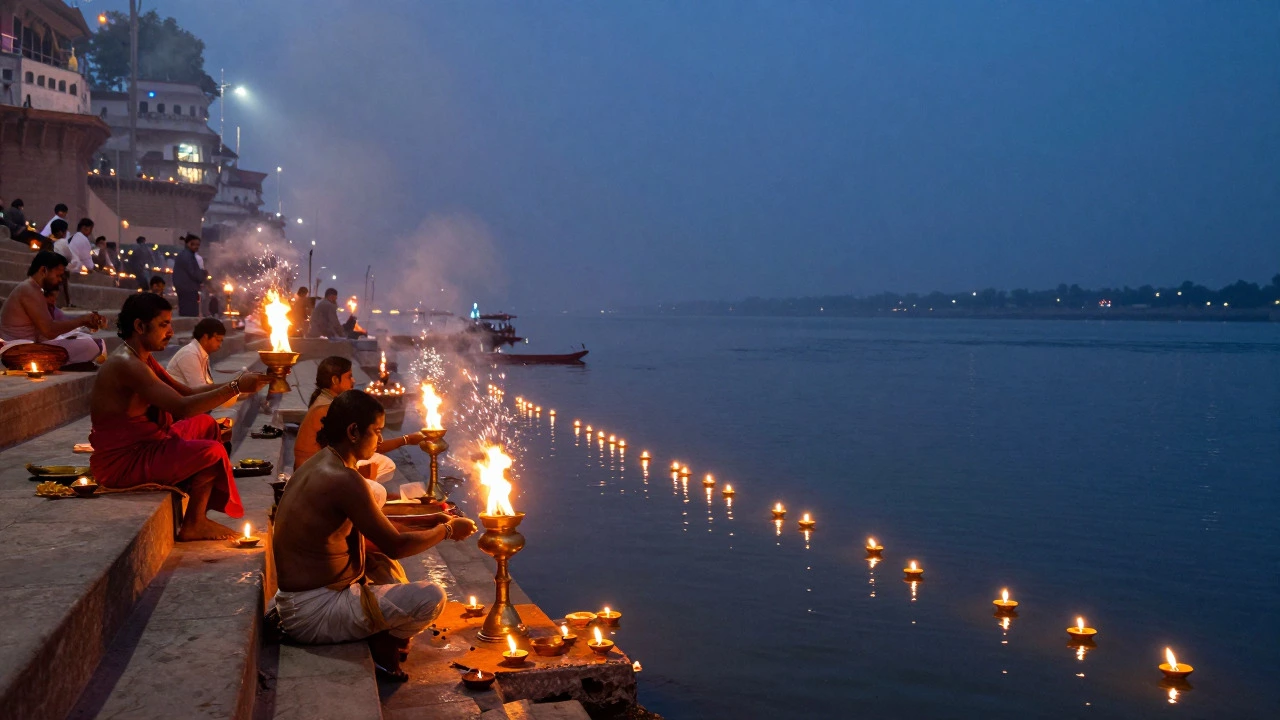
Religion is woven into the fabric of daily life in India. For many travelers, visiting sacred sites is not about religious conversion but about understanding the spiritual depth of the culture. Varanasi, one of the oldest continuously inhabited cities in the world, sits on the banks of the Ganges River. Watching the evening Ganga Aarti, a fire ceremony performed by priests, is a profound moment of collective devotion. The sound of bells, the smell of incense, and the sight of floating lamps create an atmosphere that is both chaotic and serene.
In the Himalayas, Ladakh offers a different spiritual perspective. Buddhist monasteries like Hemis and Thiksey dot the arid landscape. Monks in maroon robes chant sutras in echo-filled prayer halls. The isolation of these regions enhances the sense of peace. Similarly, Bodh Gaya in Bihar is where Buddha attained enlightenment. The Mahabodhi Temple stands as a testament to this event, attracting pilgrims from around the world.
Even secular spaces have spiritual undertones. The Golden Temple in Amritsar, the holiest shrine of Sikhism, operates a free kitchen (langar) that serves meals to over 100,000 people daily regardless of caste, creed, or religion. Participating in the langar service or simply eating there teaches a lesson in equality and community that is central to Sikh philosophy.
Festivals: The Pulse of Culture
To truly understand Indian culture, you must experience its festivals. These are not just holidays; they are massive social events that reshape the rhythm of life. Diwali, the Festival of Lights, sees the entire country illuminated with oil lamps and fireworks. Homes are cleaned, new clothes are bought, and sweets are exchanged. It symbolizes the victory of light over darkness.
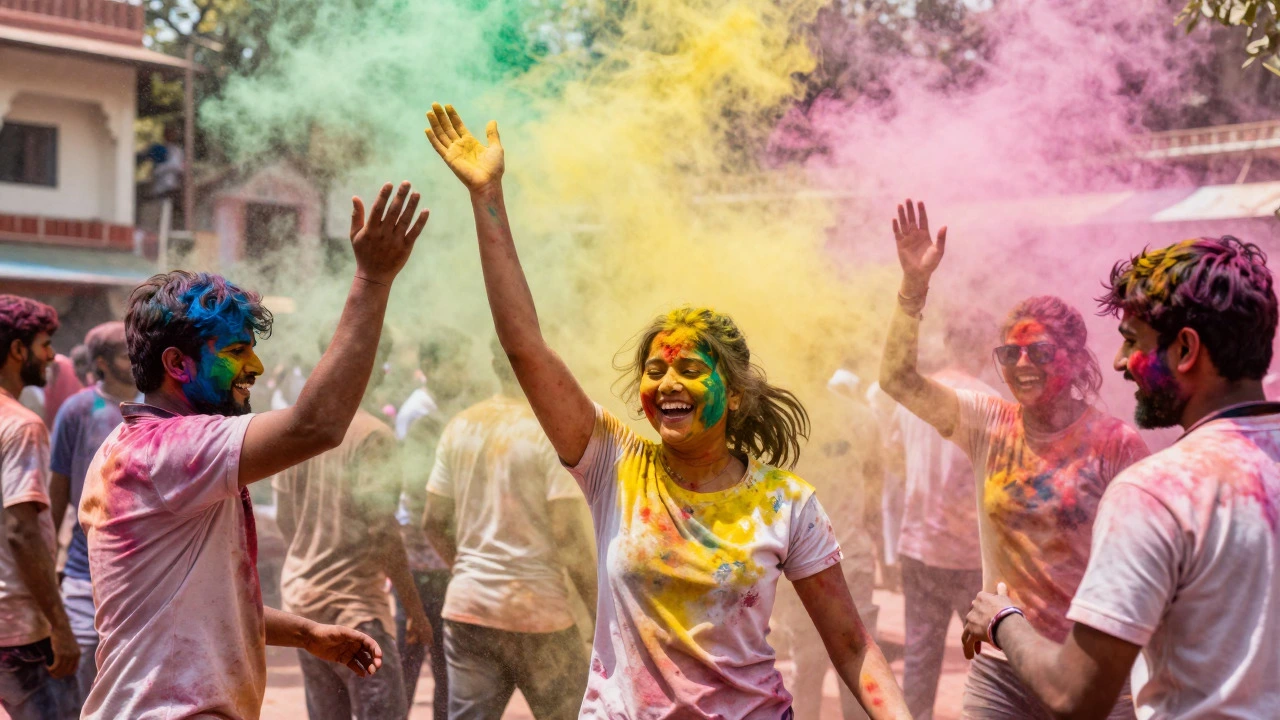
Holi, the festival of colors, turns streets into paintball arenas. People throw colored powder and water at each other, breaking down social barriers. It is messy, loud, and incredibly joyful. In the west, Gujarat celebrates Navratri with Garba dances that last all night. Thousands of people move in synchronized circles around a lamp, creating a mesmerizing visual spectacle.
Regional festivals offer unique insights. Durga Puja in West Bengal transforms Kolkata into an open-air art gallery with elaborate clay idols. Onam in Kerala features snake boat races and lavish feasts served on banana leaves. Pushkar Camel Fair in Rajasthan combines trade with tradition, featuring camel races and folk performances. Timing your trip to coincide with these events requires planning, but the reward is an unforgettable immersion into local life.
Gastronomy: Eating Your Way Through History
You cannot talk about culture without talking about food. Indian cuisine is not monolithic; it varies drastically from state to state. In Punjab, you get rich, buttery curries and tandoori meats. In Kerala, coconut and curry leaves dominate the flavor profile. In Bengal, fish is prepared in countless ways, often with mustard paste. Street food is another layer of this culinary map. Chaat in Delhi, Pani Puri in Mumbai, and Vada Pav in Maharashtra are more than snacks; they are cultural icons.
Tea houses in Assam and Darjeeling offer a glimpse into the colonial past and the agricultural present. Sipping tea while watching tea gardens stretch to the horizon connects you to the land. In Hyderabad, biryani is a dish of royal origin, slow-cooked with saffron and meat. Trying these dishes in their places of origin adds context to the flavors. Food is a gateway to conversation with locals, who are often eager to share recipes and stories behind their favorite meals.
Planning Your Cultural Journey
Visiting India for its culture requires flexibility and respect. Dress modestly when visiting temples and mosques. Remove your shoes before entering sacred spaces. Ask permission before taking photos of people, especially in rural areas. Learn a few basic phrases in the local language; it goes a long way in building rapport.
Transportation can be challenging. Trains are the backbone of Indian travel, offering everything from sleeper classes to luxury palaces on wheels like the Maharajas' Express. Domestic flights connect major hubs quickly. Hiring a local driver for regional tours provides comfort and insight. Always book accommodations in advance during festival seasons.
Finally, manage your expectations. India is intense. It is loud, crowded, and vibrant. Embrace the chaos rather than fighting it. The beauty lies in the details-the smile of a stranger, the scent of jasmine flowers, the sound of a distant temple bell. By focusing on these moments, you will find the heart of India’s cultural richness.
What is the best time to visit India for cultural experiences?
The winter months, from October to March, offer the most pleasant weather for exploring outdoor heritage sites and attending festivals. Diwali usually falls in November or December, making it an ideal time for cultural immersion. Summer can be extremely hot, limiting daytime activities, while monsoon season brings lush greenery but also travel disruptions.
Are guided tours necessary for cultural sites in India?
While not mandatory, guided tours significantly enhance the experience. Local guides provide historical context, explain religious rituals, and help navigate logistical challenges. They can also facilitate interactions with artisans and locals that might otherwise be difficult for independent travelers.
Which cities are best for first-time cultural tourists?
Delhi, Agra, and Jaipur form the classic 'Golden Triangle' route, offering a mix of Mughal and Rajput heritage. Varanasi provides deep spiritual insights, while Kolkata offers colonial architecture and literary culture. For southern culture, Chennai and Madurai are excellent starting points for temple visits and classical arts.
How respectful should I be when visiting religious sites?
Respect is crucial. Dress conservatively, covering shoulders and knees. Remove shoes before entering temples and mosques. Speak quietly and avoid pointing feet towards deities or monks. Follow local customs regarding photography; some areas prohibit cameras inside sanctums.
Can I learn traditional arts during my stay?
Yes, many centers offer short workshops in dance, music, and crafts. Institutions like Kalakshetra in Chennai teach Bharatanatyam. Artisan villages near Delhi and Jaipur offer pottery and block printing classes. These hands-on experiences deepen your connection to the culture and support local artists.