South India Beauty Match Quiz
Discover your perfect South Indian travel match based on your preferences. Each state has its own unique beauty - find which one resonates with you.
What kind of experience speaks to your soul?
How do you prefer to travel?
What's most important in your travel experience?
Your South Indian Beauty Match
There’s no single answer to which South Indian state is most beautiful-because beauty here doesn’t come in one flavor. It’s not just about beaches or temples or hill stations. It’s about how the light hits the backwaters at sunset, how the scent of jasmine clings to the air near a temple courtyard, how the silence of a forest trail breaks only by a distant woodpecker. Each state in South India has its own rhythm, its own kind of magic. And if you’ve only seen the Instagram highlights, you’re missing the real picture.
Kerala: Where Nature Feels Like a Whisper
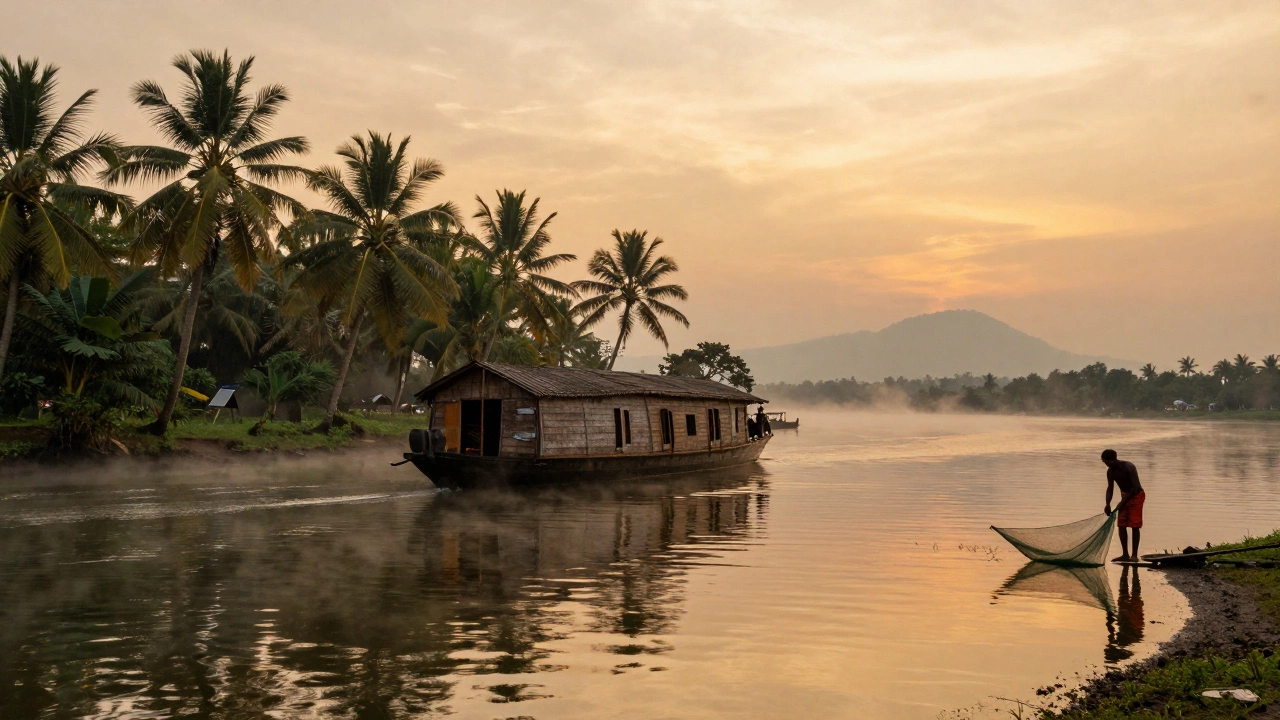
Kerala doesn’t shout. It invites. The backwaters of Alleppey aren’t just a boat ride-they’re a slow-motion painting. Houseboats glide past coconut palms that dip into water so still it mirrors the sky. In Munnar, tea plantations roll over hills like green velvet, and the mist clings to your skin like a cool towel. The beaches here aren’t packed with loud music and vendors. They’re quiet stretches of sand where fishermen mend nets and the only soundtrack is the tide.
What makes Kerala different isn’t just the scenery-it’s the pace. You don’t rush here. You breathe. Ayurvedic massages in a thatched hut, vegetarian meals served on banana leaves, the scent of cardamom and coconut oil in the air. This isn’t tourism. It’s restoration.
And the wildlife? Silent. The Periyar Tiger Reserve doesn’t offer jeep safaris with loud guides. You take a boat across the lake and watch elephants drink at the shore, untouched by noise. No crowds. No selfies. Just presence.
Tamil Nadu: Temples That Speak in Stone
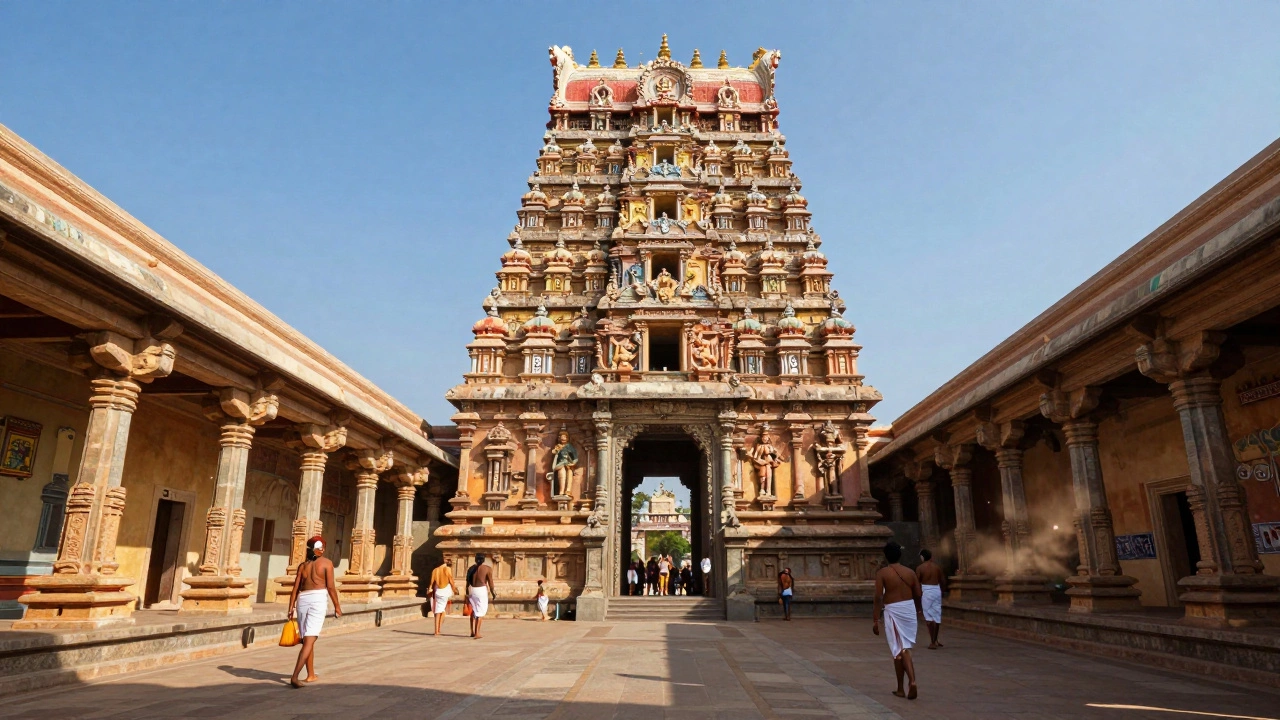
If you want to feel history in your bones, Tamil Nadu delivers. The temples here aren’t postcards-they’re living cathedrals. Madurai’s Meenakshi Amman Temple has 33,000 sculptures carved into its towers. Walk through its corridors and you’re surrounded by gods, demons, dancers, and kings frozen in stone, each with a story.
Thanjavur’s Brihadeeswarar Temple, built in 1010 AD, still stands taller than most modern skyscrapers. Its shadow doesn’t move at noon, a feat of ancient engineering no one fully understands today. The walls inside are covered in Chola-era frescoes, painted with natural pigments that still hold their color after a thousand years.
And then there’s Mahabalipuram. The Shore Temple, carved directly from granite cliffs, faces the Bay of Bengal. At sunrise, the light turns the stone gold. Tourists come, but most leave by noon. Those who stay until dusk see it differently-the temple glowing, the sea whispering, the silence heavy with time.
Karnataka: Heritage That Doesn’t Beg for Attention
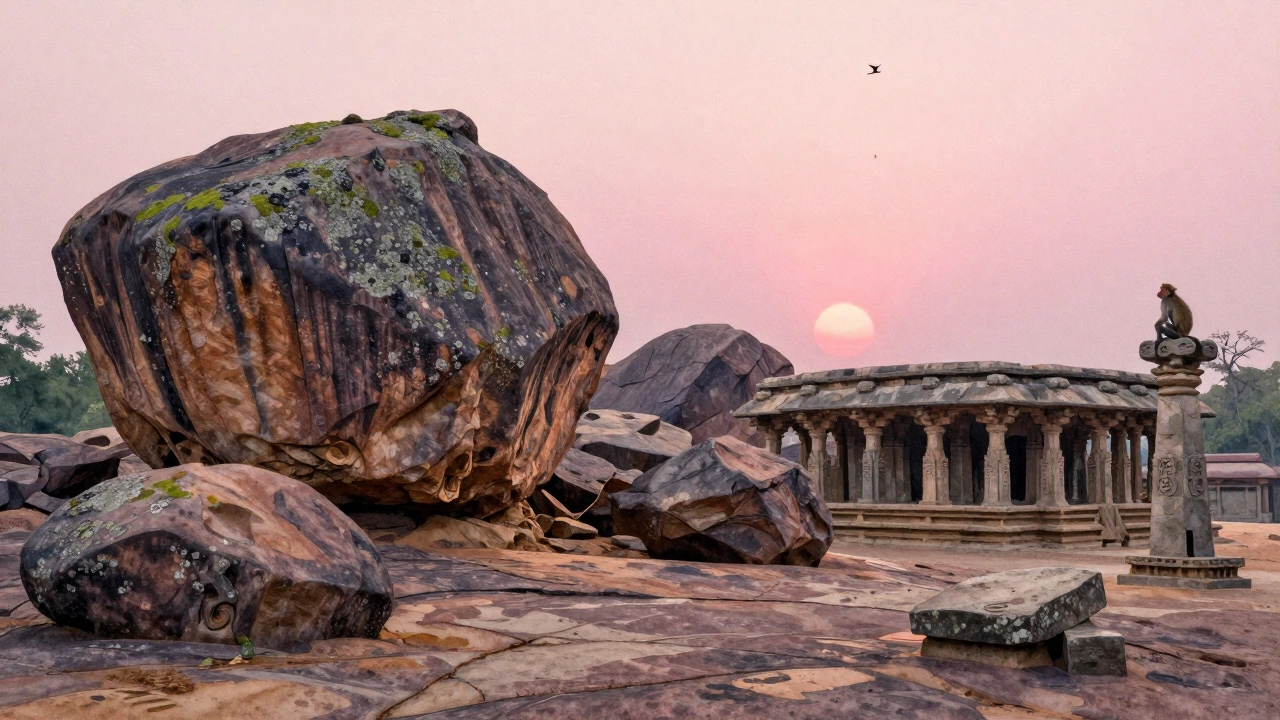
Karnataka’s beauty is hidden in plain sight. Hampi, a UNESCO site, looks like a landscape from another planet. Giant boulders, half-buried temples, ruins of palaces with arches still standing after 500 years. There’s no entry fee for most of it. You walk barefoot on ancient stone paths, past collapsed pillars and carved elephants, with no one else in sight.
Coorg, the state’s hill region, is where coffee grows wild on misty slopes. The air smells like earth and roasted beans. You stay in old plantation bungalows, drink tea brewed with cardamom from the garden, and hike trails where monkeys watch you from above. The waterfalls here aren’t labeled or fenced. You find them by following the sound of rushing water.
Mysore’s palace glows at night, lit by 96,000 bulbs. But what most miss is the quiet charm of the surrounding streets-handwoven silk saris drying in the sun, old men playing chess under banyan trees, the smell of jalebi frying in a tiny shop that’s been there since 1947.
Goa: More Than Beach Parties
Goa’s reputation as a party destination hides its soul. The real Goa is in the villages. In Aguada, you’ll find Portuguese-era churches with whitewashed walls and blue trim, standing beside fishing boats pulled up on the sand. In Fontainhas, the Latin Quarter of Panaji, houses are painted in pastel yellows, pinks, and greens. The balconies hang with laundry, not tourist souvenirs.
The beaches here aren’t all about volleyball and cocktails. Morjim and Ashwem are quiet, where locals sit under umbrellas with coconut water and children chase crabs. The food? Not just vindaloo. Try bebinca, a layered dessert made with coconut milk and egg yolks, baked in wood-fired ovens. It takes three days to make. No one rushes it.
Goa’s beauty is in its layers-colonial, Hindu, Konkani, Portuguese. You don’t see it unless you walk away from the beach clubs and into the alleys.
Andhra Pradesh and Telangana: The Quiet Contenders
Most travelers skip these states. That’s their advantage. Andhra’s coastline stretches for 974 kilometers-longer than any other state in South India. The beaches here are empty. Kakinada’s beaches have no resorts, just fishermen and salt pans. The sunsets are so vivid they look painted.
Telangana’s warangal has the Thousand Pillar Temple, a 12th-century structure with intricate carvings of gods, animals, and dancers. The stone is so finely worked you can see the folds in the robes. The nearby Bhongir Fort sits on a lone hill, reachable by a steep climb. At the top, you get a 360-degree view of the Deccan Plateau-green fields, ancient tanks, and distant temples.
Hyderabad’s Charminar is famous, but walk into the old bazaars nearby. The air smells of saffron and rosewater. You can buy hand-embroidered chikan kurtas for half the price you’d pay in Mumbai. No one’s pushing you. You just wander.
What ‘Most Beautiful’ Really Means
Beauty isn’t about who has the most Instagram likes. It’s about who makes you feel something. Kerala makes you feel calm. Tamil Nadu makes you feel small-in the best way. Karnataka makes you feel like you’ve stepped into a forgotten world. Goa makes you feel nostalgic, even if you’ve never been there before. Andhra and Telangana make you feel like you’ve discovered something no one else knows.
There’s no ranking. No official list. The most beautiful state is the one that matches your mood that day. If you need peace, go to Kerala. If you need awe, go to Tamil Nadu. If you want to get lost in history, go to Karnataka. If you want to feel like you’ve found a secret, go to Andhra or Telangana. Goa? Go there when you want to remember that beauty doesn’t always need to be loud.
What to Pack, Where to Stay, How to Move
- For Kerala: Light cotton clothes, waterproof sandals, a rain jacket (monsoon hits hard). Stay in a homestay in Kumarakom or Varkala. Use local ferries, not taxis.
- For Tamil Nadu: Comfortable walking shoes. Temple visits require modest dress-cover shoulders and knees. Book a heritage hotel in Madurai or Thanjavur.
- For Karnataka: Hiking boots for Hampi and Coorg. Carry water. Stay in a heritage homestay in Mysore or a plantation bungalow in Coorg.
- For Goa: Swimwear, but also a shawl for church visits. Stay in a heritage guesthouse in Fontainhas, not in Baga.
- For Andhra/Telangana: Sunscreen, hat, and a good book. Public transport is slow but cheap. Hire a local driver for day trips to temples.
Don’t rent a car. The roads are narrow, the traffic unpredictable. Use trains. South India’s rail network is one of the best in the country. Overnight trains from Bengaluru to Mysore, from Chennai to Madurai-they’re cheap, safe, and let you wake up in a new world.
When to Go
October to March is the sweet spot. The monsoon ends by September. The heat hasn’t returned by April. Temperatures hover between 20°C and 30°C. In Kerala, November to February is perfect for backwaters. In Tamil Nadu, December to February is temple season-cool, dry, and clear.
Avoid May to July. It’s hot. Humid. And in places like Hyderabad, the heat hits 45°C. Not the time to climb forts or walk through ancient courtyards.
Final Thought: Beauty Is a Feeling, Not a Place
You won’t find the most beautiful state by checking boxes. You’ll find it by sitting on a temple step at dusk, watching the light fade. By sharing a meal with a stranger who speaks no English but smiles anyway. By getting lost in a village lane and finding a shop selling fresh mangoes for 20 rupees.
South India doesn’t reveal itself to tourists. It reveals itself to travelers. And that’s the difference.
Is Kerala really the most beautiful state in South India?
Kerala is often called the most beautiful because of its backwaters, lush hills, and calm vibe. But beauty isn’t a competition. Tamil Nadu has ancient temples that have stood for over a thousand years. Karnataka has ruins that feel like another world. Goa has quiet beaches most tourists never see. Each state offers a different kind of beauty. The one that stays with you is the one you connect with.
What’s the best time to visit South India?
October to March is ideal. The weather is dry and pleasant, with temperatures between 20°C and 30°C. Monsoon season runs June to September and can make travel difficult, especially in hilly areas. May to July is very hot, with temperatures hitting 40°C+ in places like Hyderabad and Bengaluru.
Can I visit multiple South Indian states in one trip?
Yes, and it’s one of the best ways to experience the region. A 10- to 14-day trip can easily cover Kerala, Tamil Nadu, and Karnataka. Take overnight trains between cities-like Bengaluru to Mysore, or Chennai to Madurai. You’ll save time and see the countryside. Goa is a bit farther but doable as a side trip. Andhra and Telangana are best explored separately if you have more time.
Are South Indian states safe for solo travelers?
Yes, especially for women. South India is one of the safest regions in the country. People are generally respectful, and public transport is reliable. In temples and villages, dress modestly and ask before taking photos. Most locals are happy to help if you’re lost or need directions. Avoid isolated areas after dark, as you would anywhere.
What’s the most underrated destination in South India?
Kodachadri in Karnataka. It’s a hidden trekking spot with waterfalls, ancient Shiva temples, and zero crowds. Or the village of Kumbakonam in Tamil Nadu, where you can watch traditional temple rituals and eat the best dosas in the country-made by the same family for six generations. Neither is on any tourist map, but both leave a mark.