Find Your Perfect Hiking Capital
Not sure which Indian hiking destination suits your needs? Answer three quick questions to find the perfect trail base.
Recommendation:
Why this works:
Pack Essentials:
The truth about India’s hiking landscape
You might expect a single town name as the official answer, but geography doesn’t work that way. There is no government-designated Hiking Capital of India defined in statute books. Instead, you get a fierce competition between four main regions, each dominating a different style of walking. Your choice depends entirely on whether you crave high-altitude snow or lush green valleys.
If you want the high mountains, the northern side wins. If you prefer lower elevation trails with tea plantations and wildlife, the south takes the lead. Most guidebooks point toward Manalia popular hill station in Himachal Pradesh known for mountain treks as the default choice, yet seasoned locals argue for Munnara misty region in Kerala famous for rolling hills during the monsoon. We break down the contenders below so you can pick your own capital.
Manali and the Northern Circuit
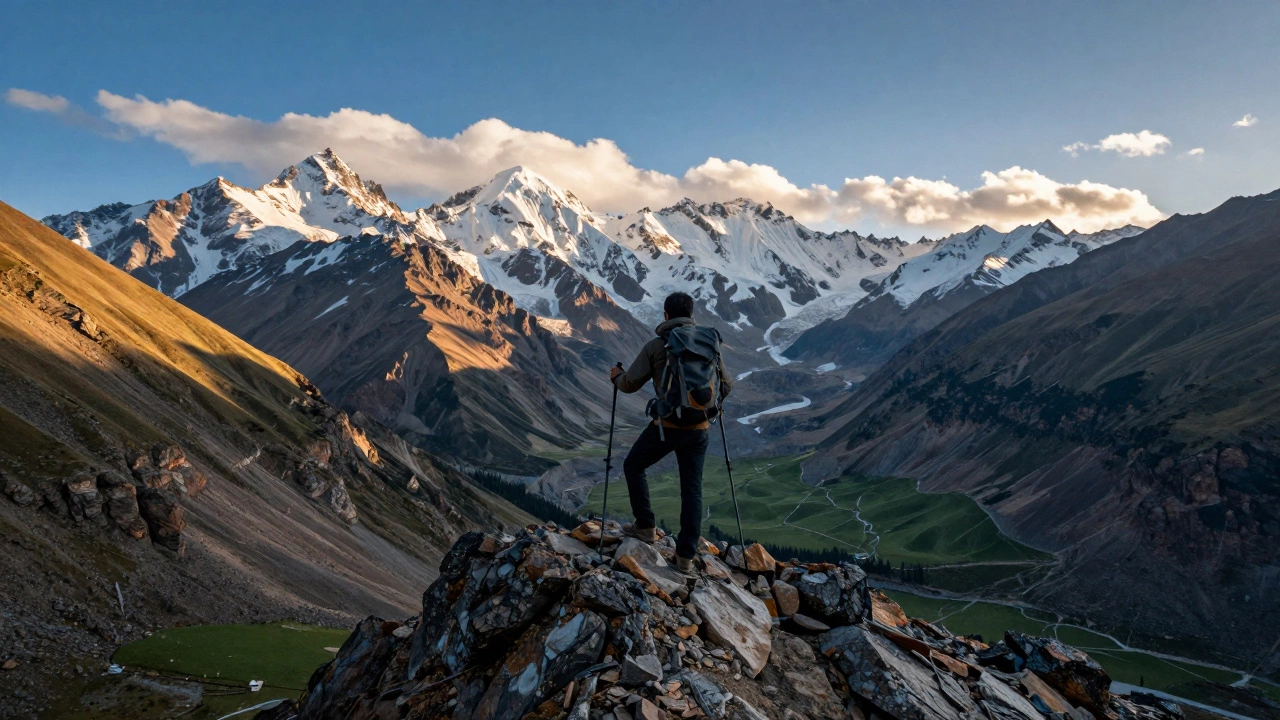
Manali sits in the Kullu Valley and acts as the gateway to the Greater Himalayas. When people ask where to go for serious trekking, this is usually the first recommendation. The infrastructure here supports adventurers well. You have access to certified guides, rental gear, and transport to base camps without needing private vehicles for everything.
The real draw is the variety of Himalayan Treksmountain walking routes in the Himalaya range. Beginners start with the Solang Valley walk, which offers panoramic views of snow-capped peaks even in spring. More experienced hikers head deeper into the Beas Basin. A classic example is the Hampta Pass trek. This route moves from the green meadows of Jogini to the rocky landscapes of the Lahaul valley. The distance spans roughly 40 kilometers over five days.
You also find proximity to national parks. Great Himalayan National Park sits just west of town. Here, tracking brown bears and ibex becomes part of the hike. Unlike other regions, Manali allows you to mix urban comfort with remote wilderness. You can eat at a cafe in Mall Road in the morning and camp under the stars by midnight. During the winter months, snow transforms these paths into ski touring zones, keeping the destination active year-round.
Munnar and the Southern Greens
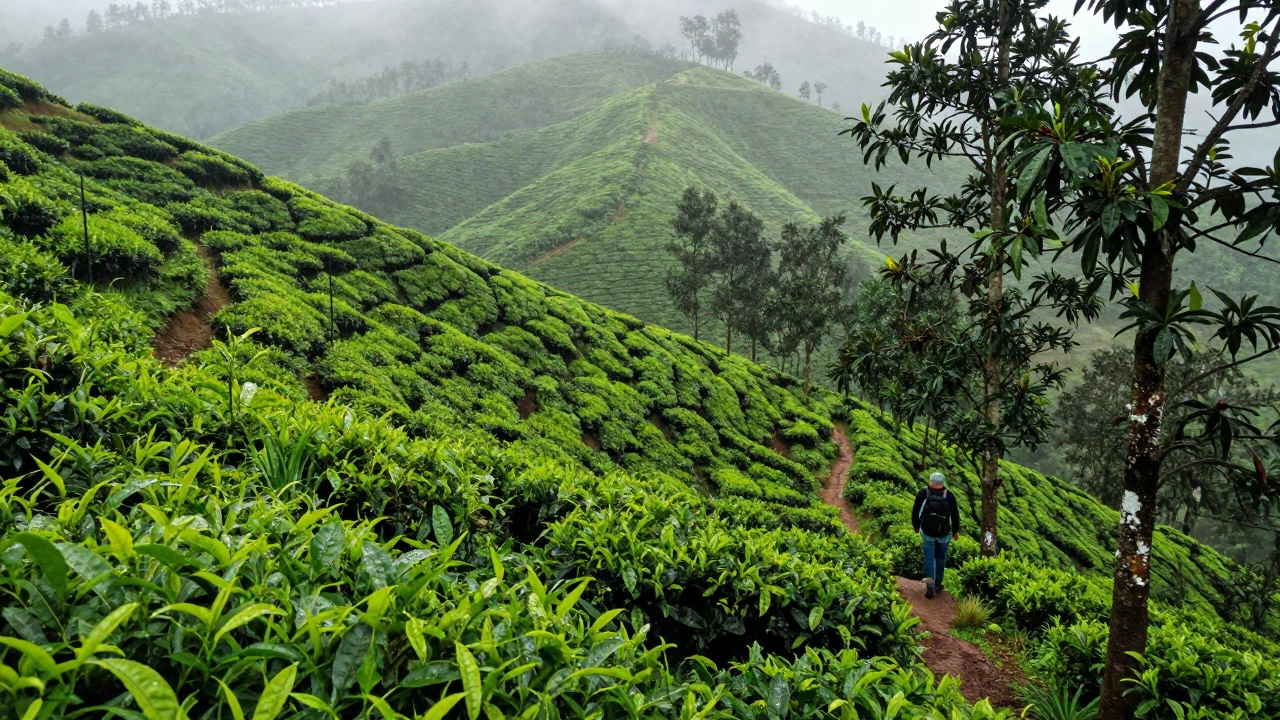
Sometimes the goal is finding solace in vegetation rather than conquering altitude. In the southern state of Kerala, Munnar serves as the premier base. The terrain here belongs to the Nilgiri Hillsa mountain range extending across Karnataka, Kerala, and Tamil Nadu, offering gentle undulations covered in shade trees. While it lacks the vertical gain of the north, the biodiversity compensates significantly.
Trekkers here walk through historic spice estates. Trails wind through cardamom and pepper plants, offering sensory experiences distinct from the dry pine of the north. Popular routes include the Eco Park trek, which passes through Eravikulam National Park boundaries. This spot is crucial for seeing the Nilgiri Thar, an endangered species found nowhere else on earth. Walking tracks here are generally maintained by forest departments, ensuring safety and minimizing pathfinding stress.
Accessibility remains a major plus. You can reach the train station in Kochi and transfer via bus without needing a car. This makes the southern circuit viable for solo travelers who cannot manage vehicle logistics in the mountains. The climate stays mild throughout the year, though the post-monsoon season from July to September brings the richest greenery. Water availability is consistent along these trails, reducing the weight of your pack.
Gangtok and the Eastern Edge
Sikkim holds the crown for those seeking rugged isolation. Gangtokthe capital city of Sikkim located in the eastern Himalayas functions as the launchpad for the eastern frontier. The trails emerging from here lead directly into conservation areas managed by the state tourism department.
The Dzongri Summit trail defines this region. It climbs rapidly to 4000 meters above sea level. Views of Mount Kanchenjunga dominate the skyline. The path cuts through rhododense forests, particularly vibrant during spring when red flowers bloom. Unlike Manali, you encounter fewer crowds here. Permits for foreign tourists require special permissions due to border security, adding a layer of complexity but also a sense of exclusivity.
Cultural interaction forms a huge part of the Gangtok experience. Monasteries dot the landscape alongside camping grounds. Local communities practice Buddhism, and many hikers stay with homestays that support village economies. This social connection adds depth to the physical journey. Winter conditions bring heavy snowfall to upper camps, closing some trails until May.
Rishikesh and the Ganges Frontier
We often forget the foothills when discussing capitals. Rishikesh in Uttarakhand anchors the pilgrimage and adventure axis. While famous for yoga, the surrounding Siwalik ranges offer intense technical hiking. Uttarakhanda state in northern India known for its mountains and rivers provides the backdrop for river-valley exploration.
The Kedarnath Trailan ancient religious route leading to the Kedarnath Temple remains iconic. Even non-pilgrims appreciate the geology of the Char Dham route. The elevation change is substantial, starting from low-lying plains and ending above 3,500 meters. Rock scrambling is common on steeper sections. Summer and early autumn provide the safest window for navigation before monsoon landslides shift debris flows.
Access to the base camp involves long road trips or helicopter services. Transport reliability fluctuates during peak seasons. However, the energy of the town compensates for the hassle. Adventure sports shops line the streets, selling equipment locally. The mix of spirituality and adrenaline makes this destination unique among the others.
Choosing your base camp strategy
Selecting the right spot requires aligning with your skill level and time of year. If you visit in December or January, avoid high-altitude passes unless you plan for skiing. Stick to lower elevation trails in Rishikesh or Munnar. Spring months, from March to May, open up all circuits simultaneously.
Budget plays a role too. Northern destinations like Manali have seen price inflation due to popularity. Accommodation costs double during festival weeks. Southern spots remain slightly more affordable for lodging, though transport to distant camps adds up. Always check for cancellation policies when booking lodges.
| Region | Altitude Range | Best Season | Difficulty Level | Key Feature |
|---|---|---|---|---|
| Manali | 1,500m - 4,000m | April - October | Moderate to Hard | Snow Peaks |
| Munnar | 1,000m - 2,500m | July - February | Easy to Moderate | Tea Gardens |
| Gangtok | 2,000m - 4,500m | May - November | Moderate | Isolated Views |
| Rishikesh | 350m - 3,600m | September - November | Hard | Temple Pilgrimage |
Safety protocols differ by zone. North Indian treks often require inner line permits issued by district authorities. Always carry identification and registered documents. Registering with local police stations upon arrival is mandatory in many sensitive border areas. This step prevents detention issues later.
Group sizes impact the permit cost. Solo travelers sometimes find higher fees per person on commercial treks. Organizing a group of four often unlocks discounted rates for guides and porters. Hiring a local guide enhances cultural understanding and safety margins in case of medical emergencies.
Packing essentials for Indian treks
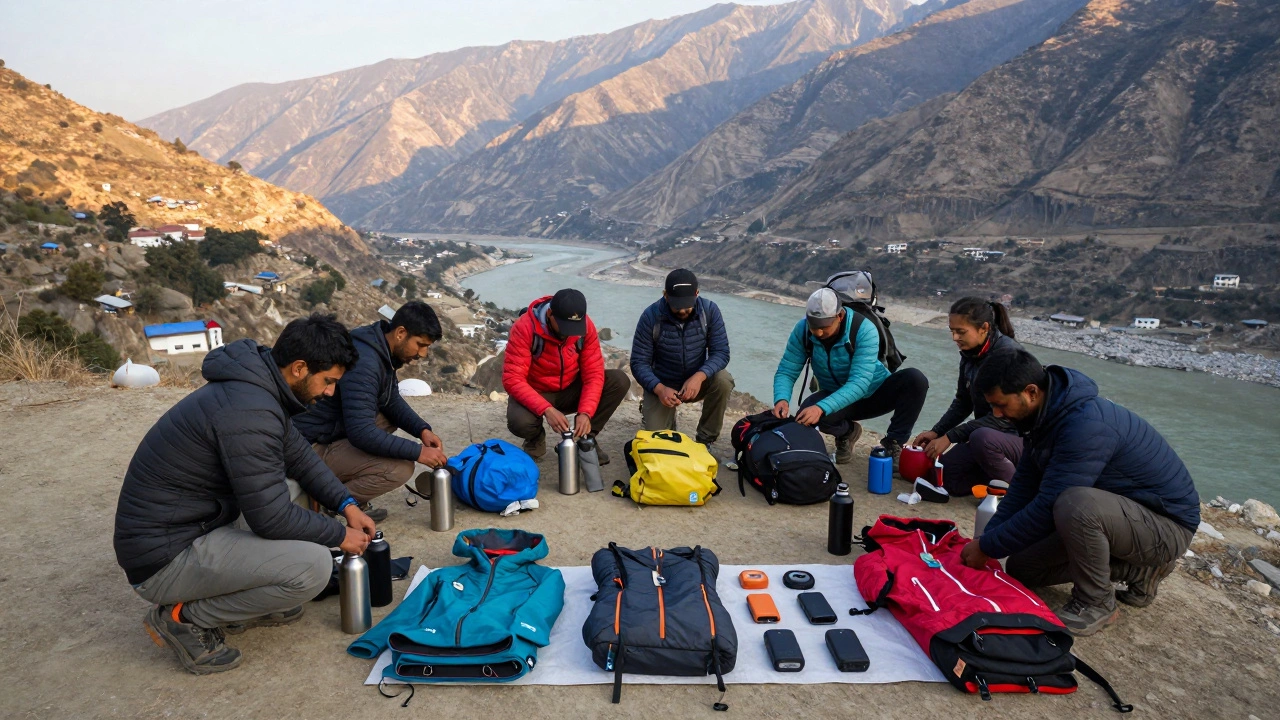
Your gear list changes based on the destination. For the north, insulation layers matter more. Down jackets retain heat efficiently when temperatures drop below zero. You need waterproof outer shells because sudden cloudbursts happen in mountain gaps. Trekking poles reduce knee strain on steep descents.
In the south, rain protection dominates the kit. Breathable fabrics prevent overheating in humid air. Sunscreen proves vital due to high UV index at elevation. Reusable water bottles help maintain hydration since refilling stations exist at villages along major routes. Power banks keep communication devices alive where signal networks fail.
Leave waste behind rules apply strictly. Plastic disposal is monitored closely now. Take out whatever you put in. Local rangers confiscate trash left on trails. Following Leave No Trace principles protects future visitors.
Frequently Asked Questions
Is there an official hiking capital of India?
No, the Indian government does not designate a specific city as the official hiking capital. Various regions claim the title based on their unique terrain and infrastructure capabilities.
What is the best month to visit Manali for trekking?
May through September offers the safest weather windows. Winter months see snow blocking high-altitude passes unless you are equipped for mountaineering.
Do I need permits for Munnar treks?
Most general walking paths do not require special permits, but entry into national parks like Eravikulam requires a ticket purchased at the entrance gate.
Can foreign nationals trek in Sikkim freely?
Foreigners need a Protected Area Permit (PAP) to enter most parts of Sikkim, including Gangtok. Local agencies can assist in procuring these documents electronically.
Which destination is safer for beginners?
Munnar offers gentler gradients and stable weather patterns compared to the volatile conditions found in the Himalayan treks of Manali or Rishikesh.