UNESCO Heritage Trip Planner
Select the heritage sites you are interested in visiting to generate a personalized itinerary with practical tips.
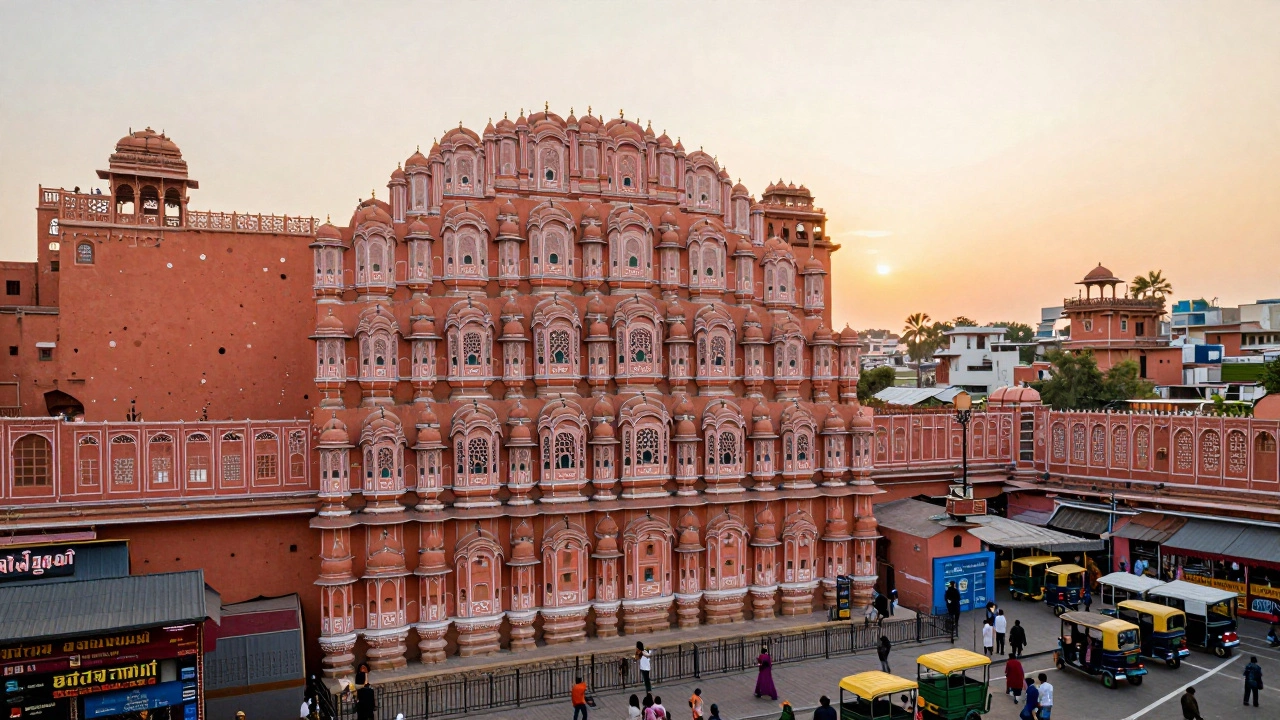
Jaipur
The Pink City. Planned urban layout and Rajput architecture.
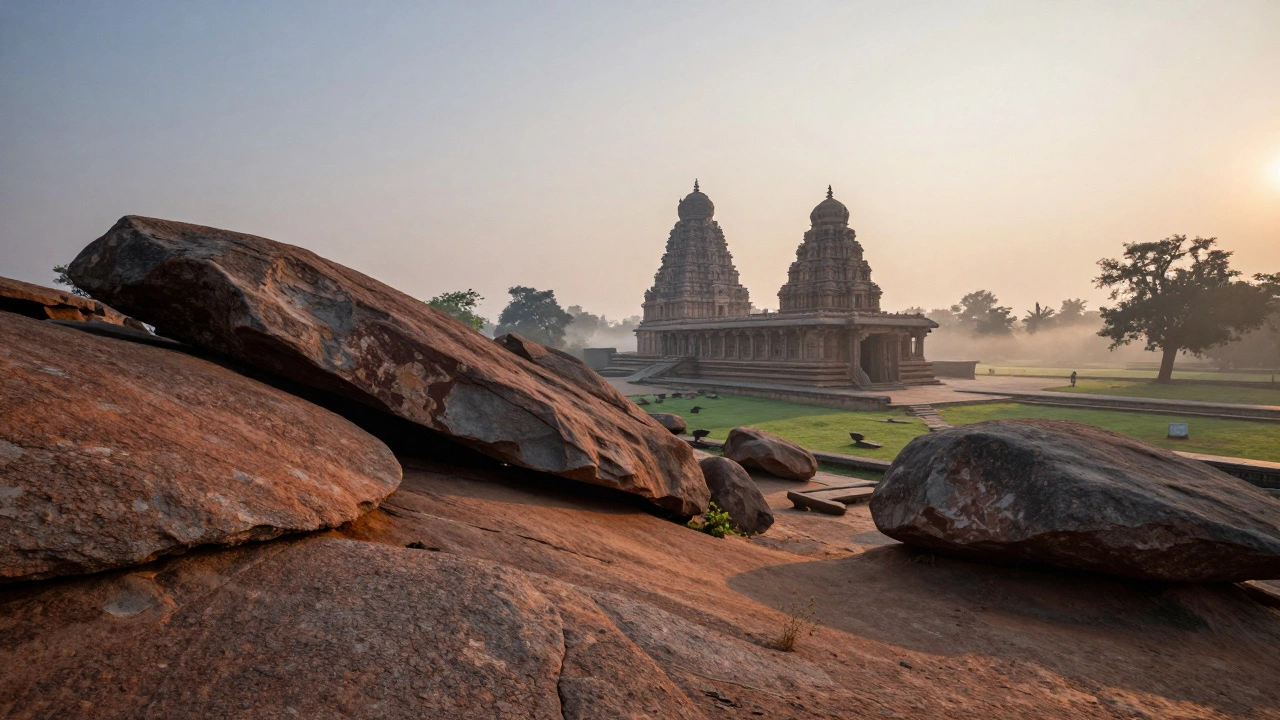
Hampi
Vijayanagara ruins. Boulder-strewn landscape and trekking.
Agra
Taj Mahal & Fort. Mughal legacy and romance.
Khajuraho
Temple group famous for intricate erotic sculptures.
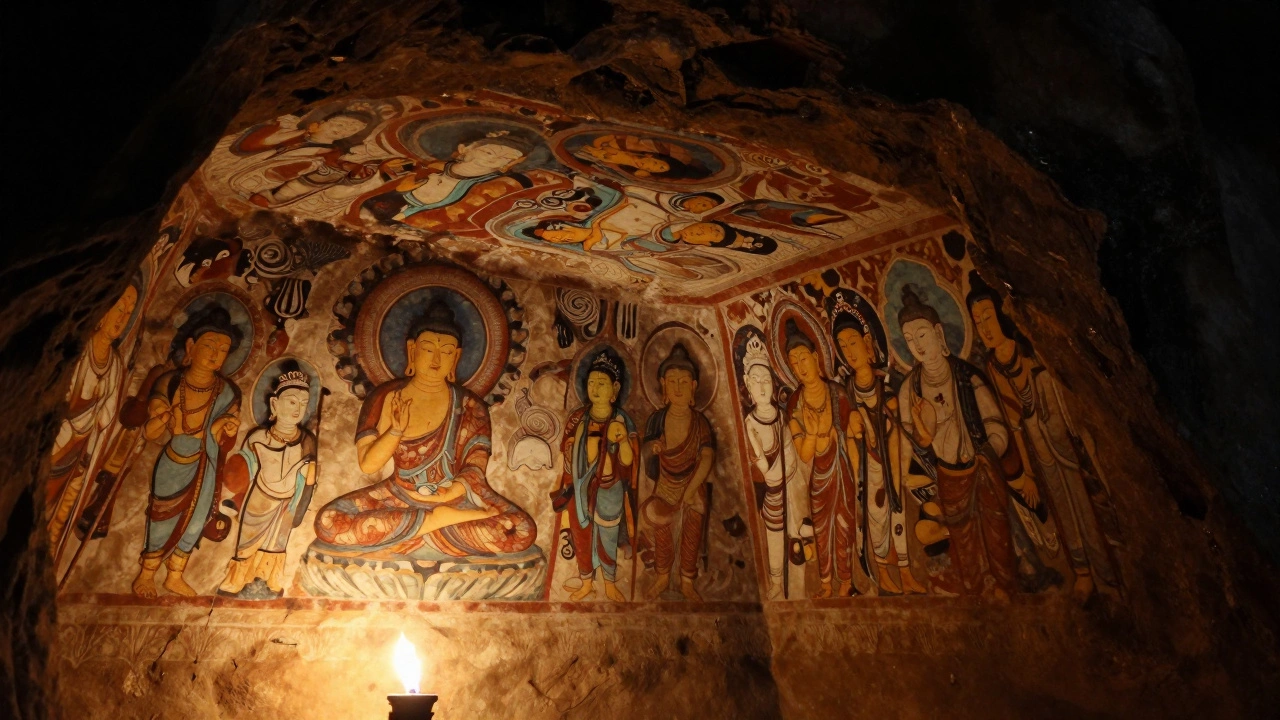
Ajanta & Ellora
Cave complexes featuring rock-cut art and spirituality.
Fatehpur Sikri
The ghost city. Pristine Mughal architecture near Agra.
Your Customized Plan
There is a common misconception that only one city in India holds the title of a World Heritage Site. In reality, the answer is much more complex and fascinating. No single modern metropolis like Mumbai or Delhi is listed as a standalone site. Instead, specific historical zones, ancient ruins, and entire old cities across India are recognized by UNESCO for their outstanding universal value.
When people ask which city is known as a World Heritage Site, they are usually referring to places where the urban fabric itself tells a story of human history, architecture, and culture that transcends borders. From the pink-washed streets of Rajasthan to the temple complexes of Tamil Nadu, these locations offer a window into civilizations that shaped the subcontinent.
The Old Cities: Urban Heritage Recognized Globally
Some parts of India are so historically significant that the entire old city layout has been preserved and protected. These aren't just isolated monuments; they are living cities where heritage defines daily life.
Jaipur, the capital of Rajasthan, is often the first name that comes to mind. Known as the "Pink City," it was planned in 1727 by Maharaja Sawai Jai Singh II. It is unique because it is one of the few planned cities in India from that era. The old city area, with its distinct grid pattern, royal palaces, and observatories, was inscribed as a World Heritage Site in 2019. Walking through Jaipur feels like stepping into a textbook on Rajput architecture, yet it remains a bustling commercial hub.
Then there is Agra. While famous globally for the Taj Mahal, the Agra Fort and the Taj Mahal itself are separate entries on the list. Agra’s significance lies in its Mughal legacy. The fort, built by Akbar in red sandstone, showcases the transition from Hindu to Islamic architectural styles. It is not the whole city, but this specific zone anchors India's identity in global heritage tourism.
In the south, Mahabalipuram (also known as Mamallapuram) offers a different kind of urban heritage. Located near Chennai, this town is essentially an open-air museum of rock-cut temples from the Pallava dynasty in the 7th and 8th centuries. The Shore Temple and the Pancha Rathas demonstrate early Dravidian architecture. Unlike Jaipur, Mahabalipuram is less about city planning and more about the concentration of artistic mastery in stone.
Ancient Ruins That Define a Region
Sometimes, the "city" is no longer inhabited in the traditional sense. These are archaeological sites where the remnants of a once-great civilization remain. Visiting these places requires imagining the past over the present landscape.
Hampi is perhaps the most dramatic example. Once the capital of the Vijayanagara Empire, this site in Karnataka is a sprawling ruin of temples, markets, and royal quarters. Inscribed in 1986, it is not a functioning city but a vast archaeological park. The boulder-strewn landscape around the Virupaksha Temple creates a surreal atmosphere that few other heritage sites can match. It represents the zenith of South Indian imperial power before the fall in 1565.
Similarly, Fatehpur Sikri near Agra is a ghost city. Built by Emperor Akbar in the late 16th century, it served as the Mughal capital for only about 14 years before being abandoned due to water scarcity. Today, it stands as a pristine example of Mughal architecture, blending Persian, Hindu, and Islamic styles. Because it was abandoned so quickly, it retains a completeness that other active cities lack.
Temple Towns and Sacred Geography
In India, religion and urban development have always been intertwined. Several cities are defined by their temple complexes, which are recognized for their engineering and spiritual significance.
Bhubaneswar, the capital of Odisha, is known as the "Temple City of India." Its heritage status comes from the cluster of ancient temples, including the Lingaraja Temple. The city's skyline is dominated by shikharas (spires), reflecting centuries of continuous religious patronage. The heritage listing acknowledges the city's role in developing the Kalinga style of temple architecture.
In Kerala, Thiruvananthapuram (Trivandrum) isn't listed as a whole, but the nearby Sree Padmanabhaswamy Temple is a cultural anchor. However, when looking at UNESCO lists, we must look further north to Khajuraho in Madhya Pradesh. Famous for its erotic sculptures, the Khajuraho Group of Monuments represents the Chandela dynasty's wealth and artistic freedom in the 10th and 11th centuries. It challenges Western stereotypes about Indian art and history, showcasing a sophisticated understanding of human form and devotion.
Caves and Natural-Historical Hybrids
Not all heritage sites are built structures. Some are natural formations modified by humans, creating a unique blend of geology and history.
Ajanta and Ellora Caves in Maharashtra are masterpieces of Buddhist, Hindu, and Jain cave architecture. Carved directly into volcanic rock, these sites date back to the 2nd century BCE. Ajanta is renowned for its paintings, which influenced later Asian art, while Ellora features the Kailasa Temple, carved from a single rock face top-down. These sites prove that Indian heritage is not just about standing buildings but also about subtractive sculpture-creating art by removing material.
Comparison of Major Heritage Cities
| Site/City | Type | Year Inscribed | Key Feature | Best For |
|---|---|---|---|---|
| Jaipur | Urban Plan | 2019 | Pink City Layout | Architecture & Shopping |
| Hampi | Archaeological Ruin | 1986 | Vijayanagara Empire | History & Trekking |
| Agra | Monument Zone | 1983 | Taj Mahal & Fort | Romance & Photography |
| Khajuraho | Temple Group | 1986 | Erotic Sculptures | Art & Culture |
| Ajanta/Ellora | Cave Complex | 1983 | Rock-Cut Art | Art History & Spirituality |
Why This Distinction Matters for Travelers
Understanding that these are specific zones rather than entire modern cities helps you plan better. If you visit Jaipur, you can stay in a luxury hotel in the new city and take an auto-rickshaw to the heritage zone. If you visit Hampi, you need to stay within the archaeological park to fully experience the ruins at sunrise and sunset.
The designation also implies protection. These sites have strict regulations against construction and pollution. As a traveler, your presence supports conservation efforts, but it also requires respect. You cannot build near the Taj Mahal or alter the layout of Fatehpur Sikri. This preservation ensures that future generations can see what we see today.
Practical Tips for Visiting Heritage Zones
- Timing is everything: Visit Jaipur early in the morning to avoid heat and crowds in the old city. Hampi is best explored on a bicycle between 6 AM and 9 AM.
- Guides add depth: In places like Ellora Caves, a guide explains the mythological stories behind the carvings. Without context, they are just rocks.
- Respect local customs: Many heritage sites are active places of worship. Dress modestly and ask permission before photographing rituals.
- Combine with nature: Hampi and Ajanta are surrounded by rugged landscapes. Plan time for trekking or boat rides on the Tungabhadra River.
Emerging Sites and Future Listings
India has several tentative sites waiting for full inscription. Places like the Chola Temples (already partially listed) and the Western Ghats (natural heritage) show the diversity of India's claim. The Red Fort in Delhi is part of the "Red Fort Complex" listing, linking the capital to this global network. Keep an eye on news from UNESCO, as new sites are added every two years during the General Conference.
Is Delhi a UNESCO World Heritage Site?
No, Delhi as a whole city is not a World Heritage Site. However, specific monuments within Delhi, such as the Red Fort Complex and Qutub Minar, are individually listed. The distinction is important because heritage status applies to specific structures or zones, not entire metropolitan areas.
Which is the oldest World Heritage Site in India?
The Ajanta Caves, Elephanta Caves, and Mahabalipuram were among the first sites inscribed in 1983. Among these, the Ajanta Caves contain structures dating back to the 2nd century BCE, making them one of the oldest surviving examples of Indian art and architecture on the list.
Can I stay inside the heritage zone in Jaipur?
Yes, many heritage hotels and havelis (mansions) are located within the old city of Jaipur. Staying inside allows you to experience the narrow lanes and local culture up close, though traffic can be congested. Ensure your accommodation complies with local heritage conservation guidelines.
What is the difference between a National Monument and a World Heritage Site?
A National Monument is protected under Indian law (Ancient Monuments and Archaeological Sites and Remains Act). A World Heritage Site is designated by UNESCO for its global significance. All World Heritage Sites in India are also national monuments, but not all national monuments are World Heritage Sites. The latter carries international recognition and funding opportunities.
Are there any natural World Heritage Sites in India?
Yes, India has several natural heritage sites, including the Western Ghats, Sundarbans National Park, and Kaziranga National Park. These are distinct from cultural heritage sites like cities and temples, focusing instead on biodiversity and ecological processes.