Wildlife Sanctuaries in India: Where Nature Comes Alive
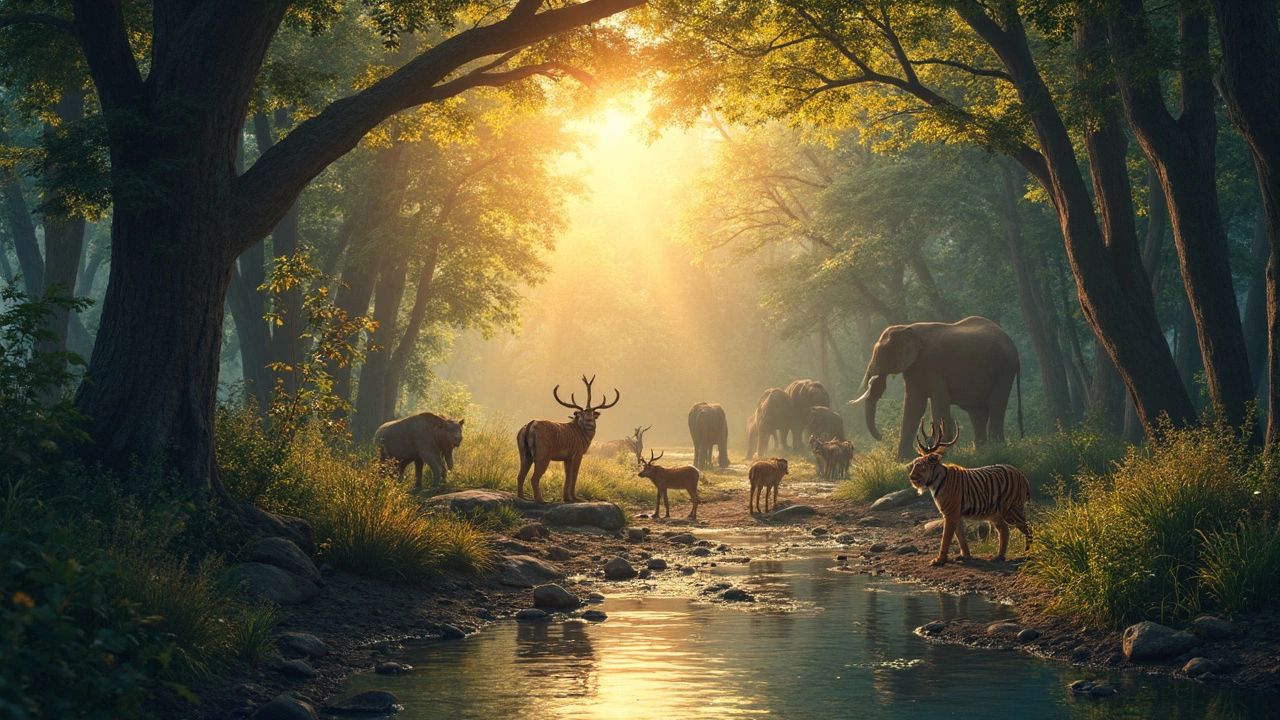
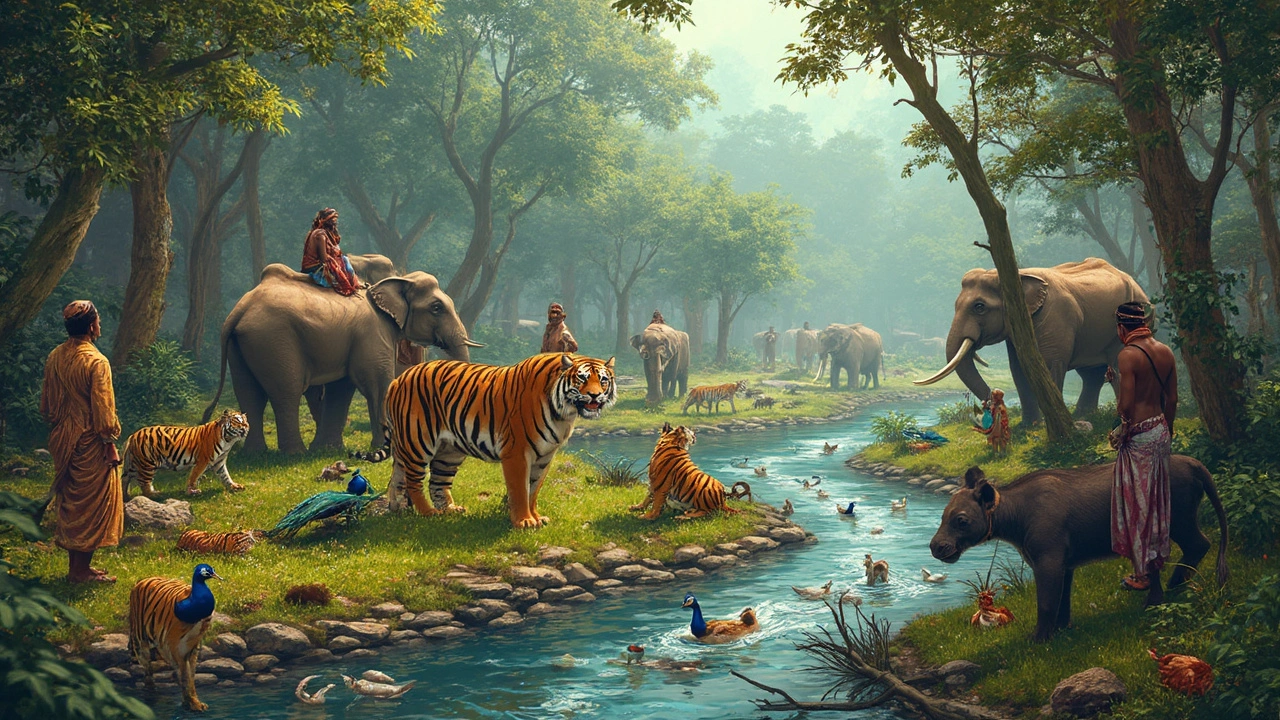
When you think of wildlife sanctuaries, protected natural areas in India where wild animals live without human interference. Also known as wildlife reserves, these spaces are the last strongholds for species like tigers, leopards, and one-horned rhinos. India doesn’t just have wildlife—it has entire ecosystems preserved because people chose to protect them. These aren’t just parks with fences. They’re living, breathing worlds where elephants walk the same paths their ancestors did, where tigers hunt at dusk, and where birds you’ve only seen in books fly overhead.
What makes these sanctuaries special isn’t just the animals—it’s how they connect to the land. Places like Jim Corbett National Park, India’s oldest wildlife sanctuary, established in 1936 to protect Bengal tigers, or Kaziranga National Park, home to two-thirds of the world’s wild one-horned rhinos, aren’t just tourist spots. They’re survival stories. Many of these areas were saved from logging, poaching, or farming because local communities and conservationists stood up. And today, they’re the backbone of responsible tourism in India. You won’t find crowds here like at the Taj Mahal. Instead, you’ll find silence broken only by a deer stepping through grass or a peacock calling at dawn.
These sanctuaries also tie into how you experience India’s wilderness. If you’ve ever stayed at a jungle camp, you’ve likely been near one. Many of the best nature retreats on this site sit right on the edge of protected zones—giving you access to real wildlife without disturbing it. The same guides who lead treks in the Himalayas also know the trails inside sanctuaries. The same people who teach you safe food habits in India also know how to spot tiger tracks or identify bird calls. This isn’t just about seeing animals. It’s about understanding how they fit into the land, the culture, and the future of India’s wild places.
Below, you’ll find real stories from travelers who’ve tracked leopards in Madhya Pradesh, slept under stars near leopard reserves, and learned why some sanctuaries are better visited in winter than summer. You’ll see how a single visit can change how you think about conservation—not as a policy, but as a living, daily choice.
Explore the ethics of wildlife sanctuaries in 2026. Learn to distinguish true conservation centers from exploitative zoos and make responsible travel choices.
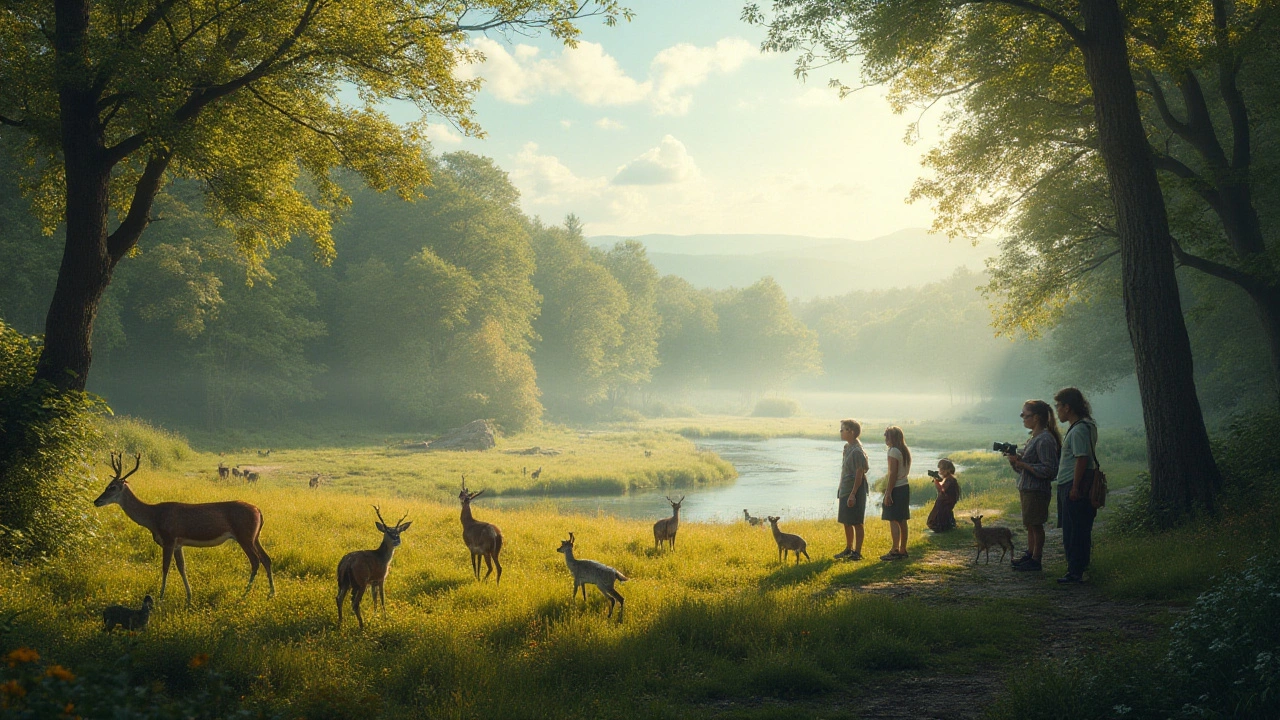
Wildlife sanctuaries are often seen as safe havens for animals, but the reality can be more complex. While they provide protection from poachers and habitat destruction, sanctuaries face challenges like limited resources and human-wildlife conflict. Conservation efforts within these areas play a crucial role in maintaining animal safety. Understanding the dynamics within sanctuaries helps ensure they remain a refuge for threatened species.
Wildlife sanctuaries play a vital role in conserving biodiversity and protecting endangered species. They provide a safe haven for animals, allowing them to live free from the threats of poaching and habitat destruction. Besides being a refuge, these sanctuaries educate the public and promote conservation efforts. However, some argue that they can inadvertently limit the natural behaviors of animals. Are these sanctuaries truly beneficial, or do they have hidden downsides?
Wildlife sanctuaries are not only safe havens for animals but also complex operations that require strong financial backing to thrive. This article explores how these sanctuaries generate revenue, including donations, admissions, and sustainable tourism. Readers will discover surprising ways in which sanctuaries manage their funds and the unique balance they maintain between profit and protection. Dive into the fascinating intersection of conservation and commerce.
Animal sanctuaries often promise a safe haven for rescued wildlife, but behind the scenes, challenges lurk. From insufficient funding leading to inadequate care, to cramped spaces impacting animal well-being, the cons are real. The focus sometimes shifts from rescue to profit, raising ethical questions. Understanding these downsides can help animal enthusiasts and potential donors make informed choices.
Wildlife sanctuaries are essential for preserving biodiversity, providing safe habitats for various species. Among the United States, one state stands out for having the most wildlife sanctuaries. In this article, we explore which state takes the lead, delve into the reasons behind this, and share tips on visiting these natural refuges. Understanding the state's dedication to wildlife conservation can inspire more efforts nationwide.