UNESCO Sites India: Explore India's Top World Heritage Locations
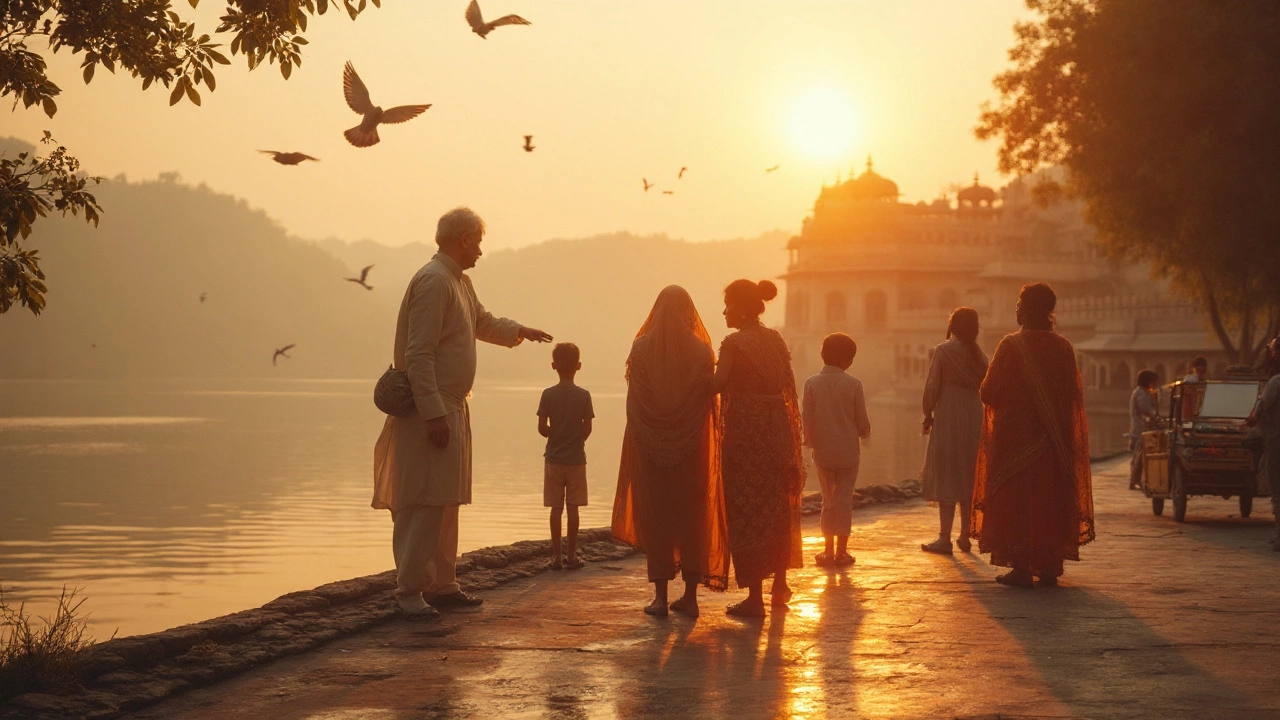
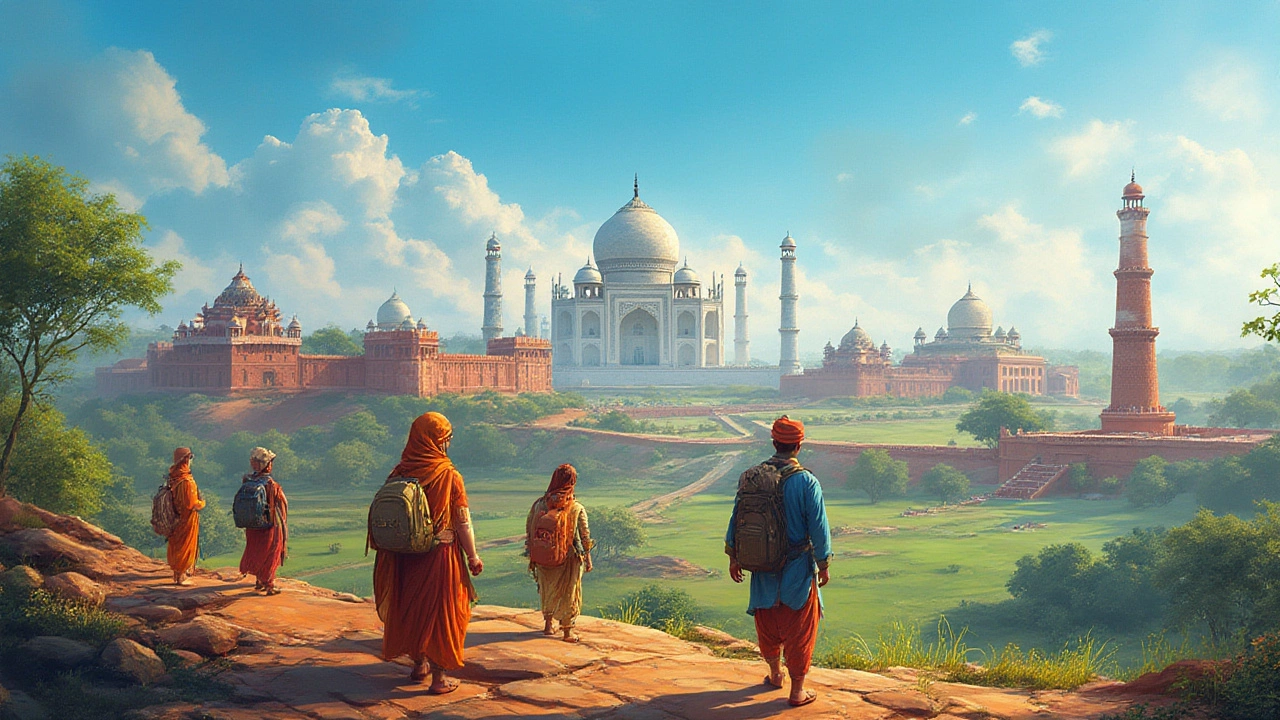
When you think of UNESCO sites India, officially recognized cultural and natural treasures protected by the United Nations for their global importance. Also known as World Heritage Sites India, these places aren’t just postcard views—they’re living history, sacred spaces, and ecological wonders that tell the story of who we are. India holds 43 of them as of 2025, more than any country in South Asia. From the marble grandeur of the Taj Mahal, a 17th-century mausoleum in Agra built as a symbol of love and architectural mastery to the ancient stepped water systems of Chand Baori, a massive stepwell in Rajasthan built over 1,200 years ago, these sites aren’t frozen in time. They’re active parts of daily life—for pilgrims, locals, and travelers who know how to respect them.
What makes these sites different from regular tourist spots? They’re protected not just for their beauty, but for their meaning. The Ellora Caves, a complex of 34 rock-cut temples and monasteries carved out of a cliff face between the 6th and 10th centuries, show how Hindu, Buddhist, and Jain traditions lived side by side. The Great Himalayan Trail, a 4,500-kilometer trek that cuts through India’s most remote mountain regions, isn’t listed as a UNESCO site itself—but it connects to several protected zones, like the Nanda Devi National Park, a high-altitude sanctuary for snow leopards and rare alpine plants. These aren’t random spots. They’re part of a larger network of nature and culture that UNESCO works to preserve. And that means how you visit matters. A temple visit isn’t just about photos—it’s about knowing when to remove your shoes, what to wear, and when to stay quiet. A jungle camp near a heritage site isn’t just about camping—it’s about understanding how tourism affects local ecosystems and communities.
You’ll find posts here that break down the full list of UNESCO sites in India, explain why some places like Nagpur are called the heart of the country, and give you real tips on how to visit them without crowds, without disrespect, and without getting sick from street food. Whether you’re planning a pilgrimage to the stepwells of Gujarat, a trek through the Himalayan forests, or a quiet morning at the ruins of Hampi, this collection gives you the facts you need—not the fluff. No guesswork. Just clear, practical info to help you see India’s heritage the way it was meant to be seen: with care, curiosity, and connection.
Rajasthan is the top state for cultural tourism-forts, palaces, festivals. See close contenders, a comparison table, sample itineraries, and smart planning tips for 2025.
Curious about which Indian state boasts the most UNESCO heritage sites? Dive into the stats, unique stories, and travel tips for exploring India's rich cultural history.