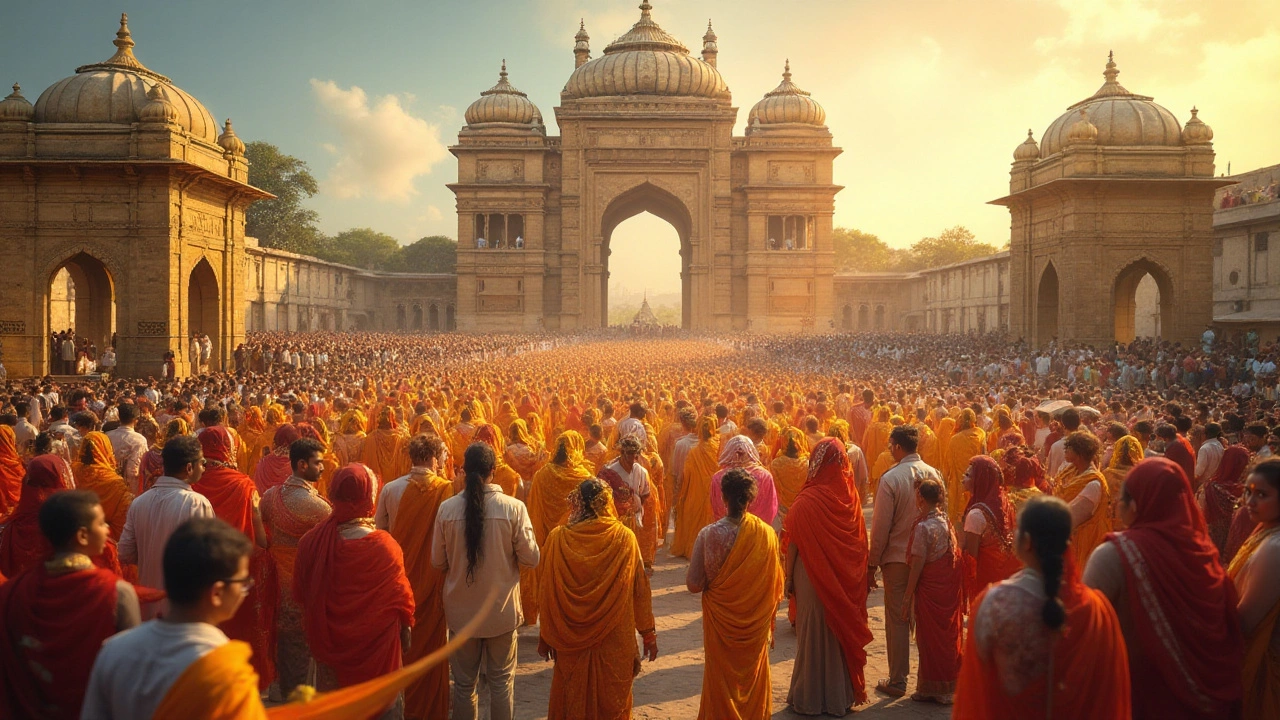
UNESCO India: Discover India's 43 World Heritage Sites
When you think of UNESCO India, India’s official list of culturally and naturally significant sites recognized by the United Nations Educational, Scientific and Cultural Organization. Also known as World Heritage Sites India, it includes everything from ancient temples to remote forests that tell the story of human history and ecological balance. These aren’t just tourist spots—they’re living parts of India’s identity, protected for future generations.
Each site on the UNESCO list India has a reason it made the cut. The Taj Mahal, a 17th-century marble mausoleum in Agra, built as a symbol of love and architectural mastery draws millions, but it’s just one of 43. You’ll also find Khajuraho temples, famous for their intricate erotic sculptures and spiritual symbolism, the Ellora Caves, a rock-cut complex where Hindu, Buddhist, and Jain traditions coexist in stone, and even the Great Himalayan National Park, a biodiversity hotspot protecting rare animals like the snow leopard. These aren’t just places on a map—they’re ecosystems, spiritual centers, and engineering marvels all rolled into one.
What ties them together? Respect. Whether you’re standing in front of a 2,000-year-old stepwell in Delhi or hiking through the sacred forests of Assam, these sites demand more than a photo. They ask for awareness—of dress codes, noise levels, and local traditions. That’s why the posts below cover everything from how to visit temples without offending locals, to why hiring a guide in the Himalayas isn’t just smart, it’s necessary. You’ll find practical advice on navigating crowds at the Taj Mahal, understanding the significance of stepwells in Rajasthan, and even how to plan a trip that supports conservation, not just consumption.
India’s heritage isn’t locked behind ticket booths. It’s alive—in the chants at Varanasi, the carvings on a forgotten temple wall, the silence of a mountain trail that’s been walked for centuries. The posts here don’t just list sites. They show you how to connect with them, safely and meaningfully. Whether you’re planning your first trip or your tenth, you’ll find real tips, honest comparisons, and the kind of details you won’t get from a brochure.
India, known for its rich history and cultural diversity, proudly adds another UNESCO World Heritage Site to its list. This article delves into the recently designated site, exploring its historical significance and cultural impact. Discover why this location was chosen, its key features, and how it reflects India's vibrant heritage. Tips on how to visit and the best time to experience this remarkable cultural hub are also included for potential travelers.