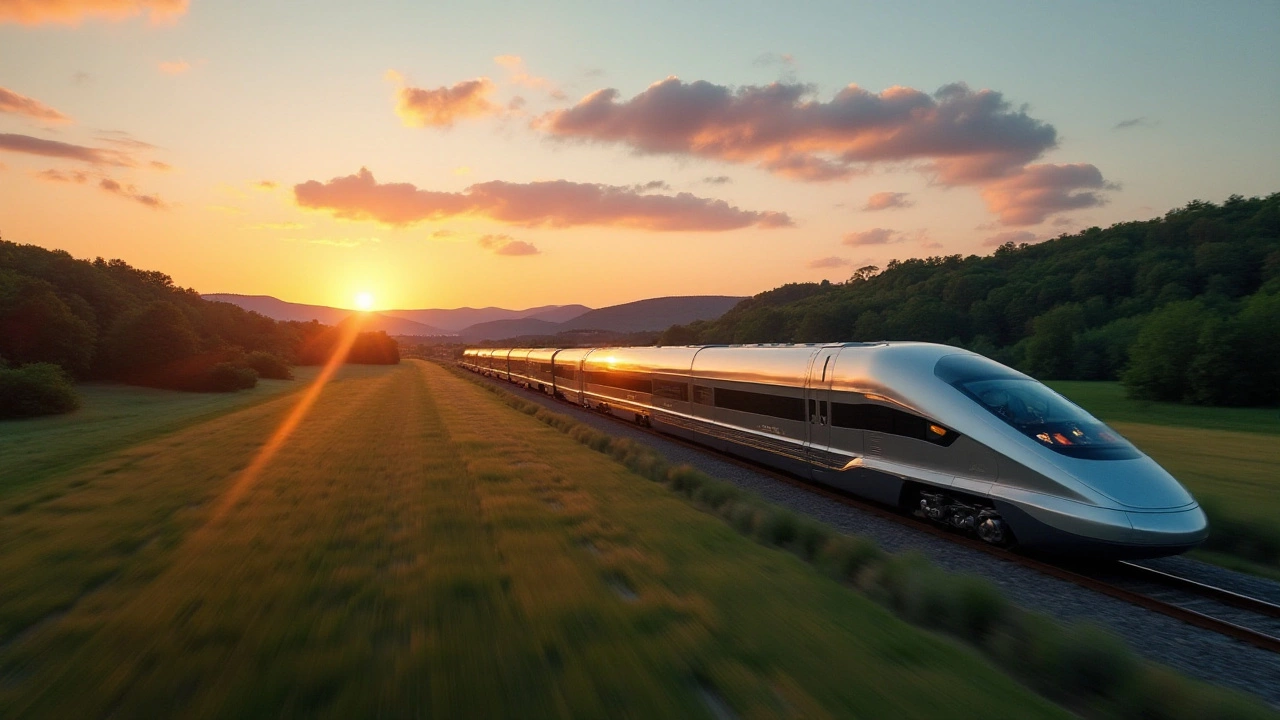
Train Journey in India: Best Routes, Tips, and Luxury Experiences
When you think of a train journey, a way to travel across vast landscapes while experiencing local life from a window seat. Also known as rail travel, it’s one of the most authentic ways to see India—not just the places, but the rhythm of the country. Unlike flying or driving, a train ride here lets you wake up to changing skies, smell spices from a vendor on the platform, and hear the clatter of wheels that’s been the heartbeat of India for over 170 years.
India’s rail network, the fourth largest in the world, connects remote villages to bustling cities with over 8,000 stations is more than transport—it’s culture on rails. You’ll find budget travelers sleeping on hard benches in third class, families sharing meals from tiffin boxes, and tourists booking luxury cabins on the Palace on Wheels, a restored royal train that offers five-star service through Rajasthan’s forts and deserts. Then there’s the Deccan Odyssey, a luxury train that takes you from Mumbai to Goa and beyond with butler service, fine dining, and guided excursions. These aren’t just trains—they’re moving hotels with itineraries built around heritage sites, wildlife, and local festivals.
But you don’t need a $10,000 ticket to love a train journey here. The train journey from Delhi to Jaipur takes just five hours and costs less than a flight. The Kalka-Shimla route winds through pine forests and 102 tunnels—perfect for a half-day escape. And if you’re heading south, the Konkan Railway hugs cliffs and rivers with views that make even the longest ride feel short. Many of these routes are covered in our posts, from safety tips for solo travelers to how to book tickets without the hassle.
What makes Indian train journeys different? It’s the people. The chaiwala who knows your favorite tea blend. The vendor selling fresh jalebis right outside your window. The elderly man who shares stories about how the railway changed his village. These moments aren’t planned. They happen because trains move slow enough to let life in.
Below, you’ll find real stories and practical guides—whether you’re curious about the most expensive train ride in the world, wondering if you need a guide for remote routes, or just want to know which Indian cities are best reached by rail. No fluff. Just what works.
Dive into the world of luxury train travel and discover the most advanced train in the United States. Learn about the cutting-edge technology and comfortable amenities that set it apart from others. Find out why this train elevates the travel experience and how it combines speed with elegance. Explore the routes and unique features that make this journey a must-try for travel enthusiasts.