Safe Food in India: What You Need to Know Before You Eat
When you’re traveling in India, safe food in India, the practice of choosing meals that reduce risk of illness while enjoying local cuisine. Also known as food safety for travelers, it’s not about avoiding Indian food—it’s about knowing how to pick it wisely. Thousands of visitors enjoy delicious curries, spicy chaat, and fresh rotis every day without a single stomach issue. The difference? They didn’t guess—they learned.
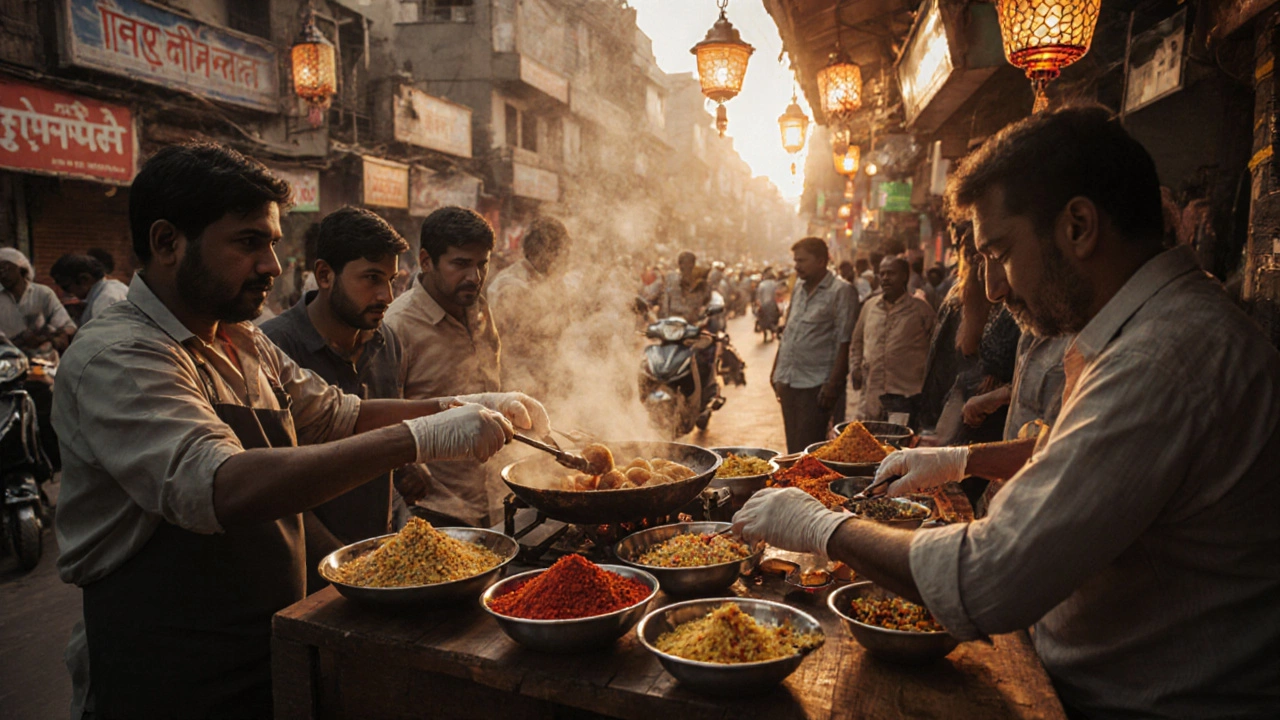
Most foodborne illness in India comes from contaminated water, undercooked meat, or food left out too long in the heat. But it’s not random. street food in India, locally prepared meals sold by vendors on sidewalks or markets can be some of the safest options if you watch a few signs: busy stalls mean high turnover, hot food means it was cooked recently, and vendors who handle money and food with separate hands are worth waiting for. On the flip side, food hygiene in India, the standards and habits that prevent contamination in food preparation varies by region and vendor. A restaurant with clean plates and boiled water for tea is a good sign. A salad washed in tap water? Skip it. Bottled water isn’t just for drinking—it’s for brushing your teeth too.
You don’t need to live in fear. Many travelers get sick because they overthink it or avoid everything local. The truth? You can eat almost anything in India if you follow basic rules: eat it hot, peel it yourself, boil it if you’re unsure. Vaccinations help, but they won’t stop every bug. Your best tool is your eyes and instincts. Look at how the food is handled, how clean the surfaces are, and whether people are eating it happily. If locals are lining up, it’s probably safe. If the food looks old or the vendor doesn’t wash hands, walk away. This isn’t about luxury—it’s about smart choices that let you taste real India without paying the price.
What follows are real stories and tips from travelers who got it right—and some who didn’t. You’ll find guides on what to order in Mumbai, how to pick safe snacks in Delhi, why some beach towns are riskier than others, and how to handle illness if it happens. No fluff. No fearmongering. Just what works.
Learn how to eat safely in India without getting sick. Discover which street foods are safe, what drinks to avoid, and how to choose clean vendors-so you can enjoy India’s amazing food without the stomach trouble.