Religious Tourism in India: Sacred Sites, Customs, and Travel Tips
When you think of religious tourism, travel driven by spiritual purpose, pilgrimage, or cultural connection to sacred places. Also known as faith-based travel, it’s one of the oldest and most powerful forms of journeying on Earth. In India, it’s not just a niche—it’s the heartbeat of tourism. From the marble grandeur of the Taj Mahal, a UNESCO World Heritage Site built as a monument of love and Islamic architecture to the mist-covered temples of Kedarnath, millions come not just to see, but to feel something deeper. This isn’t about checking boxes. It’s about standing where centuries of prayer have echoed, touching stone worn smooth by devotion, and walking paths pilgrims have followed for over a thousand years.
Religious tourism in India doesn’t just mean visiting temples. It includes UNESCO World Heritage Sites, locations recognized for their cultural or natural significance, many of which are sacred spaces like the stepwells of Gujarat, the ancient city of Hampi, and the sacred forests of the Western Ghats. These aren’t just tourist spots—they’re living places of worship, where rituals happen daily and monks still chant in the same rhythm as their ancestors. You’ll also find that temple etiquette, the unwritten rules for respectful behavior when entering Hindu, Buddhist, or Jain places of worship matters more than you think. Cover your head. Remove your shoes. Don’t point your feet at idols. These aren’t arbitrary rules—they’re signs of respect in a culture where the divine is believed to dwell in stone and water alike.
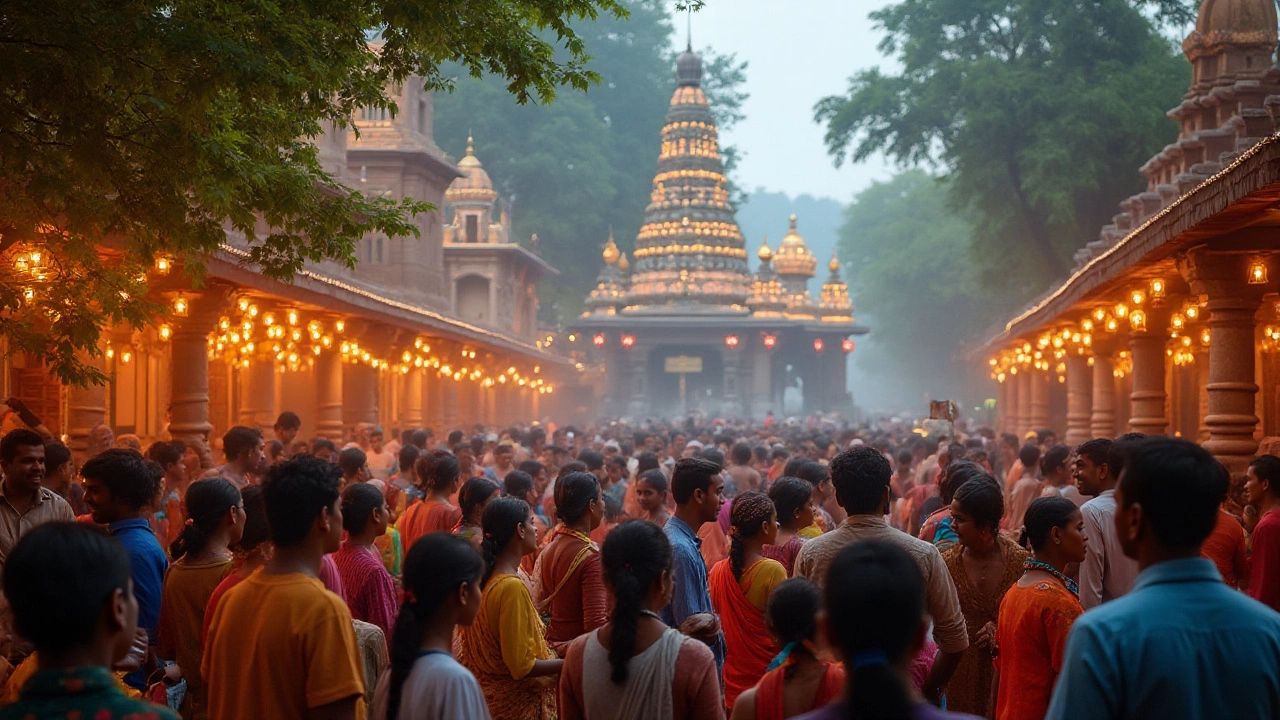
And it’s not just about the big names. India’s religious tourism includes hidden shrines in remote hills, rivers where ashes are scattered, and villages where entire festivals turn streets into altars. You’ll see pilgrims walking hundreds of kilometers barefoot, families offering coconuts at dawn, and priests chanting in languages no textbook teaches. This is why guides aren’t just helpful—they’re essential. A local can tell you why a certain temple faces east, what the bell means, or when the real crowd shows up (spoiler: it’s never when the guidebook says). The posts below give you real, practical advice: how to dress, what to expect, where to go without getting lost in the noise, and how to avoid common mistakes that offend locals. Whether you’re drawn to the silence of a Himalayan cave temple or the chaos of a Kumbh Mela, this collection helps you move through sacred spaces with awareness, not ignorance. What you’ll find here isn’t a list of places—it’s a guide to understanding them.
India, known for its rich spiritual heritage, boasts countless captivating temples. Among these, one temple stands out as the most visited by devotees and tourists alike. This article delves into what makes this temple so special, its religious significance, and tips for those planning a visit to experience its spiritual ambiance fully.