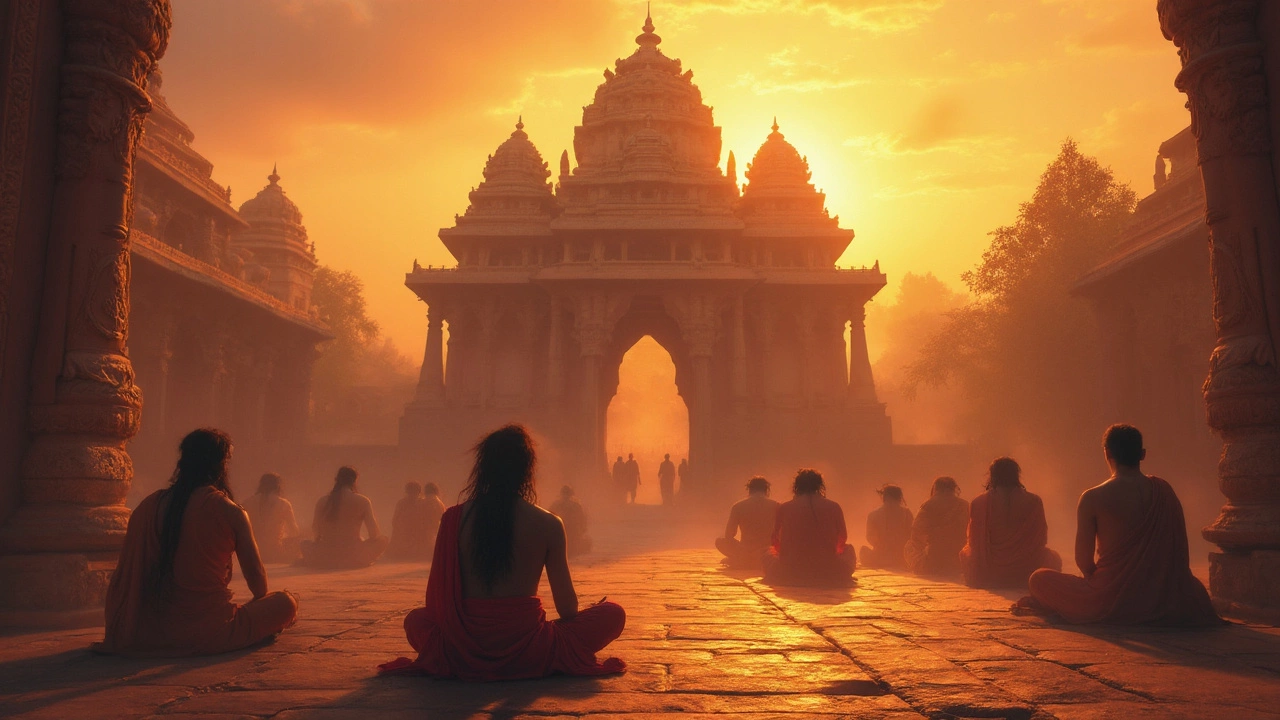
Religion History in India: Sacred Sites, Traditions, and Cultural Roots
When you think about religion history, the layered spiritual traditions that have shaped India for thousands of years. Also known as Indian spiritual heritage, it isn't just about beliefs—it's about daily life, architecture, festivals, and the way people move through the world. India’s religion history isn’t stored in books alone. It’s carved into stone at the stepwells of Gujarat, whispered in chants at Himalayan shrines, and felt in the quiet before dawn at the Taj Mahal, built as a monument of love rooted in Islamic and Persian traditions.
What makes India’s religion history different? It’s not one story. It’s dozens, overlapping for centuries. Hinduism, the world’s oldest living religion, with rituals tied to rivers, mountains, and stars flows alongside Islam, brought by traders and rulers, leaving behind mosques, Sufi shrines, and Urdu poetry. Then there’s Buddhism, born in India, now a global path, but still alive in places like Sarnath and Bodh Gaya. Even lesser-known traditions like Jainism and Sikhism have shaped how people worship, eat, dress, and respect sacred spaces. These aren’t relics. They’re active, breathing parts of life today.
That’s why visiting a temple in India isn’t just sightseeing. It’s stepping into a living system of rules, symbols, and silence. The way you cover your head, remove your shoes, or avoid pointing your feet isn’t arbitrary—it’s tied to centuries of religious law and community practice. And when you stand in front of a 1,000-year-old temple or walk through the corridors of a UNESCO World Heritage Site like the Ellora Caves, you’re not just seeing stone. You’re seeing devotion made permanent.
India’s religion history also shows up in unexpected places. The Ark of the Covenant? Some believe its echoes live on in ancient Indian temple lore. The Great Himalayan Trail? Pilgrims have walked its paths for millennia, not just for exercise, but for enlightenment. Even the food you eat near a temple follows rules older than most modern nations. This isn’t mythology. It’s real, daily practice.
What you’ll find in the posts below isn’t a textbook. It’s a practical guide to navigating this world. From how to dress before entering a temple, to why Nagpur is called the Heart of India, to which heritage sites you can’t miss—each piece cuts through the noise and gives you what you need to move through India’s sacred spaces with respect, clarity, and confidence. No fluff. Just what works.
Explore the fascinating journey into the oldest religion globally. Understand its origins, core beliefs, and its profound connection with various temple tours in India. This article offers a unique look at how ancient practices have influenced modern spirituality. Discover intriguing stories from ancient texts, and get tips on how to experience these age-old traditions firsthand.