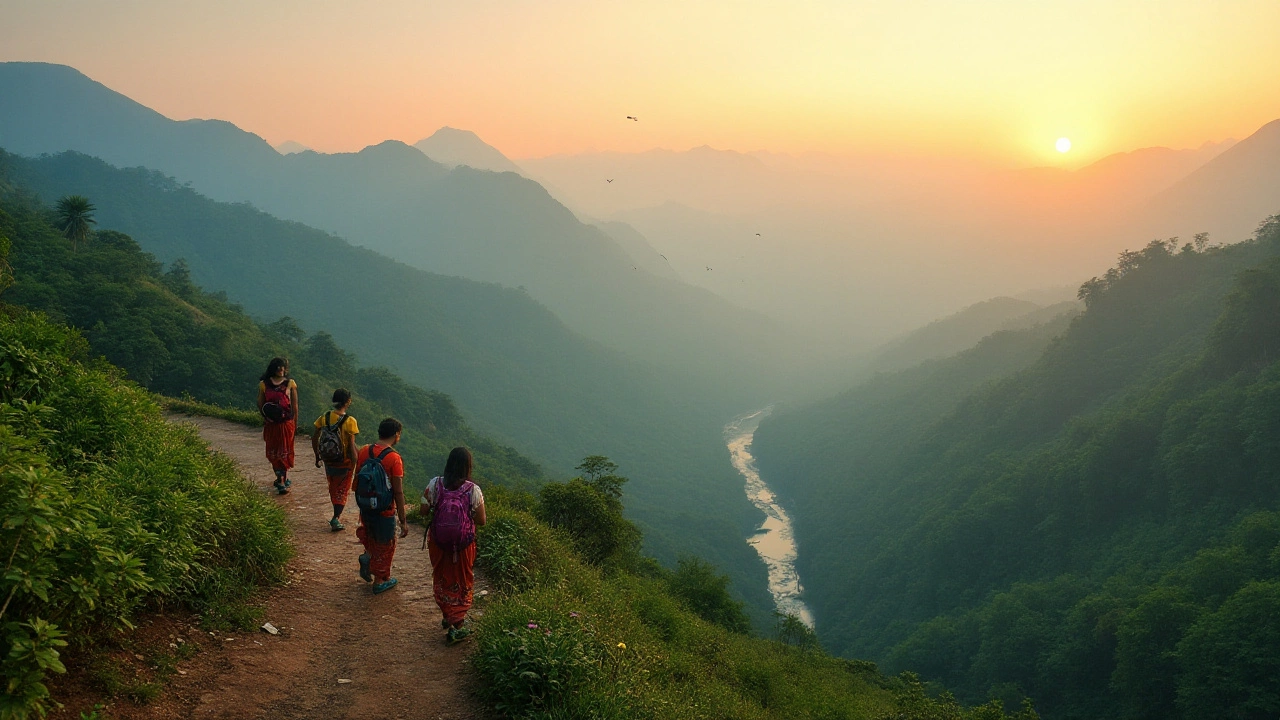
Northeast India Travel: Hidden Gems, Trekking Trails, and Cultural Secrets
When you think of Northeast India travel, a region of seven states in India’s far eastern edge, rich in biodiversity, indigenous cultures, and rugged terrain. Also known as the Seven Sisters, it’s where the Himalayas meet dense rainforests, rivers carve through cliffs, and traditions have changed little in centuries. This isn’t the India of crowded temples or busy metro cities. It’s the India of remote villages where elders still tell stories in languages no guidebook lists, and trails lead to waterfalls you won’t find on Google Maps.
Northeast India travel isn’t just about seeing places—it’s about moving through living cultures. The Khasi people, an indigenous community in Meghalaya known for matrilineal society and living root bridges build bridges from tree roots that grow stronger over time. In Arunachal Pradesh, the Nyishi tribe, one of the largest tribes in the state, with vibrant headgear and annual festivals tied to harvest and spirits welcome visitors with songs that echo through misty hills. These aren’t performances for tourists—they’re part of daily life. And if you’re into trekking, the Great Himalayan Trail, a 4,500 km path stretching across India’s northern edge, including sections through Arunachal and Sikkim runs right through this region. It’s not for beginners, but the solitude, the views, and the lack of crowds make it worth every step.
What you won’t find here are big resorts or Uber rides. You’ll find homestays run by families who cook meals with herbs picked from their backyard. You’ll find buses that run on schedule only if the road isn’t washed out by monsoon rain. You’ll find markets where you buy handwoven shawls directly from weavers, not middlemen. This is travel that demands patience, curiosity, and respect. And it rewards you with memories no five-star hotel can offer.
Below, you’ll find real stories from people who’ve hiked through Nagaland’s jungles, stayed in bamboo cottages in Mizoram, and crossed rivers in Assam with local guides. No fluff. No generic lists. Just what actually works, what to avoid, and why this part of India stays with you long after you leave.
Planning a trip to Northeast India requires understanding how much time you need to explore its unique landscapes, diverse cultures, and natural wonders. This guide provides insights on how many days are sufficient to experience the region's beauty, from the serene hills of Meghalaya to the vibrant markets of Assam. Find out which landmarks and experiences shouldn't be missed and tips for making the most of your visit.