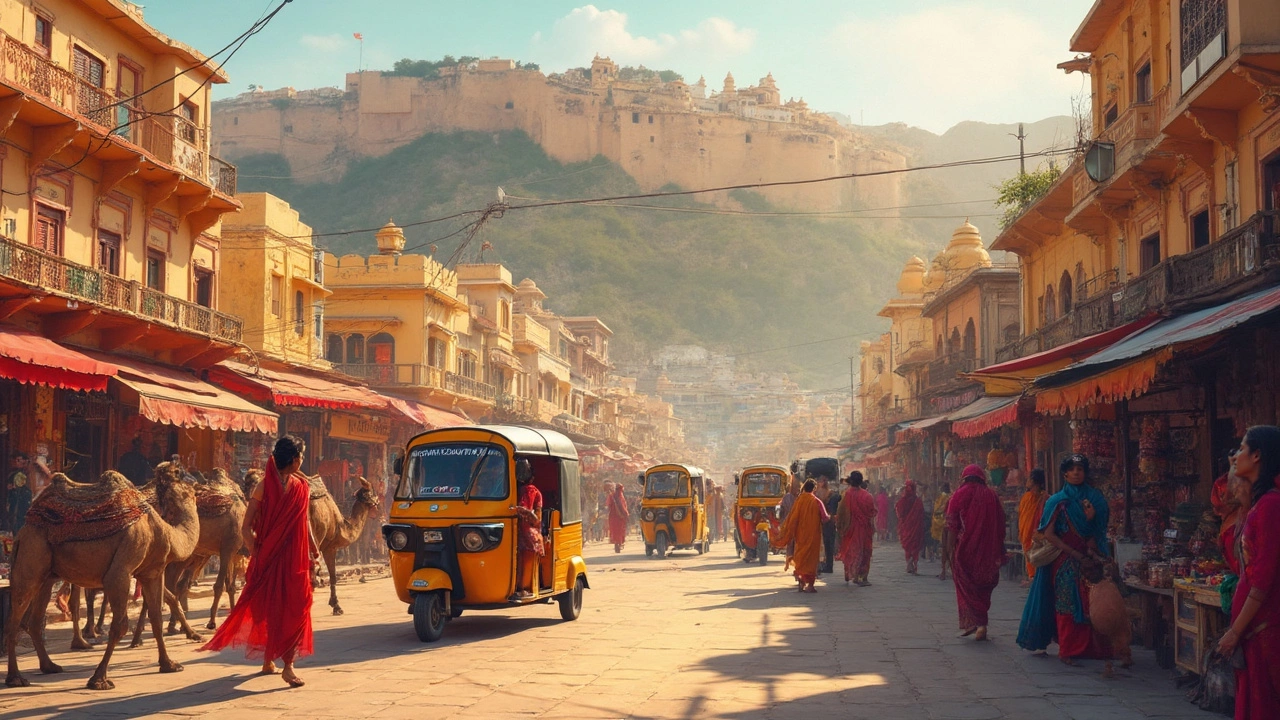
Jaipur: Gateway to Rajasthan's Culture, Heritage, and Jungle Escapes
When you think of Jaipur, the vibrant capital of Rajasthan known for its pink-walled forts, bustling bazaars, and royal legacy. Also known as the Pink City, it’s not just a postcard destination—it’s a cultural hub that connects deeply with India’s heritage, temple traditions, and nearby wilderness escapes. Jaipur isn’t just about selfies at Hawa Mahal or haggling for blue pottery. It’s the starting point for understanding how Indian temples work, why heritage sites matter, and how a city built centuries ago still shapes how travelers experience the country today.
Jaipur sits right in the heart of North India, a region defined by Mughal and Rajput history, arid landscapes, and a unique blend of tradition and modern travel. This makes it a natural contrast to South India’s greenery and coastal vibes. If you’ve read about temple etiquette, the unspoken rules for dressing, removing shoes, and respecting rituals before entering sacred spaces, you’ll find Jaipur’s Amber Fort temple and Jal Mahal’s spiritual spots are perfect places to practice what you’ve learned. And if you’ve wondered why some cities feel safer for solo travelers, Jaipur often comes up—thanks to its well-trodden tourist routes, local guides, and strong community presence.
But here’s the thing most travel blogs miss: Jaipur is also a quiet gateway to the wild. Just a few hours away, the Aravalli hills give way to forested reserves where jungle camps offer real escapes—no crowds, just stars, wildlife calls, and silence. You won’t find elephants roaming the streets of Jaipur, but you’ll find them in the nearby Ranthambore, and that’s the magic. The city gives you culture, comfort, and context. The wild gives you awe. Together, they make a complete India trip.
What you’ll find below are real traveler experiences tied to Jaipur—not just what to see, but how to behave, where to eat safely, and how to plan a trip that balances history with adventure. From temple rules that keep you out of trouble, to why Jaipur ranks high among foreign-friendly cities, to how it connects to bigger topics like UNESCO sites and India’s heritage trail—this collection cuts through the noise. No fluff. Just what you need to know before you go.
Trying to choose between Jaipur and Delhi for your North India trip? This article breaks down what makes each city stand out, from sightseeing vibes to food, safety, and shopping. Get straightforward tips on what to expect in both spots. Discover must-see places and experiences. Make sure you pick the city that fits your style and travel goals.