Indian Himalayas: Trekking, Culture, and Wild Retreats in the Roof of the World
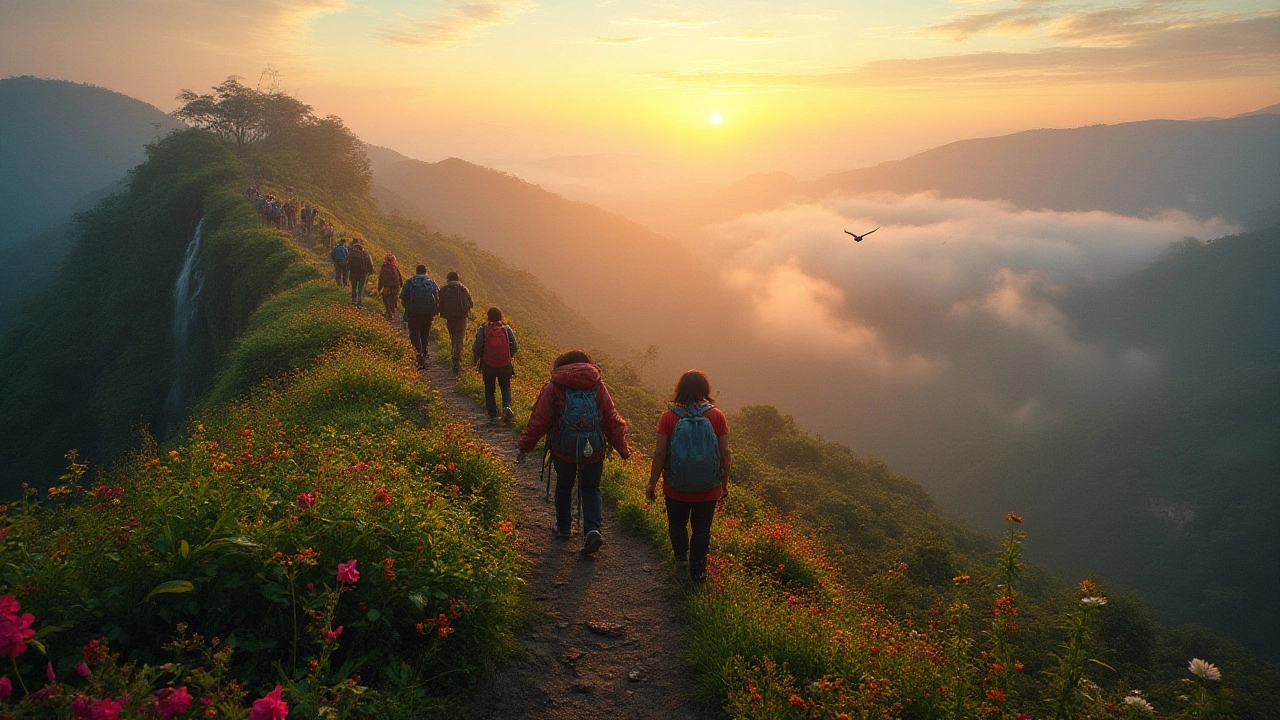
The Indian Himalayas, the northern mountain belt that forms the border between India and Tibet, and holds some of the planet’s most dramatic peaks and sacred sites. Also known as the Himalayan Range in India, this region isn’t just a chain of mountains—it’s a living landscape of pilgrimage trails, remote villages, and wild forests that few travelers ever truly see. If you’ve ever dreamed of walking where monks once prayed and yaks still graze above the clouds, this is where it happens.
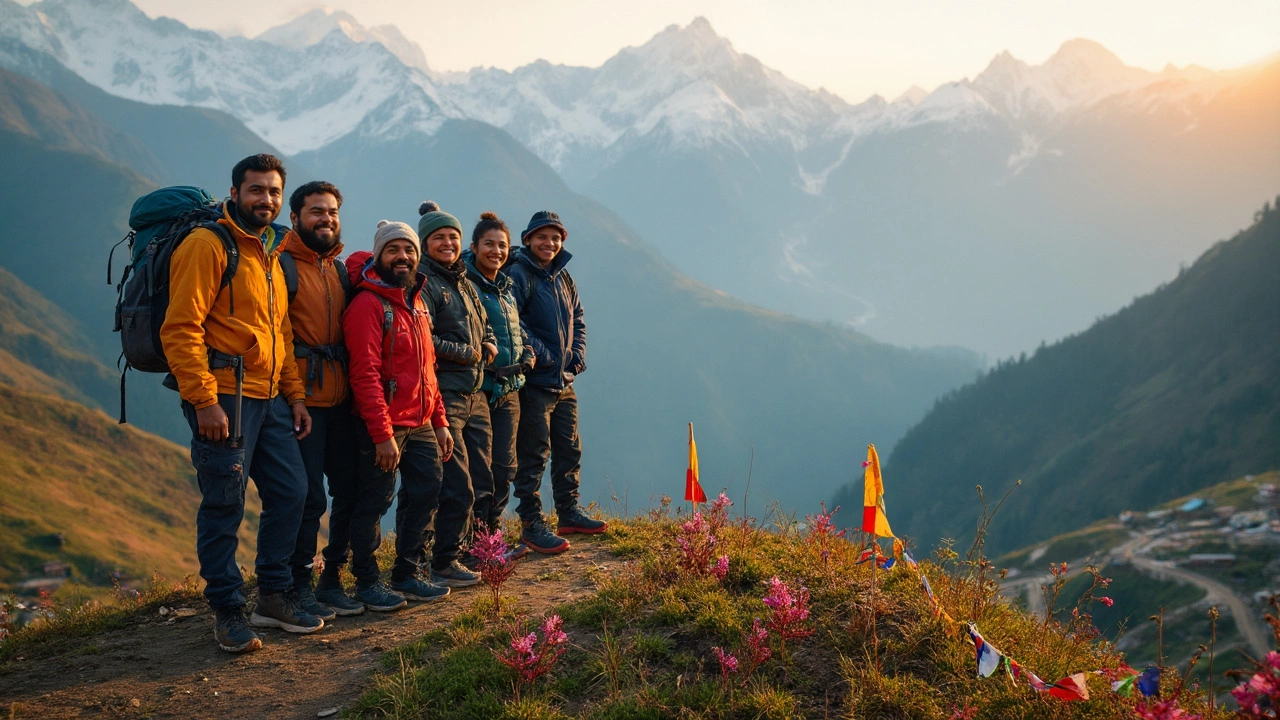
The Great Himalayan Trail, a 4,500-kilometer trek stretching from Arunachal Pradesh to Uttarakhand, and recognized as India’s longest continuous walking route cuts right through the heart of this range. It’s not just for elite mountaineers—it’s broken into sections that anyone with decent fitness can tackle, from day hikes near Manali to multi-week expeditions in Sikkim. Along the way, you’ll pass Himalayan culture, the unique blend of Tibetan Buddhism, Hindu pilgrimage traditions, and indigenous tribal life that shapes life in these high valleys. You’ll see prayer flags fluttering over monasteries, meet locals who still trade salt for grain, and hear chants echoing in valleys where no road ever reached.
What makes the Indian Himalayas different from other mountain ranges? It’s the mix of raw nature and deep spirituality. You can trek to Roopkund Lake one day, where ancient skeletons lie half-buried in ice, and then sit in silence at Kedarnath Temple the next, surrounded by snow-capped peaks that Hindus believe are the home of Shiva. This isn’t just scenery—it’s a pilgrimage. And that’s why so many of the posts here focus on trekking guides, temple etiquette, and safety tips. You don’t just visit the Indian Himalayas—you prepare for them.
Some of the most practical advice you’ll find here comes from people who’ve actually hiked these trails. They tell you why hiring a local guide isn’t optional—it’s lifesaving. They explain how weather changes faster than your water bottle empties. They warn you about altitude sickness before you even pack your boots. And they show you that the best views aren’t always at the summit—they’re in the quiet moments between camps, when the wind drops and the stars come out so thick you feel like you could reach up and touch them.
Whether you’re planning your first high-altitude walk or you’re already dreaming of the next long-distance trail, this collection gives you real, tested insights—not guesswork. You’ll find guides on the longest walking route in India, tips for staying healthy at 4,000 meters, and even how to respect temple customs when you stumble upon a hidden shrine on a remote ridge. The Indian Himalayas don’t forgive carelessness, but they reward respect. And here, you’ll learn how to be ready.
Looking for India's best treks? Get in-depth guides, smart tips, and genuine stories on top Indian trekking destinations for all styles and skill levels.
India isn't just about spicy food and crowded cities—it’s a surprising paradise for trekkers. From the snow-packed Himalayas to wild jungles in the south, India packs more hiking variety than you’d expect. Discover practical tips, bucket-list trails, and things you need to know before lacing up your boots. Find out what makes India unique for both newbie hikers and hardcore trekkers. Eye-opening facts and straightforward guidance included.