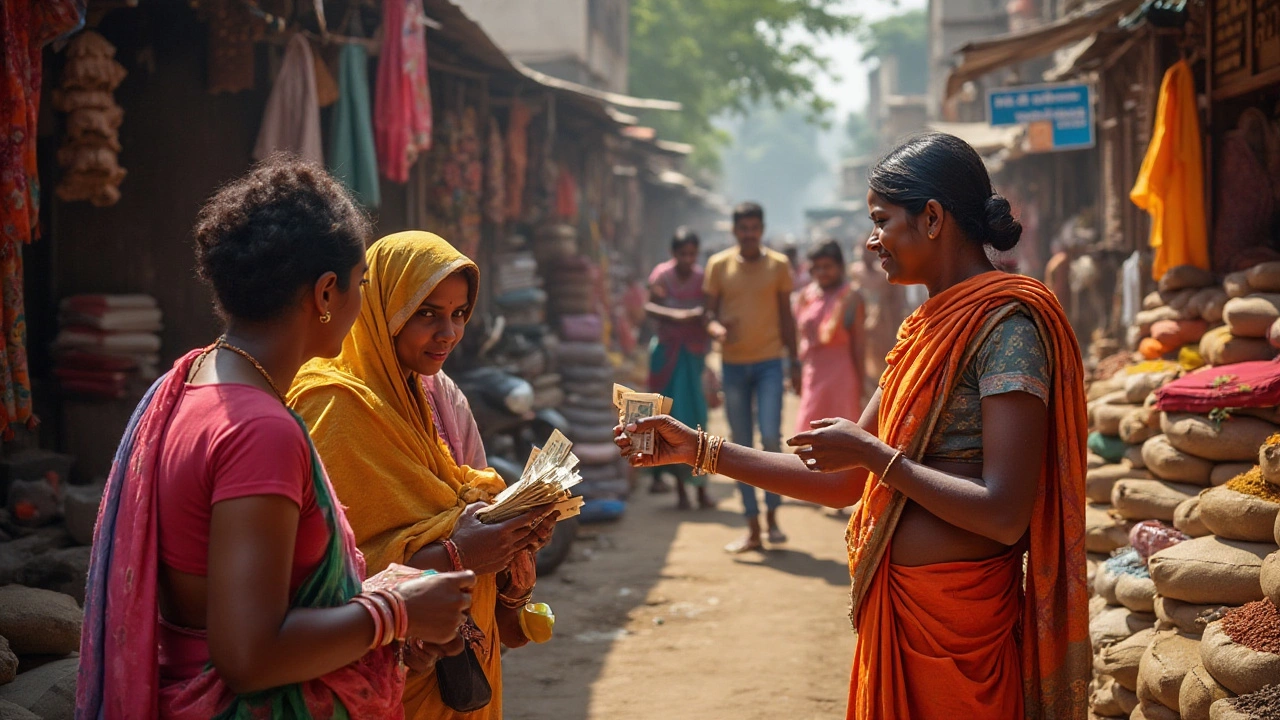
Indian Currency Tips: Smart Ways to Handle Money in India
When you’re traveling in India, Indian currency, the official currency used across the country, also known as the Indian rupee (INR). It’s not just about notes and coins—it’s about knowing where to get it, how to spend it safely, and what traps to avoid. Unlike in many countries, cash still rules in India, especially outside big cities. Even if you have a credit card, you’ll need rupees for street food, temple donations, rickshaw rides, and small shops. Getting this right saves you stress, saves you money, and keeps you from being overcharged.
One of the biggest mistakes travelers make is exchanging money at the airport. The rates there are terrible, and you’ll lose up to 15% right away. Instead, wait until you’re in the city and use a licensed money changer—look for the Authorized Money Changer sign. Banks like State Bank of India or HDFC offer better rates than private counters. If you’re using an ATM, a machine that lets you withdraw local cash using your foreign debit or credit card. Also known as cash machine, it’s often the most convenient way to get rupees, stick to ones inside banks or major hotels. Avoid standalone ATMs in quiet areas—they’re more likely to be tampered with. Always check your receipt and count your cash before leaving the machine.
Carry small denominations. A 500-rupee note goes a long way, but vendors often don’t have change for it, especially in rural areas or markets. Keep 10s, 20s, and 50s in your pocket for buses, chai stalls, and tipping. Credit cards work in big hotels and restaurants, but don’t count on them everywhere. Many small shops, temple gift stalls, and local guides only take cash. Also, never carry all your cash in one place. Split it between your wallet, a hidden money belt, and your hotel safe. And remember—Indian rupees aren’t easily exchanged outside India, so don’t bring home more than you need.
Some travelers worry about counterfeit bills. It happens, but it’s rare if you’re careful. Real 500 and 2000 rupee notes have a security thread, watermark of Mahatma Gandhi, and a distinct feel—slightly rough, not smooth like fake ones. If you’re unsure, ask a shopkeeper or bank teller to check it. Most locals are happy to help. Also, avoid street vendors offering to exchange dollars or euros on the sidewalk. They’re almost always scam artists.
When you’re ready to pay, don’t be afraid to ask for the price upfront. Many vendors will quote a higher price to foreigners. A simple, polite “What’s the price?” before you even look at the item can save you 30-50%. And always have exact change ready—it shows you’re a savvy traveler, not a target.
Understand that tipping isn’t mandatory, but it’s appreciated. For guides, drivers, or hotel staff who go out of their way, 50-100 rupees is generous. For waiters, rounding up your bill is common. You don’t need to tip everywhere, but knowing when to do it helps you connect better with locals.
Below, you’ll find real-world advice from travelers who’ve been there—how to avoid ATM fees, which cities have the best exchange rates, what to do if you run out of cash, and how to use digital wallets like Paytm even as a foreigner. These aren’t theoretical tips. They’re the kind of things you wish you knew before your first day in Mumbai, Jaipur, or Varanasi.
When planning a trip to India, it's crucial to determine how much cash to bring along. Although various digital payment methods are available, cash remains an important part of transactions, especially in smaller towns. Understanding Indian currency, knowing where to exchange money, and being aware of safety precautions are essential aspects of traveling smoothly. This guide provides insights into the amount of cash needed for different destinations and travel styles across India.