India Trip: Essential Guides for Safe, Smart, and Memorable Travel
An India trip, a journey through one of the world’s most diverse and vibrant countries. Also known as travel in India, it’s not just about seeing the Taj Mahal or relaxing on a beach—it’s about navigating cultural rules, staying healthy, and choosing the right experiences for your style. Whether you’re hopping between cities, trekking the Himalayas, or eating street food in Goa, an India trip demands more than a passport. You need to know where to go, what to avoid, and how to respect local customs without feeling lost.
One big question travelers ask: Is India safe? The answer isn’t yes or no—it’s about where and how. Cities like Mumbai are generally easier for solo travelers and families, while Delhi needs more caution, especially at night. Then there’s Nagpur, the actual geographical center of India, a quiet hub that’s perfect for starting adventures without the crowds. And if you’re planning to trek, hiring a local guide isn’t optional—it’s a must for safety, permits, and understanding the land. Trails like Roopkund or the Great Himalayan Trail aren’t just hikes; they’re cultural journeys that require preparation.
Food is another make-or-break part of any India trip, a sensory experience that can delight or derail you. Also known as eating in India, it’s not about avoiding street food—it’s about knowing which vendors are clean, what drinks to skip, and how to spot fresh ingredients. You don’t need fancy restaurants to eat well. Just follow simple rules: bottled water, hot food, and avoid raw salads unless you trust the source. Vaccinations? Yes, some are smart. Hepatitis A, typhoid, and rabies shots aren’t just recommendations—they’re practical shields against common illnesses.
Temples are everywhere, and they’re not just sights—they’re sacred spaces. Before you step inside, learn the rules: cover your shoulders, remove your shoes, don’t point your feet at idols. These aren’t just traditions—they’re signs of respect. Miss them, and you risk offending locals or getting turned away. And if you’re visiting heritage sites like the Taj Mahal or ancient stepwells, know the best times to go. Early morning means fewer crowds and cooler temperatures.
Transportation changes too. Uber doesn’t run everywhere in India—not even in Goa, where auto-rickshaws and local taxis dominate. Train rides can be budget-friendly or luxury splurges, like the Pride of Africa, though that’s in Africa, not India. For real Indian rail magic, try the Deccan Odyssey or the Maharajas’ Express—long, slow, and unforgettable. And don’t forget visas: US citizens need an e-Visa, and fees change yearly. Check the 2025 costs before you book flights.
North and South India feel like different countries. The food, language, climate, and even the pace of life shift dramatically. One place serves butter chicken and parathas; the other serves dosas and coconut-based curries. Neither is better—just different. Your India trip, a personal adventure shaped by your choices. Also known as travel across India, it’s only as good as the planning behind it. This collection gives you real, no-fluff advice from people who’ve been there. No guesses. No myths. Just what works.
Below, you’ll find guides that cut through the noise: how to stay healthy, which cities are safest for foreigners, what to eat without getting sick, where to trek, and how to visit temples without making mistakes. Whether you’re a first-timer or coming back for more, these posts are your toolkit for a trip that’s smooth, safe, and unforgettable.
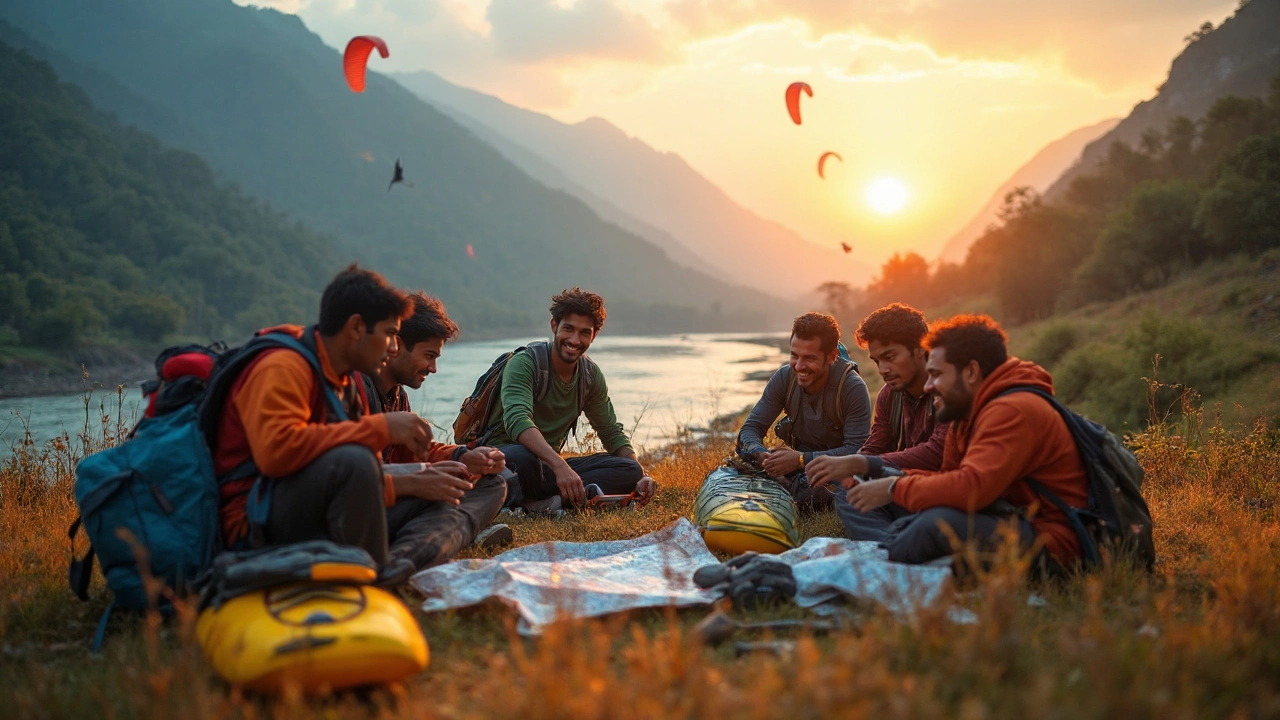
Planning an India trip around adventure sports needs smart timing. This guide helps you figure out exactly how many days you should set aside for an adrenaline-packed visit based on top destinations and experiences. Get insider tips, route ideas, and must-know facts for smooth travels. Avoid overpacking your schedule and make the most of every day. Perfect for thrill-seekers mapping out their first or next adventure in India.